REVIEW · SHANGHAI
Tour of Jewish Shanghai led by a Jewish History Expert
Book on Viator →Operated by Tours of Jewish Shanghai · Bookable on Viator
Shanghai’s Jewish story is right here.
This half-day Jewish Shanghai tour pairs expert context with real-world stops across the Bund and Hongkou, including the Shanghai Jewish Refugees Museum and a WWII refugee monument in Huoshan Park.
What I like most is how the guide connects Jewish migration waves to the way Shanghai grew—Baghdadi-Jewish influence on the city, then the WWII-era refugees whose lives intersected with local Chinese neighbors. I also love that you’re not just looking at a single museum: you get the museum visit plus street-level views of where families lived, including back lanes and a former refugee home.
One consideration: the tour is story-heavy and mostly site-to-site. If you want lots of shopping stops or casual sightseeing with no history focus, this may feel like a long lesson in one concentrated block—so wear comfy shoes and plan for some walking.
In This Review
- Key points
- Starting on the Bund: Peace Hotel, river views, and a city-scale introduction
- Baghdadi-Jewish Shanghai: Why the first chapters change how you read WWII
- The Hongkou “Shanghai Ghetto” walk: back lanes, local life, and perspective
- Ohel Moshe Synagogue Museum: the stop you’ll remember most
- Huoshan Park: the WWII monument and memorial plaque moment
- The human side: Baghdadi real estate, Chinese migrant workers, and European refugees
- Comfort, pacing, and the “half-day” reality
- Price and value: what $96 buys you in Shanghai terms
- Who this tour is best for (and who should consider another plan)
- Should you book this Jewish Shanghai half-day tour?
- FAQ
- What is the duration of the tour?
- What time does the tour start?
- Where do I meet the guide?
- Is the Shanghai Jewish Refugees Museum ticket included?
- Are there food and drinks included?
- Do I need hotel pickup?
- Is it a walking tour?
- How many people are in the group?
- Does it run in bad weather?
- What is the cancellation policy?
Key points
- Bund meeting at the Peace Hotel (former Cathay Hotel, tied to Sir Victor Sassoon’s legacy) sets the stage with big-city context
- Hongkou’s back lanes help you picture how everyday life looked when the neighborhood became the Shanghai ghetto
- Ohel Moshe Synagogue museum is the anchor stop, and the ticket is included
- Huoshan Park WWII monument and memorial plaque give the WWII refugee story a physical place to land
- You’ll likely have an easier time hearing your guide in a smaller group (the tour caps at 22)
Starting on the Bund: Peace Hotel, river views, and a city-scale introduction
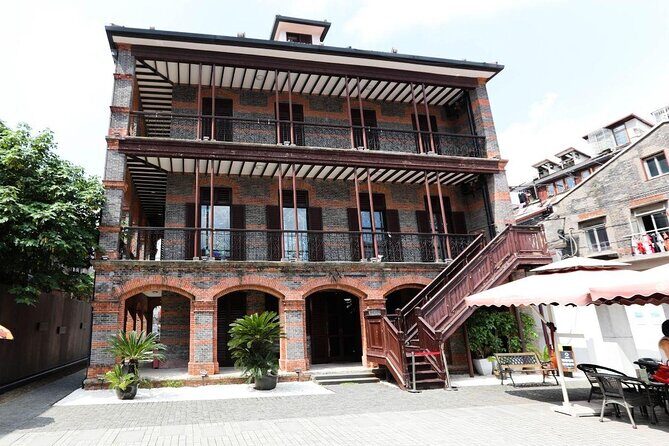
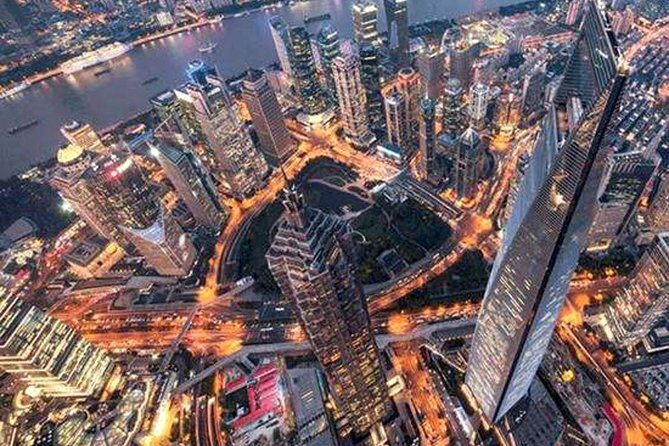
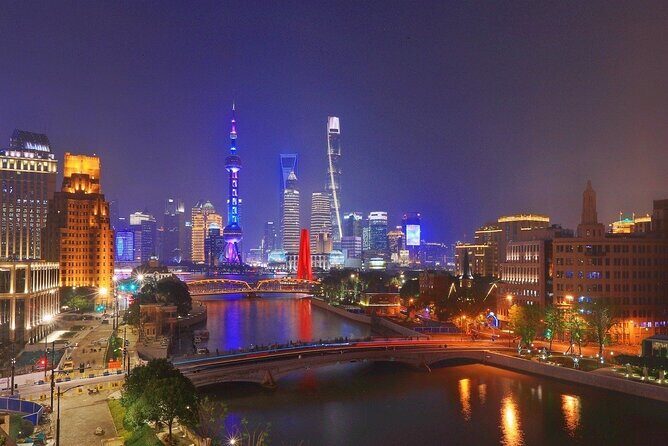
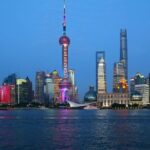
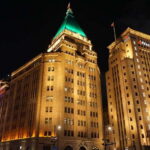
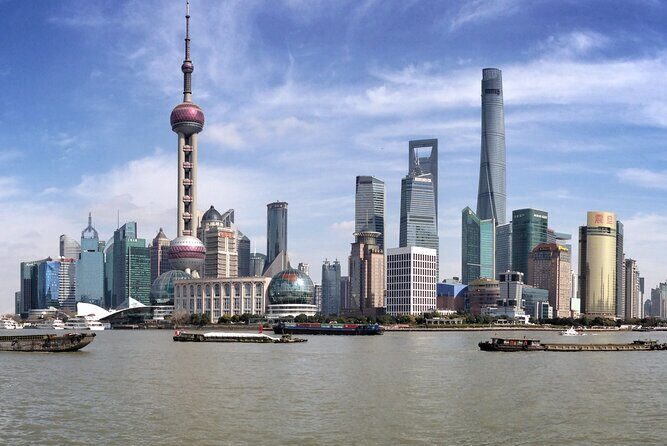
Your morning begins on Shanghai’s Bund with a meeting at the Peace Hotel, which was formerly the Cathay Hotel. That building matters because it links directly to Sir Victor Sassoon, a big name tied to early Baghdadi Jewish involvement in Shanghai. Even if you’re not a “history buildings” person, the first minutes work: you get river views and a sense of Shanghai’s scale before anyone asks you to imagine life in wartime Hongkou.
This is one of those smart tour choices. If you jump straight to a neighborhood museum, it’s easy to treat everything as separate facts. Here, the guide starts with the city as the backdrop—how Shanghai functioned as a port, a place people could reach, and a place that changed fast.
And yes, you’ll hear the guide’s stories threaded through Shanghai’s development. In the reviews, Dvir comes up again and again for that exact approach: fluent English, energy, and a way of making connections without turning the talk into a lecture with no breathing room.
Other Jewish Shanghai heritage tours we've reviewed in Shanghai
Baghdadi-Jewish Shanghai: Why the first chapters change how you read WWII
One of the most valuable parts of this tour is the way it frames “Jewish Shanghai” as more than just one WWII storyline. The route sets you up to understand different waves of Jewish immigration—starting with earlier communities connected to the Baghdadi Jewish presence in Shanghai.
You’ll learn how Baghdadi Jewish life in the city wasn’t limited to worship. The tour describes a real-estate developer connection, and the guide uses that kind of detail to show how Jews could shape commerce and neighborhoods. That matters because WWII refugees didn’t appear in a vacuum. They arrived into a city that already had Jewish footholds, local networks, and patterns of migration.
If you’re the kind of traveler who likes cause-and-effect, you’ll probably appreciate this structure. You start with Shanghai’s earlier Jewish presence, then move into Hongkou for the WWII-era story. You end up seeing the whole thing as one long chain, not a random set of stops.
The Hongkou “Shanghai Ghetto” walk: back lanes, local life, and perspective
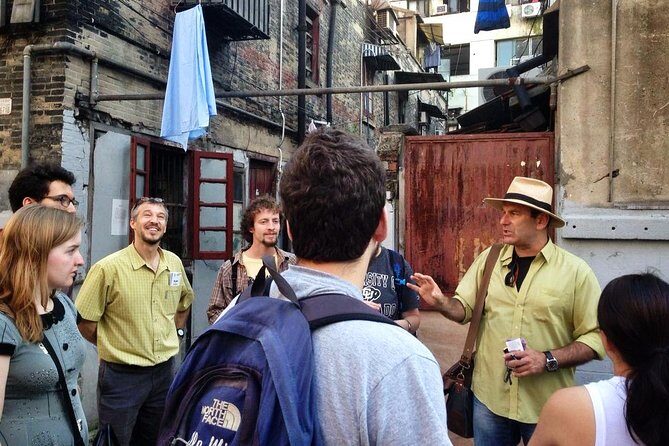
After the Bund introduction, the tour shifts to Hongkou, the district often referred to as the Shanghai ghetto. Here, you’re not looking at an empty historical set. You’re seeing the neighborhood as it is today, while the guide helps you layer the past onto streets that still exist.
The tour includes exploring back lanes, which is where it stops feeling abstract. Standing in smaller streets is usually where the “this is what it must have been like” feeling gets real. You’ll also visit the Chinese home where Jewish refugees used to live—another moment where the story becomes physical.
In the reviews, people often mention how the guide’s pacing felt good and how the group size helped with hearing everything. The tour caps at 22, and I’d treat that as a practical advantage: with fewer people, you can ask follow-up questions and keep the story straight.
Ohel Moshe Synagogue Museum: the stop you’ll remember most
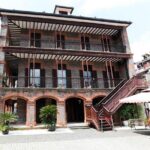
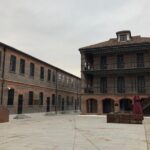
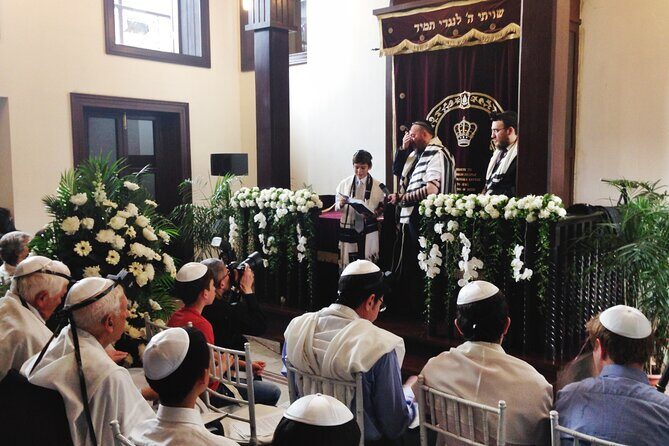
One of the central stops is the Shanghai Jewish Refugees Museum, housed in the former Ohel Moshe Synagogue. This is where the tour turns from city context into documented, memorialized history.
Because the museum ticket is included, you don’t have to manage extra costs or guess whether you’ll need to line up. The guide helps you read the exhibits in a way that fits the route you’re on—so you’re not wandering alone through panels and photos.
This is also where some of the most moving, human-scale details show up. In reviews, people mention learning about tombstones and where some of them were found, plus stories about families who ended up in Shanghai during the WWII period. That type of detail is exactly what makes a museum visit worth paying for, not just a photo stop.
If you’re sensitive to heavy topics, I’ll say this plainly: you’re in a museum built around a refugee story tied to the Holocaust-era escape reality. Expect emotions, not just facts. The guide’s job is to keep the information grounded and respectful—and multiple reviews highlight a sympathetic tone around a sensitive subject.
Huoshan Park: the WWII monument and memorial plaque moment
Next comes Huoshan Park, where you’ll see a monument to Jewish refugees from WWII. You’ll also visit a memorial plaque in the area. This is a different kind of learning than the museum: the guide uses the outdoor setting to connect the story to a place you can point to later.
Outdoor memorials can sometimes feel like “we saw a thing and moved on.” Here, because you’ve already been walked through the background, the park feels like the moment the history lands. It’s also easier to connect the tone of the story from the museum to the broader neighborhood setting.
A practical note: because it’s outdoors, plan for weather. The tour operates in all weather conditions, so you’ll want a light rain layer or sun protection depending on season.
Other historical tours in Shanghai
The human side: Baghdadi real estate, Chinese migrant workers, and European refugees
This tour doesn’t treat Jewish Shanghai as a single neat timeline. It describes how different groups and eras intersected—Baghdadi-Jewish figures connected to Shanghai’s development, Chinese migrant workers living alongside others, and Jewish refugees arriving from war-torn Europe.
That combination is one of the reasons the tour gets such strong marks in reviews. People repeatedly mention the guide’s ability to blend personal stories with broader Shanghai history, making it feel like you’re learning what life could have looked like, not just memorizing dates.
If you’re wondering how a guide should handle this material, this is a good example: the key is context. Once you understand why people arrived and what Shanghai offered during WWII, the neighborhood stops being a “caption” and becomes a set of real lives. That’s the difference between reading about history and seeing how it sat inside a working city.
Comfort, pacing, and the “half-day” reality
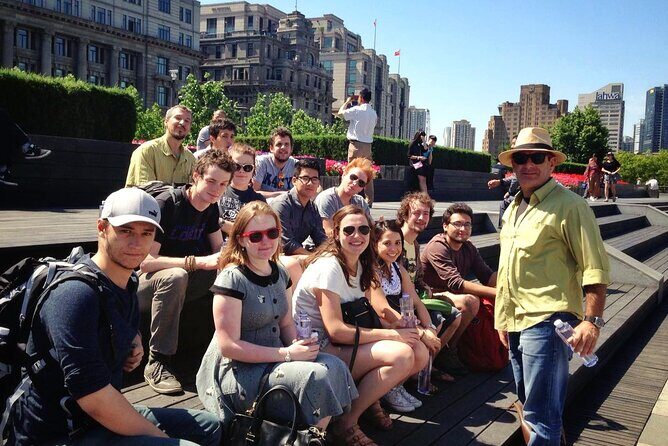
The tour runs about 4 hours and returns back to the meeting point. It’s designed as a half-day block, so you can keep the rest of your day for markets, skyline views, or other neighborhoods.
A few practical points help you enjoy it more:
- Transportation is provided in an air-conditioned vehicle, so you’re not doing all transfers on foot.
- It’s described as a walking tour, but you should expect periodic breaks. One reviewer specifically noted that the guide arranged for sitting at intervals, which is a good clue that comfort is considered, not ignored.
- Group size is capped at 22. If you like conversations and questions, this is the type of tour where a smaller group can make a real difference.
Start time is 9:30 am, and the tour operates in both the morning and afternoon. Because daylight constraints can affect how the route plays out, you’ll usually be happier choosing the morning slot.
Also, no hotel pickup or drop-off is included. You’ll meet at the Bund area at the Peace Hotel / Nanjing Road (E). The meeting point is part of the experience, so I’d plan to arrive a few minutes early rather than cutting it close.
Price and value: what $96 buys you in Shanghai terms
At $96 per person for about four hours, you’re paying for three things that add real value in a place like Shanghai: an expert guide, local transportation, and museum entry.
The museum ticket at the Shanghai Jewish Refugees Museum is included. That alone helps justify the cost because it’s the kind of stop where a guide makes the information usable. Add the guided street-level components—back lanes, a former refugee home, and the park memorial—and the price starts to look like you’re buying context, not just access.
Could you do parts of this on your own? Sure. But you’d need to piece together the waves of immigration, the WWII refugee story, and how Baghdadi Jewish presence fits into the larger city narrative. This tour does the stitching for you.
If your goal is to see Jewish Shanghai in a way that feels coherent, this is a good use of time. If your goal is just a quick museum visit with minimal walking, you might feel this is more structured than you need.
Who this tour is best for (and who should consider another plan)
This tour is a strong fit if you:
- Want a guided explanation of Jewish immigration waves to Shanghai, not just a single WWII site
- Like history that connects to specific streets and buildings
- Prefer a small-to-medium group format where you can hear the guide
It’s also a great choice if you’re the kind of traveler who enjoys “Shanghai as a crossroads” stories—how different communities formed within the city’s changing economy and port life.
If you don’t enjoy historical interpretation—if you want more free time to wander without prompts—then you may find the tour’s focus too concentrated. Also, since food and drinks aren’t included, you’ll want to plan a meal after. (A good rule: treat this like an active morning with history as the main attraction.)
Should you book this Jewish Shanghai half-day tour?
I’d book it if you want an expert-led path through Hongkou that makes the WWII story intelligible and places it inside the wider Shanghai context. The stop at the Ohel Moshe Synagogue museum, plus Huoshan Park’s memorials and the back-lane neighborhood walk, give you multiple ways to understand the same story—indoors, outdoors, and on the streets.
I’d think twice only if you know you dislike structured history tours or you’re hoping for lots of casual sightseeing with minimal concentration.
If you’re already in Shanghai and you care about understanding how people survived, relocated, and built community under extreme pressure, this is one of the best ways to spend half a day.
FAQ
What is the duration of the tour?
It runs about 4 hours.
What time does the tour start?
The start time listed is 9:30 am.
Where do I meet the guide?
You meet at the Peace Hotel area on Shanghai’s Bund, associated with the Cathay Hotel and linked to Sir Victor Sassoon. The meeting point also references Nanjing Road (E).
Is the Shanghai Jewish Refugees Museum ticket included?
Yes. The museum stop includes admission.
Are there food and drinks included?
No. Food and drinks are not included.
Do I need hotel pickup?
No. Hotel pickup and drop-off are not included. The tour meets at the Bund location and ends back at the meeting point.
Is it a walking tour?
You should expect walking as part of visiting the Hongkou area and sites. One review noted periodic sitting time, so breaks are likely during the tour.
How many people are in the group?
The tour has a maximum of 22 travelers.
Does it run in bad weather?
Yes. It operates in all weather conditions, so dress accordingly.
What is the cancellation policy?
Free cancellation is available up to 24 hours before the experience’s start time for a full refund.