REVIEW · SHANGHAI
Shanghai: Hands-on Incense Tablet Making Class
Book on GetYourGuide →Operated by EtoJourney · Bookable on GetYourGuide
Scent turns into something you can hold. In this Shanghai class, I love how incense culture meets hands-on making, from a short intro to the final tablet you can carry or hang. You’ll work with natural bases, carved molds, and personalization so the end result feels personal, not mass-made.
What I really liked were two things: the hands-on shaping (kneading, pressing, and refining details) is genuinely calming, and the result is a real keepsake—dried, gift-boxed, and designed to emit a subtle aroma for years. You also get tea tasting and experience photos, which makes the whole session feel complete, not just a quick craft stop.
The one consideration: there’s no hotel pick-up or drop-off. You’ll meet at the yellow historic villa, and the exact meeting details arrive via WhatsApp after booking, so plan your timing around that.
In This Review
- Key Points at a Glance
- Why an Incense Tablet Workshop in Shanghai Works So Well
- Meeting at the Yellow Historic Villa and Getting Into the Room
- Two Thousand Years of Incense: Ritual, Medicine, and Daily Life
- Mixing Natural Ingredients and Plant Oils for the Scent Base
- Pressing Symbols Into Clay Molds and Making It Yours
- The Calm, Guided Crafting Process (Including Those Small Teaching Moments)
- Take-Home Souvenirs: Gift Box, Photos, and a Tablet That Lasts
- Using Your Incense Tablet After the Class (Ideas That Fit Real Life)
- Instructor Languages and Private-Group Benefit
- Price and Value: Is $78 Worth 1.5 Hours?
- Who Should Book This Class (And Who Might Prefer Something Else)
- Quick Practical Tips for a Smooth Workshop
- Should You Book This Hands-On Incense Tablet Making Class?
- FAQ
- Where is the meeting point?
- How long is the incense tablet making class?
- How much does it cost?
- Is hotel pick-up or drop-off included?
- What’s included in the price?
- Are experience photos included?
- What languages are offered for the instructor?
- Is the class wheelchair accessible?
- Is this a private group?
- Can I cancel and get a refund?
Key Points at a Glance
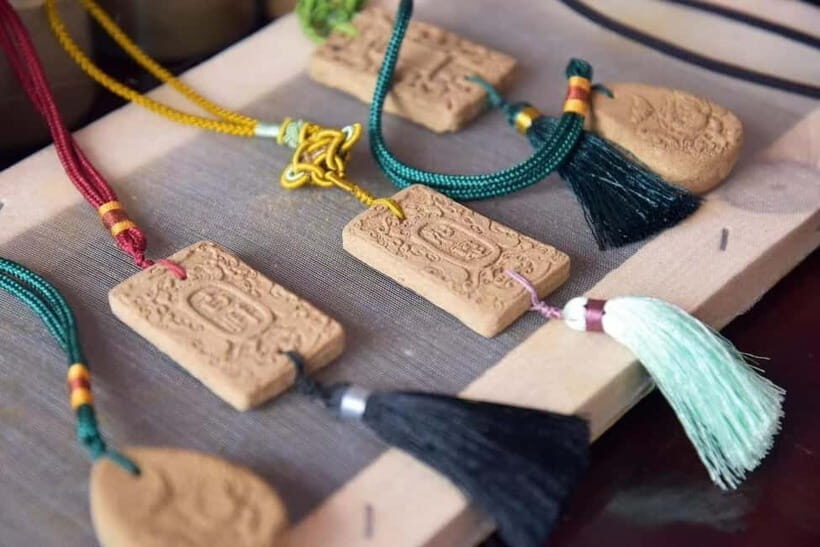
- 2,000-year incense context before you start making, with examples like sandalwood, musk, and amber
- Natural, eco-friendly materials described as free from synthetic additives
- Carved molds with meaningful symbols such as bats for luck, lotus for purity, and zodiac animals
- Personalization options like decorative cords or beads
- Take-home gift box plus photos, so your souvenir feels polished
- 1.5-hour private-group format with an instructor who speaks multiple languages
Why an Incense Tablet Workshop in Shanghai Works So Well
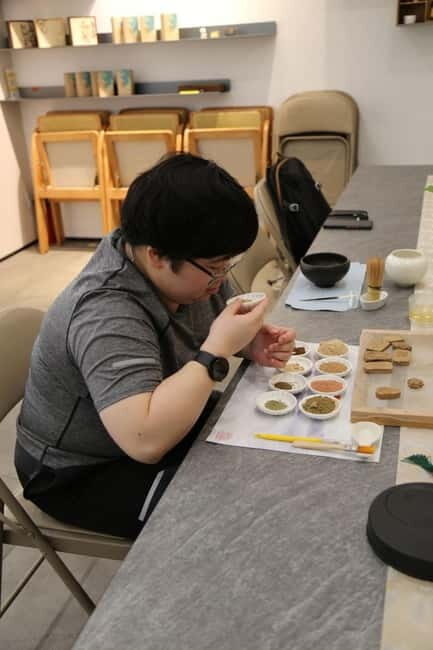
Shanghai can feel like a city built for speed: lots to see, lots to do, lots of people. This class slows the pace on purpose. In about 1.5 hours, you’re trading screens and schedules for a small, focused craft where smell, texture, and design do the talking.
The best part is that incense here isn’t presented as a trendy scent. It’s framed as a culture that’s been around for roughly 2,000 years, used for rituals, medicine, and everyday life. That context matters because it helps you understand what you’re making, not just how to make it.
You’ll learn a few key ideas first—how different fragrance materials historically mattered, and why incense tablets were more than decoration. Then you jump into the making, using traditional ratios and eco-friendlier materials so the workshop feels grounded, not gimmicky.
A few more Shanghai tours and experiences worth a look

Meeting at the Yellow Historic Villa and Getting Into the Room
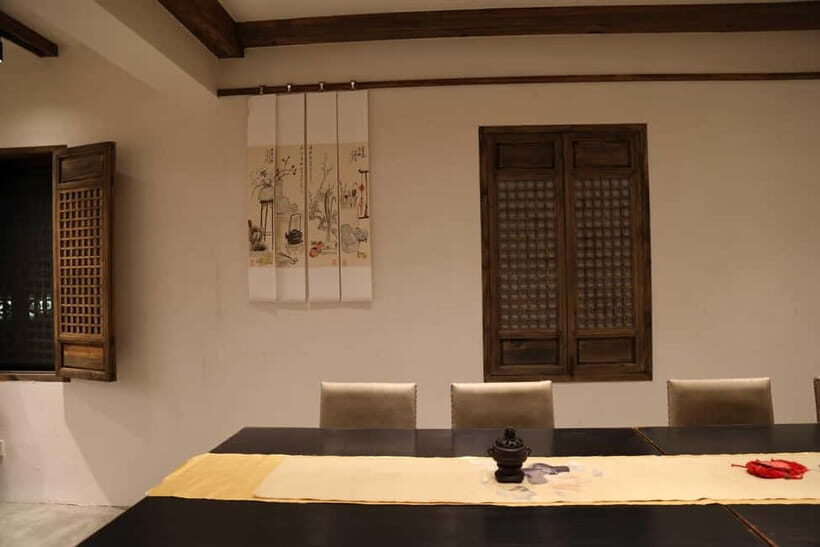
Your meeting point is simple: the yellow historic villa. After you book, the address and meeting details are sent to you via WhatsApp, and support is available on WhatsApp for quick questions.
There’s also a practical perk: you skip the line through a separate entrance. That’s useful in a city where waiting can eat up the time you’d rather spend crafting.
This is a private group format. That means you’re not squeezed into a crowded room, and your instructor can guide you through the pressure and shaping steps. It also helps beginners feel comfortable, because you’re less likely to feel rushed or ignored.
Two Thousand Years of Incense: Ritual, Medicine, and Daily Life
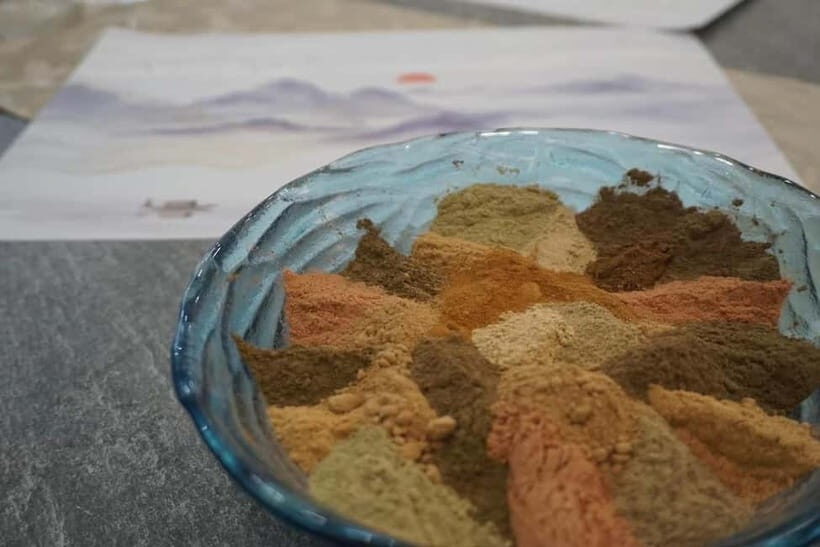
Before hands get messy, you start with a cultural introduction to China’s incense tradition. You’ll hear how fragrances such as sandalwood, musk, and amber were historically used in rituals, in medicine, and in daily life.
That framing changes the way you think about the tablet you’re about to make. Incense isn’t treated like a single-purpose product. Instead, you understand it as part of how people marked important moments, supported health practices, and even created atmosphere at home.
If you’re coming for aromatherapy or wellness interest, this section gives you a cultural baseline for why scent and calming routines were historically linked. And if you’re coming mainly for craft, it still gives meaning to the symbols you’ll press into the clay later.
Mixing Natural Ingredients and Plant Oils for the Scent Base
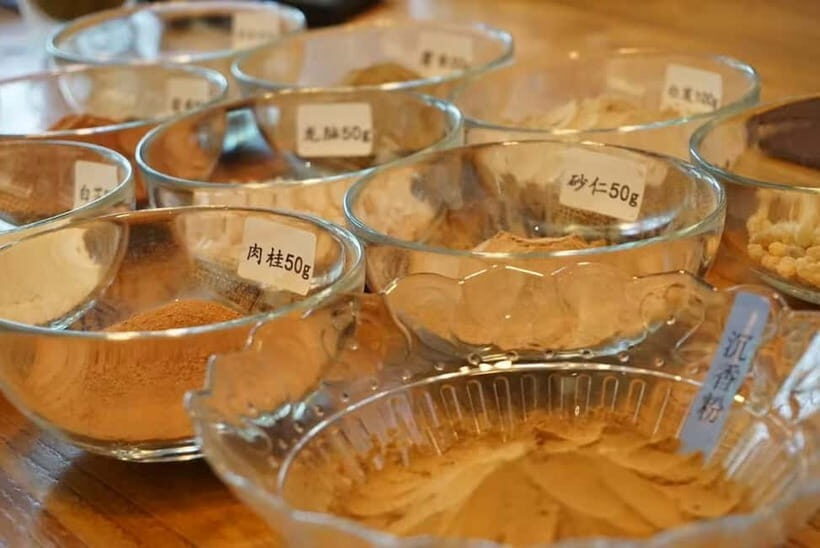
Once the intro sets the stage, you get into the practical part. Material preparation includes mixing natural ingredients with plant-based essential oils, using traditional ratios.
This is where the experience feels thoughtfully made for all skill levels. You’re not expected to be an artist. You’re guided through steps like preparing the mixture, kneading it to a smooth texture, and understanding how the scent base should feel and work.
You also get an eco-conscious promise: the materials are described as eco-friendly and free from synthetic additives. Even if you don’t get into the chemistry, you’ll feel the workshop’s emphasis on using cleaner inputs.
Tea tasting is included too, which gives you a small reset during the session and makes the time feel like an actual cultural workshop, not just a production line.
Pressing Symbols Into Clay Molds and Making It Yours
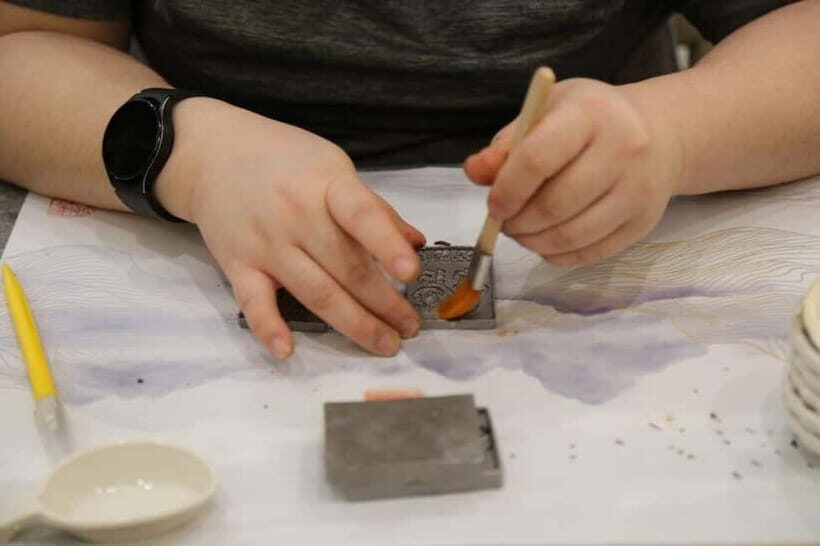
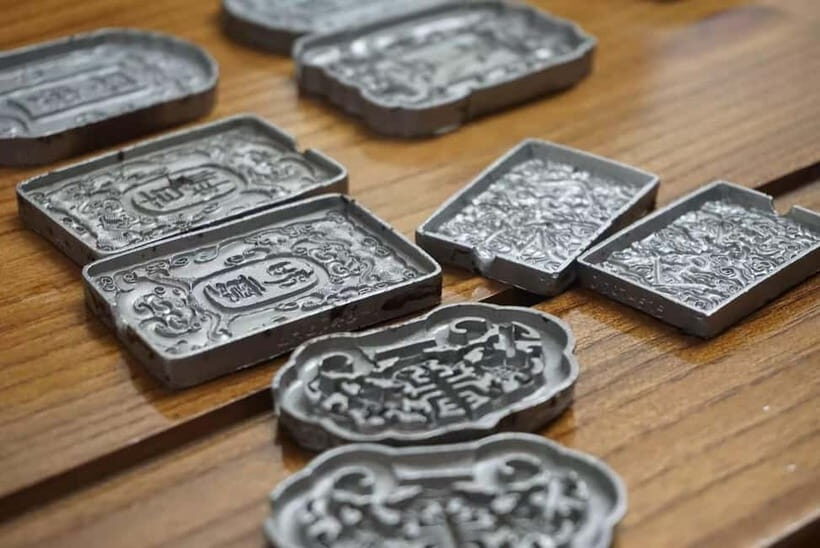
Now the fun part: shaping the tablet. You knead fragrant clay into a smooth texture, then press it into intricately carved molds. The mold designs include symbols with meaning, such as:
- Bats for luck
- Lotus flowers for purity
- Zodiac animals for a personalized, playful touch
After the pressing step, you refine the edges for a polished finish. That’s not just for aesthetics. Cleaner edges help your tablet look crisp once it dries, and they make the final piece feel more like something you’d proudly display.
Then you customize. You can choose from different molds and add decorative cords or beads. This is the moment where the tablet stops being a class project and starts feeling like your own object with your own symbolism.
One detail I’d pay attention to: mold pressure. You’ll be guided on technique, so you don’t end up with half-imprinted symbols or rough surfaces.





The Calm, Guided Crafting Process (Including Those Small Teaching Moments)
This class is designed to be decompressing. The pacing is hands-on, and you spend time doing repeatable actions: knead, press, refine, personalize. That repetition helps you tune out the outside noise.
The teaching approach matters here. In the feedback you can see a pattern: instructors remind participants about small details and are patient with technique, including hand-for-hand guidance on mold pressing.
The environment also plays a role. The room is described as clean, bright, and organized, with tools and materials kept orderly. That means you’re not hunting for supplies mid-craft, and you can focus on the work in front of you.
Take-Home Souvenirs: Gift Box, Photos, and a Tablet That Lasts
When your tablet dries, it’s meant to emit a subtle, calming aroma for years. That’s a big selling point because incense gifts are often more decorative than usable. Here, you’re making something you can continue interacting with over time.
You’ll get it in an elegant gift box, which is perfect if you’re bringing the tablet home as a present. It also helps protect the piece.
You’ll also take home experience photos. That turns the craft into a memory you can keep, not just a finished object you pack away and forget to show your friends.
If you’re into practical keepsakes, this checkboxes well: the tablet can be used as a car pendant, a wardrobe sachet, or a decorative charm. I like that it’s not limited to one use case, because you can pick the option that fits your space.
One participant even said their incense tablet helped with sleep. I’d treat that as personal experience rather than a medical claim, but it’s still a good sign that the calming goal is part of the intent.
Using Your Incense Tablet After the Class (Ideas That Fit Real Life)
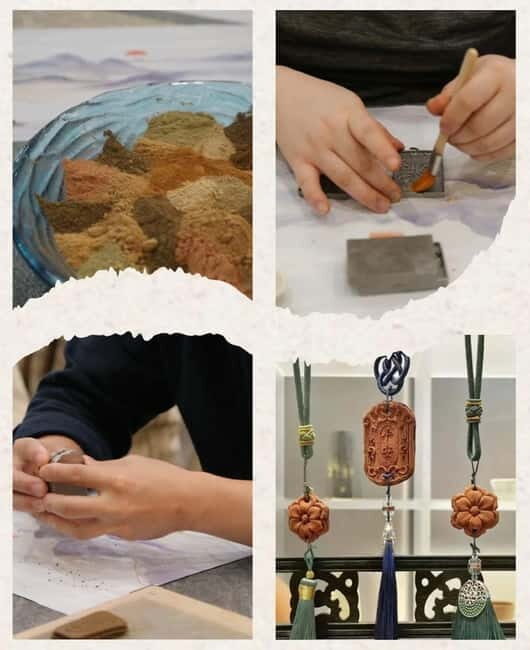
Once it’s ready, think about how you want the scent to show up in your day. A car pendant makes sense if you want subtle fragrance while you’re commuting. A wardrobe sachet works if you want a gentle aroma in enclosed spaces.
If you’re unsure, start with decoration plus occasional use. The description emphasizes a subtle calming aroma, so you can place it where it won’t overpower your room.
I also like the idea of a bag charm. It turns the tablet into something you see daily, which is exactly what makes a souvenir feel worth the money. It’s not just a photo artifact; it becomes part of your routine.
Instructor Languages and Private-Group Benefit
The instructor can teach in English, Chinese, Korean, and Japanese. That’s a big deal in a hands-on class because meaning matters when you’re learning shaping technique and symbolic design choices.
A private-group format also changes the feel. Instead of adapting to group pace, you can follow along at the speed that works for you. Beginners get more reassurance. People with art interest can focus more on details like edge finishing and design choices.
And since you’re working with carved molds and decorative elements, clear guidance prevents the most common frustration: uneven impressions or messy edges.
Price and Value: Is $78 Worth 1.5 Hours?
Let’s talk value without sugarcoating it. The class costs $78 per person and runs 1.5 hours. That’s not cheap, but it’s also not a quick photo stop.
Here’s what you’re paying for, based on what’s included:
- all materials for the incense tablet
- tea tasting
- souvenir packaging (gift box)
- experience photos
- an instructor-led, guided shaping session
- a private-group setup
- WhatsApp customer service
You’re not paying for pickup or drop-off. Tipping isn’t included either. So you’ll want to plan your own way to the yellow historic villa and account for a small extra out-of-pocket cost if you tip.
When it feels worth it: if you want a high-quality take-home craft that’s scented and usable, plus cultural context. If you just want a general tour of Shanghai, this won’t compete. But if you want an authentic cultural activity you can hold in your hands, the price starts to make sense quickly.
Who Should Book This Class (And Who Might Prefer Something Else)
This is a good fit if:
- you like crafts but don’t want to be surrounded by strangers in a noisy group
- you want a hands-on cultural activity, not only museum-style information
- you’re interested in incense culture and traditional symbolism
- you’re wellness-minded and curious about calming scent routines
- you’re traveling with family or a team and want an activity where everyone can participate
It might not be the best fit if:
- you strongly prefer guided sightseeing and walking routes over quiet, seated making
- you need hotel pick-up to function smoothly
- you expect a long, deep lecture rather than a balanced mix of intro + making
Quick Practical Tips for a Smooth Workshop
A few tips can keep this class from feeling like logistics.
First, watch your WhatsApp after booking. The meeting details and address come through there, and that’s how you’ll locate the yellow historic villa without guesswork.
Second, give yourself a little buffer time. Even with a separate entrance to skip the line, arriving early helps you settle and start calmly.
Third, wear something comfortable for handling fragrant clay. You’ll be kneading and pressing, so you’ll want clothes that can handle a bit of mess and smell.
Finally, decide what you want your tablet to become before the personalization step ends. Choosing the mold symbol and decorative cords or beads is where you can make it feel like your own souvenir, not a generic one.
Should You Book This Hands-On Incense Tablet Making Class?
I’d book it if you want a real Shanghai memory that goes beyond photos. The combination is strong: a short, meaningful explanation of incense culture plus a guided craft you finish with something you can keep and use. The take-home gift box and experience photos make the experience feel properly packaged.
You should skip it if you’re hunting for classic sightseeing highlights or you’re not interested in scent-based crafts. Also, if you rely on hotel logistics for everything, remember there’s no pick-up or drop-off.
My “yes” logic is simple: you get a guided, symbolic, hands-on craft in a private setting, using natural eco-friendly materials and ending with a usable scented keepsake. In a city full of things to buy, this one is different. You make it, you personalize it, and you keep it.
FAQ
Where is the meeting point?
You meet at the yellow historic villa. The address and meeting details are sent via WhatsApp after your booking is confirmed.
How long is the incense tablet making class?
The experience lasts about 1.5 hours.
How much does it cost?
The price is $78 per person.
Is hotel pick-up or drop-off included?
No. Pick up or drop off service from your hotel is not included.
What’s included in the price?
Included items are WhatsApp customer service, all materials, tea tasting, souvenir packaging, and experience photos.
Are experience photos included?
Yes. You’ll take home experience photos.
What languages are offered for the instructor?
The class is offered with an instructor who speaks English, Chinese, Korean, and Japanese.
Is the class wheelchair accessible?
Yes, the experience is wheelchair accessible.
Is this a private group?
Yes, the group type is listed as a private group.
Can I cancel and get a refund?
You can cancel up to 24 hours in advance for a full refund.