REVIEW · SHANGHAI
Shanghai: Jing’an Temple, Yu Garden, and Bazaar Private Tour
Book on GetYourGuide →Operated by Chillax Tour · Bookable on GetYourGuide
Shanghai can feel huge fast, so you need a good reset. This half-day plan threads Jing’an Temple serenity into the modern grid, then shifts to Yu Garden and the surrounding bazaar for real street-level Shanghai energy. It’s a simple route that helps you see a lot without turning the day into a sprint.
Two things I’d absolutely put near the top: the chance to slow down at Jing’an Temple, and the way a live guide makes the stops feel legible instead of confusing. You’ll get guided time inside the temples and gardens, plus time to wander the nearby market area on your own.
One consideration: this isn’t built for slow, low-step sightseeing. You’ll be doing walking and you should plan for crowds once you reach the bazaar area.
In This Review
- Key highlights you’ll feel right away
- A smart half-day plan: calm temple, classic garden, then market life
- Price and logistics: what $16 buys you (and what it doesn’t)
- Pick your starting point: three ways to begin without wasting time
- Jing’an Temple: golden details and a real mental pause
- A tip for getting the most peace
- Yu Garden: rockeries, winding paths, and the kind of quiet you can photograph
- Where you’ll feel it most
- The bazaar around Yu Garden: snacks, browsing, and practical bargaining energy
- Snack strategy that keeps it fun
- City God Temple of Shanghai: a useful add-on if you like atmosphere
- Your guide matters: why Paz is a standout part of this experience
- How long is it, and how does the pacing feel?
- What to bring (and what to wear) for an easier day
- Who this tour is best for
- Who should rethink it
- Should you book this Jing’an Temple, Yu Garden, and Bazaar private tour?
- FAQ
- What does this tour include?
- How long is the tour?
- How much does it cost?
- What languages are the live guides available in?
- Are meals included?
- Is transportation included?
- Are hotel pick-up and drop-off included?
- Where do I meet the tour?
- Is the tour suitable for mobility impairments?
- What should I bring and what’s not allowed?
- What are the cancellation rules?
Key highlights you’ll feel right away

- Jing’an Temple calm in the middle of the city, with time to take it all in
- Yu Garden’s classic design: pavilions, rockeries, winding paths, and ponds
- Bazaar browsing time for snacks and small handicrafts around Yu Garden
- Photo-stop pacing so you’re not just walking through
- A great multilingual guide experience in English, Italian, Spanish, and French
A smart half-day plan: calm temple, classic garden, then market life
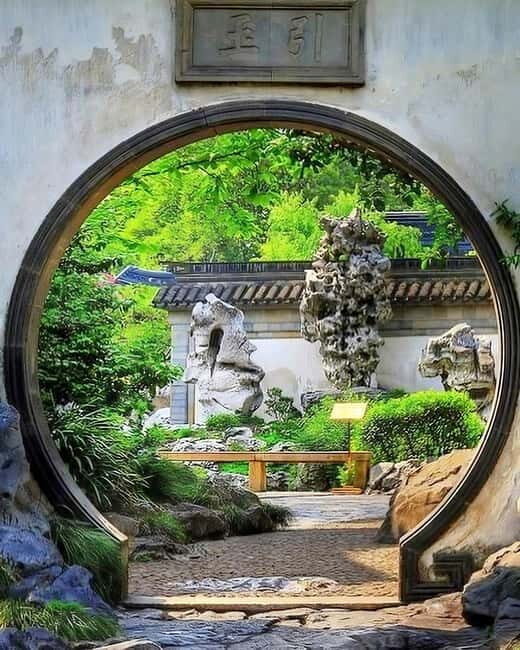
This tour works because it matches Shanghai’s “two speeds.” First you get quiet—Jing’an Temple gives you that still feeling even though you’re in the city center. Then you switch gears to Yu Garden, where the experience is more visual and scenic, and finally to the area around the garden where people actually eat, shop, and chat.
You’ll also like the length. At 3.5 hours, it’s long enough to feel like a real outing, but short enough that you can still explore other neighborhoods afterward on your own. For first-time visitors, it’s a clean introduction: temple etiquette and details, garden layout, then everyday street food and shopping.
Other private city tours we've reviewed in Shanghai



Price and logistics: what $16 buys you (and what it doesn’t)
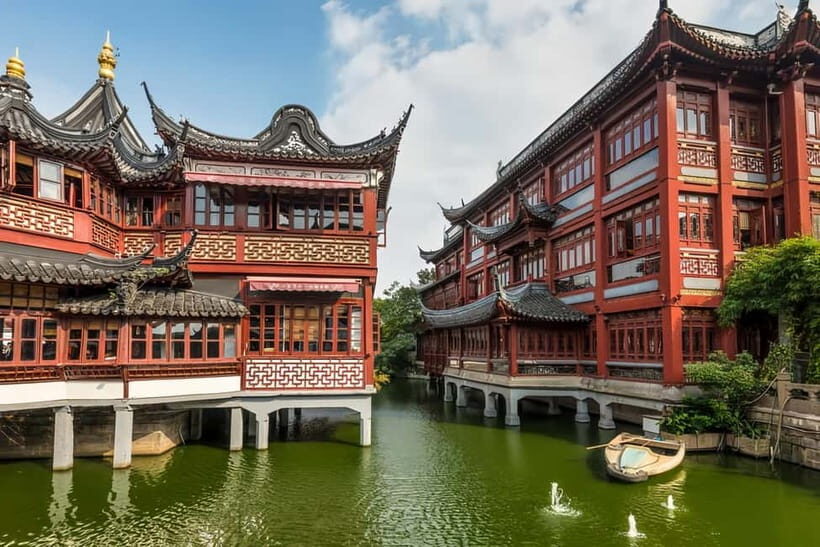
At about $16 per person for a 3.5-hour guided visit to Jing’an Temple, Yu Garden, and the nearby bazaar area, the value is mainly in the guidance. You’re paying for a live guide in English, Italian, Spanish, or French, plus structured time at key sights.
What’s not included is also important. Meals aren’t included, and transportation and hotel pick-up/drop-off aren’t included, so you’ll need your own way to get to the meeting point. That said, the tour’s format is still traveler-friendly because there are three starting options, including one right at a metro stop.
Bottom line: if you want help making sense of what you’re seeing, this price feels fair. If you’d rather wander with no structure at all, you might find you can do it cheaper on your own—but you’d also miss the “what to look for” layer.
Pick your starting point: three ways to begin without wasting time

The meeting point can vary depending on your option, and you can choose among:
- Jing’an Temple
- Jing’an Temple metro station (Lines 2/7)
- Yu Garden
This matters more than it sounds. If you’re already in the city center and want to minimize travel time, starting at the temple or the metro makes the schedule easier. If you’re closer to Yu Garden already, beginning there can save you from crossing town twice.
You’ll also want to think about comfort. Starting at a metro station can be handy, but it also means you should be ready to move quickly to stay on the tour timing. Comfortable shoes help, because you’ll be walking through temple and garden areas and then around the bazaar.
Jing’an Temple: golden details and a real mental pause

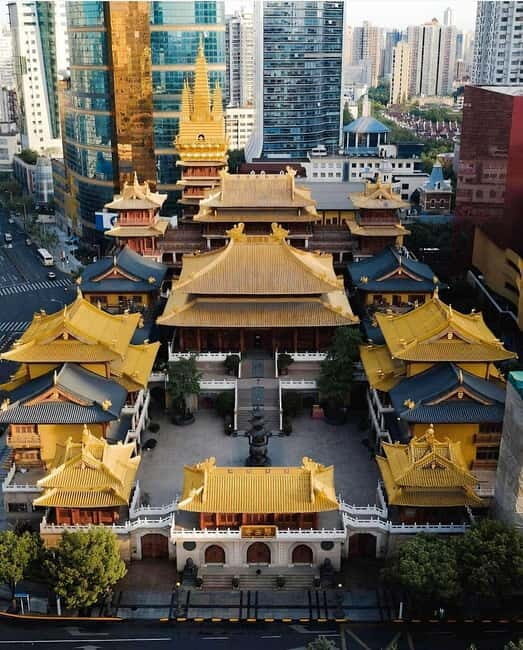
Jing’an Temple is famous for a reason: it’s a spiritual space you can actually feel, even when you step out and realize you’re surrounded by city traffic. The standout here is the golden architecture and its intricate details. You’ll get time with a guided tour and photo-stop moments, so you’re not just drifting past.
The biggest payoff isn’t only the visuals. It’s the reset. In a city that never really stops, you get a pocket of calm right in the core. The tour pacing supports that: you don’t spend hours in a line, and you have guided context that helps you notice what matters.
A tip for getting the most peace
If you can, schedule your temple time when you expect it to feel quieter. One review specifically recommends going in the morning for a calmer experience. Even if your day doesn’t cooperate, you can still treat the temple segment like a quiet block: slow down, look up, and take photos with intention rather than speed.
Other Yu Garden and Old City tours we've reviewed in Shanghai
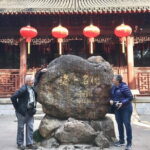



Yu Garden: rockeries, winding paths, and the kind of quiet you can photograph
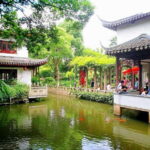
After the first stop, you’ll head toward Yu Garden and get another guided segment with time for sightseeing and photos. Yu Garden is known for classical Chinese layout—elegant pavilions, winding paths, and serene ponds that guide you through the space.
What I like about this stop is how it balances structure and wandering. You follow the guide’s route long enough to understand the design logic, then you still have time to move at your own pace. That’s the sweet spot for gardens: guided orientation, then freedom to linger where the views are best.
Where you’ll feel it most
You’ll likely notice the craftsmanship in the details: the way rockeries frame viewpoints, how pathways pull your attention forward, and how greenery provides that softer, cooler feeling compared with the streets. The whole place is designed so you can slow your breathing and stop checking your phone every ten seconds.
The bazaar around Yu Garden: snacks, browsing, and practical bargaining energy
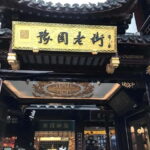
The tour then shifts into the area surrounding the garden, where you’ll explore the bazaar. This is where you get a more everyday Shanghai snapshot—shopping, snack stops, and the general motion of people living their day.
What’s included here is the guided exploration of the surrounding bazaar area, with time for you to sample local snacks and look for small keepsakes. You’ll also want to bring the right mindset. The bazaar is lively and crowded at times, so it helps to expect noise and crowds instead of trying to force a quiet stroll.
Snack strategy that keeps it fun
Because meals aren’t included, snacks can be your flexible solution. I’d pick a couple of bites rather than trying to eat a full meal on the spot. That way you can sample what you’re curious about, then keep moving without feeling stuffed or stuck.
Also, keep your camera ready, but don’t let photos replace the tasting. This market segment is one of those rare tourist moments where the best souvenir might be a small paper bag of food you actually enjoyed.
City God Temple of Shanghai: a useful add-on if you like atmosphere

One more stop you’ll get on this route is the City God Temple of Shanghai. It’s guided sightseeing plus a walking segment, and it fits naturally between the garden and the bazaar energy.
Think of it as an extra layer to your Shanghai day: you already saw a major Buddhist temple and a classical garden, and now you get another cultural stop that adds depth to the “religion and ritual in daily life” theme. It also gives you more rhythm, so you’re not moving from garden scenery straight into only shopping chaos.
Your guide matters: why Paz is a standout part of this experience
The strongest theme in the feedback is the guide quality, and the name Paz came up again and again. The praise wasn’t just about language—it was about how safe and easy the tour felt from the first moment.
One Spanish-speaking review highlighted that Paz was warm, educated, and genuinely pleasant to walk with while learning. Another point that stands out: Paz didn’t stop at tour explanations. She also shared practical guidance on transport and meals, and even helped with exchanging money into local currency. That kind of extra help can save you time and stress—especially if you’re new to the metro and you don’t yet know how to plan meals around opening hours.
So if you’re choosing this tour partly for clarity and partly for confidence, lean into it. A good guide turns “I’m in Shanghai” into “I know what I’m seeing and how to handle the next step.”
How long is it, and how does the pacing feel?
The tour runs 3.5 hours. It’s designed as a sequence:
- photo stop + guided sightseeing early on (around 50 minutes),
- then a metro segment (about 30 minutes),
- then Yu Garden (about 50 minutes),
- and finally City God Temple of Shanghai with walking and guided sightseeing (about 50 minutes).
That timing is a big part of why it works. You’re not stuck at one place too long, and you’re not rushed through the key highlights either. The metro portion also means you’re not just walking everywhere, which helps when you want your feet to survive the day.
What to bring (and what to wear) for an easier day
For a smoother visit, plan like this:
- Wear comfortable shoes for walking (important for garden paths and bazaar crowding)
- Bring a camera for photos
- Bring a charged smartphone
- Bring your passport
There are also restrictions: weapons or sharp objects aren’t allowed, and alcohol and drugs and explosive substances aren’t allowed either. That’s typical for many guided cultural visits, but it’s worth noting so you don’t get surprised at check points.
Who this tour is best for
This tour is a strong fit for:
- First-time visitors who want a guided introduction to Shanghai’s major cultural stops
- People who prefer private or small groups, where the experience feels more personal
- Travelers who value a guide who helps with more than just “where to stand”
It’s also a good match if you like the mix of quiet + movement: temple calm, garden beauty, then market life.
Who should rethink it
It’s not suitable for people with mobility impairments. If that’s your situation, it’s better to look for an option with less walking and more step-free access.
Should you book this Jing’an Temple, Yu Garden, and Bazaar private tour?
I’d book it if you want a structured, time-efficient day that still feels human. You’re getting guided visits to Jing’an Temple and Yu Garden, plus an exploration of the surrounding bazaar where you can snack and browse. And the guide experience—especially with Paz—sounds like the secret ingredient: not just translation, but practical help and confidence in a complex city.
I wouldn’t book it if you dislike crowds or you’re looking for a fully independent do-it-yourself day with zero walking. This route includes both serene areas and crowded bazaar energy, so your comfort with that mix matters.
If you’re aiming for value, clarity, and a memorable first taste of Shanghai beyond big-city landmarks, this one makes sense.
FAQ
What does this tour include?
It includes visits to Jing’an Temple, Yu Garden, and exploration of the surrounding bazaar area.
How long is the tour?
The duration is 3.5 hours.
How much does it cost?
The price is listed as $16 per person.
What languages are the live guides available in?
The live guide is available in English, Italian, Spanish, and French.
Are meals included?
No, meals are not included.
Is transportation included?
No, transportation is not included.
Are hotel pick-up and drop-off included?
No, pick-up and drop-off at the hotel are not included.
Where do I meet the tour?
The meeting point may vary depending on the option booked, with starting options at Jing’an Temple, Jing’an Temple metro station (Lines 2/7), or Yu Garden.
Is the tour suitable for mobility impairments?
No, it is not suitable for people with mobility impairments.
What should I bring and what’s not allowed?
You should bring your passport and a charged smartphone. Weapons or sharp objects, alcohol and drugs, and explosive substances are not allowed.
What are the cancellation rules?
It offers free cancellation up to 24 hours in advance for a full refund.