REVIEW · SHANGHAI
Half-Day Private Tour of Shanghai Jewish Sites
Book on Viator →Operated by Gray Line Shanghai · Bookable on Viator
A story can change a neighborhood. This half-day private tour traces Shanghai’s Jewish refugee era, starting in Hongkou and stopping at places like Ohel Moishe Synagogue and the Museum for Jewish Refugees. I especially like the clear focus on key sites, and I like that you get a real English-speaking guide to connect the dots instead of just collecting photos. One thing to keep in mind: it’s about 3.5 hours, so you’ll want to be comfortable walking and standing at several stops.
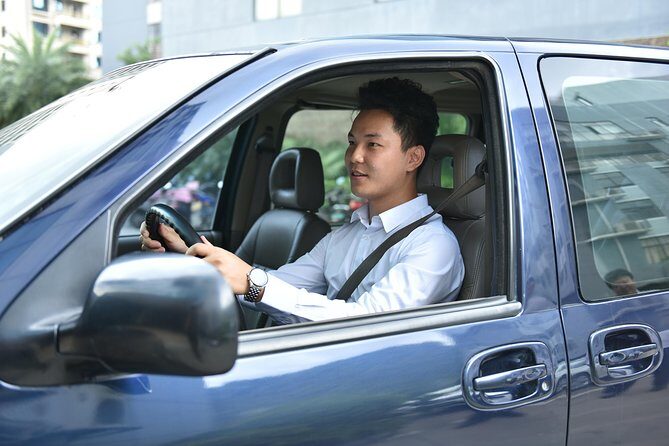
The ride is part of the experience. You’re picked up from hotels within Shanghai’s Middle Ring Freeway, then moved around in an air-conditioned vehicle—an easy setup that helps you actually enjoy the sightseeing window. A practical bonus: it’s private, so you won’t be stuck matching your pace to a big group.
My one caution is simple. This tour is history-focused, not a shopping crawl. If you’re looking for long cultural performances or lots of free time, you’ll probably prefer a different kind of Shanghai tour.
In This Review
- Key Things I’d Pay Attention To
- Hongkou’s Jewish Refugee Story Still Feels Present
- Ohel Moishe Synagogue and the Museum for Jewish Refugees
- Huoshan Park’s Monument: A Place for Names and Memory
- Fairmont Peace Hotel and Moller Villa: Why the Architecture Stops Matter
- How the Private 3.5-Hour Format Keeps You From Feeling Rushed
- Price and Value: Is $96 a Good Deal for This Route?
- Who This Tour Fits Best (And Who Might Feel Underwhelmed)
- Should You Book the Half-Day Private Tour of Shanghai Jewish Sites?
- FAQ
- How long is the Half-Day Private Tour of Shanghai Jewish Sites?
- Is this tour private?
- What’s included in the price?
- Which sites will we visit?
- Do I need passport details when booking?
- Is the tour suitable for children?
- What’s the cancellation policy?
Key Things I’d Pay Attention To
- Private pacing with only your group, so your questions don’t get rushed
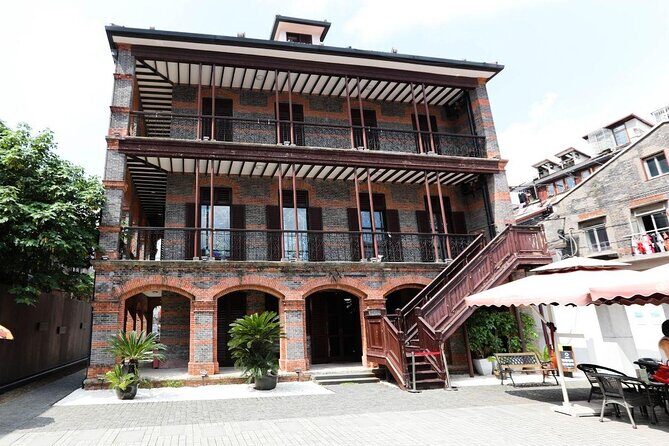
- Ohel Moishe Synagogue as the spiritual heart of the community, now home to the Museum for Jewish Refugees
- Huoshan Park’s Monument in Memory of Jewish Refugees, for a quieter, reflective stop
- European-style architecture side trips at the Fairmont Peace Hotel and Moller Villa
- Pickup from Middle Ring Freeway hotels plus air-conditioned transport to keep the day easy
- Mobile ticket included, so you’re not hunting for paperwork
Hongkou’s Jewish Refugee Story Still Feels Present
Shanghai’s Jewish chapter is easy to miss if you only focus on the skyline. This tour steers you into Hongkou District, where tens of thousands of European Jews fled in the early years of World War II and many settled. They even developed a local nickname for themselves: Shanghailanders. That detail matters, because it shows this wasn’t just a temporary stop—it became a real community life in a specific neighborhood.
I like how the tour treats the story as more than dates. You’re guided through spaces tied to worship, remembrance, and daily existence, then you follow the threads to architecture that reflects outside influences. That mix is part of the value: it helps you understand how people adapted in a city that was already changing fast.
Also, you get a structured route in a short time. Hongkou isn’t huge, but without guidance you can end up bouncing between spots without the connective tissue. With an English-speaking guide, you’ll get the “why here” for each stop.
Other private city tours we've reviewed in Shanghai

Ohel Moishe Synagogue and the Museum for Jewish Refugees
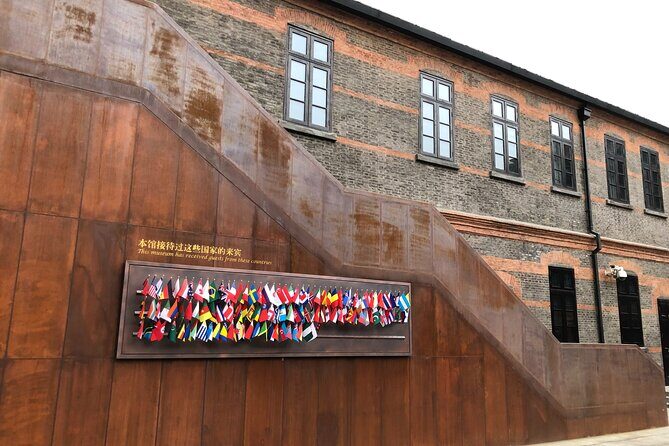
This is the anchor stop. Ohel Moishe Synagogue served as the spiritual heart of the Jewish community in Shanghai, and today it houses the Museum for Jewish Refugees. For many visitors, museums become easiest to enjoy when you know what role the building played. That’s exactly what this tour sets up.
What you can expect here is a place where history and structure overlap. You’re not only looking at exhibits; you’re standing inside a location that once mattered for worship and community identity. That sense of continuity tends to land better than a standard “see-this-building” photo stop.
A small but important detail: at least one past visitor highlighted that they were genuinely happy to spend more time in the Jewish Museum. That’s a good sign for pacing. It suggests your guide may be willing to help you focus—whether you want to read more slowly at certain displays or move through faster if you prefer the highlights.
Practical tip: bring an open schedule for this museum moment. Even if the full tour is only about 3 hours 30 minutes, the museum stop is where your attention will do the most work.
Huoshan Park’s Monument: A Place for Names and Memory
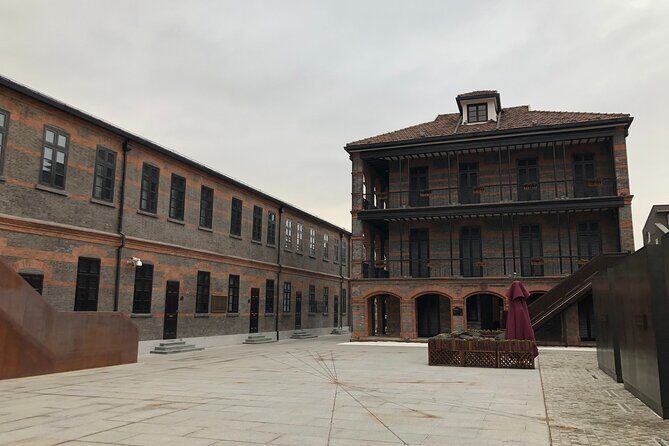
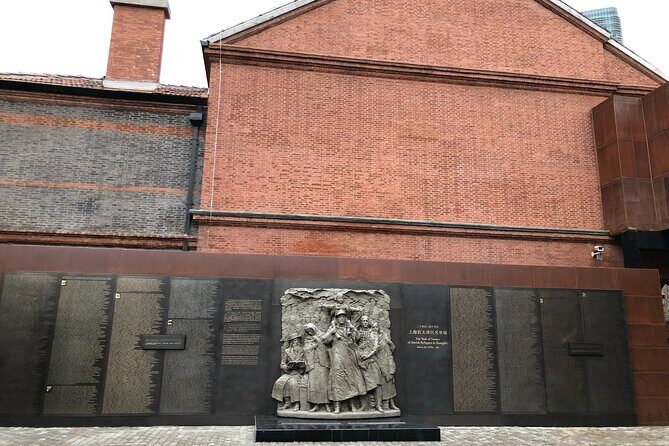
After the museum, the tour shifts tone. Huoshan Park is described as a peaceful place, and that’s exactly what you want after an intense historical setting. Here you’ll find the Monument in Memory of Jewish Refugees.
This stop works because it gives your brain a breather. You’re no longer inside the “story explained” space. You’re outside, taking in the idea of remembrance in the open air. Monuments like this tend to hit differently when you’ve just learned what they’re honoring.
What I like about this sequence is that it doesn’t force you to switch gears too abruptly. Museum first, reflection second. It’s a simple rhythm, but it makes a short half-day feel more complete.
If you’re the type who likes to pause and actually read or think (rather than just walk past), this park stop is likely your favorite moment of the day. Even if you’re not, it still offers a change of pace that keeps the outing from feeling like a checklist.
Fairmont Peace Hotel and Moller Villa: Why the Architecture Stops Matter
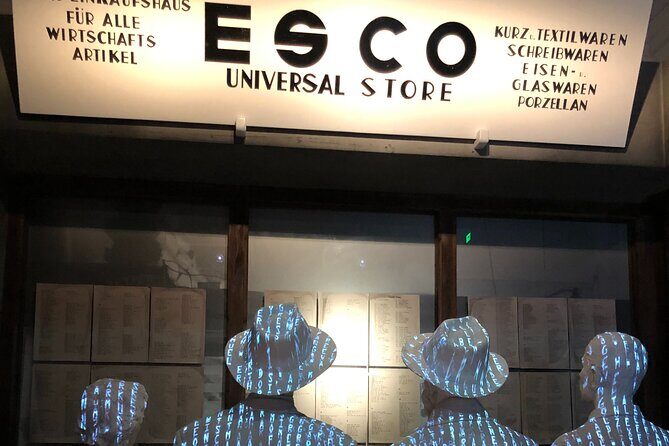
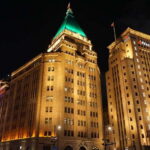
Then you head back toward downtown for two European-style buildings: the Fairmont Peace Hotel and Moller Villa. It’s a classic Shanghai move—history doesn’t just live in museums. It shows up in the city’s architectural language too.
Why include these? Because they help you picture what “foreign community life” looked like in different parts of Shanghai. You’re seeing European-styled spaces after learning about the European Jewish refugee community’s arrival and settlement patterns. It’s not the same story, but it adds texture to the overall picture of how Shanghai hosted different waves of outsiders.
A tour that only focuses on Jewish sites can be powerful but narrow. Adding these buildings gives you a wider lens on the city itself—how different cultural influences remained visible in physical form. In a short 3.5-hour window, that’s smart.
Practical tip: take a few minutes to look at details instead of racing through. Even if you don’t consider yourself an architecture fan, these stops are easier to appreciate when you give your eyes time to lock onto shapes, entrances, and layout.
How the Private 3.5-Hour Format Keeps You From Feeling Rushed
This is a private tour, meaning only your group participates. That changes everything about how the day feels. You’re not stuck listening to someone else’s pace. You can ask questions, pause for photos, and spend a little extra time where your curiosity pulls you in.
You’ll also be traveling in an air-conditioned vehicle, with round-trip transfer included from hotels within Shanghai’s Middle Ring Freeway. That matters in Shanghai, where traffic and distance can sap energy fast. By handling pickup and transit, the tour protects your sightseeing time.
The itinerary is straightforward:
- Hongkou’s Jewish core: Ohel Moishe Synagogue and the Museum for Jewish Refugees
- Huoshan Park for the monument and remembrance
- Downtown architectural stops: Fairmont Peace Hotel and Moller Villa
Because the format is private, your guide can help you flow between these moments without the awkward feeling of being “herded.” If you want a history-heavy pace, you can lean into reading and explanations. If you’re more into seeing and understanding quickly, you can keep it moving.
One more practical note: you’ll get a mobile ticket. That’s small, but in a city as busy as Shanghai, it’s one less thing to manage.
Other Jewish Shanghai heritage tours we've reviewed in Shanghai
Price and Value: Is $96 a Good Deal for This Route?
At $96 for a half-day private experience (about 3 hours 30 minutes), the value depends on how you like to travel.
If you’re the kind of traveler who hates squeezing into groups, the private format alone can feel worth it. You’re paying for:
- an English-speaking guide
- air-conditioned vehicle time
- round-trip hotel transfer within the Middle Ring Freeway
- focused stops tied to a specific historical theme
Also, this isn’t just “drive by and see.” The tour includes places with real educational weight: a synagogue that now functions as a museum and a memorial monument. That kind of site-specific guidance usually costs more when you’re booking individual tickets plus finding transportation plus trying to solve navigation on your own.
If you’re traveling solo, $96 can still be a fair trade for convenience—especially with pickup included. If you’re traveling with a friend, it’s even better. Private tours often make the best sense when you split the cost and still keep control of pacing.
Who This Tour Fits Best (And Who Might Feel Underwhelmed)
This tour is ideal if you:
- want a guided, history-focused outing rather than a broad city sightseeing day
- enjoy contextual tours where each stop has a clear purpose
- like walking and standing at multiple points without it feeling like a marathon
- prefer the comfort of pickup and a driver handling transport
You might feel less satisfied if you’re looking for a “modern Shanghai only” tour. This is not centered on shopping streets or skyline viewpoints. It’s centered on Jewish cultural history in Shanghai and the places tied to that story.
There’s also a practical “human fit” note: the tour calls for moderate physical fitness. It’s not described as extreme, but you should be prepared for some walking and time on your feet.
If you’re traveling with kids, note that children must be accompanied by an adult. Since this is a historical tour with indoor and outdoor stops, you’ll want to be ready to help younger travelers stay engaged.
Should You Book the Half-Day Private Tour of Shanghai Jewish Sites?
I’d book it if you want a short, high-impact day that connects history to specific locations. The best reason is the structure: synagogue and museum first, remembrance next, then architectural context. That sequence makes the story feel real instead of abstract.
Choose this tour especially if you:
- like having an English-speaking guide explain what you’re seeing
- want private pacing without negotiating a group’s priorities
- value having pickup and transport handled from a convenient hotel zone
Skip it if your ideal Shanghai day is mostly views, shopping, and casual wandering. This is meant for people who want meaning, not just movement.
If you do book, I’d plan your day so you’re not rushing afterward. This kind of tour benefits from a little breathing room after—so the names, places, and context can actually settle in.
FAQ
How long is the Half-Day Private Tour of Shanghai Jewish Sites?
It’s about 3 hours 30 minutes.
Is this tour private?
Yes. It’s a private tour/activity, and only your group participates.
What’s included in the price?
Included features are round-trip transfer from hotels within Shanghai’s Middle Ring Freeway, an English-speaking guide, and an air-conditioned vehicle.
Which sites will we visit?
You’ll visit Ohel Moishe Synagogue (which houses the Museum for Jewish Refugees), Huoshan Park (with the Monument in Memory of Jewish Refugees), and also the Fairmont Peace Hotel and Moller Villa.
Do I need passport details when booking?
Yes. Passport name, number, expiry, and country are required at the time of booking for all participants.
Is the tour suitable for children?
Children must be accompanied by an adult.
What’s the cancellation policy?
You can cancel for a full refund if you cancel at least 24 hours in advance of the experience’s start time. If you cancel less than 24 hours before, the amount paid isn’t refunded.