REVIEW · SHANGHAI
Authentic Local Food Tour in Central Shanghai
Book on Viator →Operated by Shanghai Foodie · Bookable on Viator
Shanghai food hits different when you walk with locals. This central Shanghai tasting tour strings together classic Xintiandi soup dumplings and everyday neighborhood eats, with guide talk that connects dishes to the city’s fast changes. It’s built for full-on tasting, plus a smooth mobile ticket setup.
Two things I really like: you get enough tastings to cover a meal, not just tiny bites, and the pacing leaves room to talk, compare textures, and actually enjoy the food instead of rushing from place to place. The tour also works well because it’s designed for a small group (max 15), so your guide can explain things like how broth should feel, not just what the dish is.
One thing to consider: this is a walking tour, and the experience depends on weather. If conditions are truly rough, it may be canceled and you’ll need to switch dates or get a refund, so I’d plan your schedule with some flexibility.
In This Review
- Key highlights worth aiming for
- Why central Shanghai eats start in Xintiandi
- Price and logistics: what $79 buys you (and why it can be worth it)
- Where to meet and how the walking pace works
- Stop 1 in Xintiandi: soup dumplings and the real broth test
- Stop 2 in the Former French Concession: a Yunnan Road food sit-down
- Stop 3 at People Square: parched chicken, duck, and noodle comfort
- The guide factor: what makes it feel personal (and who you might meet)
- What you’ll eat: a Shanghai basics list you can actually remember
- Time of day options: morning, lunch, evening, and late-night
- Vegetarian needs and other dietary reality checks
- Who this tour suits best
- A quick practical packing list (Shanghai edition)
- Should you book this Shanghai food walk?
Key highlights worth aiming for
- Huangpi Nan Road start: you begin at a metro spot and head into the Xintiandi area on foot
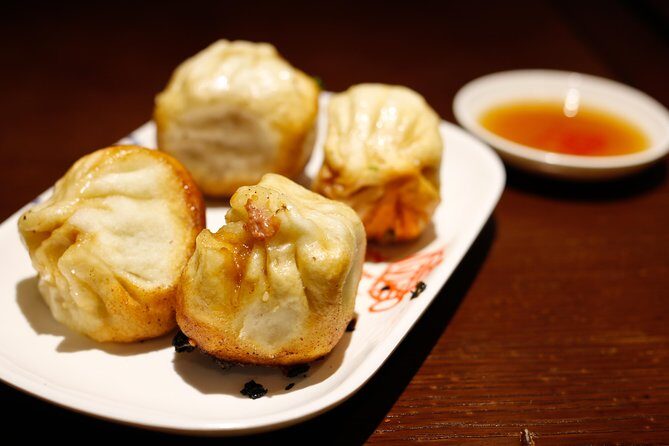
- Soup dumpling focus at Stop 1: you’ll learn how to judge the broth, filling, and dumpling skin
- Former French Concession food-hang: you sit down alongside locals at Yunnan Road with multiple traditional stops plus a dessert shop
- People Square classics: Shanghai comfort foods like scallion oil noodles, roast duck, and red-braised pork show up here
- Tea breaks between tastings: green or black tea helps reset your palate and keeps the pace comfortable
- Late-night option includes beer or dessert: the vibe shifts by time slot
Why central Shanghai eats start in Xintiandi
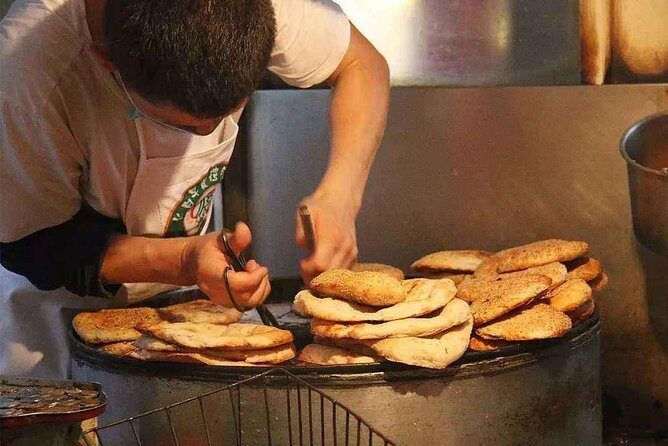
Central Shanghai can feel like a two-speed city: shiny new storefronts and right next to them, the old rhythms of noodle shops and dumpling counters. This tour is a smart way to connect those worlds, because it starts in Xintiandi, an area that’s easy to reach and great for getting your bearings fast.
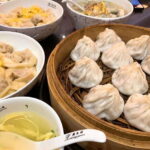
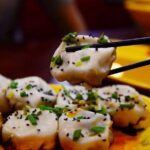
Your first meal-style stop is built around soup dumplings, the dish most visitors come to Shanghai thinking they know. Here, though, the point is learning what makes a great one: how the broth should taste and feel, how the meat filling is set, and what you should notice when you bite through the dumpling skin.
Other local food tours we've reviewed in Shanghai


Price and logistics: what $79 buys you (and why it can be worth it)

At $79 per person for about 3 hours, you’re not paying for a show. You’re paying for (1) guided ordering, (2) access to local restaurants, and (3) a lineup of food and drinks that’s described as enough for breakfast, lunch, or dinner depending on the time you book.
That matters in Shanghai. A “self-guided” food day can end up being expensive fast because you either overspend at tourist-friendly spots or waste time figuring out what to order. A guided tasting tour reduces that friction, and the guide’s commentary helps you eat with more confidence instead of guessing.
Two practical notes that keep expectations right: there’s no hotel pickup/drop-off, and you’ll be walking a fair bit between stops. The tour does include a local guide and food/drink tastings, and the late-night option adds local beer or dessert.
Where to meet and how the walking pace works
You’ll meet at 333 Huai Hai Zhong Lu (Huangpu district). The walk then heads toward the Xintiandi area and, at least for the first stop, the tour describes departing on foot after meeting near Huangpi Nan Road metro station.
Expect a “neighborhood route” feel. The plan is not just restaurant-to-restaurant; it includes short walks where you can observe how people move, eat, and hang out. Comfortable shoes are a must because you’re doing multiple segments over roughly three hours, and you’ll want your feet to stay happy for the dumplings and noodles later.
Stop 1 in Xintiandi: soup dumplings and the real broth test
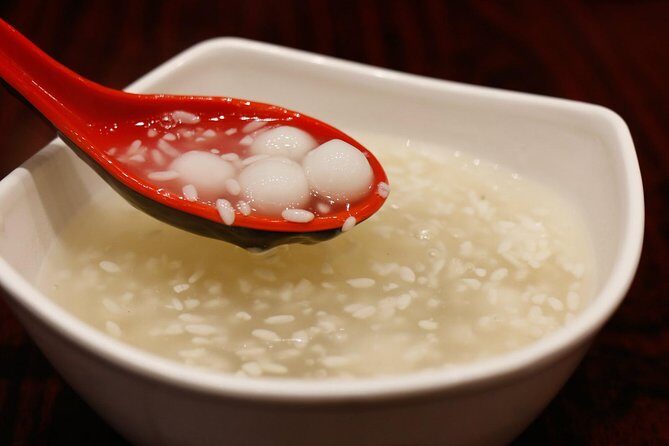
This is where the tour gives you a Shanghai specialty lesson. You start with a famous soup dumpling tasting, and you’ll be encouraged to pay attention to details that most casual diners never think about.
Here’s what to look for:
- Broth quality: the flavor and consistency are the whole point
- Meat filling: you’ll want to notice how it tastes alongside the broth
- Skin texture: thin wrappers are part of the appeal, but the bite is where you judge it
The tour also treats soup dumplings as a local staple with history and culture talk from your guide. That context is more useful than it sounds. When you understand what makes a dumpling style “right,” you start ordering better for the rest of your trip.
A possible drawback at this kind of first stop: if you’re extra sensitive to heat or you’re worried about trying new foods, this early stage can feel intense. The flip side is that you’re warmed up fast with the dish this city is known for, and tea resets your palate later.
Stop 2 in the Former French Concession: a Yunnan Road food sit-down
After the first taste session, the route shifts to a more social kind of meal. There’s a short walk toward Yunnan Road, where you sit down alongside locals at a cluster of traditional places: three restaurants plus a dessert shop.
This part of the tour is valuable because it doesn’t feel like a lecture with snacks. It’s more like you’re joining the regular routine—people catching up over food—while your guide helps you decode what you’re eating and how the meal structure works.
Between stops, you get green or black tea to cleanse your palate. That matters because some Shanghai classics are rich: roasted meats, braised dishes, and noodle sauces that stick around in your mouth. Tea gives you a cleaner baseline so the next dish lands properly.
If you’re hoping for the purest local vibe, this is often the best segment. The only consideration is that your group may be seated in traditional formats where space is tighter than what you expect at Western-style restaurants.
Other food & drink experiences in Shanghai
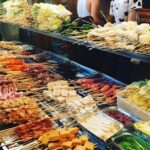


Stop 3 at People Square: parched chicken, duck, and noodle comfort
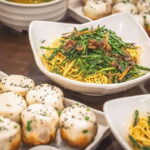
The final stop is where Shanghainese comfort food lines up like a greatest-hits playlist. You’ll sample a mix such as parched chicken, red-braised pork, scallion oil noodles, roasted duck, plus candied lotus rice and spring rolls.
This is also the stop where you can most clearly “compare” within the Shanghai flavor profile. By now, you’ve had enough bites that you know what to look for:
- how sweet-salty braises differ from duck
- what scallion oil does to noodles (aroma first, then sauce)
- how crisp items like spring rolls change the rhythm of the meal
You’ll also get tea here as part of the flow, which helps keep the tour comfortable rather than turning into one long sugar-and-sauce marathon.
A small downside to keep in mind: if you’re the type who eats very slowly, the tasting cadence might feel like it’s moving at a restaurant pace rather than a relaxed café pace. The overall tour time is still about three hours, so it’s designed for steady progress, not lingering for long photos.
The guide factor: what makes it feel personal (and who you might meet)
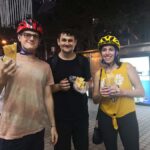
A major reason this tour earns such strong word-of-mouth is the way the guide talks through the food. The tour is described as small-group and personal, and the guide commentary is part of the experience: history, culture, and what you should notice in each dish.
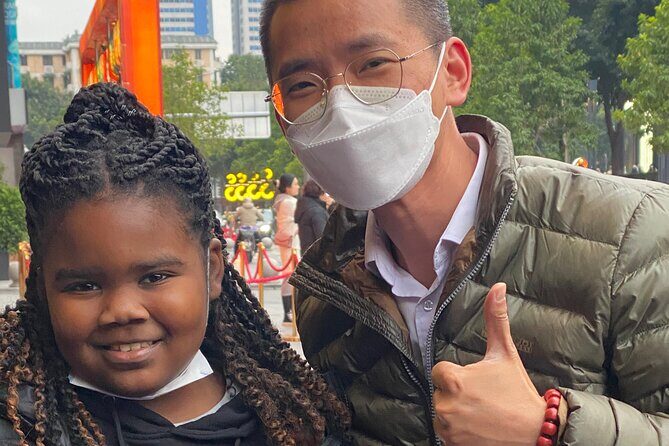
From the guide names you might see assigned to the group—Kurt, Jade, TJ, Jim, Wang Jian, Helen—the common thread is clear enthusiasm and dish-by-dish explanation. If your guide is TJ, for example, you can expect lots of focus on how dumplings should be constructed and how to compare what you’re tasting. If you get Jade or Jim, the tone tends to be friendly and chatty, with explanations tied to how locals eat and why certain dishes show up in everyday life.
The small group size (max 15 travelers) helps. It’s easier to ask questions, and it’s less awkward than a big tour where the guide can’t slow down.
Also worth a read: discoveringbeijing.com.
What you’ll eat: a Shanghai basics list you can actually remember
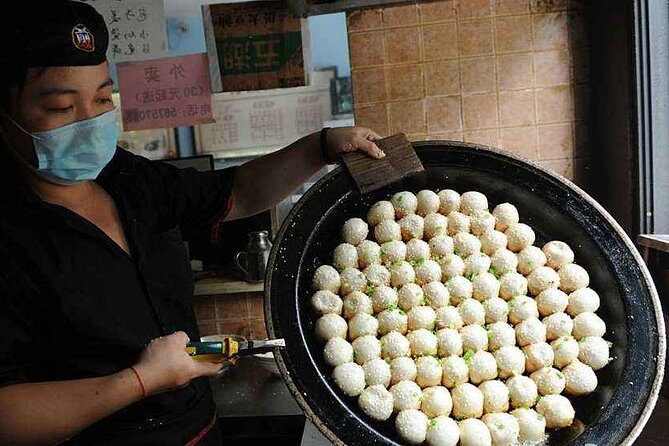
Even if you don’t memorize every dish name, you should leave with a mental map of what Shanghai food tastes like. A typical lineup includes:
- Soup dumplings with the classic bite-and-sip moment
- Scallion oil noodles (aromatic, sauce-forward)
- Roasted duck
- Red-braised pork
- Spring rolls
- Parched chicken
- Candied lotus rice
- Tea at multiple points, plus beer or dessert on late-night runs
One of the best parts is that the tour doesn’t only stick to one texture. You get steamed, crisp, braised, and saucy noodles. So the day becomes a real tasting journey rather than a repeat of the same style.
Time of day options: morning, lunch, evening, and late-night
You can choose from morning, lunch, evening, or late-night tours, and that changes the vibe. The food stays central, but the drinks angle is more noticeable on the later departures. One common pattern is that evening/late-night tends to add more drink energy, while earlier slots lean more food-first.
If you want your visit to feel like a full meal, I’d pick lunch or an earlier slot. If you’re already planning a night out in central Shanghai and want the tastings to lead into it, the evening or late-night option makes more sense—especially because late-night adds local beer or dessert.
Vegetarian needs and other dietary reality checks
The good news: a vegetarian option is available. Just make sure you tell the operator your needs at booking time so the guide can plan the right substitutions.
You should also advise any other dietary requirements when you reserve. Since this tour includes multiple restaurant stops, the easiest way to keep your meal from becoming stressful is to communicate early.
Service animals are allowed, and the tour operates in weather conditions, with the reality that very poor weather may trigger a cancellation and refund/reschedule option.
Who this tour suits best
This is a strong fit if:
- you want authentic, everyday Shanghai flavors rather than only landmark dining
- you like learning how to eat—especially with dumpling technique
- you’d rather walk with a plan than guess your way through multiple restaurant menus
- you enjoy meeting a small group and asking questions along the way
It’s less ideal if:
- you hate walking (you’ll be on foot for multiple segments)
- you have very strict dietary needs and can’t clearly communicate them before booking
- you prefer full freedom to order exactly what you want every time (this is guided tasting, not a do-your-own dinner)
A quick practical packing list (Shanghai edition)
Wear comfortable walking shoes. Central Shanghai distances add up fast when you’re hopping between neighborhoods, and you’ll want your feet ready for noodles and tea stops.
Dress for the weather. The tour is designed to run outdoors, and it’s also weather-dependent enough that you don’t want to show up in light clothes during cold rain.
Bring water if you tend to get thirsty on walks, even though tea is provided between tastings. It can help you keep energy up while the schedule moves.
Should you book this Shanghai food walk?
I think this is a smart book for most people doing central Shanghai, especially if it’s your first or second day. For $79, you’re getting guided ordering, multiple classic eats, and enough food and drink to replace a meal rather than just nibbling along the way.
Book it if you want to understand Shanghai food beyond names—how dumplings are judged, how noodle sauces taste, and how locals pace a meal. Skip it only if you’re not comfortable walking or you have dietary needs that you’re not able to communicate clearly at booking time.
If you want an easy decision rule: if you’re the kind of eater who enjoys learning as you eat, this tour is built for you.