REVIEW · SHANGHAI
Shanghai: Jewish Ghetto and Shanghai Bund Private Tour
Book on GetYourGuide →Operated by Sunny Amazing Tours · Bookable on GetYourGuide
A wartime map walks right into Shanghai. This private Jewish Ghetto and Bund tour pairs the Ohel Moishe Synagogue museum with a stroll along the Bund past the Peace Hotel, so you see both the refugee life story and the city that grew around it. One consideration: food or drinks aren’t included, so plan water (and a quick snack if you need one).
I like that it’s built for flow, not fuss. Your English-speaking guide picks you up at your downtown Shanghai hotel, then you head into Hongkou District for old alleys, landmark sites tied to the refugee community, and a Bund walk with big skyline payoff.
What makes this tour work is the guide’s people-first approach. Based on the names that show up in recent experiences—Lea, Robert, Lia, and Mason—the emphasis is on clear explanations and a comfortable pace, including adjusting on hot days.
In This Review
- Key Things That Make This Tour Worth Your Time
- Entering the Ohel Moishe Synagogue Museum: where the story starts
- Hongkou District Alleys and Historic Stops: seeing what the exhibits point to
- Old Jewish Park: a calm pause and a sense of continuity
- The Bund and Peace Hotel: art-deco views with a Shanghai connection
- How the 3 Hours Actually Feel: private pacing that matters
- Price and Value: why $113 works for what you get
- Practical Tips for a Smoother Experience
- Who This Tour Fits Best
- Should You Book This Jewish Ghetto and Bund Tour?
- FAQ
- How long is the tour?
- Is this a private tour or a group tour?
- What does the tour include?
- What places do we visit?
- Is food or drinks included?
- Where are the hotel pickups available?
- What language is the guide?
- Do I need to pay for museum tickets separately?
- What is the cancellation policy?
- Does the tour include hotel drop-off?
Key Things That Make This Tour Worth Your Time
- Start with the Ohel Moishe Synagogue area and museum exhibits so the story has a strong anchor.
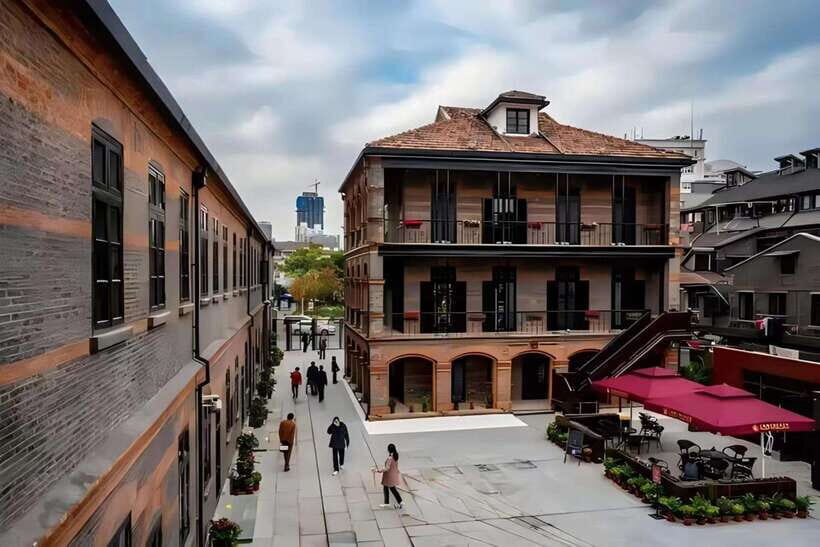
- Walk the old alleys and see the former refugee-focused areas while context is still fresh.
- Stop at key historic touches like the old JDC center and stone-framed houses linked to thousands of refugees.
- Pair WWII-era documentation with present-day street life at the old Jewish park stop.
- Finish at the Bund and Peace Hotel for art-deco architecture and views of old-and-new Shanghai.
- Private, English-guided pacing with transport handled by premium Uber (1–4) or an air-conditioned mini van (5+).
Entering the Ohel Moishe Synagogue Museum: where the story starts
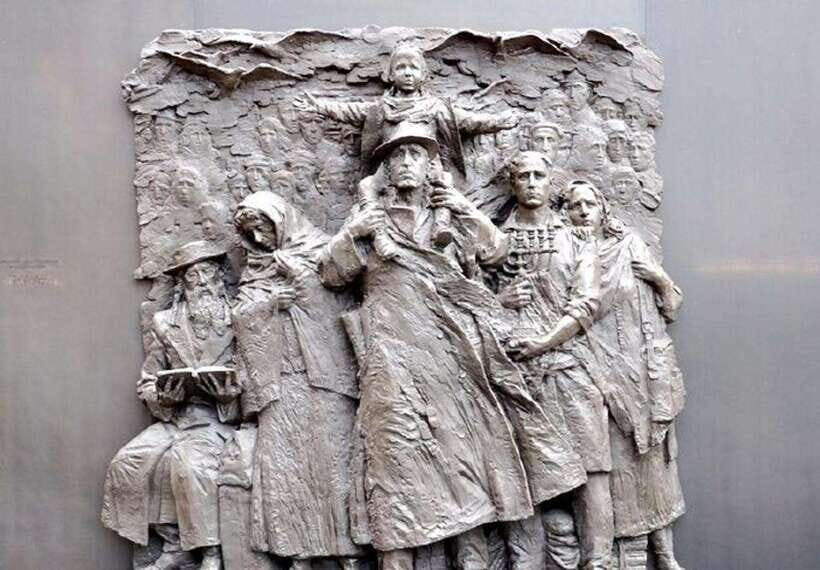
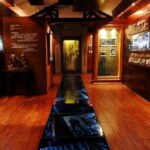
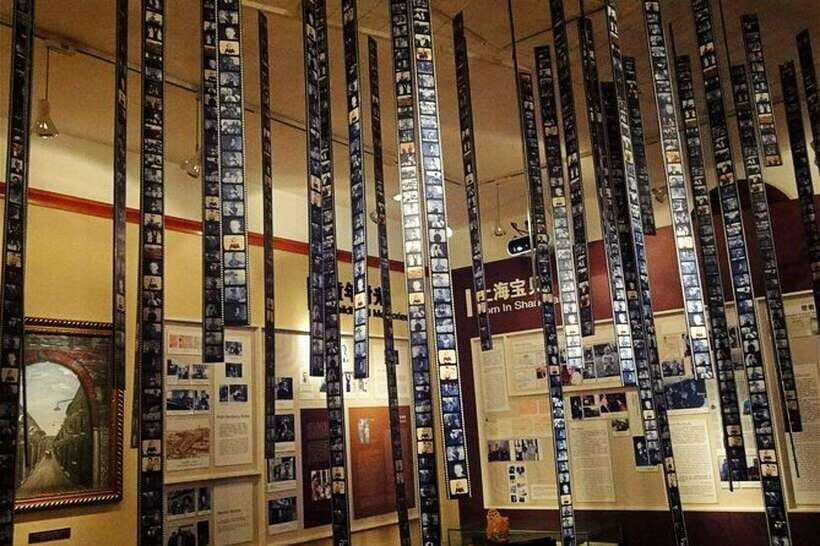
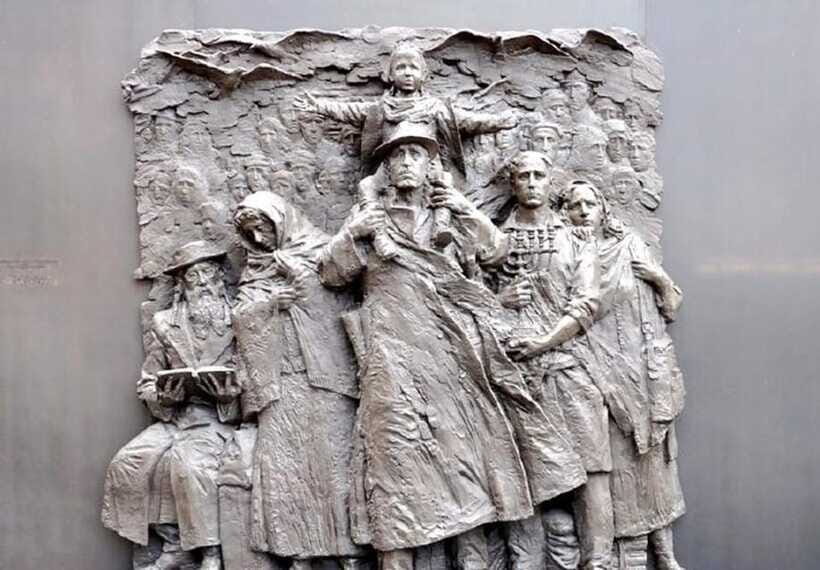
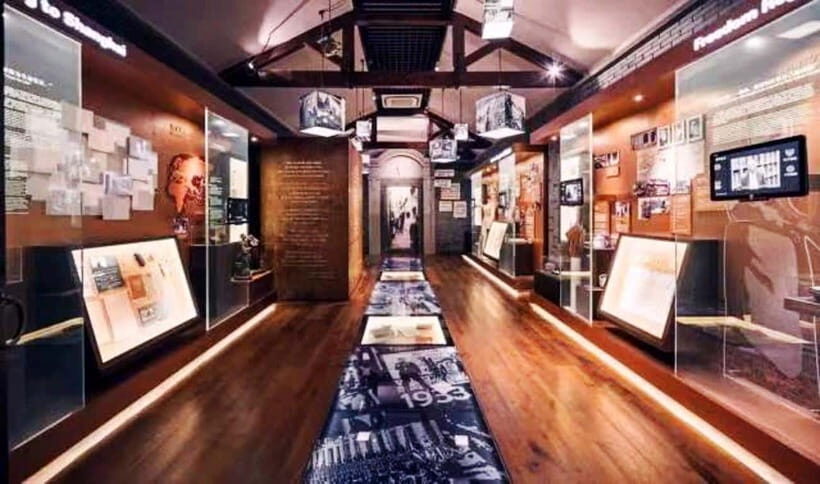
The tour begins at the Jewish Refugees Museum area, connected with the Ohel Moishe Synagogue. That first stop matters because it’s not just a collection of photos. You’re shown life documents, photographs, films, and personal items from Jewish refugees during WWII, and the guide walks you through what you’re seeing in plain language.
Even if you only have a few hours, starting here helps you connect the dots. You’ll leave the museum knowing what terms and places mean before you head out into the surrounding streets. In a city where you can easily get sightseeing tunnel vision, this “story first” approach keeps the walk meaningful.
One more practical upside: museum time is easier to manage than endless wandering. It’s structured, ticketed, and indoors when you need it—though the rest of the day still includes outdoor walking.
Other private city tours we've reviewed in Shanghai

Hongkou District Alleys and Historic Stops: seeing what the exhibits point to
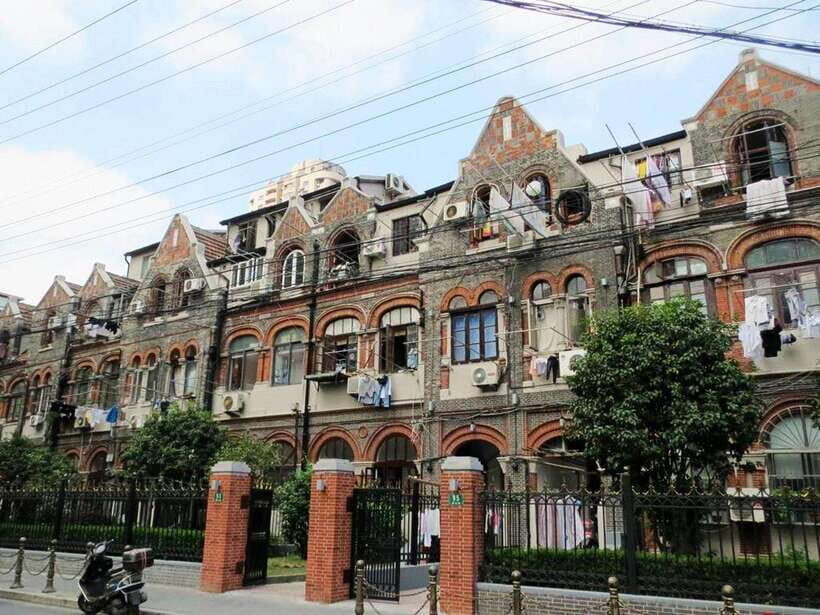
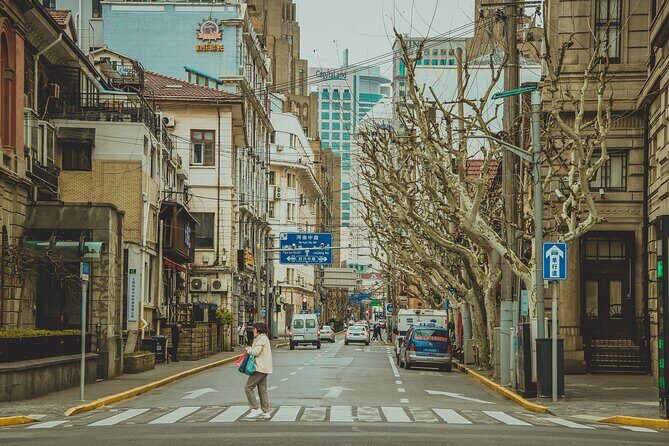
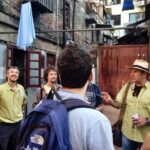
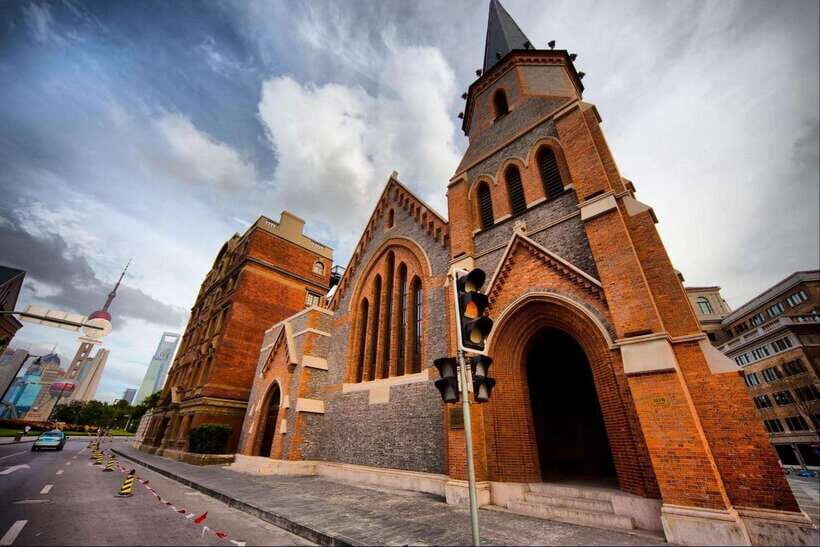
After the museum, the tour shifts outdoors into old alley streets in the area. This is where the tour turns from information into place. The guide brings you through sections of the neighborhood that help explain what day-to-day life looked like, and what organizations and buildings mattered.
You’ll also check out the old JDC center. For me, that kind of stop is valuable because it adds a “who did what” layer to the story beyond individual artifacts. It’s a reminder that refugee life wasn’t only personal experience—it involved institutions and support systems.
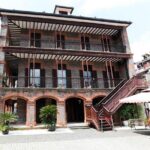
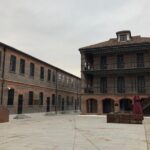
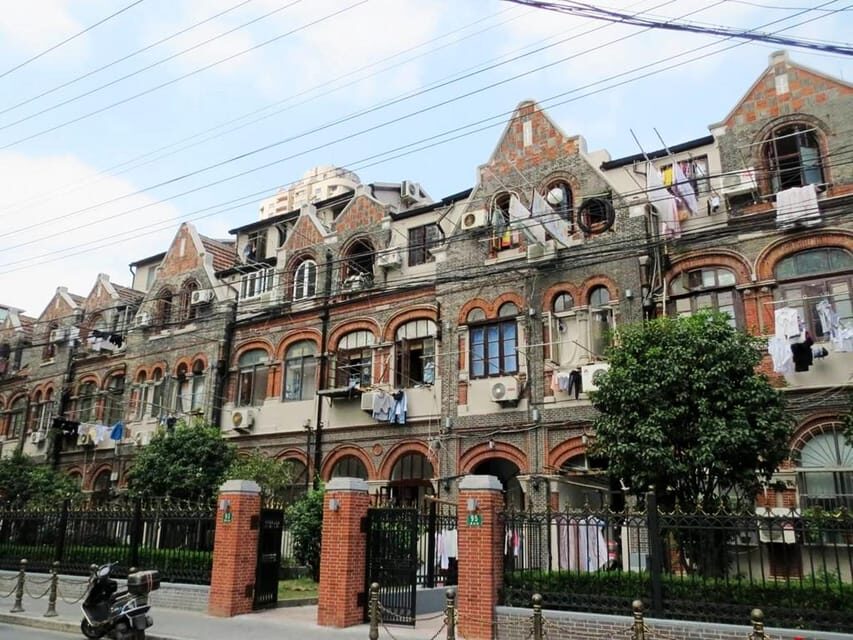
Next come the historic stone-framed houses that once held thousands of refugees. The wording on this tour is clear: these structures were home to large groups. You can stand in front of the buildings and understand why the museum’s items feel specific, not abstract.
A small drawback: the time you spend outside depends on the day and the guide’s pacing. You’ll be walking through older neighborhood streets, so wear shoes that won’t complain by the end of the morning/afternoon.
Old Jewish Park: a calm pause and a sense of continuity
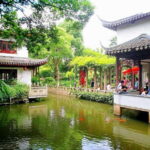
One of the tour’s smartest choices is the stop at the old Jewish park. It’s not presented as a sad monument you rush through. Instead, you’re asked to look around and notice how locals go about their lives there.
That shift in viewpoint is useful. You’re not only asking what happened here during WWII—you’re also seeing the neighborhood now. It helps you avoid the “only past matters” feeling that can happen on historical tours.
If you’re someone who likes your context grounded in real street life, this pause is a good reset before the Bund portion. It also gives you a chance to regroup before the riverfront portion, which can involve more open, exposed walking.
The Bund and Peace Hotel: art-deco views with a Shanghai connection
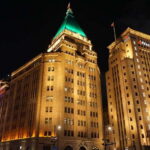
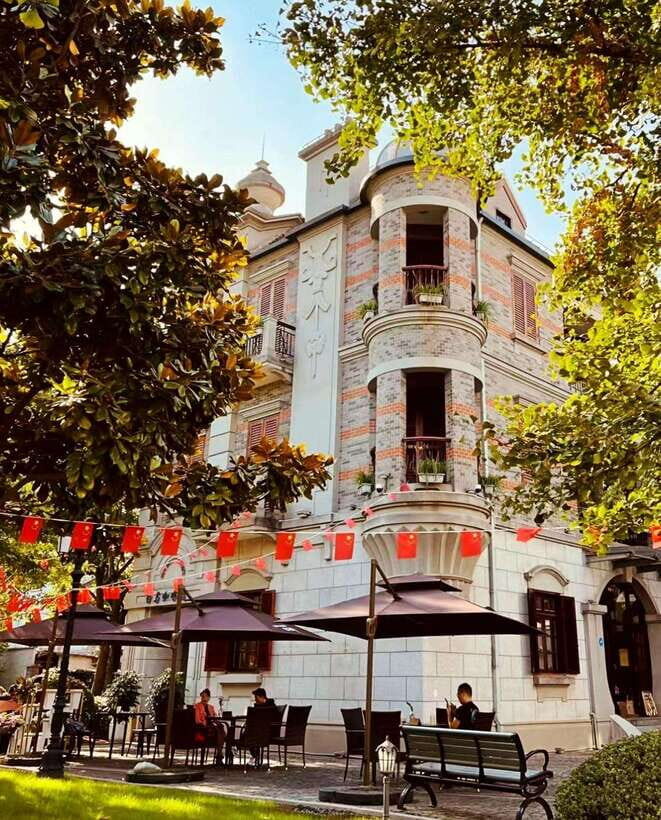
The ending scene is classic Shanghai in the best way: the Bund riverfront. But this isn’t a generic skyline tour. The guide includes a visit to the famous Peace Hotel, highlighted here as a top achievement from the British Jewish Sassoon’s families, and you’ll look at its art-deco architecture.
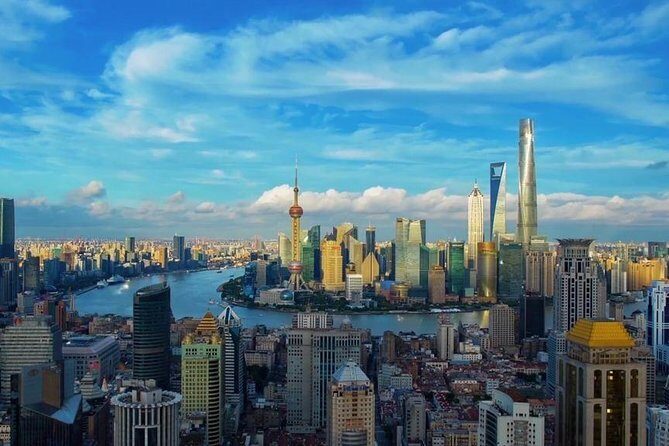
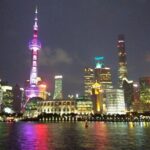
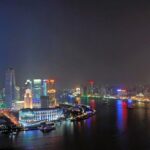
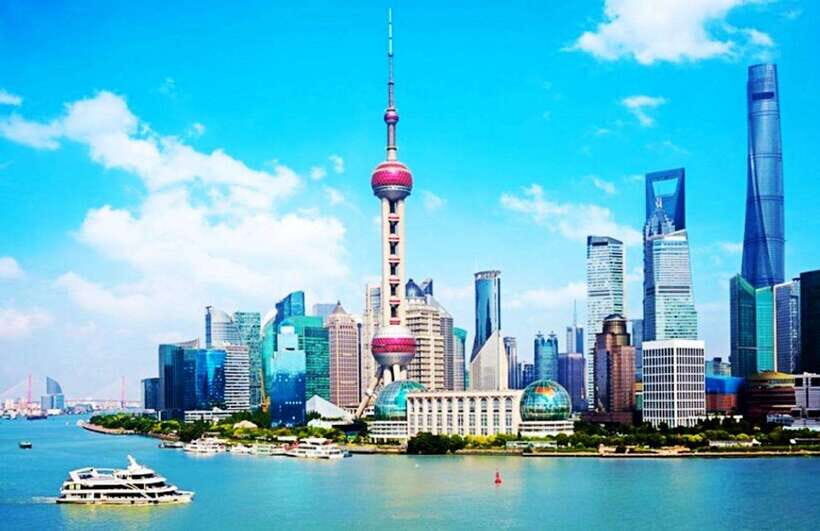
Then you walk toward the river and take in views of both old and new Shanghai while the guide ties the setting back to what you learned earlier. That “pairing” effect is the main reason I like this itinerary: it uses architecture and the riverfront as a lens, not just a photo stop.
Practical note: Bund weather can change quickly with wind off the water. If you go on a cool evening, you’ll likely want a layer. If it’s hot, bring water because the tour doesn’t include drinks.
How the 3 Hours Actually Feel: private pacing that matters
A 3-hour private tour is the right length for this topic. Long enough to get the museum context, multiple neighborhood stops, and the Bund finish. Short enough that you’re not exhausted by “one more place” fatigue.
Because it’s private, your guide can adapt the pacing to your questions. In the feedback tied to guides like Lea, Robert, Lia, and Mason, a common thread is responsiveness—helping people stay comfortable and making time for what matters most to them. That’s especially important for a subject that can hit personal notes. One experience description mentions family history and moments that felt emotional, and the guide approach seems designed to handle that with care.
You’ll also get the help of transport handling, which removes a big “logistics tax” when you’re in a large city. Your pick-up is included, but remember: hotel drop-off isn’t included, so you’ll be finishing near the end of the Bund route and arranging your return from there.
Other Bund and Pudong tours we've reviewed in Shanghai

Price and Value: why $113 works for what you get
At $113 per person for 3 hours, the value comes from what’s included, not just the headline cost. You’re getting:
- a great local guide in English
- downtown hotel pickup
- local transportation (premium Uber for 1–4, air-conditioned mini van for 5+)
- entry ticket to the Jewish Refugees Museum
Many tours in Shanghai are either heavy on walking with no tickets, or they’re packed with photo stops and light on explanation. This one is ticketed and structured, and it’s focused on a single connected theme: the Jewish refuge story and how the Bund district frames Shanghai’s later identity.
What’s not included helps you plan the budget realistically:
- food or drinks
- hotel drop off
- outskirt hotel pick-ups beyond certain areas (you’ll get a detailed meeting point if you stay farther out)
If you’re splitting between two or four people, the premium Uber option can make the experience feel even more efficient. If you’re traveling with a larger group, the mini van keeps everyone comfortable and together.
Practical Tips for a Smoother Experience
Here are the things that will help you enjoy the tour more and stress less.
- Bring water. The tour doesn’t include drinks, and you’ll likely do outdoor walking (museum-to-streets-to-Bund).
- Wear walking shoes. Old alley streets and the Bund riverfront both reward comfort.
- Expect some museum time. The museum is where the guided context is most important, so don’t rush this portion.
- Plan your return. Since hotel drop-off isn’t included, you’ll want to know how you’ll get back to your neighborhood after the Bund.
- Check your exact pickup zone. If you’re staying near major outskirts like airport/Disneyland/Songjiang/Hongqiao areas, you’ll use a detailed meeting point instead of pickup right at your hotel.
- Bring a question or two. The guide can’t read your mind, but they can answer your specific interests—museum details, historic stops, or the Sassoon/Permanent landmark connection at the Peace Hotel.
Who This Tour Fits Best
This is a strong choice if you:
- want the Jewish Ghetto story in a guided, well-paced format
- prefer a private experience with time for questions
- like pairing history with real city landmarks, especially architecture on the Bund
- care about WWII-era refugee documentation and how it translates into neighborhood geography
It’s also a smart fit for travelers who don’t want to figure out museum logistics and neighborhood routing on their own. The combination of hotel pickup, transport, and ticket coverage makes it feel like someone built the day for you.
If you’re in Shanghai for a short time, this tour gives you a meaningful theme without turning into an all-day marathon.
Should You Book This Jewish Ghetto and Bund Tour?
Yes, you should book it if you want a focused, guided experience that connects museum artifacts to real places, then ends with Bund architecture and skyline views. The strong point here is how the day is structured: you start with context, then walk the streets and historic stops while that context is still fresh, and you finish with the Peace Hotel and riverfront setting.
Skip it only if you’re hoping for a food-inclusive outing or you strongly prefer not to do outdoor walking at all. Otherwise, this is a high-value, well-explained 3-hour private tour that treats the subject with care and gives you a strong sense of place in Shanghai.
FAQ
How long is the tour?
The tour lasts 3 hours.
Is this a private tour or a group tour?
It is a private group tour.
What does the tour include?
It includes a great local guide, downtown hotel pickup, local transportation (premium Uber for 1–4 people and an air-conditioned mini van for more than 4 people), and an entry ticket to the Jewish Museum.
What places do we visit?
You start at the Jewish Refugees Museum near the Ohel Moishe Synagogue, then see sections of the Jewish area including old alley streets, the old JDC center, historic stone-framed houses, and an old Jewish park. The tour ends at the Bund with a visit to the Peace Hotel and time walking the riverfront.
Is food or drinks included?
No. Food or drinks are not included.
Where are the hotel pickups available?
Pickup is included from downtown Shanghai hotels. If you stay in outskirt areas such as Pudong airport, Disney-land area, Songjiang District, or Hongqiao area, you’ll get a detailed meeting point.
What language is the guide?
The live tour guide is English.
Do I need to pay for museum tickets separately?
No. Entry ticket to the Jewish Museum is included.
What is the cancellation policy?
Free cancellation is available up to 24 hours in advance for a full refund.
Does the tour include hotel drop-off?
Hotel drop-off is not included.