REVIEW · SHANGHAI
3-Hour Private Tour to Jewish Ghetto and Shanghai Bund
Book on Viator →Operated by Sunny Private Tours · Bookable on Viator
Shanghai Jewish history feels shockingly close. This private tour threads together the Jewish community’s story in Shanghai with stops at the Jewish Refugees Museum and the Bund. You get context, not just photos, plus hotel pickup and a comfortable ride between sites.
I especially liked the museum time: the exhibits include photographs, films, and personal items, and the guide brings it together in a clear timeline. I also liked the walking section through the former neighborhood, where you can see the old stone houses, winding back lanes, and the feel of the area (often described as Little Vienna) instead of treating it like a single exhibit stop.
One thing to plan around: pickup is limited to downtown hotels. If you stay farther out, you may need to meet closer to the city center, and you should expect some walking on uneven streets.
In This Review
- Key highlights worth your attention
- A forgotten Shanghai story, told on the ground
- Price and value: is $90 per person a fair deal?
- Hotel pickup and how to avoid time-wasting
- Stop 1: Jewish Refugees Museum at Ohel Moishe Synagogue
- Stop 2: The Shanghai Jewish Ghetto streets and stone gate houses
- Stop 3: The Bund waterfront and the Peace Hotel area
- What makes the guides matter so much here
- Timing and pacing: 2.5 to 3 hours that actually feel doable
- Where this tour fits best in your Shanghai plan
- Should you book it? My practical yes—with one checklist item
- FAQ
- How long is the 3-hour private tour?
- Is this a private tour or a shared group?
- What’s included in the ticket costs?
- Do you pick up from my hotel?
- What transportation is used during the tour?
- Does the tour run in bad weather?
- Is the guide English-speaking?
- What’s the cancellation policy for a refund?
Key highlights worth your attention
- Jewish Refugees Museum with included admission (Ohel Moishe Synagogue) and time to look carefully at the collections
- Guided story in plain, chronological order so the migration and support networks make sense fast
- Former ghetto lanes and stone gate houses tied to refugee life and organizations like the JDC center
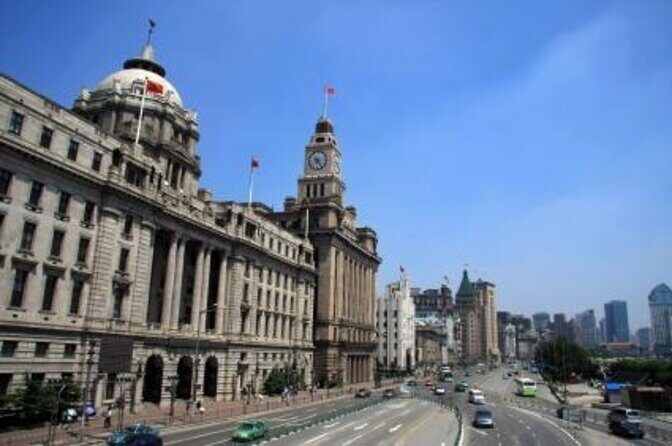
- Bund finale with British-Jewish Sassoon family art-deco heritage, including the Peace Hotel area
- Hotel pickup + private vehicle transfers, using a premium Uber for small groups or a mini van for larger groups
- Flexible departures in the morning or afternoon, and the tour runs in all weather
A forgotten Shanghai story, told on the ground
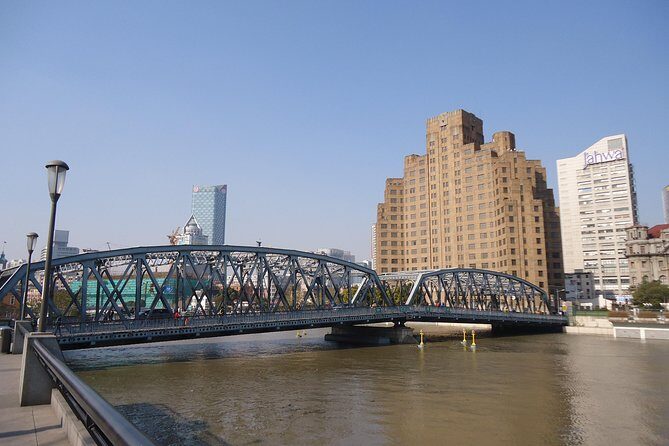
Shanghai’s skyline can be loud. This tour slows things down and makes a less-known chapter of the city feel real. You start with the Jewish Refugees Museum, then move through the former ghetto district, and end at the Bund where British-Jewish influence shows up in the architecture.
You’ll see why the community was often described as Little Vienna, and you’ll also get a sense of how Shanghai functioned as a refuge for European Jews during the 1930s and 1940s. The point is not to memorize dates. The point is to understand the movement of people, the reasons behind it, and the connections to Shanghai’s wider history.
Other private city tours we've reviewed in Shanghai

Price and value: is $90 per person a fair deal?
At $90 per person, you’re paying for a small, private format with real guiding time. Most standard sightseeing tours dump you into a museum and send you off with a generic route. Here, the structure is built around three stops with a guide who explains the story behind each place.
For what you get, the value mostly comes from:
- One included paid admission stop (Jewish Refugees Museum) while other stops don’t add ticket cost
- Private guiding instead of joining a large group and competing for attention
- Hotel pickup and transfers in a private vehicle (not just “meet us somewhere and figure it out”)
- A paced walking component that helps the neighborhood feel connected, not random
Is it a bargain? It’s not the cheapest Shanghai tour. But if Jewish history, immigration stories, or the Bund’s European-era layer of the city interest you, the guide time and museum access make the price feel reasonable.
Hotel pickup and how to avoid time-wasting
This tour includes hotel pickup only for downtown Shanghai hotels. If your hotel sits outside the downtown area (example areas listed include places like Jiading, Songjiang, Qingpu, and parts of Pudong such as Jinqiao and Chuansha), pickup isn’t included and you’ll get instructions to meet near the downtown area.
The ride format depends on group size:
- For 1–4 people, you travel in a local premium Uber.
- For more than 4 people, you get an air-conditioned mini van.
Practical tip: when you book, double-check that your hotel is in the downtown pickup zone. If it’s not, plan for a short transfer of your own to the meeting area so you don’t feel rushed.
Also note what’s not included: there’s no hotel drop-off after the tour. Your day plan should assume you’ll get yourself back or continue exploring nearby.
Stop 1: Jewish Refugees Museum at Ohel Moishe Synagogue
This is where the tour starts, and it sets the tone. You’ll typically spend about 1 hour 20 minutes here, and the admission ticket is included.
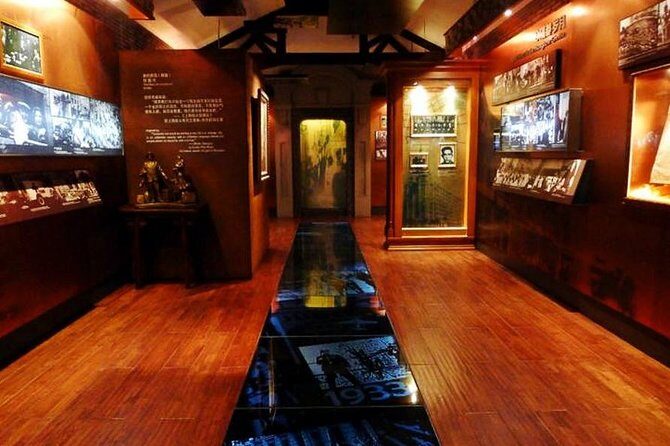
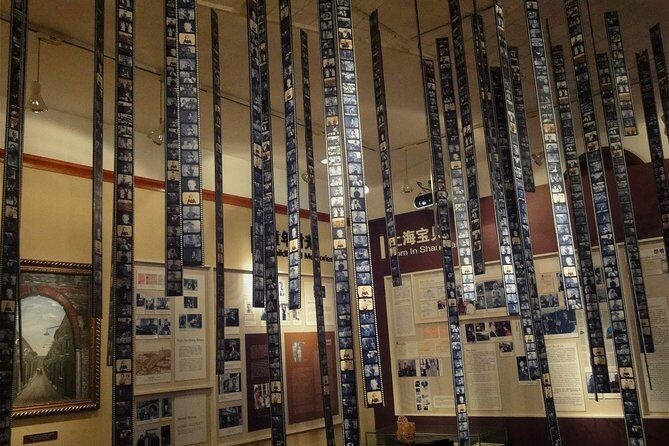
The museum is centered on the Jewish Refugees Museum and the Ohel Moishe Synagogue. What makes it work is that it’s not only a display of objects. The collections include photographs, films, and personal items, which help turn a huge historical story into individual lives.
In my view, this is the best first stop because you get a framework before you head into the neighborhood. You’ll be able to “read” what you see next: stone gate houses, back alleys, and the sense of how housing and community life were shaped by refugee movement.
What to expect inside:
- A guided walk-through of the most meaningful exhibits and themes
- Time that isn’t just rushed camera clicking
- A focus on how the community arrived, organized life, and survived the war years
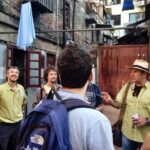
If you like museums where the guide explains connections between artifacts (not just one label at a time), you’ll likely enjoy this section a lot. Several guides have been praised for being very prepared and for explaining the story in simple, clear terms—names you may hear include Lea, Sunny, Annie, Mason, and Aron.
Stop 2: The Shanghai Jewish Ghetto streets and stone gate houses
After the museum, you move into the older streetscape. This stop takes about 1 hour, and admission here is free.
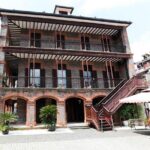
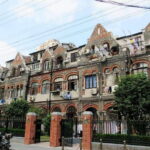
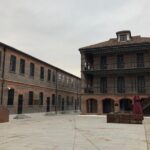
You’ll see the old “Jewish park” and an old JDC center, plus the historic stone gate houses that once housed thousands of refugees. This is the part that turns the story into geography. The lanes and the architecture help you understand that the ghetto was not an abstract concept. It was a built environment with real doors, courtyards, and passageways.
One detail I think you’ll appreciate: the tour can include a look at preserved areas tied to refugee living quarters. A guide-led visit to the actual living quarters of one refugee family (with connections across generations) has been described as a standout moment because it shows continuity and change in the same space.
Possible drawback: because this is a neighborhood-style walking segment, your enjoyment depends on your tolerance for urban wandering and older, uneven streets. Wear shoes that handle walking comfortably.
Other Bund and Pudong tours we've reviewed in Shanghai




Stop 3: The Bund waterfront and the Peace Hotel area
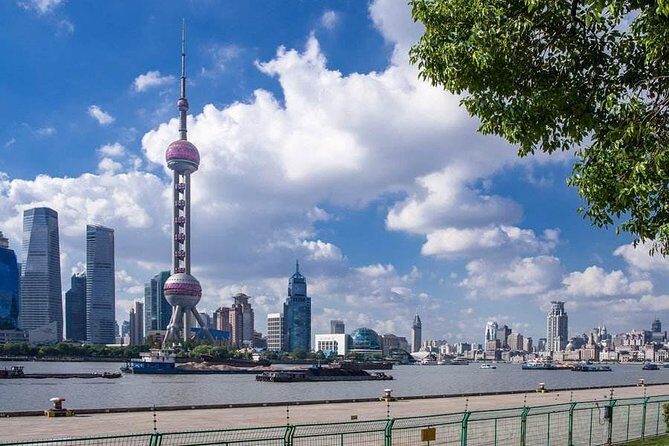
The final stretch focuses on the Bund (Wai Tan) for about 50 minutes. This part is free of admission ticket costs.
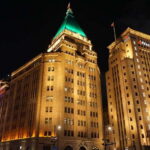
You’ll walk through the Bund zone and visit the Peace Hotel area, where you’ll get context for the art-deco look and the British-Jewish Sassoon family influence. It’s an interesting contrast to the ghetto district. Same city, different power structures: colonial-era wealth and design alongside refugee stories shaped by survival and international aid.
What I like about ending here is the perspective shift. After seeing refugee life up close, you stand at a landmark waterfront that helped make Shanghai a global port city. The guide helps you connect those dots, so the Bund doesn’t feel like a separate sightseeing checklist item.
What makes the guides matter so much here
This isn’t just a route. The quality hinges on the guide’s storytelling. In the experiences I’ve seen described, guides like Lea, Robert, Sunny, Annie, Mason, Aron, and Ruby are repeatedly praised for being prepared and for explaining in a way that’s easy to follow.
Look for the qualities that keep showing up:
- Clear, chronological explanations that reduce confusion about timelines
- Specific ties between what you’re seeing and why it mattered
- A pace that lets you take it in without feeling dragged from point to point
You can also get useful cross-links to Shanghai’s broader context. For example, a well-timed explanation can connect Jewish migration patterns to how Shanghai’s infrastructure and international networks worked during that era.
If you care about history but hate long lectures, you’re in luck. The tour is built around movement and stops, so the story stays tied to place.
Timing and pacing: 2.5 to 3 hours that actually feel doable
The total duration is about 2 hours 30 minutes to 3 hours. With stop times typically around:
- Museum: about 1 hour 20 minutes
- Ghetto streets: about 1 hour
- Bund: about 50 minutes
That’s a good structure for a first-time hit of this topic. It’s long enough for real explanation and looking time at the museum, but short enough that you won’t feel like you’ve lost your whole day.
Best use of your day: schedule this earlier rather than late. You’ll then have the mental framework for the rest of your Shanghai explorations—especially if you plan to see other old neighborhoods or waterfront architecture afterward.
Where this tour fits best in your Shanghai plan
I’d steer you toward this tour if you:
- Want a Shanghai angle that most first-timers skip
- Like history that’s tied to buildings, not just books
- Enjoy museum visits where personal items and photos are central
- Plan to spend time on the Bund anyway and want a deeper story behind it
You might pick a different option if:
- You’re not interested in Jewish refugee history
- You dislike walking in older urban lanes
- You want a very food-focused or nightlife-focused itinerary (this tour is history-first)
Should you book it? My practical yes—with one checklist item
I think you should book this tour if the idea of Shanghai’s Jewish community, Little Vienna, and the Bund’s British-Jewish art-deco connections appeals to you. It’s private, focused, and paced to keep you engaged. The museum alone is worth building a day around, especially with a guide who can connect the exhibits to what you see outside.
My one checklist item before you click confirm: verify your hotel pickup eligibility. If you’re outside downtown Shanghai, plan your meeting point in advance so you don’t scramble the morning of.
If the pickup zone works for you, this is a strong value use of a half-day in Shanghai—one that gives you a story you’ll remember long after the Bund lights fade.
FAQ
How long is the 3-hour private tour?
The tour runs about 2 hours 30 minutes to 3 hours, depending on pacing and the day’s flow.
Is this a private tour or a shared group?
It’s a private tour/activity. Only your group participates.
What’s included in the ticket costs?
Admission is included for the Jewish Refugees Museum (Ohel Moishe Synagogue). The other stops listed are free of admission ticket costs.
Do you pick up from my hotel?
Hotel pickup is included only for downtown Shanghai hotels. If your hotel is outside the downtown area, you’ll be given instructions to meet near downtown.
What transportation is used during the tour?
You’ll travel by private vehicle between locations. For 1–4 people it’s a premium Uber, and for more than 4 people it’s an air-conditioned mini van.
Does the tour run in bad weather?
Yes. The tour operates in all weather conditions, so dress appropriately for the day.
Is the guide English-speaking?
Yes. The tour includes a professional, knowledgeable English-speaking guide.
What’s the cancellation policy for a refund?
You can cancel for a full refund if you cancel at least 24 hours in advance of the experience start time. If you cancel less than 24 hours before, the amount paid isn’t refunded.