REVIEW · SHANGHAI
Shanghai Highlights Walking Tour With A Real Local
Book on GetYourGuide →Operated by Bill's Fantastic Tours · Bookable on GetYourGuide
Shanghai makes sense on foot. This 2.5-hour walking tour led by lifelong Shanghainese Bill turns famous landmarks into real stories, from Wall Street of Asia to the Old Town lanes, with Shanghai fried dumpling tasting built in.
What I like most is how the tour mixes big, recognizable sights with small, human details. You get the reasons behind the skyline, not just the postcard views. And I appreciate the way Bill keeps the pace friendly while sharing context about how Shanghai changed over time.
One thing to consider: this is a proper city-walk with a lot of pavement, so if you’re dealing with mobility challenges, you may want to double-check suitability before booking.
In This Review
- Key things you’ll get
- Entering Shanghai through the Bund’s story (not just the view)
- Meeting at East Nanjing Road: quick start, easy orientation
- People’s Square and People’s Park: the city center with real local texture
- Nanjing Road on foot: commerce, crowd control, and street-level Shanghai
- Peace Hotel, Customs House, and the Bund skyline: why the buildings mattered
- The Bund Promenade: photo stops with context (and fewer tourist-only vibes)
- Shanghai lane house glimpses: the city behind the postcard
- The Yuyuan Old Town and Bazaar: 400-year-old streets you can actually walk
- Traditional food street and the fried-dumpling tasting
- How the 2.5 hours work in real life (pace, comfort, and value)
- Who this walking tour suits best
- Should you book this Shanghai highlights tour?
- FAQ
- Where do I meet the guide?
- How long is the tour?
- What places are included on the route?
- Is the tour guide available in English?
- Is there luggage storage?
- What should I bring with me?
- Is the tour wheelchair accessible?
- Can I book last minute?
- Is there free cancellation?
Key things you’ll get
- Wall Street of Asia at the Bund: stories tied to the skyline and the era when Shanghai felt like Asia’s finance hub
- People’s Square and People’s Park: central landmarks plus the weekend marriage market angle for People’s Park
- Yuyuan Old Town and 400-year-old garden: classic architecture you can actually see up close
- Nanjing Road and lane-house glimpses: everyday Shanghai life between the major tourist zones
- Custom House and Big Ben + other colonial-era buildings: historical context for what you see along the water
- Food street to a fried-dumpling tasting: guide-led picks for what to try, not guesswork
Entering Shanghai through the Bund’s story (not just the view)
If you only do Shanghai by photo spots, the city can feel like separate pieces. This tour is built to connect them. You start near East Nanjing Road, then work your way through the city’s major “Shanghai identity” zones: the ceremonial center, the historic streets, and the waterfront.
Bill’s main strength is the way he explains change—how Shanghai went from older rhythms to a major international trading and finance center, and then into the modern city you see today. His stories land best when you’re standing in front of the buildings, not scrolling through captions later.
You’ll also like the tone. It’s not a lecture. Expect lots of small anecdotes—little details about what people did in different eras, and how the city’s mood shifted as new commerce and foreign presence shaped the streets.
Other Shanghai highlights day tours we've reviewed in Shanghai

Meeting at East Nanjing Road: quick start, easy orientation
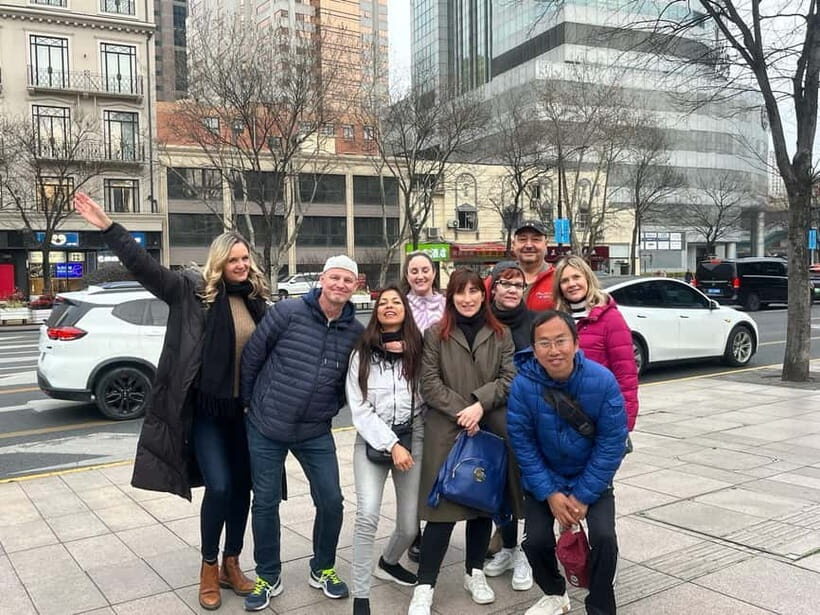
Meeting point is Exit 1 at East Nanjing Road Metro Station, right by the Tissot store opposite the Swatch store. It’s a practical spot because you can get there fast from multiple metro lines.
If you’re carrying bags, you’ll be glad the tour offers luggage storage right by the meeting area. That matters more than you’d think. Shanghai days can stack up—shopping, errands, and heat—so removing the stress of heavy luggage gives you real flexibility.
You’ll want comfortable shoes. This isn’t a sit-and-ride style. You’re walking between key areas that are close on a map but still take stamina in real life.
People’s Square and People’s Park: the city center with real local texture
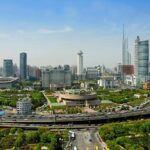
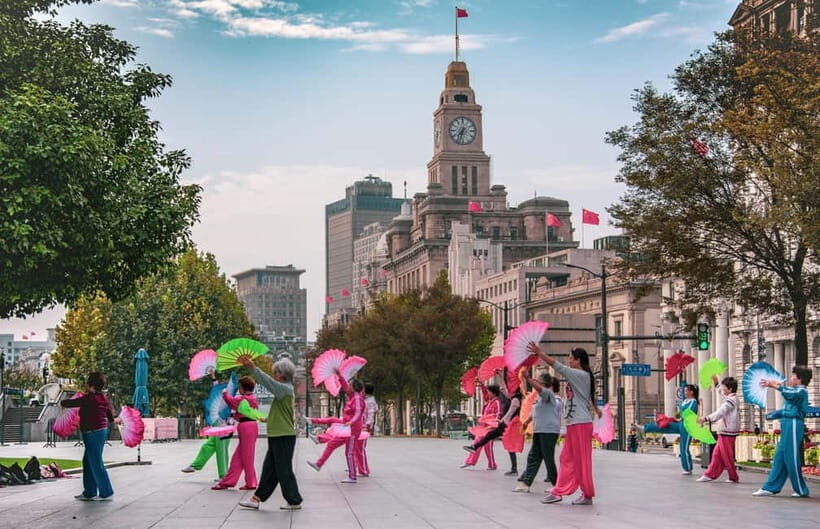
The tour’s first big “anchor” is People’s Square, one of Shanghai’s most important central hubs. From here, the city feels organized and monumental—wide streets, major civic buildings, and constant motion.
Bill uses the stop to set context: where Shanghai’s power and public life concentrated, and how the city’s planning and identity evolved. This is useful even if you already know Shanghai has a dramatic modern skyline—because you’ll understand where that energy came from.
Then you move toward People’s Park. One standout detail you’ll hear about is the marriage market that happens on weekends. Even if you’re not visiting on a weekend, it’s a vivid example of how social life and public space work here. It’s not just a “pretty park.” It’s a place where people connect in visible, everyday ways.
Also, People’s Park is often a good spot to pause and reset. It helps break up the walk so you don’t feel slammed by nonstop sightseeing.
Nanjing Road on foot: commerce, crowd control, and street-level Shanghai
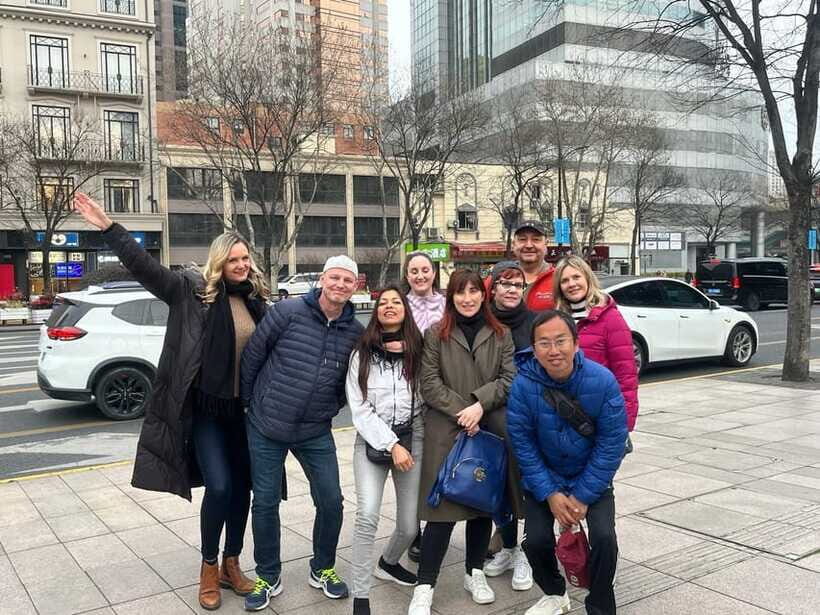
Next up is Nanjing Road Pedestrian Street. This is Shanghai at full speed: shops, people, and that electric energy of a major city center.
What makes it more than just a shopping street is the way the tour frames it. You’ll hear how major retail and street commerce grew, and what that meant culturally. It’s a different story than what you’d get in guidebooks that treat Nanjing Road like a standalone landmark.
This portion is also where you’ll appreciate having a local guide. Big-name streets can get crowded fast. Bill’s approach helps you move smartly between views, and you’ll get tips on what to notice while you walk.
Peace Hotel, Customs House, and the Bund skyline: why the buildings mattered
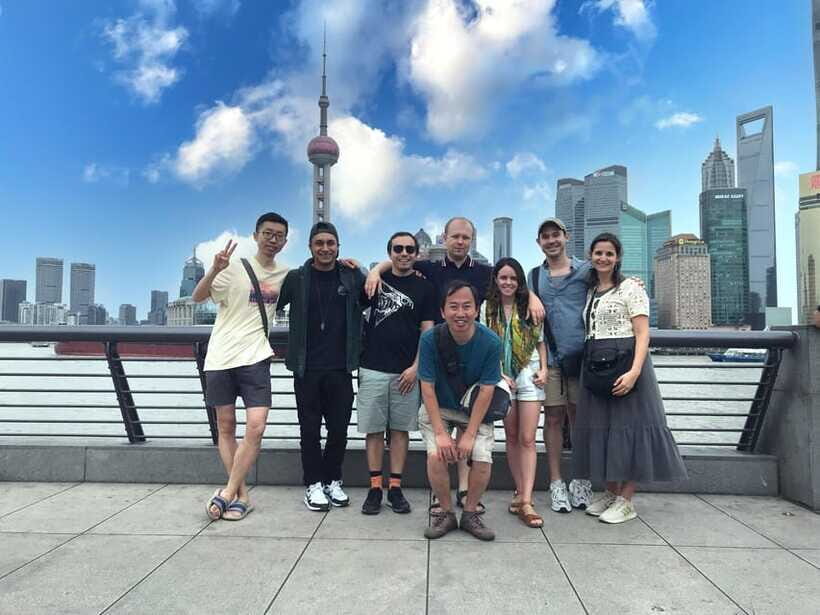
Now you reach the core of the “Shanghai finance story”—the Bund area and the line of iconic waterfront buildings.
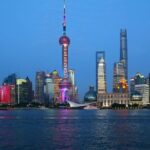
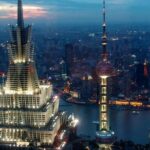
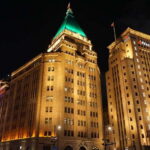
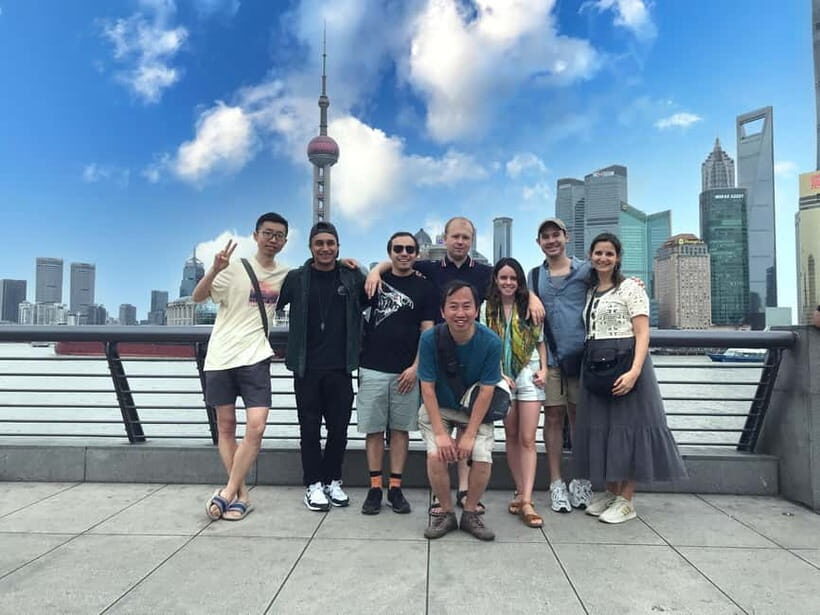
You’ll hear about the Bund Promenade as the place where the city’s modern face and international connections showed up in architecture. Bill ties specific landmarks to the era when Shanghai earned its nickname as the Wall Street of Asia in the 1930s. The idea isn’t just that money was here. It’s that Shanghai’s skyline became a visible symbol of trade, business, and global influence.
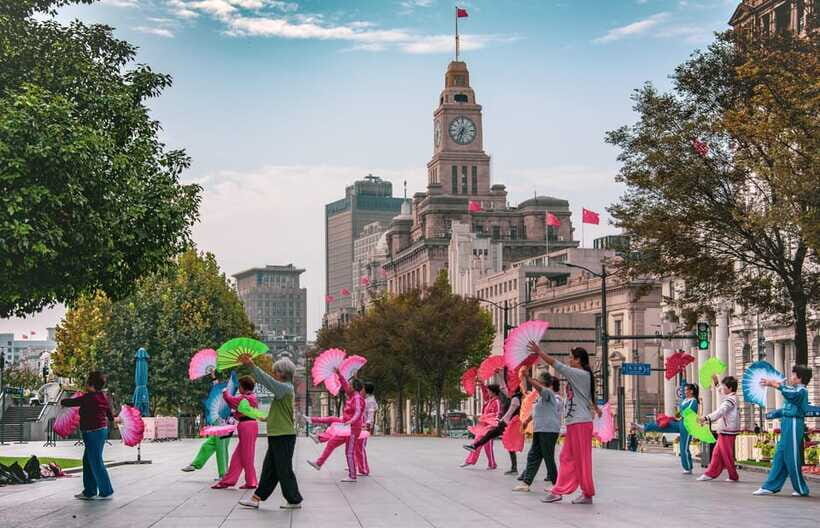
On this stretch, you’ll also pass the Customs House, known as Big Ben, and see other landmark buildings tied to foreign presence and commerce, including the Former HSBC Building. Standing there, it’s easier to understand how the city’s waterfront became a stage for economic ambition.
One practical bonus: the route often includes shaded sections at times, so you can manage heat more comfortably than you might expect from a pure walking tour.
Other walking tours we've reviewed in Shanghai


The Bund Promenade: photo stops with context (and fewer tourist-only vibes)
The Bund itself is famous for a reason. The riverfront views are dramatic, and the scale is hard to replicate from a distance.
But the value here is what happens while you’re there. Bill explains what the different eras of architecture tried to communicate—power, stability, global connection—and how the city’s story changed as new governments and economic eras took over.
If you like architecture, you’ll enjoy how you can connect the “look” of the buildings to the “why” behind them. If you don’t, it’s still useful, because you’ll come away knowing what you’re looking at instead of just what it’s called.
Shanghai lane house glimpses: the city behind the postcard
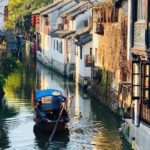
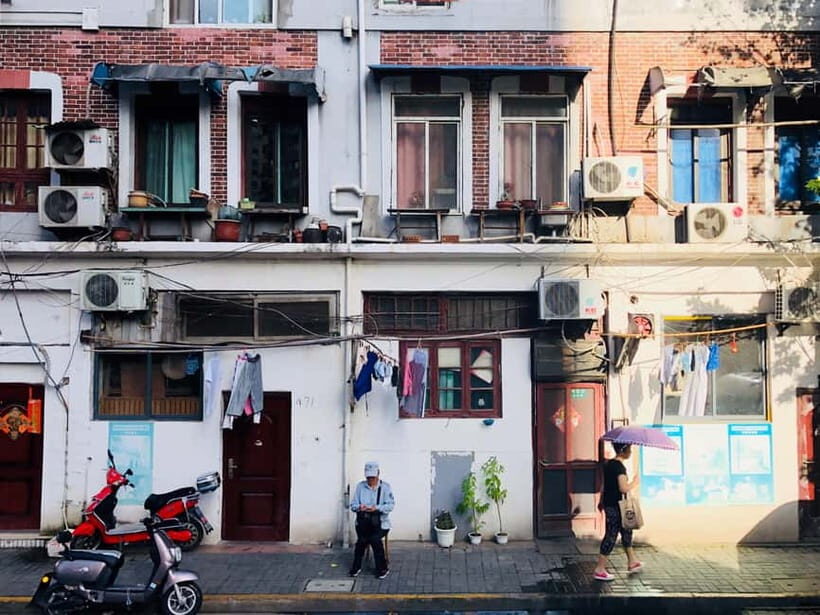
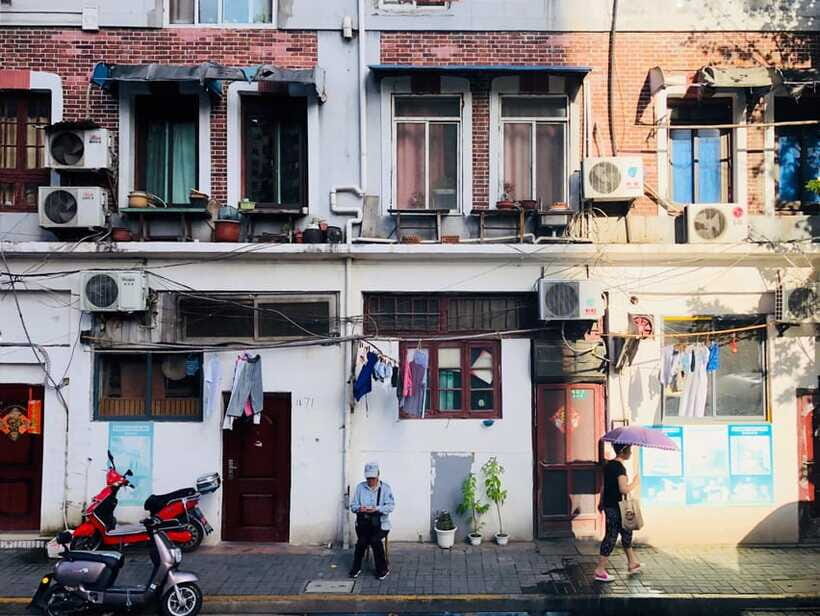
After the big landmark zones, the tour shifts back toward street life. You’ll pass through areas that give you glimpses of a Shanghai lane-house style—older residential forms that show how people lived before the city restructured itself around modern districts.
This part can be subtle, but it’s where Shanghai feels human. You’ll notice details you’d miss if you were rushing from museum to museum. Think doorways, street rhythm, and the sense that the city isn’t only about major boulevards.
It’s also a good moment to ask questions. Bill is ready for history and everyday-living topics, and he can help you understand the differences between what’s preserved, what’s rebuilt, and what’s replaced.
The Yuyuan Old Town and Bazaar: 400-year-old streets you can actually walk
Then it’s time for the Old Town side of Shanghai: Yuyuan Bazaar and its surrounding streets.
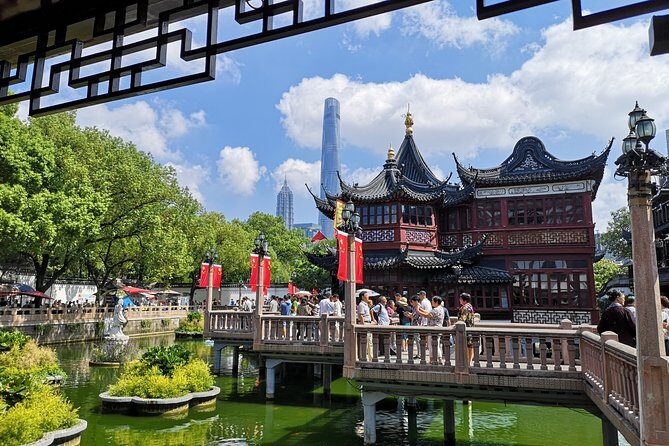
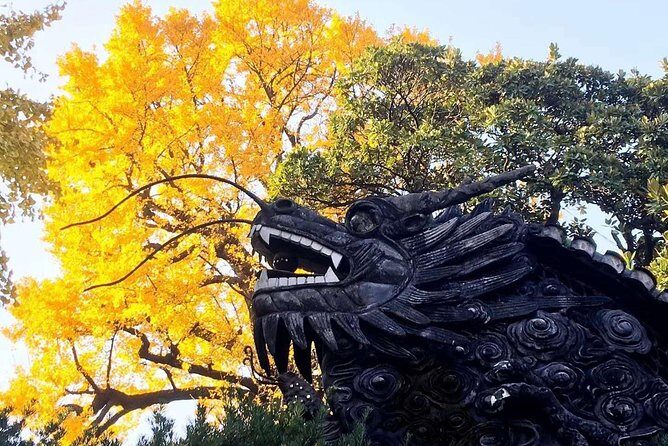
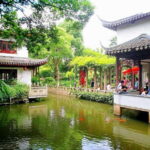
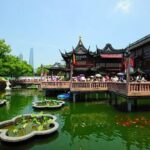
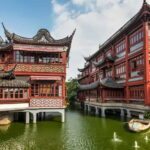
The key detail you’ll hear is that the Yuyuan area includes an ancient garden with a history reaching back hundreds of years. That matters because you’re not just buying souvenirs. You’re walking through a designed space that reflects older cultural values—layout, architecture styles, and the way visitors were expected to move.
In practical terms, this is also one of the best parts for photos. You’ll see traditional pavilions and older architectural forms that look great in daylight and are fun to explore on foot.
At the bazaar, the atmosphere becomes more market-like. It’s a place where you can feel the tourist energy, sure, but it also offers a sense of how this area functions as a hub between local tradition and modern Shanghai shopping.
Traditional food street and the fried-dumpling tasting
This tour’s food moment is one of its most memorable. After moving through the Old Town and market streets, you’ll pass a popular local food street and get a fried-dumpling tasting.
This isn’t just about eating. It’s about learning how to order and what to pay attention to. Bill can guide you toward options that match what the area is known for, which is helpful if you’re not fluent in menus.
If you like food travel that stays practical, you’ll enjoy this. A taste during a walking tour beats trying to “find the best dumplings” on your own when you’re tired, hungry, and surrounded by menus.
How the 2.5 hours work in real life (pace, comfort, and value)
At $34 per person for about 2.5 hours, the price is competitive for a guided route that covers multiple top-tier areas. You’re not paying just for the sights—you’re paying for someone who can connect them and keep you moving with purpose.
The pacing is also a real part of the value. This tour keeps stops frequent enough to stay interesting but not so frantic that you feel constantly rushed. In hot weather, that balance matters. You’ll also benefit from the fact that the route can include shaded sections.
What to bring is simple but important:
- Comfortable shoes
- Camera
- Sunscreen
- Water
Who this walking tour suits best
This is a great fit if you:
- Want an orientation to Shanghai that goes beyond surface sightseeing
- Like history told in story form while you’re standing in the real locations
- Want local food guidance without making it a whole separate food day
- Prefer walking at a steady pace with stops that feel purposeful
It may not suit you as well if you have significant mobility constraints. The tour is listed as wheelchair accessible, but it’s also flagged as not suitable for wheelchair users and people with mobility impairments—so I’d treat that as a signal to confirm details directly with the operator before you commit.
Should you book this Shanghai highlights tour?
Yes, if you want the Bund, People’s Square, and Yuyuan Old Town in one efficient loop—and you care about the story behind the skyline and street life. Bill’s local perspective is the heart of the tour, especially his explanations of how Shanghai shifted over time and how that shows up in what you see today.
Book it sooner rather than later if you want an early start point for the rest of your itinerary. This kind of walk works best on a first or second day, because it gives you mental maps and context for the neighborhoods you’ll explore afterward.
If you’re mainly in Shanghai for shopping and want zero walking, you might prefer a different format. But if you’re happy to step outside and learn as you go, this is one of the best ways to get your bearings fast.
FAQ
Where do I meet the guide?
You meet at Exit 1 East Nanjing Road Metro Station, right by the Tissot store, opposite the Swatch store.
How long is the tour?
The tour duration is 2.5 hours.
What places are included on the route?
You’ll cover highlights like the Bund Promenade, People’s Square and People’s Park, Nanjing Road Pedestrian Street, Yuyuan Bazaar/Old Town, and you’ll also see sites including the Customs House (Big Ben) and the Former HSBC Building.
Is the tour guide available in English?
Yes. The live tour guide speaks English.
Is there luggage storage?
Yes, luggage storage is available right by the meeting point.
What should I bring with me?
Bring comfortable shoes, a camera, sunscreen, and water.
Is the tour wheelchair accessible?
The info says wheelchair accessible, but it also notes it’s not suitable for wheelchair users and people with mobility impairments. Because of that mismatch, it’s smart to check directly with the provider before booking.
Can I book last minute?
Yes. Last-minute booking is available, and bookings stay open until the start of the tour.
Is there free cancellation?
Free cancellation is offered up to 24 hours in advance for a full refund.