REVIEW · SHANGHAI
Private Walking Tour in the Former French Concession
Book on Viator →Operated by Shanghai Melody Tours · Bookable on Viator
Shanghai’s French Concession feels like two cities. This private walking tour moves through hidden courtyards, Art Deco landmarks, and classic street life, with an English guide tying it all to China’s big story from the late 1800s into the mid-1900s. Guides like Penny, Maggie, and Kelly show up often, and the vibe stays relaxed and personal.
I really like the personal pacing. You’re not herded, and the guide can steer the walk toward what you care about, from architecture to day-to-day Shanghai culture. I also like the clear focus on standout buildings, including the Lanxin Theatre and the Cathay Mansion, which are the kind of places you’d miss if you just wandered.
One consideration: this is a 3 to 3.5-hour walk with a minimum walking time, and you’ll want comfortable shoes. If your pace is slow or you’re traveling with small kids or limited mobility, plan for breaks and keep your expectations flexible.
In This Review
- Key highlights worth knowing
- Why the Former French Concession still feels special
- Price and time: what $95 covers (and what it doesn’t)
- Meeting your guide: pickup and getting started
- Okura Garden Hotel and the French club interior style
- Lanxin Theatre: Shanghai’s early western-style stage
- Cathay Mansion: expat grandeur and Art Deco confidence
- King Albert Apartment (Royal Garden) and the expat life hidden in plain sight
- Sun Yat-sen’s former residence museum: the revolutionary chapter
- St. Nicholas Church: a small Russian Orthodox detail
- Fuxing Park: French-style gardens meeting local daily life
- Tea house option and the best kind of pause
- Guides and pacing: why private works in this area
- What to bring: shoes, weather, and comfort
- Should you book this Former French Concession walking tour?
- FAQ
- How long is the walking tour?
- What areas and landmarks will we visit?
- Are entrance fees included?
- Is hotel pickup included?
- What time options are available?
- Is a tea house visit included?
- How many people are in a booking?
Key highlights worth knowing
- Small group size (max 10): You get room for questions and detours.
- English-led storytelling: The guide connects what you see to how Shanghai changed from 1850 to 1950.
- Art Deco stops you can’t fake: Lanxin Theatre, Cathay Mansion, and more are real-world highlights.
- Sun Yat-sen museum + churches: You’ll see the French Concession layer alongside China’s revolutionary era and Russian Orthodox influence.
- Fuxing Park with local energy: It’s a French-style garden that locals still use every day.
- Tea house option: If it fits your schedule, you can add a slower moment to the walk.
Why the Former French Concession still feels special
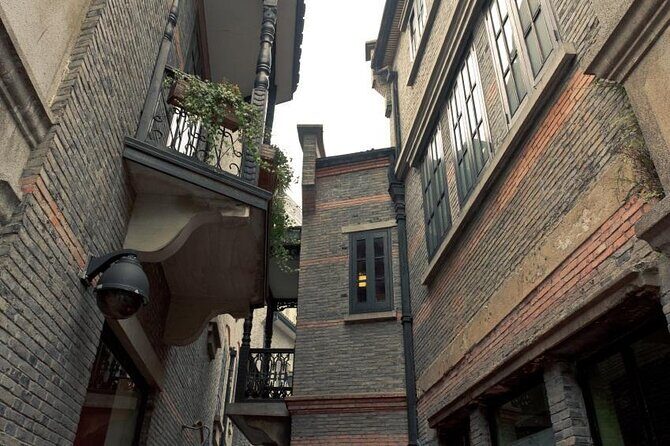
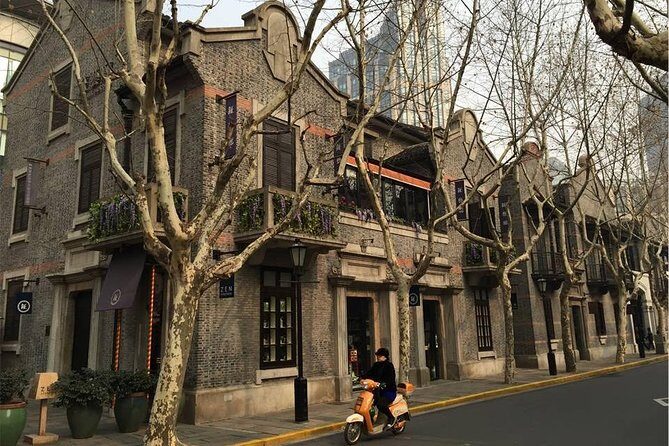
The Former French Concession is Shanghai’s “in-between” neighborhood—part Shanghai street life, part European design, part Chinese history reshaped over decades. Walking through it, you get that sense of layers: narrow lanes that open into quiet courtyards, grand interiors hiding behind busy sidewalks, and buildings that look like they belong on another continent until you notice the crowds and scooters.
What makes this tour especially useful is that it doesn’t treat the area like a museum brochure. You’ll walk through places like the old French club, theatre spaces, and expat-era apartments, and the guide connects them to the larger timeline of modern China. The conversation usually lands on how Shanghai grew, how foreign communities lived there, and how the city’s identity shifted between the late 1800s and the mid-1900s.
And since this is private, the walk can match your interests. If you love architecture, you’ll get more time on facades, interiors, and design details. If you’re more into everyday culture, you’ll likely spend more time on the street scenes and the local rhythm around stops like Fuxing Park.
Other private city tours we've reviewed in Shanghai

Price and time: what $95 covers (and what it doesn’t)
At $95 per person for about 3 to 3.5 hours, this sits in the “worth it if it saves you confusion” category. The value isn’t just the sightseeing list. It’s the guide translating what you’re seeing—so you don’t end up standing in front of a beautiful building thinking, I guess this is important.
Entrance fees are included, so you’re not juggling tickets while you’re trying to enjoy the walk. The tour also offers hotel pickup, which matters in Shanghai, where getting from one side of a neighborhood to another can turn into a timing game.
A key detail to keep in mind: the plan involves moving between attractions, and the experience notes say you’ll either take taxi or public transportation to the sites at your own cost, depending on the route. So even though transportation is listed as included, I’d still budget a little for local transit between stops just in case your day requires it.
Meeting your guide: pickup and getting started
You’ll meet your guide at your hotel lobby and start the walk from there. The tour runs in the morning or afternoon, with departure times at 10:00 and 2:00. That flexibility is handy because the Former French Concession can feel very different at different times—morning is calmer for photos, while afternoon can be better for park atmosphere.
After the tour, your guide will arrange taxi back to your hotel, or you can keep exploring on your own. That’s a smart setup: you get guided context first, then freedom afterward.
One practical tip from the general pattern of this tour: wear shoes you can walk in for a few hours. The sights are close enough to do on foot, but the route still involves plenty of street walking. If it’s raining (the tour operates in all weather), you’ll still be moving, so light rain gear can help.
Okura Garden Hotel and the French club interior style
The tour often begins at the Okura Garden Hotel, the former French club. Even if you’re not a design person, you’ll notice the interior story right away. The hotel lobby in the eastern part is known for French classical style, and it gives you a good baseline for what “French Concession design” means beyond the street grid.
This stop works well early in the tour because it gives you a visual reference point. After you see the style inside, the rest of the walk makes more sense. Later buildings stop feeling random and start feeling like part of an ongoing design language.
A possible drawback: hotel interiors can feel a bit more formal than the street scenes. If you prefer outdoor wandering, you might want to ask your guide to balance time between building interiors and the neighborhood lanes as the day continues.
Lanxin Theatre: Shanghai’s early western-style stage
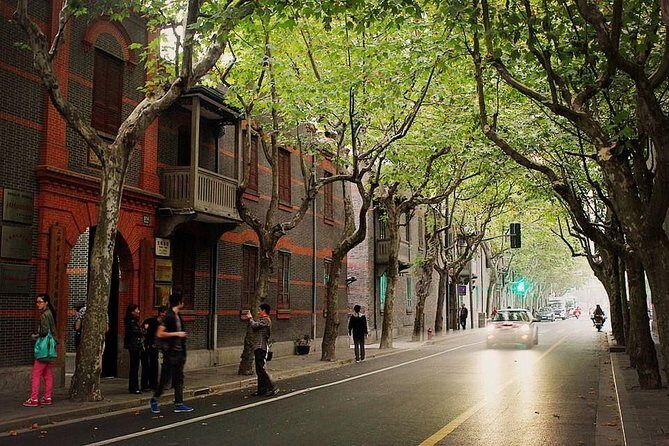
Next up is the Lanxin Theatre, described as the first western-style theatre in Shanghai. This is the kind of place that makes you slow down, because the theatre idea—especially in an era when live performance was a social event—changes how you read the neighborhood.
You’re not just looking at a building. Your guide should connect the dots between foreign cultural spaces and the broader shift in Shanghai’s public life. The theatre becomes a clue about who was watching what, where people gathered, and how western-style venues fit into a Chinese city.
If you’re a photo person, plan for a few minutes of quiet. Theatre buildings often have strong lines and a mix of decorative and functional elements. Even when the exterior is the main view, your guide can point out things that aren’t obvious at sidewalk speed.
Other French Concession walks we've reviewed in Shanghai




Cathay Mansion: expat grandeur and Art Deco confidence
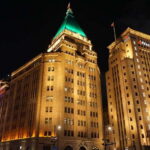
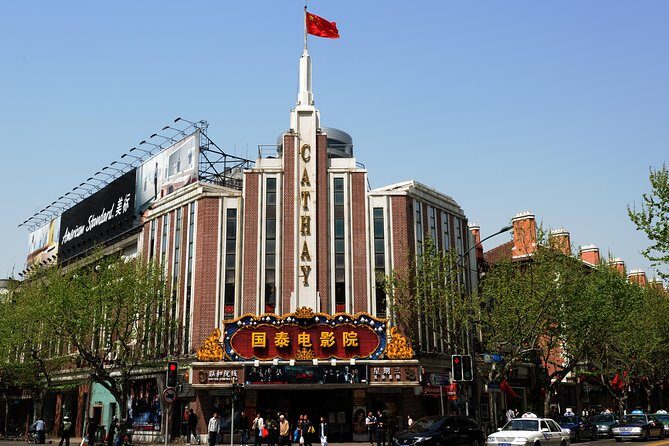
The Cathay Mansion ties together architecture and social history. It was formerly owned by the famous Sassoon family, and it became a host for distinguished guests worldwide starting around the 1950s. Architecturally, it’s known for typical Art Deco style.
This is one of the stops where the tour’s storytelling really pays off. Art Deco can look like decoration if you don’t know the context. With the guide’s framing, it starts to feel like a statement—about modernity, status, and how Shanghai wanted to present itself during a period of intense change.
One note: Art Deco interiors aren’t always fully accessible depending on the building’s rules on the day. Still, the stop remains valuable because you’ll likely get enough exterior and entry-area context to make the design readable.
King Albert Apartment (Royal Garden) and the expat life hidden in plain sight
The King Albert Apartment, also popularly called Royal Garden, was built by a French Catholic church for expatriates living in Shanghai. What makes this stop especially fun is the location feel. It’s hidden between two busy narrow streets, so you suddenly realize you’re walking through a neighborhood that has private, inside-world spaces tucked behind public noise.
This is a good place to pay attention to the contrast. The exterior street can look cramped and fast. Then you get the sense of a quieter domestic environment meant for a very different lifestyle. That contrast is a huge part of why the French Concession story feels real instead of romantic.
If you’re traveling with kids, this stop can work because it’s like a story of secret spaces. And if you’re traveling with seniors, this can be an enjoyable pause point—more about atmosphere than sprinting from one viewpoint to the next.
Sun Yat-sen’s former residence museum: the revolutionary chapter
Then you move into the former residence of Dr. Sun Yat-sen, a museum of China’s revolutionary history. This stop matters because it pulls you away from purely architectural sightseeing and forces the timeline into view.
Even if you’ve read about Sun Yat-sen before, seeing the site in the context of Shanghai’s changes helps you understand why this period shaped the city’s identity. The guide typically explains the larger story around the revolution and how Shanghai fit into the modernizing push.
One drawback to consider: museums naturally slow the pace. If you only want walking and outdoors, this can feel like a change of tempo. But if you’re here for meaning, this is one of the most important anchors on the route.
St. Nicholas Church: a small Russian Orthodox detail
The St. Nicholas Church is described as an Orthodox church built by Russian expatriates in the 1920s. It’s small but delicate, which is exactly why it belongs on a walking tour. Up close, you’ll see design details and feel the place as something crafted, not just a big landmark.
This stop also adds a useful contrast to the French layer of the Concession story. You’re seeing how multiple foreign communities shaped the area, each leaving behind a different cultural imprint.
If you care about architecture, ask your guide what stands out stylistically and why it might have been built there. The best answers turn the church into a clue about settlement patterns and community needs.
Fuxing Park: French-style gardens meeting local daily life
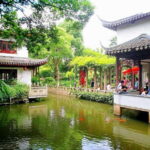
The tour ends (or heavily features) Fuxing Park, described as the only French-style garden in China. Over the past century it’s gone through many changes, and today it’s popular for morning exercise by older residents and also evening gathering for nightlife-style hangs, including clubs and KTV parties.
That detail is the real value here. You don’t get a fenced-off historic park that only exists for tourists. You get a neighborhood park that’s still in use, which means you can observe the living rhythm around you.
I love this stop because it gives you a breather. After the buildings and museum time, you get open air and a sense of what people do when they’re not sightseeing. If you want photos, afternoon can be good for activity, while morning can be better for calmer light and exercise scenes.
Tea house option and the best kind of pause
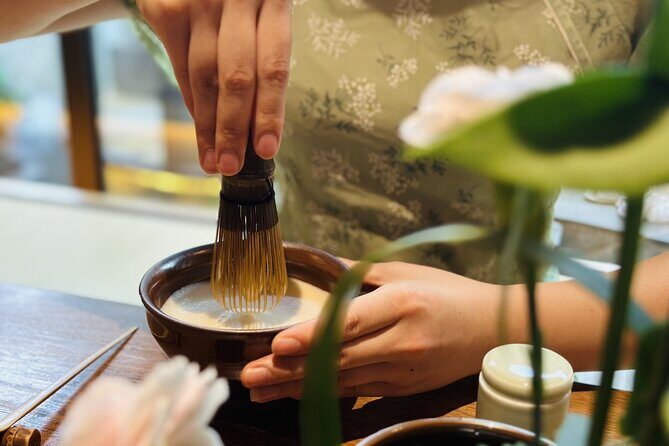
An optional tea house visit is included. That’s a simple but smart add-on because it turns the tour from pure movement into a slower cultural moment. It also helps you recover without wasting your own planning time.
If you’re not sure whether to take it, decide based on your energy level and interests. If you like tasting, it’s a nice break. If you prefer to keep walking and keep seeing, you might treat the tea house as a flexible stop depending on timing.
Also, keep an eye out for street snacks during the route. One recurring theme from guide-led tours in this neighborhood is the chance to try small local foods while the guide keeps the story going.
Guides and pacing: why private works in this area
This tour’s success depends a lot on the guide, and the names that appear often—Penny, Maggie, Kelly—point to a pattern: guides who can explain big China history without making it feel like a lecture.
A strong guide does three things well here:
- Connects architecture to the era you’re walking through.
- Keeps the route moving, but not rushed.
- Makes space for questions and detours, especially in the narrow back-alley feel of parts of the Concession.
You’ll also notice that the tone tends to be friendly and flexible. Some tours run longer when you’re having good conversation or when the group wants more time on photo stops. That’s not something you should count on, but it’s a good sign that the guide understands you’re on vacation, not in class.
For families, this area can be great because it’s visual and story-driven. For solo travelers, private format helps you avoid the awkward feeling of walking with a group that doesn’t share your curiosity.
What to bring: shoes, weather, and comfort
The tour operates in all weather conditions, so dress for the day. Comfortable shoes are a must because you’re walking for at least about 3 hours. If rain is expected, bring something light you can wear over your clothes without overheating.
Bring a way to take photos, of course. And plan for pauses. Even when the tour feels relaxed, you’ll want a moment to step back and let your guide point out what you might otherwise miss.
If you’re sensitive to crowds, consider the time of day. Afternoon tends to be livelier, while morning is often easier for quieter street scenes.
Should you book this Former French Concession walking tour?
If you want Shanghai that feels human and historical at the same time, I’d book it. This is a solid choice if you care about Art Deco architecture, want to understand why the French Concession looked the way it did, and like having an English guide translate the “why” behind each stop.
I’d skip it or choose another option if you strongly dislike walking for several hours or you’re hoping for a very fast, checklist-style tour. The strength here is the slower, story-based pacing—not speed.
One smart way to decide: tell the guide what you like most—architecture, revolutionary history, churches, or park life. With a private format and a route built around real neighborhood places, the tour can match your curiosity more than a generic sightseeing bus ride ever will.
FAQ
How long is the walking tour?
It runs about 3 hours to 3 hours 30 minutes.
What areas and landmarks will we visit?
The itinerary includes stops such as Okura Garden Hotel, Lanxin Theatre, Cathay Mansion, King Albert Apartment (Royal Garden), the former residence of Dr. Sun Yat-sen, St. Nicholas Church, and Fuxing Park.
Are entrance fees included?
Yes. Entrance tickets are included in the tour.
Is hotel pickup included?
Yes, hotel pickup is included. Your guide meets you at your hotel lobby.
What time options are available?
You can choose a morning departure at 10am or an afternoon departure at 2pm.
Is a tea house visit included?
There is an option to visit a tea house, and that option is included as part of the experience.
How many people are in a booking?
The tour is limited to a maximum of 10 travelers per booking.