REVIEW · SHANGHAI
Private Full-Day Tour: Incredible Shanghai Highlights
Book on Viator →Operated by Jennys China Tours · Bookable on Viator
Shanghai makes sense in one packed day. This private day ties together Pudong skyline views and the Bund so you get today’s skyscraper swagger and Shanghai’s old waterfront in the same morning-to-evening rhythm. One heads-up: the tower observation decks in Lujiazui are usually an extra ticket cost.
I also like how this tour stays flexible. You start with hotel pickup from a central spot, then you can tell your guide what you want more of, and they reorder to match your pace. Expect a lot of walking, but it feels organized—especially with a real person managing the flow.
In This Review
- Key things that make this Shanghai day worth it
- How the route turns into a smart Shanghai “greatest hits”
- Picking your Pudong tower: Oriental Pearl, World Financial Center, or Shanghai Tower
- Shanghai Tower: big on scale
- Oriental Pearl Tower: the classic Shanghai silhouette
- World Financial Center: dramatic “bottle opener” lines
- The practical bit you should plan for
- The Bund walk: colonial architecture along the Huangpu River
- Yu Garden and Yuyuan Old Street: ponds, pavilions, and old-school shopping
- Ticket timing: do the passport step early
- Then go shop, snack, and stroll on Yuyuan Old Street
- Confucius Temple: a spiritual site built around learning
- Dumpling lunch as a fuel stop (and a cultural one)
- Tang-dynasty tea ceremony at the Yuyuan bazaar: pause, taste, learn etiquette
- Former French Concession: architecture with a modern pulse
- Getting around in Shanghai: private car timing vs metro/taxis
- Price and value: where the $109 really goes
- Practical tips so your day doesn’t feel rushed
- Should you book this private Shanghai highlights tour?
- FAQ
- How long is the private Shanghai highlights tour?
- Do you pick me up from my hotel in central Shanghai and return me afterward?
- Is the observation deck in Pudong included?
- Which attractions have entrance fees included?
- What about lunch?
- Is the tour only for my group?
- Can the itinerary be adjusted during the day?
- Do I need my passport for tickets at Yu Garden?
- How do you handle transportation—private car or public transport?
- What is the cancellation window?
Key things that make this Shanghai day worth it
- Your Pudong tower, your choice: Oriental Pearl Tower, World Financial Center, or Shanghai Tower, with observation-deck timing based on conditions
- Yu Garden is handled like a priority: you provide your full name and passport number to secure your Yuyuan Garden ticket and bypass queues
- Confucius Temple + Ming-era gardens: included time at the Confucius Temple and Yu Garden’s ponds, pavilions, and Grand Rockery
- Tea ceremony as a real cultural pause: a Tang-dynasty tea ceremony with tasting and etiquette, tied to the Yuyuan bazaar area
- Bund + Former French Concession mix old and new: colonial-era architecture along the Huangpu River, then strolling side streets with shops and cafés
- Strong guide support: guides like Peggy, Apple, Troy (小张), Nora, and Kristy are repeatedly praised for clear English and practical flexibility
How the route turns into a smart Shanghai “greatest hits”
This is the kind of day that works when you want maximum variety without spending your limited time arguing with maps. You hit five big zones that make Shanghai click:
1) the futuristic skyline on the Pudong side
2) the historic European-waterfront vibe along the Bund
3) classic garden Shanghai at Yu Garden
4) scholarship and tradition at the Confucius Temple
5) the French Concession’s left-bank feel with modern shopping and dining
The itinerary is built around walkable clusters and short transfers. The result: you’re not bouncing across the city every ten minutes. It also helps that you get a private guide who can adjust the order when you have a preference—extra time at one sight, a break for coffee, or a detour if something catches your interest.
Other private city tours we've reviewed in Shanghai

Picking your Pudong tower: Oriental Pearl, World Financial Center, or Shanghai Tower
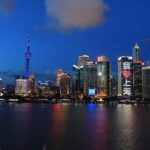
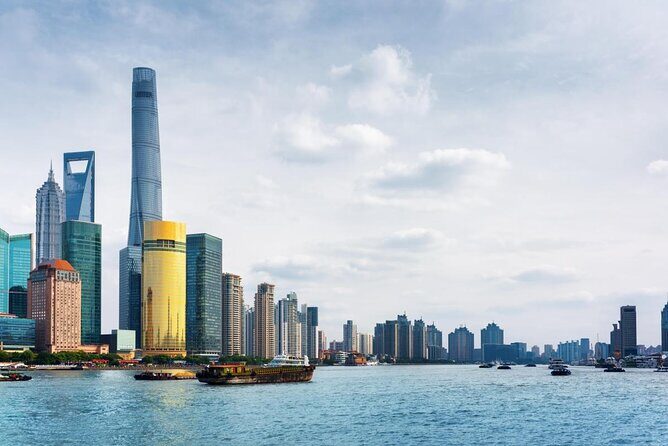
Pudong is where the city shows off. The tour gives you a choice of observation deck viewpoints, and that choice matters more than it sounds.
Shanghai Tower: big on scale
Shanghai Tower is the star if you want the iconic megatall experience: 632 meters tall, 128 stories, and (as stated in the tour info) the world’s highest observation deck and the world’s fastest elevators. If you’re the type who likes getting the “wow” shot from an extreme height, this is your pick.
Oriental Pearl Tower: the classic Shanghai silhouette
If you want Shanghai’s signature look—plus a more familiar landmark shape—Oriental Pearl Tower is the one. At 468 meters, it was the tallest structure in China from 1994 to 2007, and it’s classified as an AAAAA scenic area. It’s a great option when you want iconic photo moments without overthinking it.
World Financial Center: dramatic “bottle opener” lines
World Financial Center is for people who like sleek skyline geometry. It has multiple observation decks (on the 94th, 97th, and 100th floors, with the 100th being the highest). If you want to compare “how high can it go” from a tall, recognizable business landmark, this fits.
Other Shanghai highlights day tours we've reviewed in Shanghai


The practical bit you should plan for
Observation decks in Lujiazui are listed as own expense. That means you should budget extra for the ticket you choose. The timing in the day is tight (roughly 15–30 minutes at each tower stop, depending on the chosen option), so if the weather or visibility is poor, you’ll want to decide quickly whether you still want to go up.
Also, the tour info notes that the observation-deck choice can be based on conditions. That’s useful: when smog or clouds hide the view, you’d rather spend your time elsewhere than stand in line staring at a gray ceiling.
The Bund walk: colonial architecture along the Huangpu River

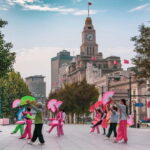
After Pudong, the tour shifts you to the other Shanghai mood: the Bund (Wai Tan). This is the waterfront strip along the Huangpu River with rows of European-style buildings dating from the late 1800s and early 1900s.
What you’re looking at here is more than pretty facades. These buildings once housed banks, trading houses, and consulates from multiple countries. So as you walk, you’re seeing how Shanghai became a port city with global reach long before the current skyline went vertical.
Why I like this stop in particular: the contrast. You’ve just been above the clouds in a futuristic tower. Now you’re at street level, facing the old money-and-trade architecture that made the city matter.
Plan for about an hour. You can stretch it if you’re the type to stop for photos every few steps, but don’t skip the walk itself. The Bund is best when you move—slowly—so the buildings change as you angle along the river.
Yu Garden and Yuyuan Old Street: ponds, pavilions, and old-school shopping
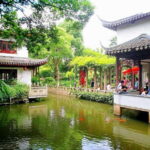
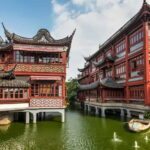
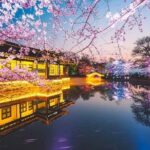
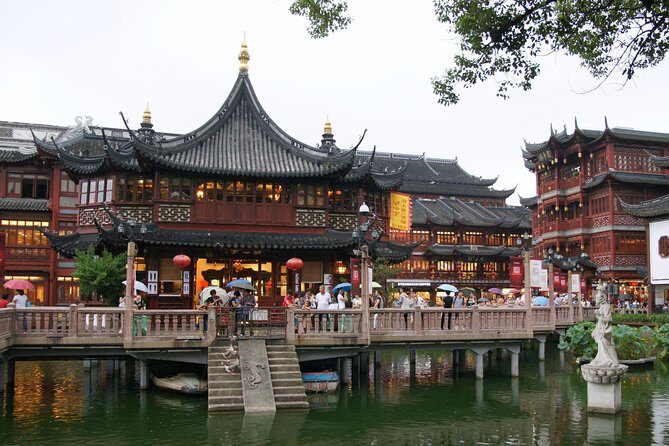
Yu Garden (Yuyuan) is Ming-dynasty garden design at its most famous. The garden dates back to 1559 and is known for ponds and pavilions, plus the Grand Rockery (a standout feature). If you’ve only seen Shanghai as a skyline on postcards, Yu Garden is where you get the softer side of the city—architecture that’s meant for wandering and pausing.
Ticket timing: do the passport step early
The tour info says you’ll need to provide your full name and passport number to secure the Yuyuan Garden ticket and bypass queues. Do this right away when asked. This one detail can save your day from that particular kind of travel annoyance: standing still when you want to be inside.
Then go shop, snack, and stroll on Yuyuan Old Street
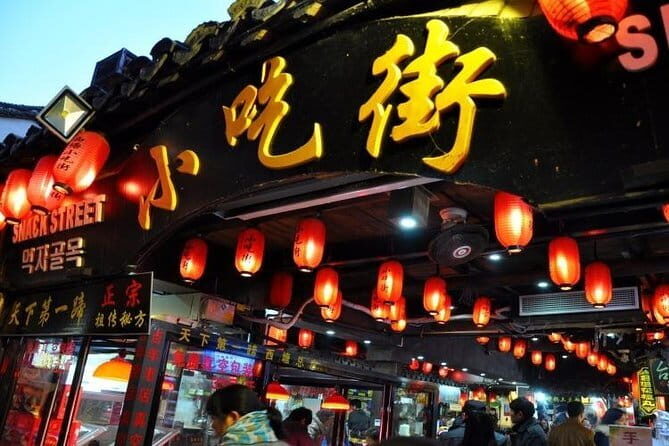
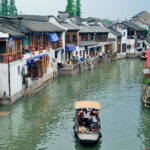
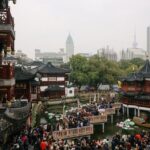
Right after the garden, you have time in Yuyuan Old Street (also called Miaoqian Dajie). It’s an old business street that mixes shops, cultural exhibits, and entertainment, plus early-style commercial landmarks like an old bank and gold and jewelry stores (as described in the tour info).
This is a good place to break your walking rhythm and refuel. Also, it pairs nicely with what comes next in the itinerary: tea ceremony and market atmosphere. You’re already in “old Shanghai” mode, so the experience stays coherent.
Expect around an hour at Yu Garden and another hour at Yuyuan Old Street.
Confucius Temple: a spiritual site built around learning
Then the tour moves to Shanghai Confucian Temple. It was founded during the Yuan Dynasty, when Shanghai was still described as a small fishing village. The temple is dedicated to Confucius and is presented as combining a spiritual temple with education.
In plain terms: this isn’t only a pretty landmark. It’s a place where you can understand how Chinese philosophy was tied to learning and community life. Even if you don’t read Chinese inscriptions, the guide context helps you see what the spaces were meant to do.
This stop comes with included entrance time in the itinerary. It’s around an hour, and it fits well after the garden. You shift from “designed nature” to “designed meaning.”
Dumpling lunch as a fuel stop (and a cultural one)
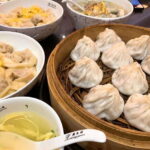
Lunch is built around dumplings, described as an authentic dumpling lunch at a centuries-old restaurant. The important thing for you is timing and energy. After Pudong, Bund, and a garden, you’ll likely need food that’s fast, filling, and aligned with what you’ve been seeing all day.
The tour lists dumpling lunch as own expense unless you select the lunch option. If you do want lunch included, choose that option when booking so you’re not trying to hunt for a solid meal while you’re already on a schedule.
One more useful angle: a good guide will treat lunch as part of the day, not an interruption. Guides such as Peggy and Apple are repeatedly praised in the supplied feedback for making the meal feel local and accommodating, including dietary requests when provided ahead of time.
Tang-dynasty tea ceremony at the Yuyuan bazaar: pause, taste, learn etiquette
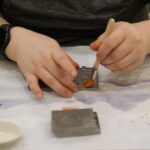
This is one of the more memorable parts of the day because it slows you down. The itinerary includes the Yuyuan bazaar and a Tang-dynasty tea ceremony, including tasting local teas and learning tea-drinking etiquette.
Tea ceremonies can go two ways on tours: a quick prop event or a real, explained experience. Here, the emphasis is on tasting and etiquette, which makes it practical. You’re not just watching; you’re doing something small that connects you to local culture.
If you enjoy souvenirs that actually make sense, this is also where you can ask about tea shopping in a less-tourist fashion. Some guides, including those praised like Apple and Peggy, are described as taking people to places to buy teas. Whether it happens for you depends on your preferences and time, but the tour’s flexible nature makes it possible to request.
Former French Concession: architecture with a modern pulse
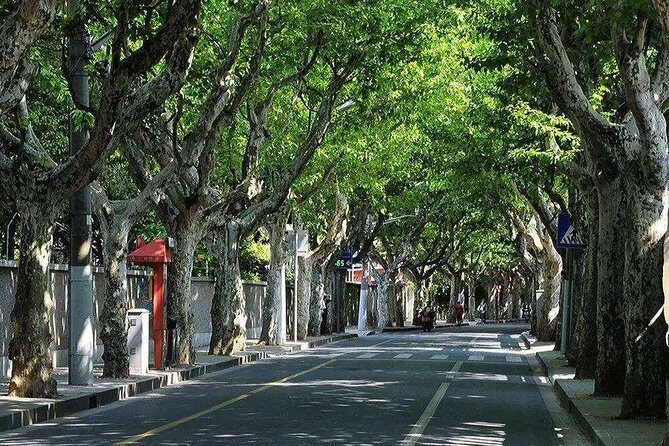
The Former French Concession is where Shanghai starts to feel like a mix of old city planning and current-day lifestyle. The tour describes it as an east-meets-west area, with pretty streets and colonial-era buildings converted into shops and restaurants.
This is a great final stretch because you get to breathe. You’re done with the structured “sight stops” but still inside a part of town where wandering makes sense. It’s also where you can use your guide’s suggestions: where to stop for coffee, where to browse, or simply which street is worth the extra ten minutes.
The itinerary gives about an hour here. Use it. Even if you don’t buy anything, just walk. The French Concession works when you move slowly enough to notice the building details.
Getting around in Shanghai: private car timing vs metro/taxis
Transportation is where value either holds up or falls apart in a full-day Shanghai plan.
Your options depend on what you book:
- you can go by private vehicle (recommended if you want less hassle and tighter timing)
- or you can use metro/taxis, with the option described as available for smaller groups (up to four) where public transport may be used, with costs paid on your side
Why this matters: Pudong is across the city from the older neighborhoods. A private car can reduce back-and-forth waiting. It also helps when you want the schedule to stay smooth across multiple zones.
If you’re traveling as a small group and you’re comfortable paying for metro/taxis yourself, it can still work well. The key is that your guide and your selected route need to match how willing you are to handle local transit flow.
Price and value: where the $109 really goes
At $109 per person, you’re paying for more than “a driver and a ticket.” The tour info makes it clear that a personal guide is included, plus hotel pickup and return. You’re also getting structure across multiple neighborhoods in one day, which can easily cost you time (and money) if you try to DIY this route.
Here’s what’s included in the experience package:
- personal tour guide services
- pickup from a centrally located hotel and return
- private car or metro/taxis depending on your selected option
- entrance fees if option selected
- dumpling lunch if option selected
What’s not included by default:
- observation decks in Lujiazui (you pay for the tower experience you choose)
So, the real value equation is this: you’re buying convenience and interpretation. You’re also buying decision help on what to see where. If you care strongly about going up Shanghai Tower or another major deck, budget extra. If you’re mostly there for the streets, gardens, and waterfront, then your extra spending can be smaller.
Practical tips so your day doesn’t feel rushed
A smooth day in Shanghai is mostly about comfort and prep.
- Wear comfortable shoes. The tour mixes waterfront walking, garden paths, and neighborhood strolling.
- Dress for the season. You’ll be outside enough that weather changes your comfort level.
- Tell your guide your priorities at the start. The tour is built around flexibility, so don’t be shy about asking for more time where it matters to you.
- Share dietary needs upfront if you have them. The tour info specifically asks for dietary requirements, and the supplied feedback includes examples of guides adjusting for dietary restrictions.
- If you want Yuyuan Garden ticket efficiency, prepare the name and passport details when requested. That’s how you bypass queues.
One more small mindset shift: treat this day as a sequence of neighborhoods, not a checklist. When you move from Pudong to the Bund to Yu Garden, the city makes more sense than if you treat each stop like a separate world.
Should you book this private Shanghai highlights tour?
Book it if you want a guided day that connects Shanghai’s eras: skyline modernity, historic waterfront, classic gardens, and neighborhood character. The format is especially good for first-timers who don’t want to plan transit timing or figure out what goes best with what.
I’d think twice if you hate extra ticket costs for observation decks. The Lujiazui tower experience is marked as an own-expense element, and the day is timed tightly around it. Also, if you’re hoping for a slower pace with lots of sit-down time, you may want to plan for breaks on your own during the French Concession hour.
With a rating of 4.9 and a 98% recommendation rate in the provided performance snapshot, plus strong guide mentions like Peggy, Apple, Troy (小张), Nora, Kristy, and Grace, the overall pattern is clear: this is the kind of tour where the human factor makes the itinerary feel smoother.
FAQ
How long is the private Shanghai highlights tour?
It runs about 8 hours.
Do you pick me up from my hotel in central Shanghai and return me afterward?
Yes. The guide meets you at your centrally located hotel and returns you to your hotel at the end of the tour.
Is the observation deck in Pudong included?
The observation decks in the Lujiazui area are listed as own expense. You can choose which tower you want to visit based on conditions.
Which attractions have entrance fees included?
Yu Garden and the Confucius Temple are listed as having entrance fees included in the itinerary. Entrance fees are described as included if you select the option that covers them.
What about lunch?
The tour includes an authentic dumpling lunch if you select the lunch option. Otherwise, dumpling lunch is described as own expense.
Is the tour only for my group?
Yes. It is a private tour/activity, and only your group participates.
Can the itinerary be adjusted during the day?
Yes. Your guide will tell you the itinerary is flexible, and you can mention what you want to see more of.
Do I need my passport for tickets at Yu Garden?
If you want to bypass queues for the Yu Garden ticket, you’ll be asked to provide your full name and passport number.
How do you handle transportation—private car or public transport?
Depending on the option you choose, you can travel by private vehicle or by metro/taxis. The info also notes that public transport may apply for groups of four or fewer, with costs paid on your side.
What is the cancellation window?
Free cancellation is available up to 24 hours in advance of the experience start time.