REVIEW · SHANGHAI
French Concession Walking Tour with Real Local
Book on GetYourGuide →Operated by Bill's Fantastic Tours · Bookable on GetYourGuide
French Shanghai has a secret heart. This 2.5-hour stroll through the French Concession lets you connect tree-lined streets and preserved buildings with the city’s big political turns, all guided in English by local Shanghainese Bill.
I especially like the mix of looks and stories: wrought-iron railings and classic street scenes sit right next to major historical landmarks. And I like that Bill doesn’t just point out buildings. He tells you how Shanghai changed over time and stays open to history questions.
One drawback: this is a walking tour and it is not suitable for wheelchair users. Also, it finishes in Xintiandi, so plan on a more commercial, nightlife-leaning end to your day.
In This Review
- Key points worth your attention
- Why the French Concession still feels like Paris of the East
- Meeting up at Okura Garden Hotel and finding your starting rhythm
- Shanghai Culture Square Theatre: a clean first step into the district
- Middle Huaihai Road: tree-lined charm plus the signs of change
- Former French Club and Jinjiang Hotel: social power buildings, explained on foot
- Sinan Mansions and the 1920s neighborhood feel
- Communist Delegation Office and the Birthplace of the Chinese Communist Party
- Ending in Xintiandi: shops, bars, and your next meal plan
- Price and pacing: is $34 a good deal for this kind of tour?
- Who this tour fits best (and who should pick something else)
- FAQ
- How long is the French Concession walking tour with a local guide?
- Where do I meet the guide?
- Is the tour wheelchair accessible?
- Is smoking allowed during the tour?
- What language is the guide?
- What major sites are included on the walk?
- What if my plans change and I need to cancel?
- Should you book this French Concession walking tour?
Key points worth your attention
- Bill’s local perspective: born and lived in Shanghai his whole life, and ready for your questions
- French Concession details: tree-lined avenues plus the ironwork and stair rails that echo Paris and Montreal
- Classic landmarks on foot: Former French Club, Jinjiang Hotel, Sinan Mansions, and more
- Politics where you’d least expect it: the Communist Delegation Office and the Birthplace of the Chinese Communist Party
- A strong finish: Xintiandi’s shops, bars, and restaurants give you an easy next stop
Why the French Concession still feels like Paris of the East
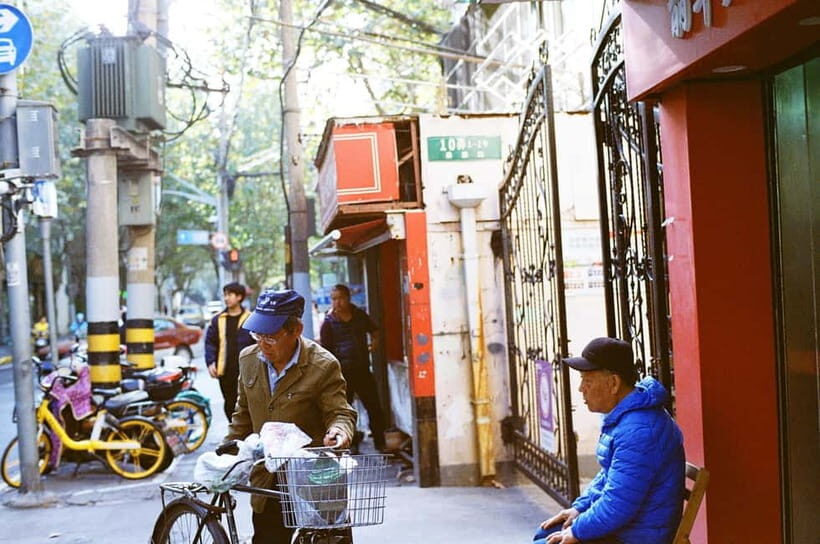
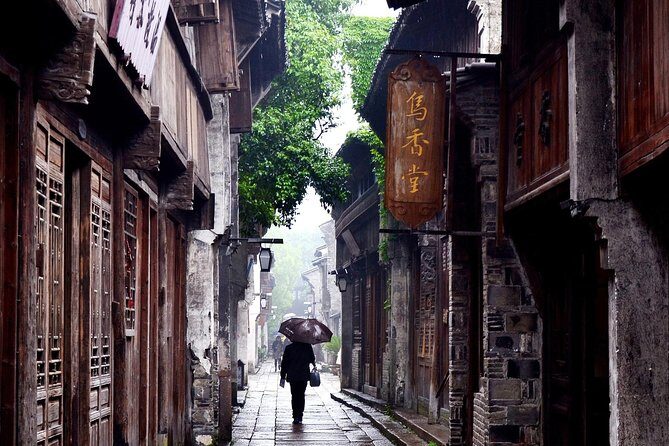
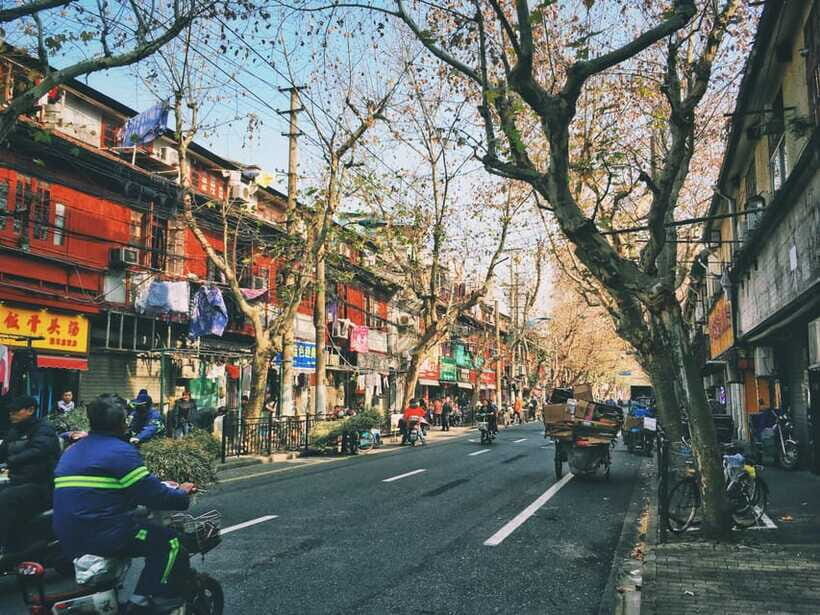
Shanghai’s French Concession is the kind of place that makes the city feel layered. You’re walking in a district that was administered by the French government from 1849 until 1946, and you can still sense that legacy in the street feel and building style. The area became a fashionable address for more than a century, and the classic “Paris of the East” vibe comes from the basics: wide avenues, trees along the road, and older buildings that were meant to look sharp.
What I think makes this tour work is that it doesn’t treat the French Concession as frozen-in-time décor. Instead, Bill ties the visuals to the city’s evolution. You’ll see how the district holds onto pieces of the past while also growing into something modern: upmarket residential and office towers, hotels, and enormous shopping malls. At the same time, older blocks and buildings have been renovated rather than erased, so you get continuity instead of a theme-park version of history.
And if you like architectural details, this one pays off. The tour highlights ironwork—especially wrought iron fences and stair railings—that look familiar if you’ve spent time around Paris (or even Montreal). Those small design choices are like clues. They tell you who wanted the district to feel European, and how that intention has survived the years.
Other French Concession walks we've reviewed in Shanghai



Meeting up at Okura Garden Hotel and finding your starting rhythm
The tour starts at Okura Garden Hotel in Shanghai. You’ll meet in front of the hotel area, and if you’re coming by subway, it’s about 100 meters to the left of Exit 3 at South Shaanxi Road Station (Line 1/10/12). For taxis, the helpful instruction is 花园饭店 (茂名南路58号).
Why I like starting here: it’s a practical launch point that keeps you close to the action of the French Concession without wasting time. Also, because the tour is only 2.5 hours, every minute matters. The meeting point makes it easier to show up, orient fast, and get moving.
What to expect in general: this is a real street walk. You’ll spend most of your time outdoors along avenues and through areas where you can actually see the mix of old and new. If you’re planning your day, don’t schedule a long, stressful appointment right after. Leave a little buffer to take pictures and to join up with Xintiandi at the end.
Shanghai Culture Square Theatre: a clean first step into the district
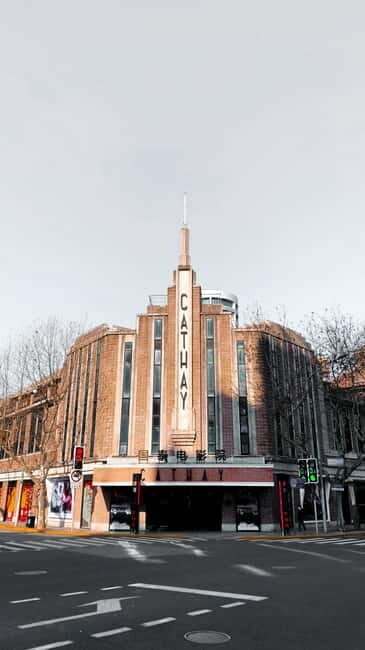
The first major stop is Shanghai Culture Square Theatre (about 20 minutes of guided time). Even at the start, this stop helps set the tone for the whole walk: this isn’t only about old-world streets. It’s also about how Shanghai uses culture and public spaces to project a modern city identity.
From here, you move into the French Concession’s street fabric. It’s a smart sequencing choice because the Culture Square area gives you a quick “big city Shanghai” frame before you shrink your focus to narrower details—street design, building fronts, and the way older neighborhoods were shaped for everyday life.
If you tend to get impatient when tours jump straight into history facts, this start helps. It gives you a visual anchor, then Bill connects it back to the bigger story of Shanghai’s growth and changing power centers.
Middle Huaihai Road: tree-lined charm plus the signs of change
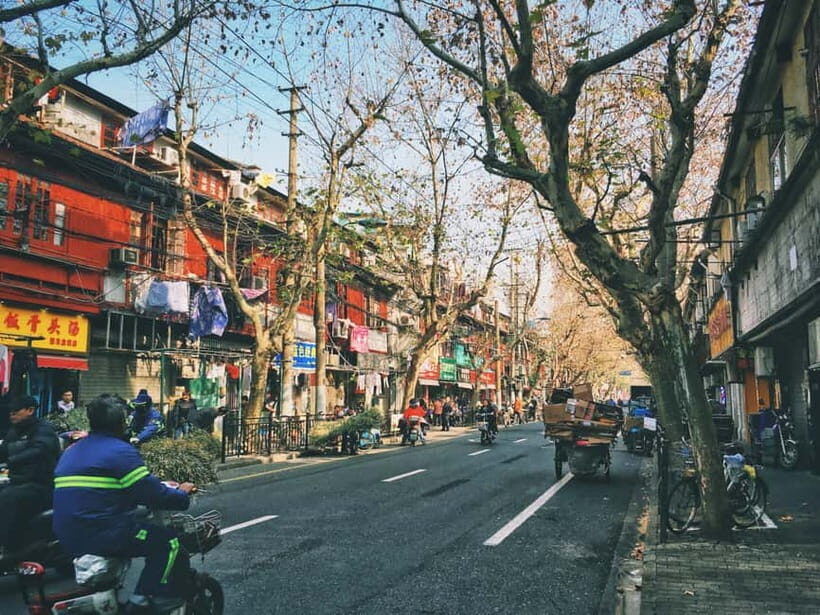
After Culture Square, you’ll walk along Middle Huaihai Road, which is one of the best ways to experience the Concession feel. Think shade from the trees, long sightlines, and that classic “civilized avenue” layout that makes the district so photogenic.
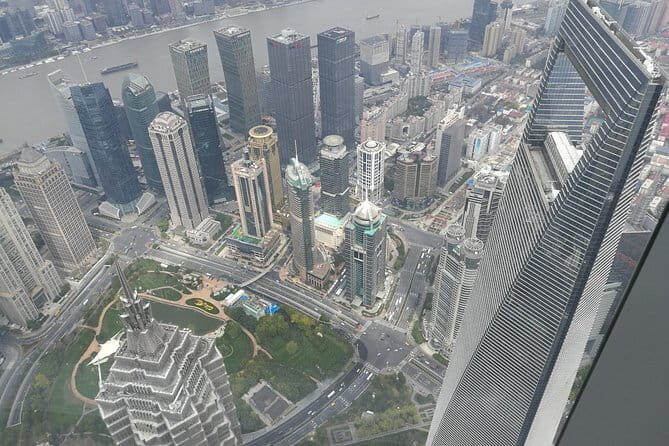
This is also where you start noticing the contrast that defines modern Shanghai. You’re not just looking at antiques. The tour points out that the French Concession is now heavily developed. You’ll see large buildings—especially upmarket residential and office towers—plus hotels and big shopping malls.
So what’s the value for you? You get a realistic sense of how Shanghai functions today. The Concession isn’t a museum district with no life in it. It’s a lived-in part of the city where heritage and growth sit side by side. That matters because it changes how you read the old buildings. They aren’t simply preserved objects. They’re part of a neighborhood that kept evolving.
Bill’s storytelling helps you link what you see to why it looks the way it does. If you’re the type who asks “Who lived here?” or “Why did they build it like this?”, this part is built for that.
Former French Club and Jinjiang Hotel: social power buildings, explained on foot
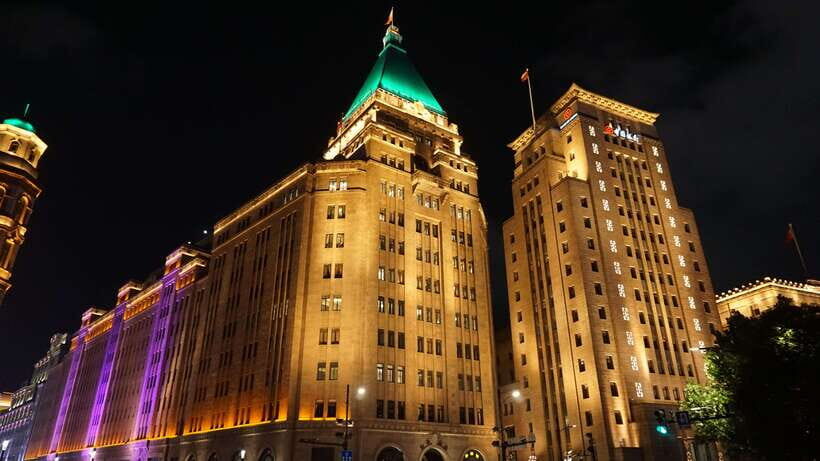
Next up: the tour takes you past major landmarks associated with the French-era presence, including the Former French Club and the Jinjiang Hotel. These stops are interesting because they’re not just pretty architecture. They represent how power and community worked in a foreign-administered concession.
As you walk from one site to the next, Bill’s local background keeps the story grounded. He doesn’t just recite dates; he explains the city’s evolution and how Shanghai’s identity shifted over time. The effect is that these buildings stop being random stops on a map. They become nodes in a larger story: who built the district, who used it, and how the meanings of these spaces changed.
This is one of the reasons the tour earns such strong ratings: Bill is described as a great story teller, and you can see why. A dry history lesson wouldn’t make these places stick. But when you understand what the French Concession was like socially—and how the area was shaped—you start noticing the building logic everywhere.
Practical note: expect more time spent looking than you might on a pure sightseeing tour. This is a walking tour with guided time at stops, so it helps to have your camera ready but also your attention switched on.
Other walking tours we've reviewed in Shanghai



Sinan Mansions and the 1920s neighborhood feel
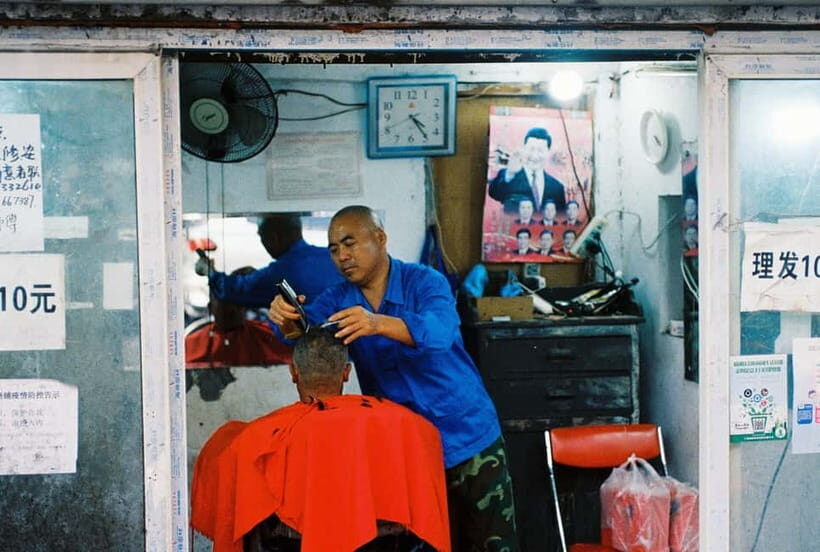
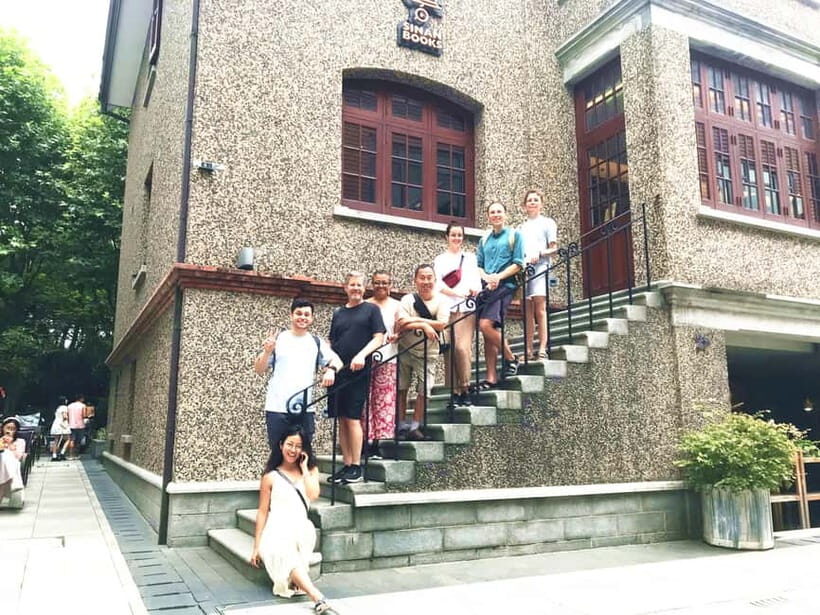
A key highlight is the 1920s old neighborhood experience, plus a stop at Sinan Mansions. This portion is where the tour leans hardest into the “details matter” part of the French Concession.
In the Concession, the 1920s and early-20th-century look can feel almost cinematic: older building silhouettes, preserved street patterns, and the kind of iron and stone detailing that gives these streets a distinct character. Bill also points out that many older buildings and even whole neighborhoods have been renovated rather than demolished. That’s important for how you interpret what you see. Renovation can mean the city saved the form while adapting the function.
For you, this means two things. First, you get a walk that feels different from Shanghai’s newer commercial blocks. Second, you learn to read the city’s “layers” instead of treating it like one continuous backdrop.
Also, if you’re a design person—fences, stair railings, facades—this is the part where you’ll probably pause more than once. The tour keeps you moving, but it gives you enough guided time to look carefully without feeling rushed.
Communist Delegation Office and the Birthplace of the Chinese Communist Party
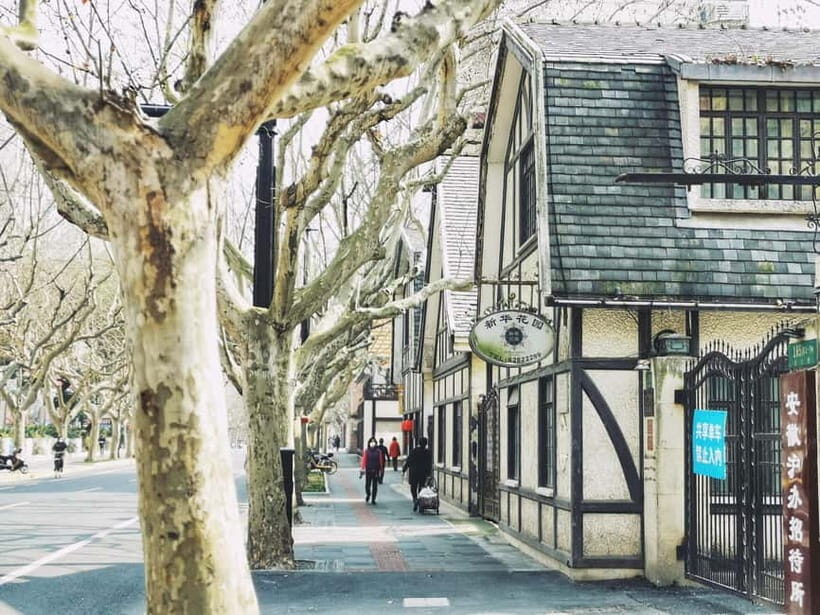
Here’s where the tour takes a sharp turn in theme. You’ll visit the Communist Delegation Office, and you’ll also see the Birthplace of the Chinese Communist Party as part of the historical stops.
This is valuable because it prevents the French Concession from becoming a one-note European postcard. Shanghai’s story isn’t just about foreign administration and architecture. It’s also about internal political change, and this district sits inside that bigger timeline.
Bill’s approach makes these sites easier to understand because he ties them back to the evolution of Shanghai as a whole. When you connect political history to the street setting, you understand why the city can hold contrasts at the same time: a French-administered urban space, then the rise of a movement that reshaped China’s future.
If you like historical context that actually helps you interpret what you’re seeing, this part is a strong reason to book. You’ll walk away with more than photos. You’ll have a mental map of how Shanghai’s identity changed and where to look for those clues in the built environment.
Ending in Xintiandi: shops, bars, and your next meal plan
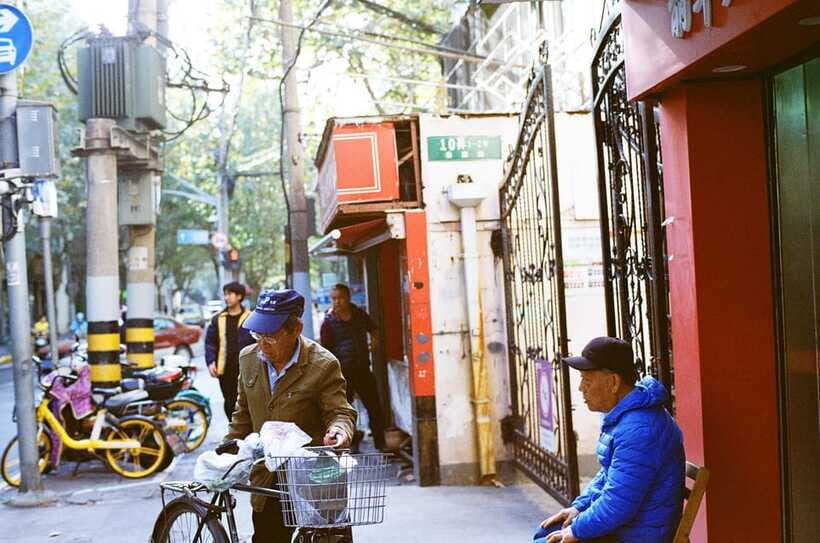
The tour ends at Xintiandi, a fashionable compound filled with shops, bars, and restaurants (about 30 minutes of guided time at the end). This finish is smart for practical reasons. After 2.5 hours of walking, you want a place where you can eat without having to sprint to your next plan.
Xintiandi also works as a fitting last act. The district reflects a modern, stylish Shanghai experience, and it helps you compare what you’ve just seen in the French Concession. You can look at the old street logic you toured earlier, then step into a more curated commercial atmosphere and notice how Shanghai packages its past and present.
If you’re hungry, this is where to go right away. The tour’s structure sets you up with that convenience. And because Bill typically offers practical suggestions, you’re likely to get ideas for what to try next—whether you want shopping, tea, or a dining choice with something a little different.
Price and pacing: is $34 a good deal for this kind of tour?
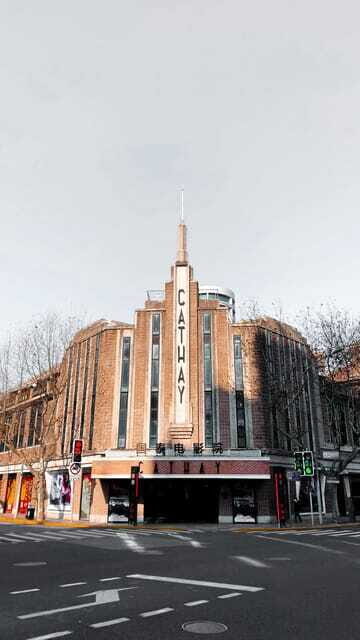
At $34 per person for 2.5 hours, you’re paying for a few things at once: guided English storytelling, a focused walking route through major landmarks, and time at historical sites like the Communist Delegation Office and the Birthplace of the Chinese Communist Party. You’re not just walking a loop. You’re getting context tied to specific places.
So is it value? For many people, yes—because the guide’s style seems to be the main driver of satisfaction. Ratings highlight Bill as a great story teller, local, fun, and prepared, with a knack for answering history questions. Reviews also mention that he keeps the group together and even helps with shopping tips after the tour. When the guide is that effective, the $34 stops looking like a “paid walk” and starts looking like paid interpretation.
Pacing-wise, it’s balanced. You get stop time (not nonstop wandering), and you get movement between areas so you don’t feel stuck inside one viewpoint. Still, it’s not a sit-down museum tour. If you want lots of indoor time, you’ll need additional plans beyond this.
Who this tour fits best (and who should pick something else)
This tour is a strong match if you want:
- A local guide who can answer questions and explain how Shanghai evolved
- A walking route that mixes heritage architecture with major historical sites
- A practical ending at Xintiandi where you can keep the day going
It might be less ideal if:
- You have mobility limits, since it is not suitable for wheelchair users
- You only want the most famous “Shanghai highlights.” This is more about understanding a specific district deeply rather than hitting the widest variety of icons
One more note: the tour is in English, and the guide can field history questions about the nation or the city. If you enjoy conversations and you like asking “why,” you’ll likely get a lot out of it.
FAQ
How long is the French Concession walking tour with a local guide?
The tour lasts 2.5 hours.
Where do I meet the guide?
Meet in front of Okura Garden Hotel. It is about 100 meters to the left of Exit 3 at South Shaanxi Road subway station (Line 1/10/12). Taxis should use 花园饭店 (茂名南路58号).
Is the tour wheelchair accessible?
No. It is not suitable for wheelchair users.
Is smoking allowed during the tour?
No. Smoking is not allowed.
What language is the guide?
The tour is conducted in English.
What major sites are included on the walk?
You’ll see the Former French Club, Jinjiang Hotel, the Communist Delegation Office, the Birthplace of the Chinese Communist Party, Sinan Mansions, and you’ll end in Xintiandi. The walk also includes areas along Middle Huaihai Road and older 1920s neighborhood streets.
What if my plans change and I need to cancel?
You can cancel up to 24 hours in advance for a full refund.
Should you book this French Concession walking tour?
If your priority is understanding Shanghai through a single, meaningful neighborhood, book it. The French Concession route gives you both architecture and context, and the guide’s storytelling style is a major selling point. Add in the historical stops tied to the Chinese Communist Party, and you get a tour that doesn’t ignore the hard turns in the city’s story.
I’d skip it only if walking is tough for you or if you prefer strictly “famous landmark” sightseeing with lots of downtime. Otherwise, this is a smart way to get your bearings fast and leave with a clearer sense of how Shanghai became what it is today.