REVIEW · SHANGHAI
Chinese Tea Ceremony Experience
Book on Viator →Operated by Glopen · Bookable on Viator
Tea time, but make it Song Dynasty. This Chinese Tea Ceremony Experience in Shanghai is built around hands-on practice: you learn Dian Cha (Song Dynasty tea whisking), then taste and brew different traditional teas in a calm, well-styled Chinese setting. It’s not a quick sip-and-go stop; it’s guided, slow, and focused on how tea is made and enjoyed.
Two things I especially like: you get actual brewing instruction (not just commentary), and you also get context on tea drinking, including how different teas are manufactured and how you should drink them. One thing to consider is that you’ll be in a group setting for about 3 hours, so if you want zero interaction and total silence, this may feel a bit more social than you expect.
In This Review
- Key highlights to look for
- A Song Dynasty start in Shanghai’s tea-world setting
- Dian Cha: technique lesson first, then tea meaning
- Tasting and brewing multiple traditional tea categories
- The traditional ambiance: utensils, furnishings, and calm pacing
- Hanfu as an optional add-on for photos
- Price and value: is $159 worth it?
- How the experience likely flows (and how to get the most out of it)
- What to bring (and what not to worry about)
- Who this is best for
- Quick FAQ
- FAQ
- How long is the Chinese Tea Ceremony Experience?
- What is the price per person?
- Where do I meet for the experience?
- Is transportation included?
- What’s included in the ticket?
- Is this experience private?
- Is Hanfu included?
- What kinds of tea will I taste and brew?
- How does confirmation work after booking?
- Are there any rules about service animals or accessibility?
- Should you book this in Shanghai?
Key highlights to look for
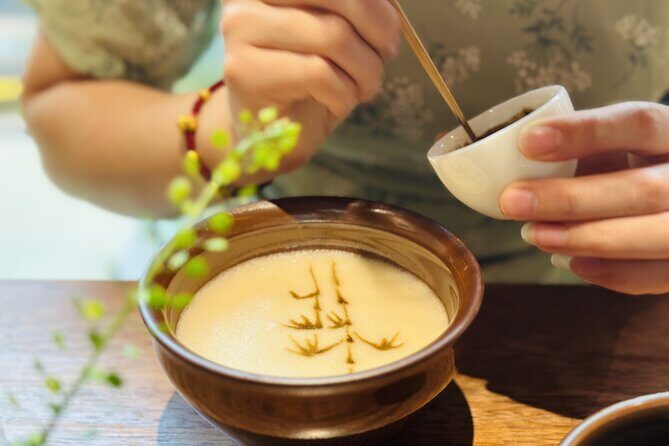
- Song Dynasty Dian Cha instruction you can practice rather than just watch
- Hands-on tasting and brewing across tea styles, from green tea to pu’er
- A traditional Chinese space with matching tea utensils and furnishings
- Optional Hanfu for photos if you want a more immersive look
- Small-group feel since it’s private for your group
A Song Dynasty start in Shanghai’s tea-world setting
This experience takes place in Shanghai, with the meeting point set on Baoqing Road (Bao Qing Lu, Xu Hui Qu, Shanghai 200031). The format is simple: you meet, learn, taste, brew, and then the activity ends back at the same meeting point. If you’re staying in central areas, it’s also described as near public transportation, so you’re not stuck arranging special transit just to get there.
The big idea here is that tea is treated as culture and craft, not just a drink. You’re guided by an experienced tea master, and the schedule is built around steps that make you slow down: one part technique (Dian Cha), then one part exploration (tasting and brewing multiple tea categories). That pacing matters, because you’re more likely to remember what you learned when you’re actively doing the brewing.
If you're still narrowing it down, here are other tours in Shanghai we've reviewed.


Dian Cha: technique lesson first, then tea meaning
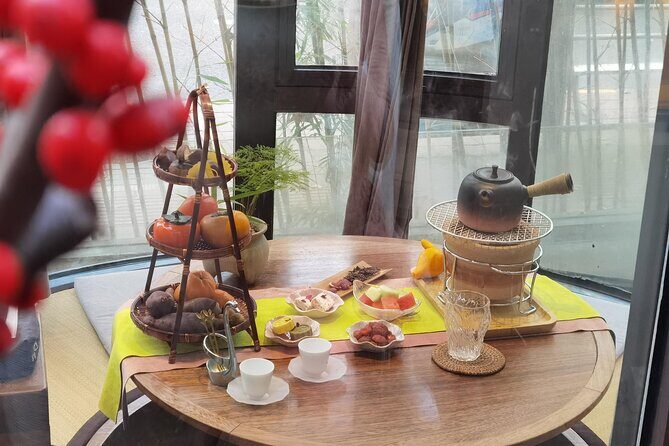
The centerpiece is Song Dynasty tea whisking (Dian Cha). The experience frames it as a meditative technique that predates modern matcha preparation, which sets it apart from the usual “try matcha with a photo” version of tea experiences. You’re taught by a tea master, and the point isn’t performance art; it’s learning the method and understanding how that method ties into how people historically drank tea.
From the feedback, the strongest praise lands on the explanations. People really valued hearing the history of tea drinking and getting clear guidance on different ways to drink tea. That same theme shows up again with manufacturing: you’ll hear how different teas are made, and it can surprise you if you assumed tea was basically just tea leaves steeped the same way.
What this means for you in real life is simple: you’ll walk away with better “tea instincts.” Next time you see green tea versus pu’er on a menu, you’ll have a clearer sense that they come from different traditions and are intended to be enjoyed differently.
Tasting and brewing multiple traditional tea categories
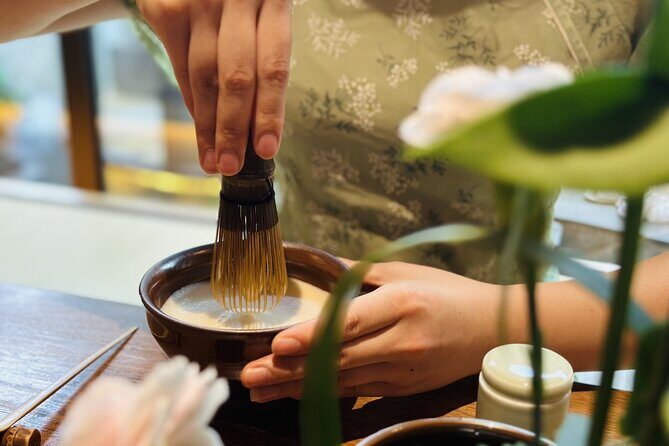
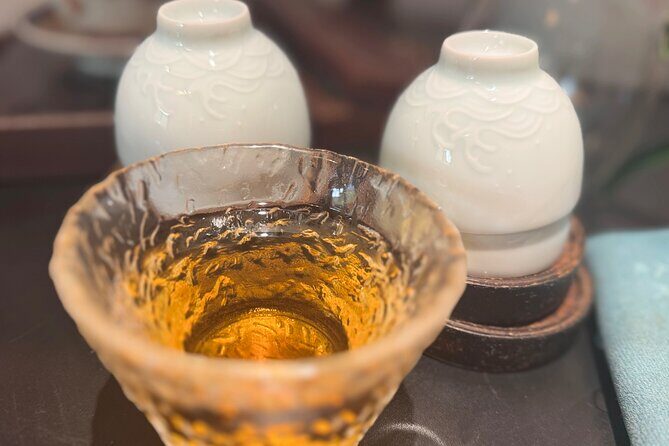
After Dian Cha, the experience moves into tasting and brewing across traditional Chinese tea types. The description calls out a range from delicate green tea to pu’er, which gives you an easy mental map: this isn’t one tea, it’s a mini tour through tea identity. You’ll taste and also brew the teas, so you can connect the flavor to the process.
This is one of those formats that can actually improve your travel behavior. Instead of treating tea as a single local curiosity, you start paying attention to how leaves behave in the cup and what the “point” of each category might be. The helpful part is that the tea master isn’t only labeling the flavors; they’re also explaining the ways tea is consumed and how it’s manufactured. That helps you make sense of why a tea tastes the way it does and why people choose it.
Practical note: because you’ll brew, plan to take your time. Rushing makes tea learning harder, and you’ll get the best value by staying present through the whole tasting sequence.
The traditional ambiance: utensils, furnishings, and calm pacing
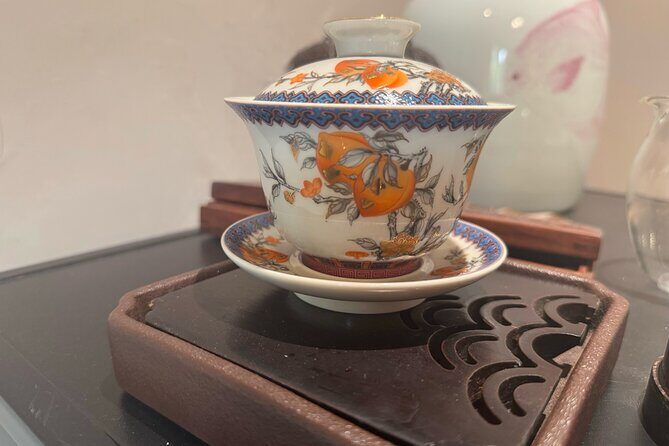
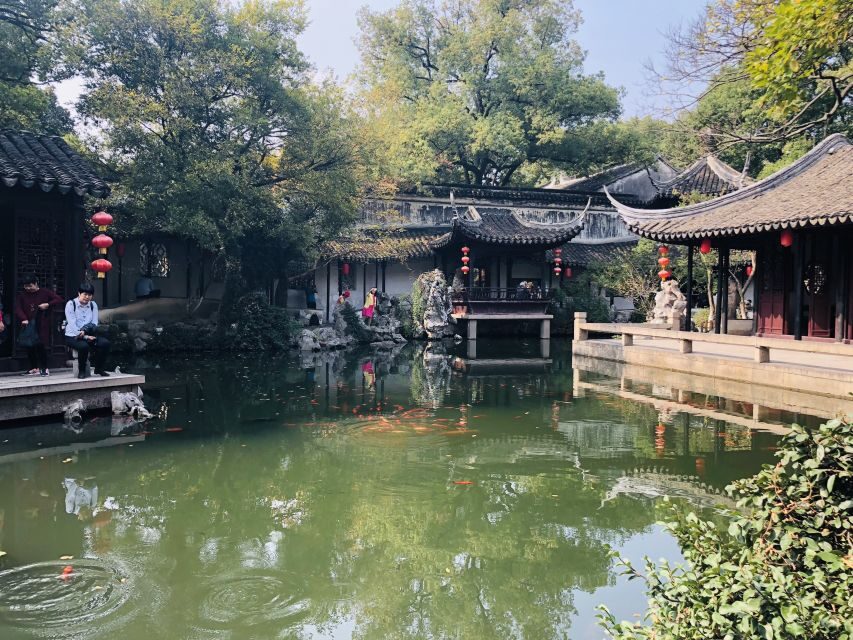
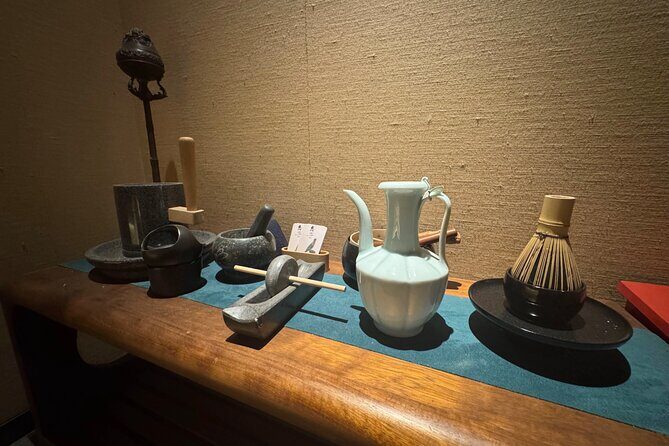
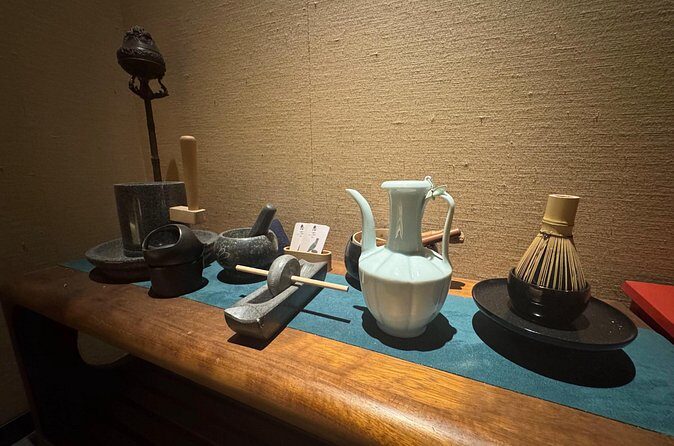
The setting is described as beautifully styled with a traditional Chinese ambiance, including traditional furnishings and tea utensils. You’re not just drinking in a random room; the experience is built to feel like a cultural space where tea has meaning.
That matters more than it sounds. When the environment is calm and the materials are traditional, you tend to focus on the sensory details: aroma, texture, and even how tea is handled. That makes the instruction stick. If you’re the type who likes cultural experiences that feel grounded rather than staged, this kind of environment usually scores high.
Also, the tour is private for your group. That can be a relief in China, where some activities are loud or packed. Here, you should expect that it’s just your group participating, rather than a rotating crowd. If you’re visiting with friends, it’s also a nice shared activity that doesn’t require you to be an expert.
Hanfu as an optional add-on for photos
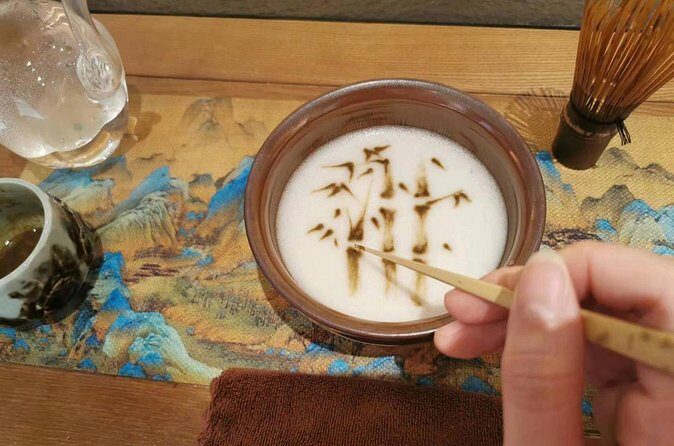
There’s an optional chance to wear Hanfu. The listing frames it as a way to create a fully immersive experience and capture memorable photos in the traditional atmosphere. You don’t have to treat this as “costume tourism.” If you like dressing up, it’s a fun way to slow down and get into the mood of the place.
Just keep your expectations realistic: the main event is the tea instruction and tasting/brewing. Hanfu is for atmosphere and photos, not the core educational component. If you’re trying to maximize the learning time, consider it a bonus that you can use only if it fits your comfort level.


Price and value: is $159 worth it?
At $159.00 per person for an experience lasting about 3 hours, the value depends on what you want from a tea activity. If you’re looking for a quick tasting ticket, this is on the higher side. If you want instruction—how Dian Cha works, plus guided tasting and brewing across multiple tea categories—then the price starts to make more sense.
Here’s what’s included: coffee and/or tea, plus a tea set. That inclusion matters because you’re paying for the teaching + the setup, not just for a single drink. Also, there’s mention of group discounts and a mobile ticket, which can help if you’re booking with others or want a smoother check-in.
One more practical detail: it’s described as being booked on average 5 days in advance. That’s a soft hint that it’s not a “walk in anytime” kind of activity. If you’re set on doing it, you’ll probably feel better booking sooner rather than later—especially if you’re traveling in a busy season.
How the experience likely flows (and how to get the most out of it)
Even without an itemized minute-by-minute schedule, the structure is clear: start with learning Dian Cha, then move into tasting and brewing multiple teas. You’ll also be in a traditional setting with tea utensils and furnishings, and you can opt into Hanfu if you want photos.
Here’s how I’d approach it so you get real value:
1) Show up ready to listen and learn, not just take pictures. The instruction part is what people most strongly praised.
2) During tasting and brewing, slow down and compare. Green tea versus pu’er isn’t just a flavor shift; it’s a different tea tradition, and you’ll learn more if you notice how each one behaves.
3) If Hanfu appeals to you, decide early. You’ll get better photos if you aren’t rushed later, and you’ll keep the tea learning from becoming the “wait while we change clothes” part.
Because it’s private for your group, you can also generally expect a more manageable pace than a mass tour. Still, you’ll want to be mentally prepared for three hours of structured activity, not an hour-long side quest.
What to bring (and what not to worry about)
The listing doesn’t spell out a pack list, so I’d keep it simple. You should be comfortable for about three hours, since you’ll be participating in brewing and tasting. If you plan to wear Hanfu, think about how you normally handle clothing for photos—what feels easy, what feels annoying, and whether you’ll be moving around a little.
What you can likely skip is any stress about transit logistics. It’s described as near public transportation. And private transportation isn’t included, so don’t assume a car or van is part of the package. If you’re using taxis or metro, you’ll just handle it as a normal local trip.
Who this is best for
This tea ceremony experience is a strong fit for people who want a guided cultural practice with real technique. If you like the idea of learning something specific (not just browsing) and you enjoy food or drink experiences that come with context, you’ll likely feel satisfied.
You’ll also probably like it if:
- You care about how traditions are made, not just how they taste
- You’re into calm, structured activities rather than high-energy sightseeing
- You want a tea experience that includes technique (Dian Cha) plus multiple tea categories
If you’re only interested in a quick taste of one tea and you hate sitting through explanations, you might find the time doesn’t match your style. In that case, a shorter tasting-only stop could fit better.
Quick FAQ
FAQ
How long is the Chinese Tea Ceremony Experience?
It lasts about 3 hours.
What is the price per person?
The price is $159.00 per person.
Where do I meet for the experience?
You meet on Baoqing Road (Bao Qing Lu, Xu Hui Qu, Shanghai 200031).
Is transportation included?
No. Private transportation is not included.
What’s included in the ticket?
Coffee and/or tea are included, along with a tea set.
Is this experience private?
Yes. It’s private for your group only.
Is Hanfu included?
Hanfu is available as an optional add-on for photos, based on the experience details.
What kinds of tea will I taste and brew?
You’ll taste and brew different traditional Chinese teas, from delicate green tea to pu’er.
How does confirmation work after booking?
Confirmation is received at the time of booking.
Are there any rules about service animals or accessibility?
Service animals are allowed, and the experience is near public transportation.
Should you book this in Shanghai?
If you want a tea experience with real instruction—Dian Cha technique plus guided tasting and brewing across multiple tea styles—then yes, this is worth booking. The strongest positive signals focus on history, how tea is made, and how to drink it properly, not just on the cuteness of a tea room.
Choose it if you like calm cultural activities and you’re curious about the craft side of tea. Skip it if your goal is a fast, casual drink with minimal instruction. Either way, because it’s priced for a 3-hour guided session and booked in advance, it’s best to lock in your slot if tea is a priority for your trip.

![Shanghai Tower:118th Floor Sightseeing Adult Ticket[limited] - Fast ascent and what 55 seconds changes](https://img.insideshanghai.com/wp-content/uploads/shanghai-tower118th-floor-sightseeing-adult-ticketlimited.jpg)