REVIEW · SHANGHAI
Private 2-Hour Shanghai Lanes and Alleyways Walking Tour
Book on Viator →Operated by Shanghai Pathways · Bookable on Viator
Shanghai’s back doors tell the real story.
On this private 2-hour walking tour, you’ll step into Shanghai’s old courtyard alleyways, the nongtangs, where historic lanes meet later Western touches. Expect a closer look at how people live day to day in older districts, plus conversations with long-time residents and a stop at a local food market.
I especially like the human scale of it: a local English-speaking guide (people like Mary, Mason, or Zoe are noted for being prepared and clear) helps you read what you’re seeing. I also like the mix of architecture and everyday life—nongtangs, resident stories, and small neighborhood shops that feel far from tourist lanes.
One thing to plan for: rain can make a huge difference on a walking tour. If you hit steady drizzle, you may get soaked and cold, so pack for the weather.
In This Review
- Key highlights you’ll actually feel
- Why Nongtangs Beat the Typical Shanghai Highlights
- The 2-Hour Private Format: What You Can Expect
- Stop-by-Stop: Shanghai’s Courtyard Alleys and Older Districts
- The lane walk: getting your bearings fast
- The resident encounters: stories tied to the physical space
- The local shops and wet markets: where errands become a tour highlight
- Meeting Long-Time Residents Without Missing the Point
- Street Food at Your Pace: Tea Eggs and Market Stops
- Price and Value: Is $123.08 Worth a 2-Hour Walk?
- Practical Tips That Actually Help
- Wear for lanes, not sidewalks
- Plan for rain
- Bring a respectful attitude for home-life encounters
- Get your meeting details saved offline
- Who This Tour Suits Best
- Should You Book This Private Shanghai Alleyways Walk?
- FAQ
- How long is the Private 2-Hour Shanghai Lanes and Alleyways Walking Tour?
- Is this tour private?
- What is the price per person?
- What’s included in the tour price?
- Do I need to pay extra for food?
- Where is the meeting point?
- Do I get a ticket?
- Are service animals allowed?
- Is the tour near public transportation?
- What is the cancellation policy?
Key highlights you’ll actually feel
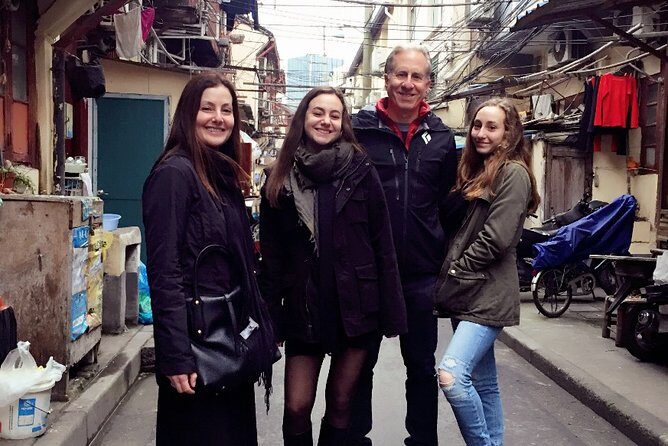
- Nongtang lanes: courtyard alleyways that combine older building styles with later Western influences
- Real resident stories: long-time locals may invite you to socialize and share daily-life perspectives
- Market detours: small shops and wet markets run by locals, not big sightseeing stalls
- Street-food sampling option: tea eggs are a common go-to while you snack at your own expense
- Private just-for-your-party format: your guide can set the pace around your interests
Why Nongtangs Beat the Typical Shanghai Highlights
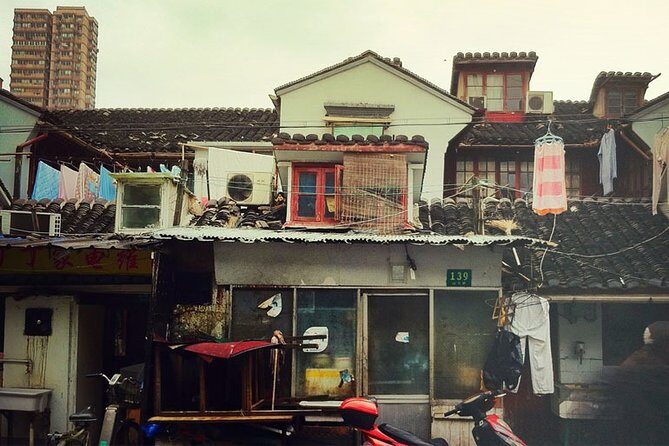
Shanghai can feel like two cities at once. You’ve got the headline sights—the Bund, Yuyuan Garden, City God Temple. Then you’ve got the quieter working Shanghai, where life plays out behind walls, through courtyards, and along narrow lanes you’d never choose on your own.
That’s why nongtangs matter. They’re not just streets. They’re back passageways tied to the way older Shanghai neighborhoods were designed, and they still carry that sense of shared space. The tour focuses on the older districts known for nongtangs, which were established in the 1920s. And importantly, many original inhabitants still live there, so you’re not just looking at set dressing—you’re walking through places where habits and daily routines still exist.
If you want more than photos, this is the kind of tour that helps you understand the city’s everyday “rules.” Courtyard layouts affect privacy and neighborly life. A lane’s curve affects where people gather and how they move. Your guide connects those small details to cultural norms you’d miss wandering solo.
Other walking tours we've reviewed in Shanghai



The 2-Hour Private Format: What You Can Expect
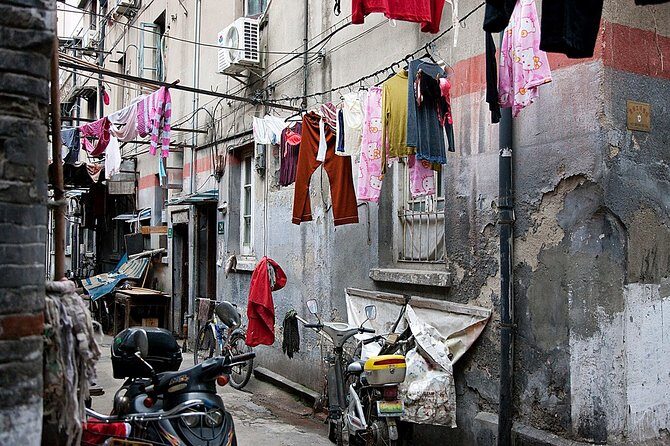
This is built as a short, focused walk—about 2 hours—and it stays private for your group. That’s a big deal in Shanghai. Public streets can be crowded, and popular areas move fast. In contrast, nongtangs are slow by nature: narrow walkways, courtyard openings, and small storefronts mean you naturally slow down.
You’ll also get an expert local English-speaking guide, which helps in two ways. First, you won’t be stuck guessing what you’re looking at (courtyard design, older lane patterns, and how modern changes sit alongside older structures). Second, you’ll have context for the conversations you might have with residents and shop owners.
One more practical note: the tour is near public transportation, and it starts and ends at the same meeting area. That makes it easier to tack on after a museum or a meal, instead of losing your whole day to transit.
Stop-by-Stop: Shanghai’s Courtyard Alleys and Older Districts
The heart of this tour is walking through nongtangs—those old-lane backstreets where the architecture tells a story. Even before you reach any doorways or shops, the layout gives you clues. You’ll notice the way courtyard-style buildings create shade, small pauses, and private-looking spaces. You’ll also see the mix of older design with later Western influences, which gives some lanes a slightly layered, lived-in feel.
Here’s how the experience typically unfolds in a way that makes sense on your feet:
The lane walk: getting your bearings fast
You start near Xi Zang Nan Lu (Xizang Road area, Huangpu District). From the first stretch, your guide sets the tone: where people would have moved through historically, why certain lanes feel more intimate, and what to pay attention to in the building layout.
This is where the “why” kicks in. If you’ve already visited the big sights, you might think you know Shanghai. But nongtangs show a different city logic—smaller scale, more layered, and built for neighbors.
The resident encounters: stories tied to the physical space
As you meander, you’ll learn about cultural norms in the nongtangs. Then you may meet long-time residents who are part of daily life in these lanes. The tour description emphasizes social time—talking, learning about routines, and hearing how changes in modern Shanghai affect residents’ day-to-day living.
A respectful mindset matters here. These are homes and neighborhoods, not a staged attraction. If you’re taking photos, do it only when your guide indicates it’s okay and keep it low-key. The goal is understanding, not turning someone’s doorsteps into a photo set.
Other private tours in Shanghai





The local shops and wet markets: where errands become a tour highlight
After the residential focus, the tour shifts to neighborhood commerce. Expect small markets operating along the alleyways—places often owned and run by local residents. Your guide takes you to tucked-away shops where you can meet owners and see what they stock and how they serve the community.
This part is especially useful if you’ve enjoyed markets before but want a Shanghai version that feels more lived-in than tourist markets. You’ll get a sense of what “fresh” means locally and how small businesses fit into alley life.
Meeting Long-Time Residents Without Missing the Point
The most praised element is the human side: hearing stories and seeing how daily life works inside older lane communities. That’s also the part where expectations can clash if you go in with a tourist mindset.
The tour is described as featuring residents who welcome you into their homes to socialize and learn. Still, in neighborhoods like this, access can be situational. So I’d approach it like this: you’re there for conversation and understanding. If an invitation isn’t as direct as you imagined, it doesn’t mean the tour isn’t delivering. It means you’re encountering the real boundaries of everyday residential life.
What you should look for during these moments:
- How the courtyard and lane layout shapes interaction
- What residents talk about when you ask gentle questions (routines, neighborhood changes, old ways vs new)
- How your guide handles introductions and keeps the tone respectful
Guides like Mary, Mason, and Zoe (based on guide-name examples tied to this tour) are noted for being friendly and well prepared, which matters here. A guide who can translate not just language, but social cues, keeps the experience from feeling intrusive.
And yes, there’s a balance. If you’re the kind of person who worries about being in the way, that’s normal. You’ll get the best experience by being calm, brief with questions, and letting your guide lead.
Street Food at Your Pace: Tea Eggs and Market Stops
Food is optional in the sense that you pay for your own snacks and drinks, but it’s part of the fun. The tour includes time at local food markets and small stores where you can sample street-food favorites.
One specific item mentioned is tea eggs—hard boiled eggs cooked with tea and a marinade sauce. It’s a perfect street snack because it’s small, portable, and a little different from what you might expect. Your guide can help you understand what you’re looking at and how locals usually buy and eat it.
For your planning, think of this as a “choose your own bites” section:
- If you want only a quick sample, you’ll still get the market context
- If you’re hungry, you can use the market stop to build a light snack meal
Tip: bring some small denomination cash if you’re used to street markets. The tour doesn’t say how payment works, so having flexibility helps you avoid awkward moments in the alley.
Price and Value: Is $123.08 Worth a 2-Hour Walk?
$123.08 per person for a private, 2-hour walking tour sounds like a splurge until you break down what you’re actually buying.
You’re not paying for a single landmark. You’re paying for:
- A private guide who can tailor your pace and questions
- Access to older nongtang districts you’d likely skip on your own
- Resident and shop-owner interactions that add context beyond sightseeing
- A market segment where you can sample local street food at your own expense
It’s also a tour with strong satisfaction signals: a 4.6 rating and 93% recommendation rate based on provided feedback. And those numbers match the tour’s core strength: people tend to love the everyday life angle more than the “look at a wall” angle.
Where you should be honest with yourself: if your idea of a great Shanghai day is monuments, river views, and photo stops, this may feel too residential and slow. If you want to understand how Shanghai actually works—especially in older neighborhoods—this is good value for what you get.
Practical Tips That Actually Help
This tour is straightforward, but small details make a big difference.
Wear for lanes, not sidewalks
Nongtangs can be narrow and uneven. I’d wear comfortable walking shoes you’re okay getting slightly dirty. If you’re used to big museum floors, adjust your expectations—this is alley walking.
Plan for rain
One recurring caution is weather. On a steady rain day, you can get soaked and cold. If you’re booking in a season with frequent showers, bring a compact umbrella or a lightweight rain jacket. A warm layer helps too, since the tour is mostly outside.
Bring a respectful attitude for home-life encounters
Even when residents are welcoming, you’re stepping into ordinary life. Keep your voice low, avoid crowding doorways, and follow your guide’s lead on photos and questions.
Get your meeting details saved offline
The start point is specific: Xi Zang Nan Lu (Xizang Road area). Since you’ll be walking and moving through small lanes, it helps to have the meeting info accessible even if messaging is slow. Save the details to your phone before you go.
Who This Tour Suits Best
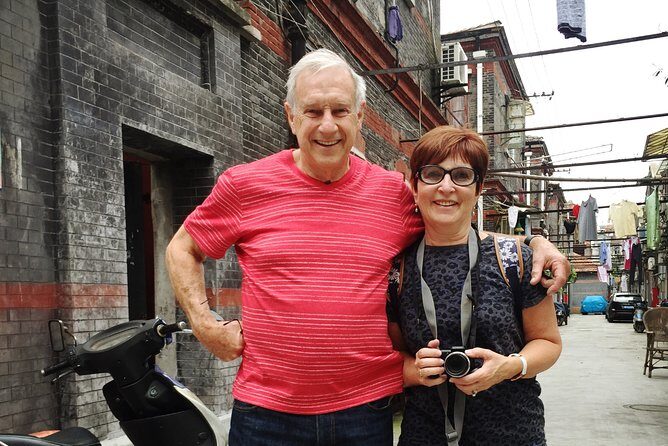
This is a great match if:
- You’ve already seen the Bund, City God Temple, and Yuyuan Garden and want a different side of Shanghai
- You like architecture, but you want the social meaning behind it too
- You enjoy markets and street food, especially when you can understand what you’re eating
- You prefer private touring, where the guide can slow down for questions
It might be less ideal if:
- You dislike residential neighborhoods and prefer only major sights
- You’re extremely weather-sensitive and hate walking outdoors
- You want food included in the price (food and drinks are not included)
Should You Book This Private Shanghai Alleyways Walk?
I’d book it if you want Shanghai to feel like lived-in city, not just a list of attractions. The tour’s strongest feature is the combination: nongtang lanes + resident stories + local market time. That mix gives you texture you can’t get from a standard route.
Book if you’re curious about how older districts still function, and you’re comfortable being respectful in residential spaces. Skip it if you’re chasing only headline monuments or you can’t handle rain-wet outdoor walking.
Bottom line: for a short, high-impact evening-or-morning-style block in Shanghai, this private nongtang walk is one of the more honest ways to see how the city breathes beyond the tourist track.
FAQ
How long is the Private 2-Hour Shanghai Lanes and Alleyways Walking Tour?
It runs for about 2 hours.
Is this tour private?
Yes. It’s a private tour, just for your group.
What is the price per person?
The price is $123.08 per person.
What’s included in the tour price?
Included are the private walking tour and a local English-speaking guide.
Do I need to pay extra for food?
Yes. Food and drinks are not included. Street food sampling is available at your own expense.
Where is the meeting point?
The tour starts at Xizang Road (Xi Zang Nan Lu), Huangpu District, Shanghai, and it ends back at the meeting point.
Do I get a ticket?
You receive a mobile ticket, and confirmation is received at booking. The admission ticket is listed as free.
Are service animals allowed?
Yes, service animals are allowed.
Is the tour near public transportation?
Yes, it’s described as near public transportation.
What is the cancellation policy?
Free cancellation is available up to 24 hours in advance for a full refund. If you cancel less than 24 hours before the start time, the amount paid is not refunded.