REVIEW · SHANGHAI
2.5hrs Chinese Kitchen Cooking Class: Art Steamed Dumplings
Book on Viator →Operated by Trippest Travel · Bookable on Viator
Dumplings get personal fast. This small Shanghai class turns steamed dumpling making into a hands-on skill you can actually repeat at home, with colorful touches and an included meal at the end. You also get a quick look at how local ingredients show up in everyday cooking, not just restaurant menus.
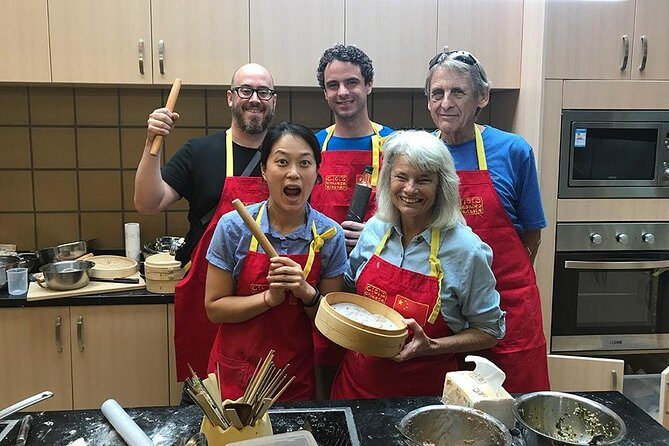
What I like most is that you get real technique time: kneading dough by hand, wrapping dough with a Chinese-style rolling pin approach, and folding dumplings in different ways. I also like the teaching style—an English-speaking chef is on hand to guide you through marinating the pork (or using a vegetarian option), then timing the steaming so your dumplings come out right. Instructors like Yin and chef Cici are described as patient and helpful, which matters when your first fold looks… like it needs coaching.
One possible drawback to consider: the class mixes cooking with culture talk, so if you’re expecting nonstop cooking action, you may find it a bit more classroom-and-kitchen than you planned.
In This Review
- Key things I’d circle on your plan
- Colorful art dumplings, not the usual restaurant routine
- Guangyuan Road meeting point: small-group logistics that keep it simple
- From dough to wrap: kneading and rolling the Chinese way
- Colorful filling, healthy marination, and the toppings that look like art
- Folding techniques and dumpling names with symbolic meaning
- Sauce, steaming time, and the last mile of dumpling success
- Tea, culture chat, and what you should expect from the vibe
- Value check: is $109.88 for steamed dumplings fair?
- Who should book this dumpling class in Shanghai?
- Should you book this steamed dumpling class?
- FAQ
- How long is the Chinese Kitchen Cooking Class for art steamed dumplings?
- Where do I meet for the class in Shanghai?
- What time does the class start?
- What’s the maximum group size?
- Is tea included?
- Can I request a vegetarian or vegan-friendly option?
- Is there hotel pickup or drop-off?
- Are kids allowed?
- What do I get at the end of the class?
- Can I change or cancel my booking after purchase?
Key things I’d circle on your plan
- Max group of 15 means you’re not shouting across a crowded kitchen
- Hands-on shaping and steaming guidance so the dumplings are more than a watch-and-copy demo
- Included tea keeps things relaxed while you learn the steps
- Colorful vegetable topping and special folding styles you don’t see in a typical takeout spot
- Dipping sauce + steaming timing are taught as practical, repeatable details
- Recipe at the end so you can recreate your dumplings later
Colorful art dumplings, not the usual restaurant routine
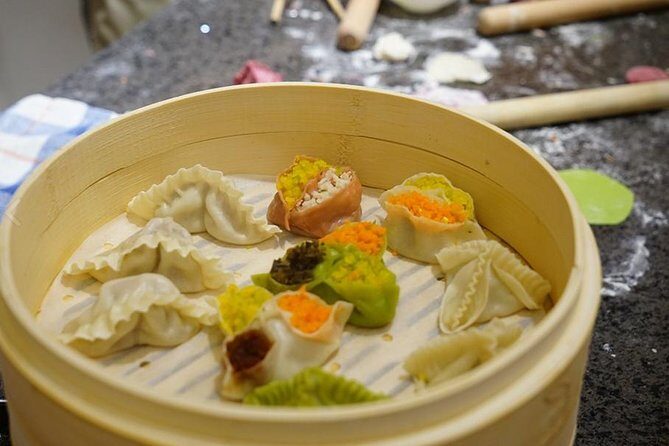
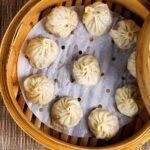
This class is built around a specific kind of steamed dumpling you might not spot in ordinary dining. The description points to banquet-style and upscale-hotel territory—where the dumplings look like food art, not just a plate of dumplings. The payoff is that you learn why those shapes matter and how you can make them without being a professional cook.
You’ll also learn that dumplings aren’t one-size-fits-all. The chef teaches the Chinese names of different dumpling types and their symbolic meaning. That turns the activity from just edible fun into something you can bring back to your trip, like understanding what you’re looking at when you see dumplings in Shanghai later.
And yes, there’s a visual element. You’ll work with a dumpling style that uses chopped vegetables for a colorful top layer, adding both flavor and that banquet look.
Other cooking classes in Shanghai
Guangyuan Road meeting point: small-group logistics that keep it simple
Timing and location matter because dumpling classes are often tight on start times. Here, you meet at Guangyuan Road (Guang Yuan Lu), Xu Hui District. The schedule has you meeting at 2:00 pm, with the class starting around 2:30 pm, and it runs about 2 hours 30 minutes total.
You’ll be glad there’s no hotel pickup/drop-off included. That keeps the day schedule cleaner and usually saves time. The meeting point is also said to be near public transportation, which is useful when you’re planning your afternoon around other sights.
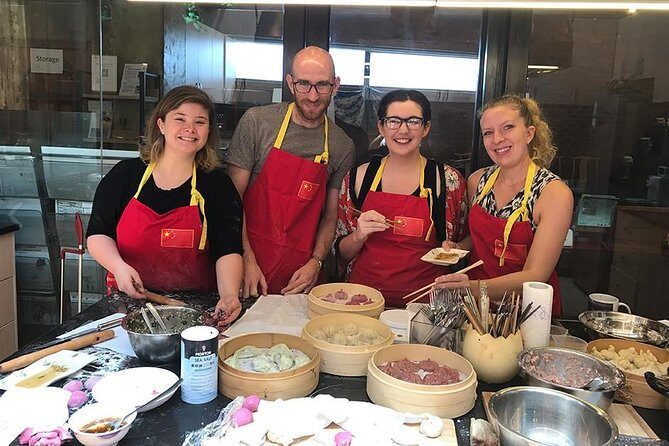
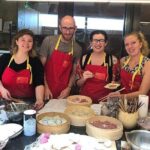
With a maximum of 15 travelers, you’re in the sweet spot: big enough that you’ll have a lively group, small enough that the chef can actually correct your folding, not just watch you work from across the room. A mobile ticket is included too, so you’re not scrambling for paper while you’re navigating Shanghai.
From dough to wrap: kneading and rolling the Chinese way
The core of the class is learning the process you’d need even if you tried making these dumplings at home. You start with dough and move through handwork steps that build confidence.
You’ll knead dough by hand, then you’ll make your dumpling wrap using a rolling-pin method described as totally Chinese style. That rolling step is important. If you’ve ever made dumplings where the edges are too thick or too thin, you already know how that affects sealing. Here, you’re taught the practical way to get a workable wrapper.
Next comes the filling. The class covers a pork filling version, and it also notes a vegetarian version that’s available if you book with your food preference. The chef teaches you how to marinate the pork in a way that’s described as easy and healthy—meaning you’re not stuck with complicated steps, even if you’re new to Chinese home cooking.
Colorful filling, healthy marination, and the toppings that look like art
Once you’ve made the wrap, the class moves into assembly. You’ll fill the dumplings with the pork mixture (or vegetarian option). The technique focus is on getting the right amount and handling the filling so it doesn’t leak when steamed.
A signature detail is that you’ll add four or five colorful chopped vegetables on top. This is the part that can make your dumplings look like the kind served at state banquets or higher-end venues. It’s not just decoration, either—you’re adding flavor complexity and texture in a way that feels deliberate.
If you’re wondering whether this is fussy, the class framing is reassuring: the dumplings may seem difficult from a distance, but the steps are taught in a way that makes them achievable. The key is that you’re doing it with live guidance, not studying from a recipe and hoping your folds behave.
Folding techniques and dumpling names with symbolic meaning
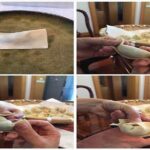
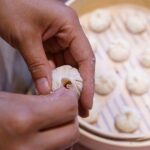
The class doesn’t just teach one fold. You learn different ways to shape dumplings, and part of the learning includes dumpling names in Chinese and what those names symbolize. That’s a small detail, but it matters because dumpling shapes aren’t random. In Chinese food culture, shape and presentation often carry meaning, and you’ll be more alert when you see them later in Shanghai.
Practically, learning multiple folds also reduces frustration. If one shaping method feels awkward, you can still succeed with another. And since the group is capped at 15, you get a real chance to ask questions while you’re working.
This is also where having a patient instructor makes a difference. In the feedback you’ve got here, instructors like Yin and chef Cici are praised for being helpful and kind—exactly what you want when your first attempts look uneven.
A few more Shanghai tours and experiences worth a look
Sauce, steaming time, and the last mile of dumpling success
Most people think dumplings are about folding. The class reminds you that steaming is where quality is decided. You learn how long it’s best to steam your dumplings. That timing lesson is practical and repeatable: steam too little and the filling isn’t set; steam too long and you risk texture problems.
You’ll also make an authentic sauce for dipping. This matters because dumplings can be good or just okay depending on what you pair them with. Rather than having the sauce as an afterthought, the class includes it as part of the process so your meal lands as a cohesive plate—not just dumplings in a vacuum.
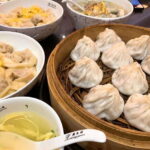
At the end, you enjoy your hand-made meal together. Eating with the group helps you compare styles and quietly judge which folds held up best. It’s also the moment you realize you didn’t just learn steps—you made something.
Tea, culture chat, and what you should expect from the vibe
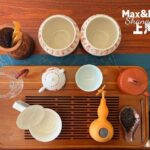
The experience includes complimentary tea, which you’ll sip while you cook. That small comfort goes a long way, especially in a 2.5-hour session where your hands are busy and your energy is mostly focused on getting the next step right.
There’s also an emphasis on cooking culture and local ingredients early in the session. The schedule includes an introduction around the time you arrive, then a cooking session, then the shared meal and a recipe wrap-up at the end.
One thing to keep in mind: the class can include more talk than you expect. The learning includes dumpling meanings, and there’s time for discussion about culture and tea. If you want maximum stove time and minimal classroom talk, this might feel only moderately hands-on. If you like learning food context while you work, you’ll likely find it more enjoyable than a purely technical cooking workshop.
Value check: is $109.88 for steamed dumplings fair?
At $109.88 per person, this isn’t a cheap snack stop. But you’re not just paying for tasting a few dumplings. You’re paying for an English-speaking chef to guide you through dough, filling, shaping, steaming time, and sauce-making—plus the ingredients and the group meal you eat together.
The small group size (max 15) is part of the value. In bigger classes, it’s easier to feel like you’re working alone. Here, you’re more likely to get corrections while you’re still in the shaping stage.
You’ll also benefit if you’re the type who wants a lasting skill, not just a one-time meal. Since you leave with a recipe at the end, you can turn this into a repeatable home cooking project rather than a memory you can’t quite recreate.
There’s also a practical sign of demand: the class is booked on average 17 days in advance. That suggests it fills up, and you should plan ahead if your trip dates are fixed.
Who should book this dumpling class in Shanghai?
This class is a strong fit if you want:
- A beginner-friendly cooking experience with step-by-step coaching
- A skill-based activity where you learn folding, steaming timing, and sauce
- A cultural food learning moment, not just chopping and rolling
- A vegetarian-friendly or vegetarian-appropriate option (you just need to note your preference at booking)
It’s also a good choice if you like smaller groups and an instructor-led pace. Even if your dumplings don’t look perfect at first, the class format is designed to get you to the finish line.
You might want to think twice if:
- You want a fully hands-on, no-discussion cooking binge
- You’re only interested in the dumpling taste and don’t care about sauce, steaming timing, or dumpling naming and meaning
On the family front, children under 3 are free to join. That’s useful if you’re traveling with very young kids, though you’ll still be working in a cooking environment, so it’s worth judging whether your child will be comfortable during the session.
Should you book this steamed dumpling class?
If you want a dumpling class that teaches real technique—wrapping, shaping, steaming time, and dipping sauce—this is an easy yes. The small group size and the fact that you make and eat your own dumplings are the core reasons it works.
My final take: book it if you’re excited to learn, even if you’re not a confident cook yet. Plan for a mix of cooking and culture chat, especially around dumpling names and tea, and you’ll get the most out of the experience. If your goal is purely hands-on nonstop cooking, read the class vibe closely before you commit—but for most people who love food and want a repeatable skill, it’s a solid, value-leaning way to spend an afternoon in Shanghai.
FAQ
How long is the Chinese Kitchen Cooking Class for art steamed dumplings?
It lasts about 2 hours 30 minutes.
Where do I meet for the class in Shanghai?
The meeting point is on Guangyuan Road (Guang Yuan Lu) in Xu Hui District, Shanghai, China.
What time does the class start?
You meet at 2:00 pm, and the start time is listed as 2:30 pm.
What’s the maximum group size?
The class has a maximum of 15 travelers.
Is tea included?
Yes. Complimentary tea is included.
Can I request a vegetarian or vegan-friendly option?
Yes. The class is vegetarian-friendly and vegan vegetarian applicable. You should write down your food preference at booking.
Is there hotel pickup or drop-off?
No. Hotel pickup and drop-off services are not included, and the activity ends back at the meeting point.
Are kids allowed?
Children under 3 years old are free to join.
What do I get at the end of the class?
You enjoy the meal together, and the session ends with a recipe.
Can I change or cancel my booking after purchase?
No. The experience is non-refundable and cannot be changed for any reason.