Soup dumplings teach you more than recipes. This vegan class in Shanghai is hands-on from dough to pleats, and Chef Yin’s small-group teaching means you actually fix your technique, not just watch. Only catch: it’s not recommended for gluten allergies.
You can pick a breakfast, lunch, or evening class, so it fits real sightseeing days. The session runs about 2 hours 30 minutes, with a maximum of 15 people, and you meet in Xu Hui near Tianping Road before heading back there when you’re done. Coffee and/or tea, plus an apron and the tools/materials, are included.
In This Review
- Key things I’d zero in on
- Why Vegan Soup Dumplings Feel Like Real Shanghai
- Meeting Yin Studio in Xu Hui: Getting There Without Drama
- The 2.5-Hour Game Plan: Dough, Wrappers, Filling, Then Pleats
- Dough making
- Wrapper making
- Vegan filling prep
- Shaping: the pleating method that seals the soup
- Steaming and Eating: What You’ll Actually Taste at the End
- Price and Value: Is $96 a Fair Deal?
- Who This Class Is For (and Who Should Think Twice)
- Tips to Nail the Pleats and Leave Smarter
- Chef Yin’s Teaching Style: Warm, Focused, and Technique-First
- Should You Book This Vegan Soup Dumpling Making Class in Shanghai?
- FAQ
- How long is the vegan soup dumpling class?
- What class times are available?
- What’s included in the price?
- How big is the class group?
- Is it suitable if I have a gluten allergy?
- What’s the cancellation policy?
Key things I’d zero in on
- From scratch, not from kits: you make the dough, wrapper, and filling steps in class.
- Traditional pleating practice: you learn the folds that seal in the soup.
- Vegan filling cooked during class: you work with plant-based dumpling filling right on site.
- Small-group attention: Chef Yin gives personalized tips and corrections while you shape.
- Tea included: you get coffee and/or good Chinese tea by the season.
- Limited group size: up to 15 travelers keeps the class practical.
Why Vegan Soup Dumplings Feel Like Real Shanghai
Soup dumpling is one of those Shanghai dishes people chase for a reason: it’s craft food. The whole challenge is part art, part timing, and part seal—if the dumpling isn’t closed well, the soup part is the first thing that goes wrong.
What makes this class interesting for you is the focus on the signature process, but with a vegan twist. You’re not just learning “how to make dumplings.” You’re learning how the dough, wrapper, filling, and pleating work together so the finished dumplings behave like the real thing.
And the “soy sauce and vibes” approach doesn’t show up here. You’ll actually be shaping—hands-on, step-by-step, with corrections as you go. If you’ve ever watched dim sum carts and thought, I want to know how that fold works, this is your chance.
A few more Shanghai tours and experiences worth a look

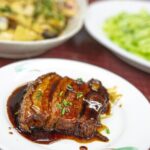
Meeting Yin Studio in Xu Hui: Getting There Without Drama
Your meeting point is in Xu Hui District, at 广元路190弄 near 天平路, postcode 200030. The studio is near public transportation, which matters in Shanghai because hopping between neighborhoods can be fast or annoying depending on timing.
When you arrive, plan to start immediately. You’ll be working with dough and wrappers, so there isn’t much “hang out and look around” time. The included apron plus tools/materials mean you don’t need to figure out what to bring other than yourself and comfortable clothes.
The good news: the class ends back at the meeting point, so you can line up your next stop without hunting for a subway reroute afterward. Just build in a little buffer so you don’t rush your meal.
The 2.5-Hour Game Plan: Dough, Wrappers, Filling, Then Pleats
This class is built like a real dumpling workflow: you learn each stage, then carry it into the next. That’s the key value. Even if you never cook soup dumplings again at home, the logic transfers to other Chinese dumpling styles.
Dough making
You start by making the dough. This is where your hands learn the “feel” of the mixture, which is hard to get right from a video. Expect to work with the texture and consistency so the dough can be rolled or shaped into wrappers later.
Wrapper making
Next is the wrapper step. If you’ve had dumplings where the wrapper is too thick or tears easily, this is the moment you find out why. You’ll practice the process so your wrapper supports folding and still cooks well.

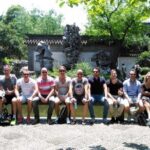


Vegan filling prep
You’ll prep the filling, and you’ll also cook the vegan filling at class. One small detail I like here: the format is designed so you spend the bulk of your time on the dumpling craft itself, not on endless pre-chopping.
A review note that some prep may already be handled (like having filling portioning/thin prep done) so the class flow keeps you shaping more and waiting less. That’s a good sign for your experience, because pleating is where the skill lives.
Shaping: the pleating method that seals the soup
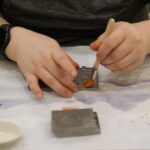
This is the part most people remember. Chef Yin teaches the traditional pleating method—the folds and sealing technique that encase the soup. You don’t just make one dumpling and call it done.
You’ll practice shaping, and Chef Yin provides personalized tips and corrections. That kind of feedback is the difference between dumplings that look like dumplings and dumplings that work like dumplings. It also helps you avoid the common problems: uneven seams, gaps at the closure, and overly thick or thin spots from wrapper handling.
Steaming and Eating: What You’ll Actually Taste at the End
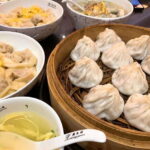
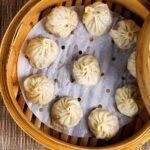
After all that work, you’ll steam and enjoy the dumplings you made together. This is the payoff moment when your technique becomes dinner.
You also get coffee and/or tea during the class, and the tea is described as good Chinese tea according to the season. For me, that matters because steaming hot dumplings and sipping tea is the rhythm that turns a cooking class into a meal, not a lesson you leave hungry from.
Also, you’re eating vegan soup dumplings made by you. Even if you’re a confident cook, there’s something satisfying about producing a “signature” dish with your own hands and then tasting the result while the steam is still doing its job.
Price and Value: Is $96 a Fair Deal?
At $96 per person for about 2 hours 30 minutes, the value comes from three things you can’t replicate easily at home without the right setup: instruction, hands-on time, and included materials.
You’re getting a chef-led class (Chef Yin), not just a demo. You’re also provided with an apron plus the materials and tools, so you aren’t paying extra to piece together the gear. Finally, you’re capped at 15 travelers, which usually means you get more attention while you shape.
If you only want to snack on dumplings, you can find plenty in Shanghai for less. But if you want to learn the craft—dough, wrapper, filling, pleats—this price starts to make sense. You’re paying for guided practice and correction, not just the food.
One practical note: the average booking window is about 11 days in advance. That’s a hint that popular time slots fill. If you’re set on a breakfast/lunch/evening option, try to lock it sooner rather than later.
Who This Class Is For (and Who Should Think Twice)
This is a great fit if you:
- Want a structured cooking lesson in Shanghai, not a one-and-done tasting
- Enjoy learning technique you can reuse later
- Travel with food-minded friends or family who like doing instead of just seeing
- Appreciate a small-group setting where you can ask questions while your hands are sticky
It’s also a strong “teen friendly” choice. One review highlighted a 15-year-old nephew having a genuinely fun time doing the dumpling work alongside the adult. If your group enjoys hands-on food activities, it lands well.
Who should think twice:
- If you have gluten allergies, it’s not recommended. The class isn’t marketed as gluten-safe.
If you’re traveling solo and want something active and social, this works too. The group size helps you feel less like you’re competing for attention with a loud crowd.
Tips to Nail the Pleats and Leave Smarter
You’ll learn pleating, but your success depends on small choices during practice. Here are the practical things that help in a class like this, based on how the lesson is structured.
Wear clothes you don’t mind getting slightly doughy. Dumpling making is friendly work, but flour and dough happen. And because you’re shaping a lot, comfy sleeves and shoes help more than you’d expect.
Watch Chef Yin’s corrections closely, then apply them immediately. The class format gives you repeated practice, so there’s no reason to wait until the end to improve.
Don’t obsess over getting every dumpling identical. In most hands-on cooking classes, the goal is consistent technique, not perfect clones. The pleating lesson is about sealing and creating folds with good closure.
Finally, take your phone out only between steps. You’re learning with your hands first. Photos later are fine, but dumpling timing is short—steam and dough don’t pause for your caption.
Chef Yin’s Teaching Style: Warm, Focused, and Technique-First
Chef Yin is the reason the class feels both friendly and effective. The setup aims for more individual attention, and the instruction style matches that goal: warm atmosphere, lots of guidance, and real corrections while you shape.
One review described Yin as a fun teacher with deep knowledge, and that tone matters because dumpling-making can feel intimidating before you start. Another review praised the class for including the steps clearly and helping participants understand the process from beginning to end.
There’s also a social side. One person appreciated that Yin wasn’t only teaching cooking technique, but also chatting about kitchen topics and travel experiences while the class moved along. That kind of conversation can make the time fly, especially if you’re traveling alone or want a human connection in a city where you might feel like an outsider.
Should You Book This Vegan Soup Dumpling Making Class in Shanghai?
Book it if you want a real skill, not a quick bite. This is a hands-on Shanghai experience built around the classic soup dumpling process, with vegan versions and step-by-step instruction. The combination of small group size (up to 15) and Chef Yin’s personalized corrections is exactly what turns a cooking class from entertainment into learning.
Skip or reconsider if:
- You need gluten-free accommodations (it’s not recommended for gluten allergies)
- You’re short on time and only want to sample food
- You dislike hands-on cooking where you shape and steam what you make
If you can handle a little flour and you like learning by doing, this class is one of the more memorable ways to spend a morning, afternoon, or evening in Shanghai. You’ll leave with warm dumplings, new technique, and a sense of confidence that no tour stop can copy.
FAQ
How long is the vegan soup dumpling class?
It runs about 2 hours 30 minutes.
What class times are available?
You can choose a breakfast, lunch, or evening class.
What’s included in the price?
Coffee and/or tea are included, along with an apron and the materials and tools for making vegan soup dumplings.
How big is the class group?
The class has a maximum of 15 travelers, and it’s described as a small-group setting.
Is it suitable if I have a gluten allergy?
It is not recommended for travelers with gluten allergies.
What’s the cancellation policy?
You can cancel for a full refund up to 24 hours in advance. If you cancel less than 24 hours before the start time, the amount paid is not refunded.