A brush, a cup of tea, and calm. This private shui mo ink-and-brush workshop turns Shanghai into a hands-on art lesson, not a museum stop. I love how the class is kept small, with instruction for just four people, and how you get to work with real traditional tools while learning the four essentials—ink, brushes, paper, and ink stone. One thing to consider: there’s no hotel drop-off, so you’ll want a plan for how you’ll get back after class.
The payoff is practical. You’ll create a finished painting you can take home, and you’ll leave with a basic understanding of how Chinese brushwork thinks about line, spacing, and balance. It’s also designed to be relaxed: tea shows up, you’re in a studio setting, and you’re not rushed through a script.
If you’re hoping for a big sightseeing day, this won’t scratch that itch. Think of it as a culture experience with your hands on the brush, inside a working artist environment in the Shanghai area (with pickup from downtown and a short ride to the studio).
In This Review
- Key highlights to know before you go
- How a 2-hour Private Ink Workshop Beats a Usual Shanghai Day
- Pickup From Downtown and the Ride to the Artist’s Studio
- Your Private Lesson: Working With the Teacher and Translator
- What the first minutes usually feel like
- The Four Treasures: Ink, Brushes, Paper, and Ink Stone
- What You’ll Paint: Flowers, Peony Options, and Brush Basics
- Brush strokes: the real learning
- For kids (and nervous adults)
- Stop in Pudong New Area: The Studio Time That Makes It Worth It
- Take-Home Value: Your Painting and What You Can Practice Next
- A realistic way to think about follow-up
- Price in Shanghai: Is $118 a Good Deal for Two Hours?
- Who gets the best value
- Who This Is For (and Who Might Want Something Else)
- Quick practical tips before you book
- Should You Book This Private Ink Painting Workshop?
- FAQ
- How long is the ink and brush painting workshop?
- Is this workshop private?
- Do you offer hotel pickup in Shanghai?
- Where is the workshop located?
- What transportation is included?
- Is hotel drop-off included after the class?
- What’s included in the class?
- Can kids participate?
- FAQ
- What happens if I need to cancel or change my booking?
Key highlights to know before you go
- Private class for up to four people, so you’re not competing for attention
- Downtown hotel pickup, with a local ride arranged to the artist’s workshop
- Learn shui mo (water and ink) with guidance through stroke basics
- Teach the four treasures: ink, brushes, paper, ink stone
- Tea + a studio pace, making it easy to stay relaxed
- Take home your own painting, usually flowers like peony, plus options such as bamboo
How a 2-hour Private Ink Workshop Beats a Usual Shanghai Day
Shanghai has plenty of art you can look at. This is different. You’re not just watching someone else make decisions. You’re learning why Chinese ink painting cares so much about the brush line—how it starts, how it widens, and how it fades. That’s the whole heart of shui mo, water and ink, built on control rather than color mixing.
What I like most is the small scale. When it’s only a few people, your teacher can correct your grip, point out how your ink is flowing, and adjust pacing if you’re slower or just more cautious. That matters in brushwork, where a tiny change in pressure can turn a clean line into a messy one.
The other big win is that the class stays practical. You’re introduced to the materials—ink, brushes, paper, ink stone—and you’re guided through building blocks. You’ll still need practice after you get home, but you won’t leave thinking Chinese ink is some magical skill you’re locked out of. You’ll understand the basics and how to keep improving.
The main trade-off is time and expectations. In about two hours, you can absolutely make something beautiful, but you’re not going to become a calligrapher by dinner. If you want deep mastery, you’ll treat this as a first chapter, not a finished book.
Other private tours in Shanghai

Pickup From Downtown and the Ride to the Artist’s Studio
Your day starts with pickup. The experience offers collection from anywhere in downtown Shanghai, which is a big deal if you’re staying in the busy core and don’t want to spend your art lesson figuring out transit.
After you’re picked up, you’re taken to the workshop by local car service (a didi transfer is included). The experience description points to a studio setting in the French Concession area, while the broader location is described as Pudong New Area. Either way, the structure is the same: you get picked up, you ride to the artist’s space, and you start working in a local community setting rather than an exhibition hall.
One practical note: the workshop is also described as near public transportation. So if you later decide you prefer to meet the group there, you might have options. Still, the simplest approach is to use the included pickup and let the guide handle the route.
When it runs in different weather, you’re fine. This operates in all weather conditions, so dress like you would for Shanghai in real life—comfortable shoes and layers, because your studio time is the main event.
Your Private Lesson: Working With the Teacher and Translator
This is a private class for your group only, and the size is kept to just four people. That’s how you get real feedback, not a quick demo and a “good luck.”
There’s a guide/translator included, and in the examples tied to this experience, names like Eric and Sunny come up. That can be more important than you’d think. Brushwork isn’t just technique; it’s also vocabulary—terms for strokes, how to interpret composition, and how to think about spacing and balance. When the language clicks, the learning speeds up.
The teacher you meet can vary (names like Ms. Zhang and Ms. Chang appear in the provided examples). The consistent part is teaching style: patient, organized, and focused on helping you feel capable. In the cases tied to this experience, the instruction is also described as especially kind for kids, which suggests the teacher knows how to explain steps without frustration.
You’ll also get tea during the class. Tea sounds small, but it changes the mood. It turns the session into a calm workshop rather than a rushed activity, which is exactly what you want when you’re learning something physical and precise.
What the first minutes usually feel like
Expect the teacher to start with materials and a few foundational movements. You’re learning how ink behaves on paper and how brush angle affects the line. Then you move into guided practice so you’re not guessing once you start the final subject.
The Four Treasures: Ink, Brushes, Paper, and Ink Stone
Traditional Chinese painting is often explained through the four treasures: ink, brushes, paper, and ink stone. This workshop teaches those directly, not as trivia.
Here’s why that matters for you:
- Ink: In shui mo, water and ink work together. If the ink is too heavy, lines look stiff. If it’s too diluted, you lose contrast. The teacher helps you find the balance.
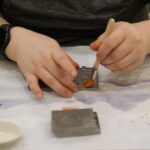
- Ink stone: This is the part many first-timers don’t expect. It’s not just a tool; it’s a tactile step that teaches control. How you manage the ink affects the brushwork later.
- Brushes: Brush size and softness matter for stroke character—thin lines, thicker strokes, and the way your brush holds or releases ink.
- Paper: Rice paper (as described for shui mo) behaves differently than modern watercolor sheets. It absorbs and interacts with ink in a unique way, so your lines settle with a specific texture.
You’ll also learn core technique points like different brush strokes and how to think about composition. The goal is to give you a foundation that makes your painting look like Chinese ink painting, not just something you made with ink.
If you’re worried about being a beginner, don’t. The class is set up for most travelers to participate, and the teaching approach is described as patient and step-by-step.
A few more Shanghai tours and experiences worth a look

What You’ll Paint: Flowers, Peony Options, and Brush Basics
The subject matter is designed to help you succeed. A lot of the described outcomes center on flowers—peony shows up clearly, with options mentioned such as bamboo or orchard. Even if your final subject varies, the structure of learning is similar: practice strokes first, then apply them to a subject that shows off the beauty of shui mo.
In two hours, you typically won’t start from a blank page and freestyle everything with no guidance. Instead, you’ll do guided exercises to build line control and a basic sense of placement. That’s the difference between a “craft” and a true art lesson.
Brush strokes: the real learning
This workshop focuses on stroke basics. That means you get repetition on:
- how to make clean lines
- how to create different thicknesses
- how to manage ink flow on paper
- how to place your brush work so the composition feels balanced
In the examples tied to this experience, the teacher explains materials, the four treasures, brush use, aesthetics, and composition basics. You should expect the final painting to reflect those lessons, even if you’re still learning.
For kids (and nervous adults)
Some of the examples describe the teacher as very kind and patient with kids. So if you’re traveling with children, this is one of the better “hands-on art” choices in Shanghai because it’s structured and supportive—not just free-form coloring.
If you’re an adult who feels clumsy with art, the same point applies. You’re not thrown into the deep end. You build skill through short, teachable steps.
Stop in Pudong New Area: The Studio Time That Makes It Worth It
After the pickup and ride, the day becomes simple: you’re in the studio, you paint, you drink tea, and you leave with something you made. The described workshop setting is in a local community area, which is part of the value.
Museums show you finished work. Studios show you process. And process is where you learn how Chinese ink painting actually works—the way line quality and spacing change the feel of the whole piece.
Because it’s private and small, you also get a better atmosphere. You’re not sharing elbow room with a crowd. Instead, you’re focused on your work and your teacher’s explanations.
One drawback to consider: studio sessions can be a bit more “socially quiet” than group tours. If you want constant chatter and broad Shanghai commentary, this is more of a calm art focus than an all-day talking guide kind of experience.
Take-Home Value: Your Painting and What You Can Practice Next
The headline benefit is straightforward: you take home the painting you create. For most people, that’s a meaningful souvenir. It’s not a postcard. It’s something you personally made with traditional tools and techniques.
The better value is what comes with it mentally. You’ll learn how brush pressure, ink mixture, and brush angle combine to produce line character. Even if you don’t keep painting regularly, you’ll be able to look at other Chinese ink works and understand why the lines look the way they do.
A realistic way to think about follow-up
In a workshop like this, you’ll leave with a beginning toolkit. Later, if you want to keep practicing, you can recreate the basics:
- try a few strokes on spare paper
- focus on line quality before adding complexity
- practice simple flower shapes using the taught approach
If you’re the type who likes learning by doing, you’ll likely enjoy that extra step after you get home.
Price in Shanghai: Is $118 a Good Deal for Two Hours?
At $118 per person, this is not the cheapest thing in Shanghai. But it also isn’t trying to compete with low-cost attractions. You’re paying for several things at once:
- private instruction (not a large class)
- a guide/translator
- pickup from downtown and a ride to the studio
- materials and the structured teaching of shui mo techniques
Two hours is long enough to learn real basics, not just a quick demo. And because you take home the finished piece, the cost feels more like “paying for an art session” than “buying a souvenir.”
If you’re comparing it to group workshops, the price makes sense because there’s no need to share the teacher’s attention. If you’re comparing it to a museum ticket plus a few photos, it’s a different experience category. This is about making, not just viewing.
Who gets the best value
You’ll feel it most if:
- you want an authentic studio-type cultural activity
- you prefer hands-on learning over lectures
- you’re traveling with one other person and want privacy
- you want something memorable for families (especially for kids who like doing)
Who This Is For (and Who Might Want Something Else)
This workshop fits best for people who want a calm, structured cultural moment. If you like art, calligraphy, or photography and you enjoy learning by making mistakes safely, you’ll probably love it.
It also fits travelers who don’t want a full day of sightseeing. It’s a shorter commitment, and it’s easier to slot into your schedule on a last day in Shanghai—or any day when you want a lighter pace.
It may not fit you if:
- you want a full tour of Shanghai neighborhoods and landmarks
- you hate studio settings and prefer being outdoors all day
- you need hotel drop-off after the lesson (that part isn’t included)
Quick practical tips before you book
- Plan for a 2–3 hour window total, even though the class time is listed as about two hours.
- Expect the workshop to operate in all weather, so bring layers.
- If you have mobility or stamina concerns, you’ll want to keep your post-class transport simple since hotel drop-off isn’t included.
Should You Book This Private Ink Painting Workshop?
Yes, if you want a small, real teaching experience and you care about taking something home that you actually made. I’d book it when you’re in Shanghai with at least a little curiosity about Chinese art, brush strokes, or how ink behaves on rice paper.
Skip it if you’re only hunting for big-ticket sightseeing or you dislike structured lessons. And if you hate organizing your transport back to your hotel, make sure you have a plan because hotel drop-off isn’t included.
The strongest reason to say yes is simple: you get professional instruction, a translator, and a finished shui mo painting in a short private session. That’s a solid value for people who want something authentic and hands-on.
FAQ
How long is the ink and brush painting workshop?
It’s listed as about 2 hours. The overall experience is described as lasting around 2 to 3 hours.
Is this workshop private?
Yes. It’s a private tour/activity, with only your group participating. The class is described as private for just four people.
Do you offer hotel pickup in Shanghai?
Yes. You can be collected from anywhere in downtown Shanghai.
Where is the workshop located?
The workshop is described as being reached from downtown by local ride service, and the experience mentions both the French Concession side and the Pudong New Area for the studio location.
What transportation is included?
Downtown hotel pickup is included, and a local didi transfer is included to get you to the art workshop.
Is hotel drop-off included after the class?
No. Hotel drop-off is not included.
What’s included in the class?
You get a private art lesson, a local guide, and the included transportation details. Tea and painting are part of the experience description.
Can kids participate?
Children must be accompanied by an adult. The experience is designed so that most travelers can participate.
FAQ
What happens if I need to cancel or change my booking?
This experience is non-refundable and cannot be changed for any reason.