REVIEW · SHANGHAI
Unlock Chinese Tea: Culture, Science, Tasting & Hands-on Brewing
Book on Viator →Operated by Max&Mini Shanghai · Bookable on Viator
Tea in Shanghai beats guessing. This hands-on Chinese tea workshop is built around tasting, brewing, and learning the why behind flavor, led by Max, a certified English guide who’s also trained as a PayPal ESG Lead/Sr. trainer before focusing full-time on tea and Chinese culture. In just about 2.5 hours, you sample multiple teas, learn the six major tea categories, and get practice using traditional tea ware so the lesson actually sticks.
I especially like the focus on practical skills, not just facts. You taste and compare, then you brew for yourself using tools like a gaiwan and clay pots, with etiquette included. One thing to consider: this is not a big sightseeing tour. You’ll spend most of your time in a private, cozy tea house setting, so if you want lots of street-walking and landmark stops, this may feel too tea-centric.
In This Review
- Key Highlights You’ll Actually Use
- Start in Old Town, Settle into a Proper Tea Room
- Max’s Teaching Style: English-Friendly, Science-Backed, and Friendly
- What You’ll Taste: Six Major Tea Categories and Real Differences
- Tea’s Story: From Herb to Daily Drink
- Hands-On Brewing With Gaiwan and Clay Pots
- Tea Snacks and Pomelo: Small Bites That Support the Lesson
- Group Size and Attention: Why Max 7 People Matters
- Price Check: Does $72 Buy Value or Just Tea?
- Where This Fits Best in Your Shanghai Plan
- Should You Book This Shanghai Chinese Tea Workshop?
- FAQ
- How long is the Chinese tea workshop?
- Where do I meet for the experience?
- How big is the group?
- What’s included in the price?
- Do I need to bring tea equipment?
- Is the guide fluent in English?
- Is cancellation allowed?
Key Highlights You’ll Actually Use
- Small group size (max 7) for more attention and better Q&A
- Max’s English guidance with culture + practical tea craft
- Tasting and comparing multiple Chinese teas to learn your palate
- Six tea categories explained with processing tied to flavor
- Hands-on brewing using classic tea ware like gaiwan and clay pots
- Tea snacks included, including seasonal fruit such as pomelo
Start in Old Town, Settle into a Proper Tea Room
Your experience begins in Shanghai’s Old Town area, near the meeting point at 宁海招待所 in Huangpu District. That matters because it frames the day as something local and lived-in, not a scripted classroom performance. You’re not rushed through a line of photos. Instead, you get the sense that this tea workshop is meant to be calm, social, and repeatable when you’re back home.
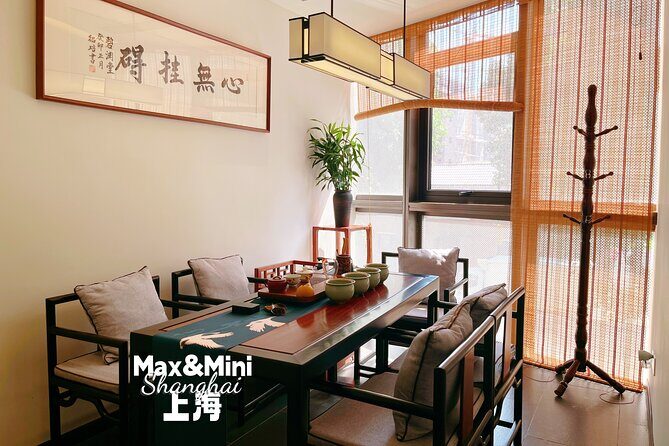
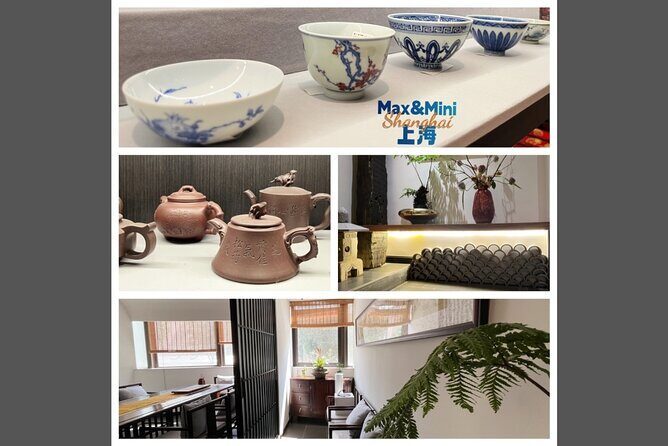
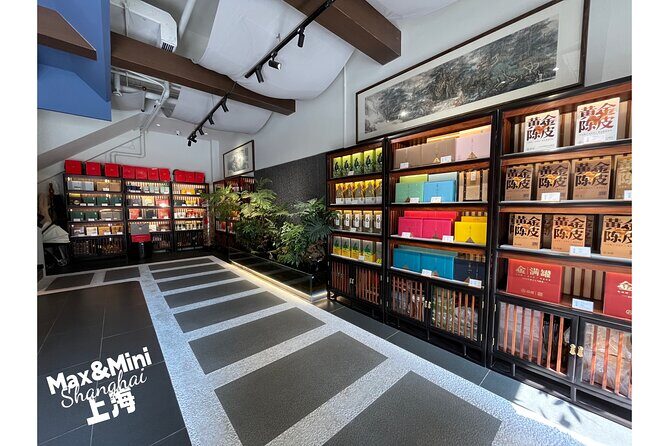
After that initial start, the core of the workshop takes place in a private cozy tea house room. It’s set up for practice, with the tea tools you need and features like air conditioning, which is a big comfort factor in Shanghai’s summer heat. The room setup also explains why the session works so well: you can taste, pause, re-taste, and adjust without turning it into a frantic sprint.
If you’re sensitive to noise or you just want an experience that feels more like a thoughtful conversation than a rush-through activity, this format is a win.
Other food & drink experiences in Shanghai


Max’s Teaching Style: English-Friendly, Science-Backed, and Friendly
Max is the heart of this experience. The workshop is led by Max only, and he’s a certified English guide with a specialization in Chinese culture learning. He also brings a trainer’s mindset—he’s used to explaining complex things in a way people can follow, not in a way that makes you memorize.
In practice, that shows up in how the workshop handles questions. You’re not stuck nodding politely. You can ask, and he answers in a way that connects tea processing and tea flavor to what you’re actually smelling and tasting. Reviews also highlight that he’s hospitable and approachable, and he prepares the whole session so you’re never wondering what’s happening next.
There’s another smart element to his approach: it blends culture with technique. Tea history isn’t just storytelling. It connects to how people drink tea today, how different tea types became important, and why brewing method changes the cup.
What You’ll Taste: Six Major Tea Categories and Real Differences
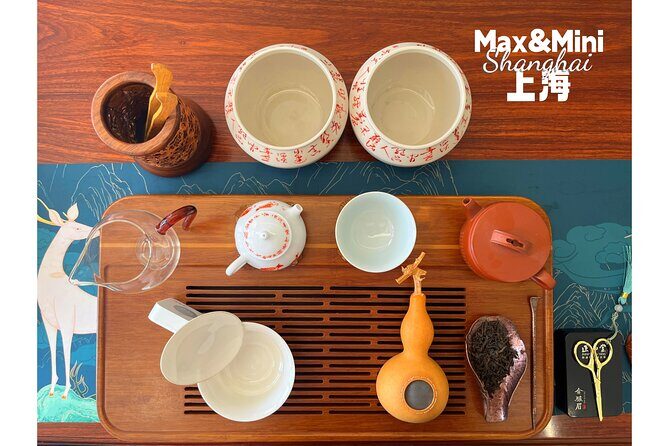
This workshop is built around tasting and comparison. You sample diverse Chinese teas, then you learn how to notice what makes them different. The big payoff for you is building a simple tasting framework you can use later, even if you don’t remember every lesson detail.
You’ll learn about China’s six major tea categories (like green, black, oolong, and other core types). The key is that you don’t treat categories as labels. You connect each category to how it’s processed and how that processing shapes flavor.
Here’s what this means in plain terms:
- Processing affects whether the tea tastes more grassy or more roasted.
- It changes aroma and mouthfeel, so the cup can feel lighter, fuller, or more lingering.
- Brewing technique then determines how much of those flavors actually show up in your cup.
Also, the session includes snacks while you taste. That helps you reset your palate and keeps the tasting from becoming one long, repetitive sip.
Tea’s Story: From Herb to Daily Drink
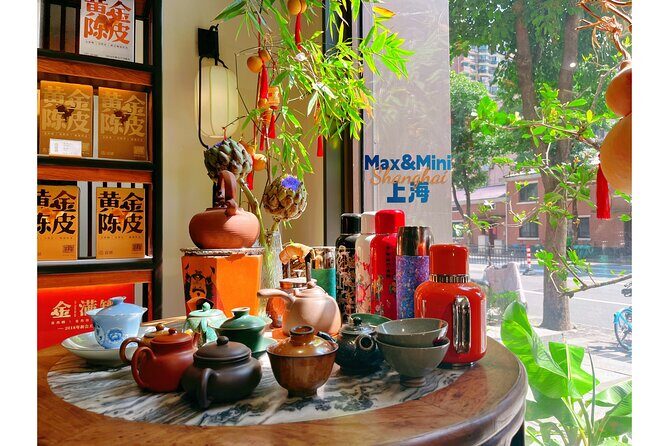
You’re not just learning what teas taste like. You’ll also hear a clear explanation of how tea evolved in China—from its early uses as an herb to how it became a daily drink.
What I like about teaching this in a guided, structured way is that it gives your tasting meaning. If you understand the historical role tea played, then tasting becomes more than entertainment. It becomes a clue to culture: how people valued refinement, hospitality, health traditions, and everyday comfort.
You’ll also get visual learning support about tea types and crafting, so it’s not all lecture and guesswork. That matters because tea is one of those subjects where people think they need expensive vocabulary. You don’t. You just need a way to observe.
Hands-On Brewing With Gaiwan and Clay Pots
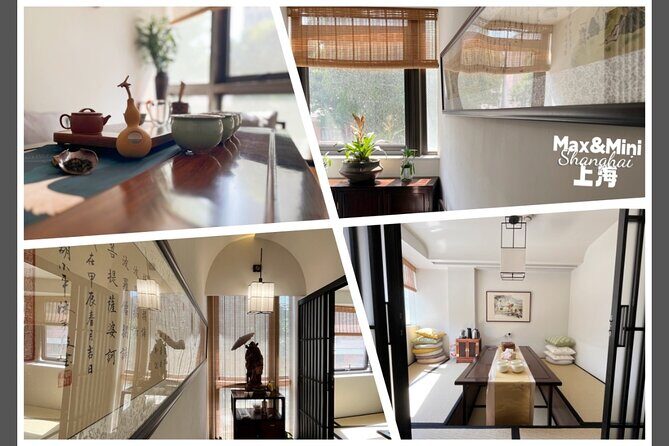
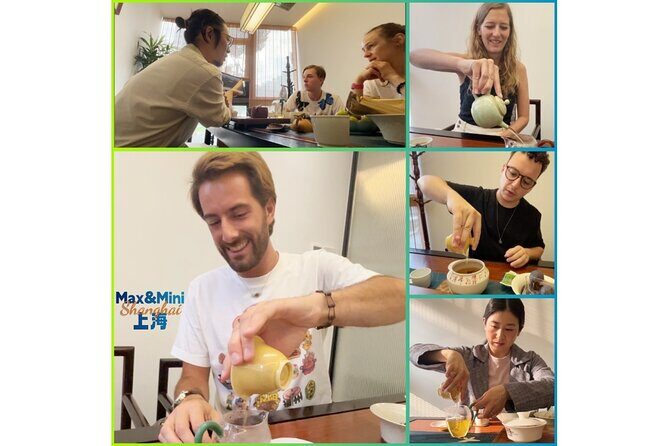
This is the part that turns a good tea lesson into one you can repeat. You practice traditional brewing methods using different tea ware, including tools like a gaiwan and clay pots.
Why is that important? Because Chinese tea isn’t one-size-fits-all. The same tea can taste dramatically different depending on:
- the vessel you use
- how you control steeping and timing
- how you pour (and how quickly you move through stages)
During the workshop, you also learn etiquette. That’s not just manners for show. It affects how you handle the leaves, how you pour, and how consistently you brew. Consistency is what helps you learn. When you brew the same way twice, you can tell what changes flavor because of tea type—not because your technique drifted.
If you’re the type who likes to learn by doing, you’ll appreciate that the session uses a practice-focused room and equipment, not just tasting cups and worksheets.



Tea Snacks and Pomelo: Small Bites That Support the Lesson
Food in a tasting session can be a distraction—or it can help you learn. Here, snacks are part of the experience so you can taste more comfortably and avoid palate fatigue.
Included snacks can include seasonal fruit such as pomelo, plus other snack items designed to pair with what you’re drinking. The practical benefit: you get a break that still keeps you in the tea mindset. You’re not forced to step out to find food or wait for a meal later.
If you’re someone who gets hungry during workshops, this inclusion makes the experience smoother. You also learn a subtle cultural point: in many tea traditions, snacks are part of how tea fits into daily life, not an afterthought.
Group Size and Attention: Why Max 7 People Matters
You cap at 7 travelers. That sounds small because it is small, and that’s the point. In tea, small differences matter. When the group is larger, it’s harder for the guide to correct your technique or explain what you’re tasting with precision.
With a small group, you’re more likely to:
- get individual questions answered
- get help fine-tuning brewing method
- taste and compare at a pace you can actually learn from
There’s also a practical comfort angle. A small group makes it easier to relax in the tea room without feeling like you’re trapped in a crowded activity space.
This format is especially helpful if you’re a first-timer. Beginners can ask basic questions without feeling behind, and you still get enough hands-on practice to build confidence.
Price Check: Does $72 Buy Value or Just Tea?
Let’s talk money honestly. At $72 per person for about 2 hours 30 minutes, you’re paying for more than tea. You’re paying for:
- an expert English guide
- multiple tasting samples across tea categories
- snacks
- a private room with equipment for hands-on brewing
Could you buy tea in Shanghai and watch videos at home? Sure. But you wouldn’t get the immediate feedback loop. Brewing technique is where most people struggle, and this workshop gives you corrections and structure while you’re learning.
So the value depends on what you want:
- If you want a skill you can use later (brewing and tasting), the price starts to make sense fast.
- If you only want a one-time taste without technique, you might feel it’s more workshop than snack.
I think it’s strong value for travelers who like culture and practical learning. Especially because you’re not dealing with a huge group where quality can drop.
Where This Fits Best in Your Shanghai Plan
This works well if you’re in Shanghai for a few days and you want one experience that’s calm, cultural, and not just another walk-and-photo loop. It’s also a good fit if you’re curious about Chinese daily life and you enjoy learning through the senses.
It’s not the best match if your ideal day is packed with major landmarks and lots of outdoor wandering. This session is mostly seated in a tea house room, with a start near Old Town and then the focus moving to tea craft.
Also, since it’s a group activity, it can be a nice way to meet other tea-curious people. But you still keep the small-group intimacy that helps you ask questions.
Should You Book This Shanghai Chinese Tea Workshop?
If you want more than tea tasting and you’re interested in how brewing method changes flavor, I’d book this. The hands-on brewing with classic tea ware, the small group (max 7), and Max’s English-focused teaching make it the kind of experience you can carry home.
I’d skip it only if you’re expecting a high-energy city tour with lots of walking stops, or if tea workshops feel like something you’d rather watch than practice. If you’re the type who learns best by doing, this is exactly that.
FAQ
How long is the Chinese tea workshop?
It’s about 2 hours 30 minutes (approx.).
Where do I meet for the experience?
The start point is near 宁海招待所 in Huangpu District, Shanghai (南车站路149弄100号, 邮政编码 200011). The activity ends back at the meeting point.
How big is the group?
The experience has a maximum of 7 travelers.
What’s included in the price?
You’ll get coffee and/or tea for tasting, snacks, and use of a private cozy tea house room with practice tea ware (plus features like air conditioning).
Do I need to bring tea equipment?
No. The workshop includes practice tea ware for brewing and learning, such as gaiwan and clay pots.
Is the guide fluent in English?
Yes. The workshop is led by Max, a certified English guide specializing in culture and tea.
Is cancellation allowed?
The policy is free cancellation up to 24 hours before the experience start time for a full refund.