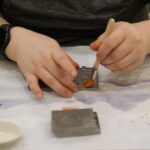
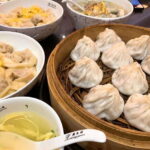
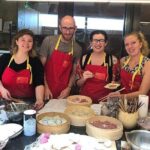
Dim sum class in Shanghai is more fun than it sounds. You pick two dumpling or sweet options, cook them in a real kitchen in the French Concession, and eat what you make right after. I like that it’s truly private with full instructor attention, and I also like the hands-on format with detailed guidance. One thing to consider: the location can be a little tricky to find from the street, so give yourself a few extra minutes.
This is a solid choice if you want more than a food tasting. The menu lets you tailor the class around what you actually want to learn, from shrimp dumplings to soup dumplings to egg rolls. A drawback is that you don’t get hotel pickup, so you’ll want to be comfortable getting yourself to the meeting point by transit.
The class runs about 2 hours and starts at 10:00 am. I’m especially glad to see that options are flexible on paper, including a vegetarian request, and that the chef (Mike is mentioned in multiple reviews) brings clear English and lots of patience—useful if you’re cooking with kids or just want time for questions.
In This Review
- Key points worth knowing before you go
- Dim sum choices and why this private setup matters
- French Concession kitchen reality check (in a good way)
- The menu: pick your 2 items and build your lesson plan
- What you’ll actually learn (and why it helps at home)
- Timing, price, and how to judge value in Shanghai
- Meeting point logistics on Moganshan Road (no pickup)
- Who this class is best for (and who might want something else)
- After class: you eat what you made
- Should you book this Shanghai dim sum cooking class?
- FAQ
- How long is the dim sum cooking class?
- Is this a private class?
- What dim sum items can I choose from?
- Do I need to bring ingredients or equipment?
- Is there a vegetarian option?
- Where do we meet, and do we get hotel pickup?
- What time does the class start?
- What are the age rules?
- What’s the cancellation policy?
Key points worth knowing before you go
- You choose exactly 2 items from the dim sum menu when you book
- Private by default: only your group cooks together, with full instructor attention
- All ingredients and equipment are included, so you’re not hunting supplies
- You’ll eat your creations after cooking, not just watch and leave hungry
- Mike’s English and teaching style come up repeatedly in feedback
- No hotel pickup means you’ll navigate to Moganshan Road yourself
Dim sum choices and why this private setup matters
Shanghai dim sum can feel like a choose-your-own-adventure in the best way. The catch is that most food experiences show you a bunch of items, but you don’t really learn the steps behind them. This class flips that: you pick two bite-size treats to focus on, then you make them from scratch.
That choice is the first reason this works. If you’ve been curious about xiao long bao (steamed pork dumplings with soup) or you want something crispy like an egg roll, you can build the class around your tastes instead of getting assigned a random set.
The second reason I like the format: it’s private. That matters because dim sum technique is detail-heavy—folding, sealing, steaming timing, and how to handle fillings without tearing wrappers. In a private class, you’re not competing for attention, and you don’t feel rushed. Reviews also point to Mike as a teacher who answers questions patiently and doesn’t rush people, including a family cooking with a teen who needed breaks and redo attempts.
The one practical consideration is logistics. You’ll start at a fixed meeting spot on Moganshan Road and return there at the end. If you rely on hotel pickup for everything, this might feel slightly inconvenient. Still, the meeting area is described as near public transportation, so it’s not a lost cause—you just need to plan your route.
Other private tours in Shanghai


French Concession kitchen reality check (in a good way)
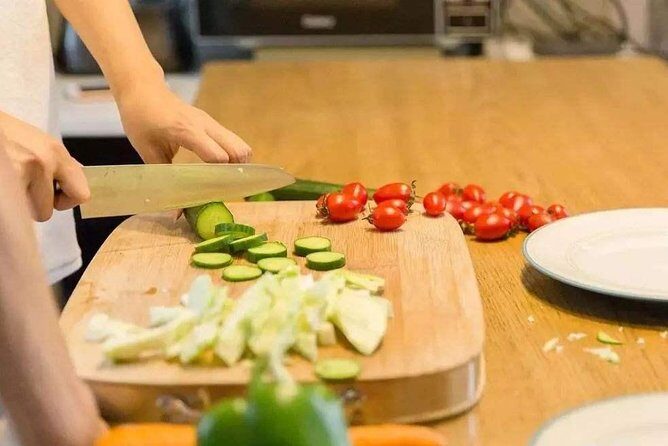
The class takes place in a Chinese cooking workshop in the French Concession area of Shanghai. You’re guided through the process in a kitchen set up for real cooking, with equipment and ingredients provided. This isn’t a demo where you stand at the edge and watch.
You should also know what kind of space you’re walking into. One piece of feedback says the room can be a little tricky to find from the street because there aren’t many obvious signs. Once you’re inside, it’s described as an industrial-style kitchen setup. Translation: expect practical work areas, cooking tools laid out for use, and a “get your hands in there” vibe.
Timing is straightforward: 10:00 am start, about 2 hours total. You’ll want to arrive on time because dim sum doesn’t wait around. Wrappers and fillings have a rhythm, and steaming or frying steps can’t be shuffled forever.
Dress for working in a kitchen environment. The experience notes that it operates in all weather conditions, so you’ll want to dress appropriately for Shanghai’s conditions on the day you go. If you wear something you love, consider whether it can handle cooking-room heat and the occasional small splatter. Nothing dramatic is mentioned, but kitchens are kitchens.
The menu: pick your 2 items and build your lesson plan
When you book, you advise the dim sum chef which two items you want to learn. The menu includes:
- Shrimp Dumpling
- Goldfish Dumpling
- Four Happiness Dumpling
- Sui Mai
- Xiaolongbao (steamed pork dumplings with soup)
- Big Wonton
- Leaf Bun
- Fried Bun
- Egg Roll
- Sesame Ball
- Red bean paste sweet soup
- Coconut sago sweet soup
You’re not just selecting for flavor—you’re selecting what techniques you’ll practice.
Here’s how to think about the choices:
If you want delicate folds and a more “wow” result, consider xiao long bao or shrimp dumplings. Reviews mention making soup dumplings and egg rolls as a combination that turned out delicious.
If you want something that’s more about shape and flavor balance than delicate filling control, sui mai and wontons can be great picks. They’re also often a good match if you’re cooking with kids and want achievable success without complicated timing pressure.
If you want crispy textures, fried bun or egg roll will push you toward wrapping, sealing, and getting a good fry or crisp finish. Feedback specifically calls out spring rolls/egg rolls as delicious in the class.
If you want the sweet side, you can choose either red bean paste sweet soup or coconut sago sweet soup. These options can be a nice contrast to dumplings and a way to end the class with something comforting.
Vegetarian option is available. The key practical move is to ask for it during booking so the chef can plan accordingly. Because you’re choosing two items, vegetarian cooking may mean swapping from the meat or seafood options to vegetarian-friendly picks from the menu.
What you’ll actually learn (and why it helps at home)
A cooking class becomes valuable when you leave with repeatable skills. This one is built around detailed instruction, plus you’re provided with equipment and ingredients, which removes the biggest frustration: figuring out what supplies you’d need to try again later.
In the feedback, what stood out wasn’t only the final food—it was the chance to ask technique questions in real time. One comment specifically praises the advantage of having time to question techniques, especially after trying dim sum from videos without the same results. That makes sense. Dim sum isn’t just ingredients. It’s pressure points, sealing habits, and consistency.
Here are the kinds of skills a class like this helps you practice, based on the menu and what’s emphasized:
- Portion control: dumplings and buns need filling ratios that keep them tasty and properly structured.
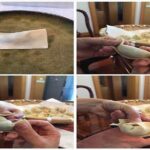
- Sealing and folding: if a seam opens during steaming, you lose the whole point of the dish.
- Cooking method precision: steaming vs frying changes everything. A “mostly right” wrapper can still fail in cooking.
- Flavor balancing: dumpling fillings and sweet soup bases are about how flavors carry—especially when you bite through wrapper to filling.
Also, one review mentions learning some history alongside the cooking. Even if history isn’t the main focus, that added context tends to make the techniques more meaningful. When you know what a dish is supposed to taste like and why it’s made a certain way, it’s easier to reproduce at home.
And because you’ll eat what you make, you can calibrate immediately. If something tastes off, you’ll remember the step right before it went wrong—and next time you try, you’ll know what to adjust.
Timing, price, and how to judge value in Shanghai
The price is $88.00 per person, for a class lasting about 2 hours. The booking pattern shows it’s commonly reserved around 9 days in advance on average, which suggests it’s not a last-minute gamble.
Now the value question: is $88 a lot? In Shanghai, cooking classes vary widely, but this one has a few value multipliers baked in:
- Private class setup (only your group participates)
- All ingredients and cooking equipment provided
- You make and then eat a full meal created by your own hands
- Professional instructor time with enough patience for real questions
If you compare it to paying for a restaurant meal plus a separate guided activity, it often wins because you get an actual skill lesson, not only a food experience. And compared with mass group classes, private attention can matter more than the “headline” dishes.
One more small but meaningful detail: the experience includes group discounts and a mobile ticket, which can make planning smoother if you’re traveling with friends or family and want everyone to book cleanly under one plan.
Budget tip: if you’re traveling as a small group, the private format can feel even better value. The class is about your group cooking together, not squeezing in multiple unrelated participants.
Other cooking classes in Shanghai
Meeting point logistics on Moganshan Road (no pickup)
You meet at Moganshan Road (Mo Gan Shan Lu, Pu Tuo Qu, Shang Hai Shi, China). The class starts at 10:00 am, and it ends back at the meeting point.
Two practical points here:
1) No hotel pickup and drop-off
You’ll need to get there on your own. The good news is it’s listed as near public transportation.
2) Give yourself buffer time
Because one review notes the room can be hard to find from the street, you’ll be glad you arrived a few minutes early. If you’re relying on a phone map, it may help to confirm the exact entrance or landmark during booking.
If you’re the type who hates rushing, treat this like a morning appointment. Once you’re inside, the experience is set up for cooking, so you can relax and focus on the hands-on part.
Who this class is best for (and who might want something else)
This experience fits several common Shanghai travel styles.
Families and kids
One review calls out a great experience with a daughter and mentions very good service. Cooking with kids works best when the instructor is patient and doesn’t rush. Feedback repeatedly mentions Mike’s patience, including handling a teen who needed several attempts at dividing effort.
Couples or solo food learners
If you want a memorable meal plus real technique practice, the private setup is ideal. You’ll also be able to pick dishes that match your cravings, like soup dumplings or something crispy.
People who already like dim sum but want to level up
If you’ve eaten dim sum in restaurants and wondered how it’s made, this is a direct path to understanding. The class structure forces you to confront the steps behind the taste.
Who might want a different option? If you want a broad sampling tour with many dishes taught at once, this class is focused: you choose two items. That’s part of the value. It’s also why it’s not the best match for someone who wants a larger menu variety lesson in one go.
After class: you eat what you made
One of the best parts is that you don’t just cook for the photo and leave. The experience includes your hand-made dim sum meal. So after the cooking steps, you get to enjoy what you created.
This matters because dim sum is best judged by mouthfeel and taste in context. The wrapper thickness, the seasoning, the balance between wrapper and filling, and the cooking method all come together only once the food is cooked. Eating your results right away helps you connect technique to outcome.
And if you chose one dumpling-style item and one crisp or sweet option, you’ll end up with a well-rounded meal: savory bites plus dessert-like comfort if you pick sweet soup.
Should you book this Shanghai dim sum cooking class?
If your goal is to learn a skill you can repeat, I think this is a strong yes. The big reasons are private instruction, hands-on cooking, and picking two specific menu items so you’re not stuck with dishes you don’t care about.
Book it if:
- you want real technique practice (not just sampling)
- you like the idea of cooking in the French Concession area
- you’re traveling with kids and want a patient instructor
- you care about getting enough attention to ask questions
Skip it (or consider another type of food experience) if:
- you want a long list of dishes taught in one session
- you strongly prefer hotel pickup and zero navigation
- you’re hoping for a walk-up class with no planning around the two-item menu choice
If you can handle a simple meeting point and want to leave with the confidence to make dim sum at home, this is one of those Shanghai experiences that turns into a story you’ll still be telling later—because you actually made the food.
FAQ
How long is the dim sum cooking class?
It runs for about 2 hours.
Is this a private class?
Yes. It’s a private tour/activity, and only your group will participate.
What dim sum items can I choose from?
You choose 2 items from this list: Shrimp Dumpling, Goldfish Dumpling, Four Happiness Dumpling, Sui Mai, Xiaolongbao, Big Wonton, Leaf Bun, Fried Bun, Egg Roll, Sesame Ball, Red bean paste sweet soup, or Coconut sago sweet soup.
Do I need to bring ingredients or equipment?
No. The experience includes cooking equipment, ingredients, and detailed instruction.
Is there a vegetarian option?
Yes. Vegetarian options are available if you request it when booking.
Where do we meet, and do we get hotel pickup?
You meet at Moganshan Road (Mo Gan Shan Lu, Pu Tuo Qu, Shang Hai Shi). Hotel pickup and drop-off are not included.
What time does the class start?
The start time listed is 10:00 am.
What are the age rules?
Age under 2 is free to join. Children must be accompanied by an adult, and adult pricing applies to all travelers from age 3.
What’s the cancellation policy?
You can cancel for a full refund up to 24 hours before the experience’s start time. If you cancel less than 24 hours before, the amount paid will not be refunded.