REVIEW · SHANGHAI
Shanghai: Xintiandi, CCP Museum and French Concession Tour
Book on GetYourGuide →Operated by Shanghai Guided Tours · Bookable on GetYourGuide
Small streets, big turning points. This 3-hour walk strings together Shanghai’s Tianzifang arts quarter, the Former French Concession buildings, and key CCP-era sites in a way that’s easy to follow on foot.
I especially liked how the guide turns architecture into stories—first with the cozy maker-and-gallery feel of Tianzifang, then with the way the courts in the concession reflected foreign power in daily life. Guides like Tom and Roy come through with fluent English and the kind of answers you can actually ask questions about.
One consideration: it’s still a walking tour, and there’s no food or drinks included, so bring your own water plans and wear shoes you can live in for a few hours.
In This Review
- Key points at a glance
- Tianzifang Start: Where Creative Shanghai Wakes Up First
- Former French Concession Walk: Courts Run by the UK, US, and France
- Sinan Mansions Area: Western Villas and the Geography of Power
- Zhou Enlai to Sun Yat-sen: Revolution Stories Through Real Addresses
- Xintiandi Finale: CCP Formation and the First National Congress Site
- Price, Pace, and Value: Is $60 for 3 Hours Worth It?
- Who This Tour Suits Best
- Should You Book This Tour?
- FAQ
- How long is the tour?
- What’s included in the price?
- Is food or drinks included?
- Where does the tour meet?
- Where does the tour end?
- How big is the group?
- What language will the guide speak?
- What should I bring?
- Is there free cancellation?
Key points at a glance
- Tianzifang first: creative lanes and small shops set the tone before the big-history stops
- Former French Concession courts: learn how the UK, US, and France ran legal life in Shanghai
- Sinan Mansions area: Western-villa-only planning makes the geography of power feel real
- Zhou Enlai’s former residence: French-style building tied to CCP office functions
- Dr Sun Yat-sen’s home: key revolutionary influence, with original elements still present
- Xintiandi for CCP origins: visit the site connected to the first National Congress of the CCP
Tianzifang Start: Where Creative Shanghai Wakes Up First
You’ll meet at Tianzifang (田子坊3号门) Station, right by entrance number 3, with your guide holding a GetYourGuide logo. From the start, the vibe is less “museum day” and more “slow walk through lived-in neighborhoods,” which is exactly what you want before jumping into politics and power.
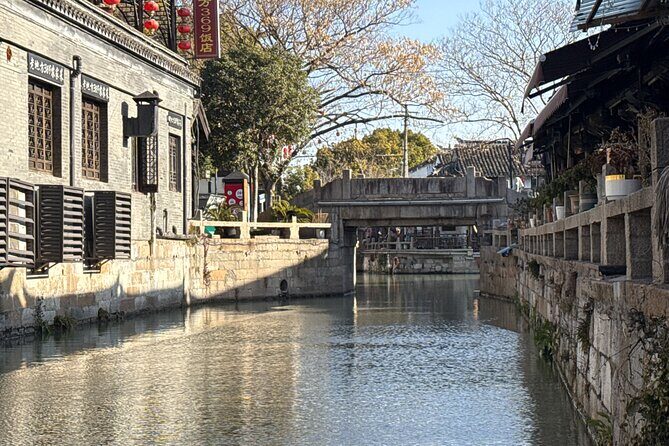
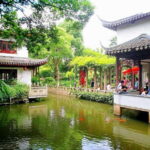
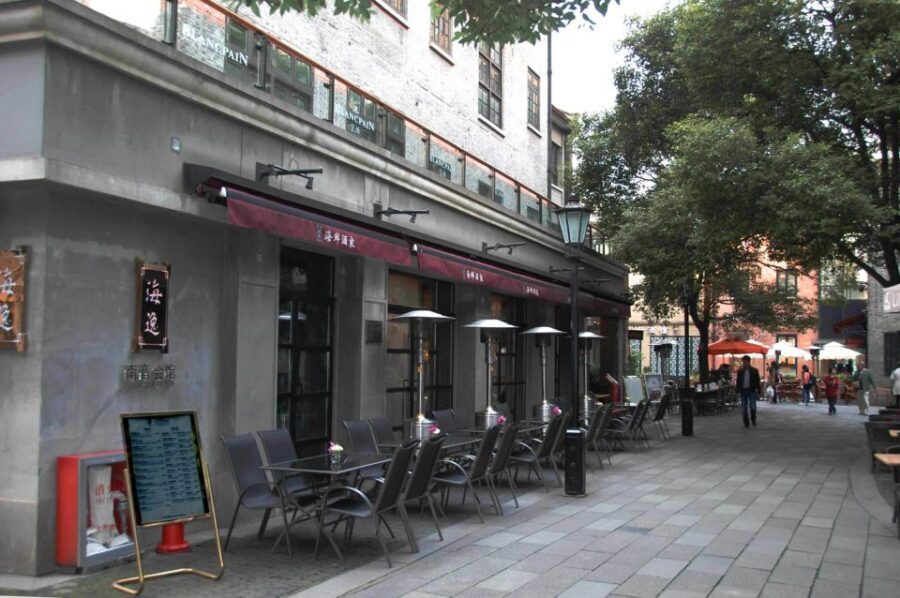
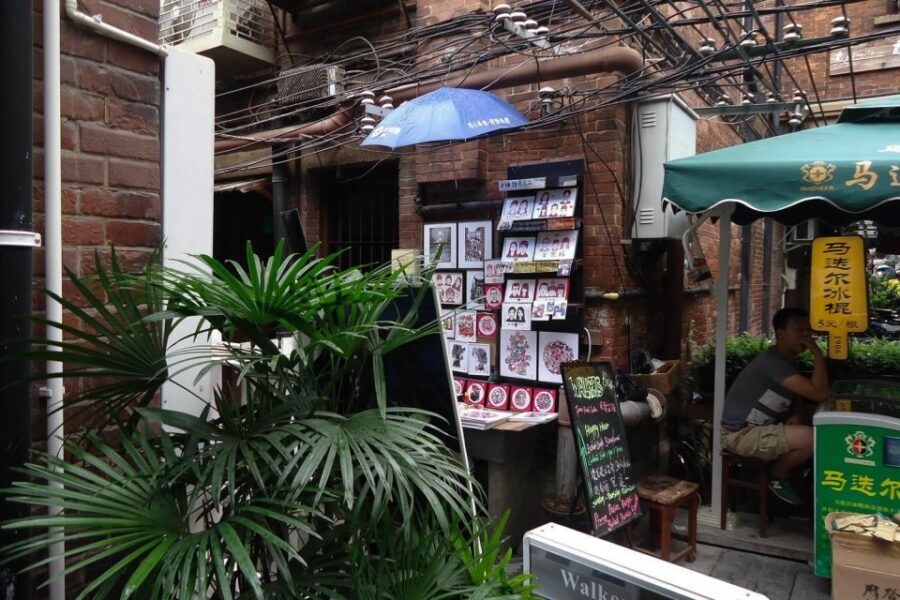
The first stop is Tianzifang, a cozy area known for small creative businesses—think tight lanes, galleries or design shops, and that slightly artsy, local-energy feeling Shanghai does well. Instead of launching straight into heavy history, the tour eases you in: you get oriented to the streets, the density, and the way people actually move through the area.
Why this matters for you: if you’re only in Shanghai for a short time, this opener gives you a mental map. You’ll start noticing patterns—what feels foreign, what feels local, and where the story changes—from one neighborhood to the next.
Practical note: Tianzifang is compact, but it’s still a walking start. Wear comfortable shoes right away, because you’ll likely keep them on for the full loop.
Other French Concession walks we've reviewed in Shanghai



Former French Concession Walk: Courts Run by the UK, US, and France
After Tianzifang, you move into the Former French Concession, often called the FFC. This is where the tour gets sharply interesting in a very practical way: your guide doesn’t just point at buildings—they explain what those buildings meant, especially around the law and courts.
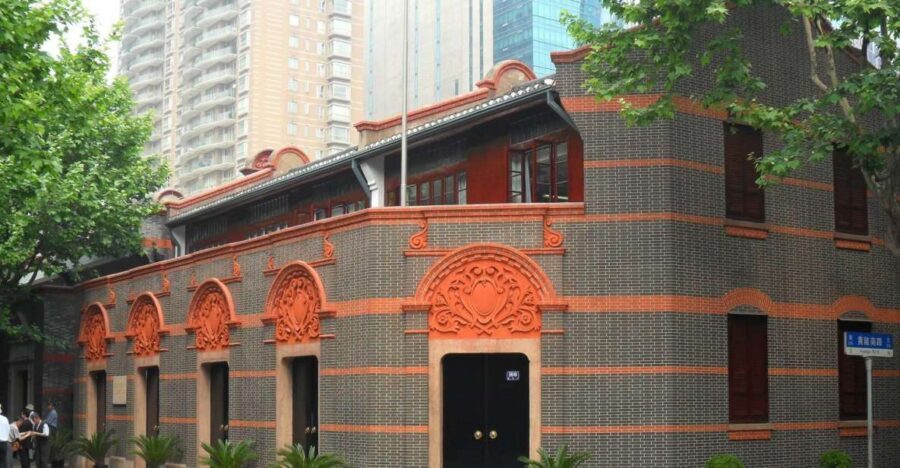
You’ll visit the Shanghai Associated House Common Pleas. The key idea here is simple and striking: foreigners didn’t only run businesses in parts of Shanghai—they helped run legal life too. Your guide connects the dots between the UK, US, and France and how they operated courts in Shanghai.
What makes this stop work is the storytelling style. Based on how the guides communicate, you can expect explanations that stay grounded: where you are, what power looked like on the street, and why a court building isn’t just an old structure. It’s a clue to how a city functions when multiple foreign systems overlap.
Possible drawback: if you’re hoping for purely scenic photo stops, this portion is more brain-forward than camera-forward. That said, it’s also one of the best places on the route to understand why Shanghai grew the way it did.
Sinan Mansions Area: Western Villas and the Geography of Power
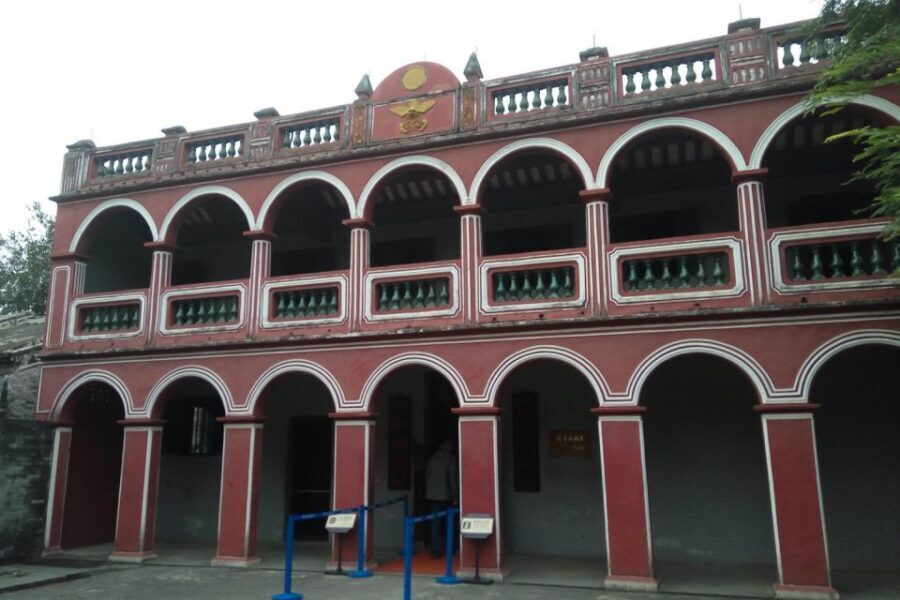
Next comes the Sinan Mansions zone—an area where only Western villas were allowed to be built. Even if you don’t know much about Shanghai’s modern history, this rule-of-thumb planning detail instantly changes how you read the neighborhood.
The tour frames the area like a living diagram. Architecture here isn’t just beauty; it’s policy made visible. Walking through streets shaped by that kind of restriction makes the “who had permission to build where” theme feel concrete, not theoretical.
Your guide then brings you to the former residence of Zhou Enlai, inside a French-style building. This part of the tour ties a personal historical figure to an administrative role: the building was also used as the Shanghai office of the Delegates of the Communist Party of China.
Why you’ll probably remember this: it’s a rare mix of textures. You’re looking at foreign-style design while learning about CCP organizational functions tied to Shanghai. The contrast helps the timeline stick.
Tip: take a slow moment at each major building. The guide’s explanations will land best if you pause long enough to register the details you’re standing in front of.
Zhou Enlai to Sun Yat-sen: Revolution Stories Through Real Addresses
After Zhou Enlai’s former residence, the tour shifts to Dr Sun Yat-sen’s former residence. This is another “place matters” stop: most elements remain untouched, so you get a stronger sense of what’s original and what’s been preserved.
The tour focuses on who Sun Yat-sen was and why he mattered. You’ll learn about his influence on the revolution in China and why he’s still one of the best-known figures in Chinese society. The point isn’t to memorize dates. It’s to understand influence—how ideas and leadership shaped the direction of the country.
What I like about pairing Zhou Enlai’s building with Sun Yat-sen’s is the way it shows continuity. You’re moving from a CCP-associated Shanghai office connection to a broader revolutionary story, all without leaving the same compact part of the city.
One consideration: if you’re sensitive to politically themed content, you’ll still be in a respectful historical-information mode. The tone you’re likely to get from guides such as Roy or Tom is explanatory and question-friendly, not preachy.
Xintiandi Finale: CCP Formation and the First National Congress Site
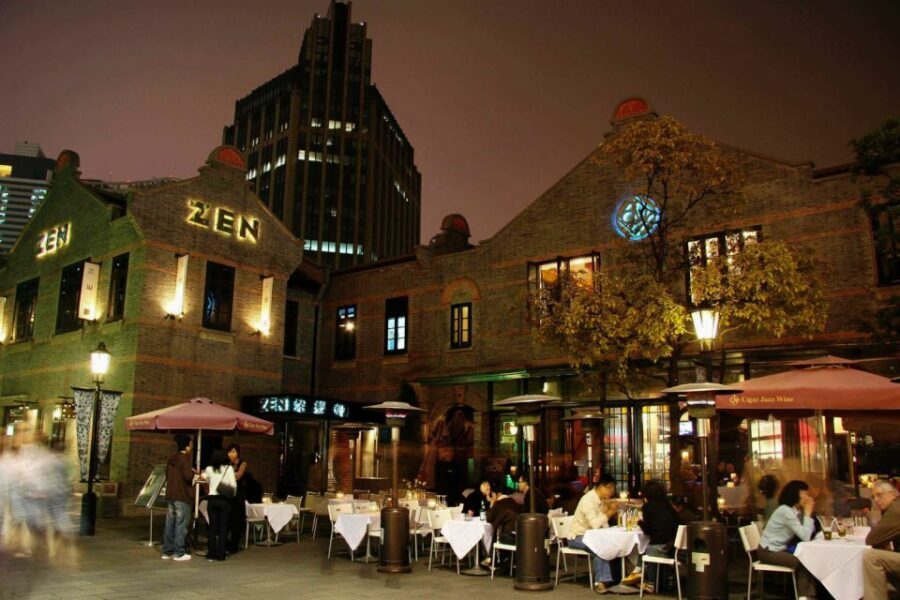
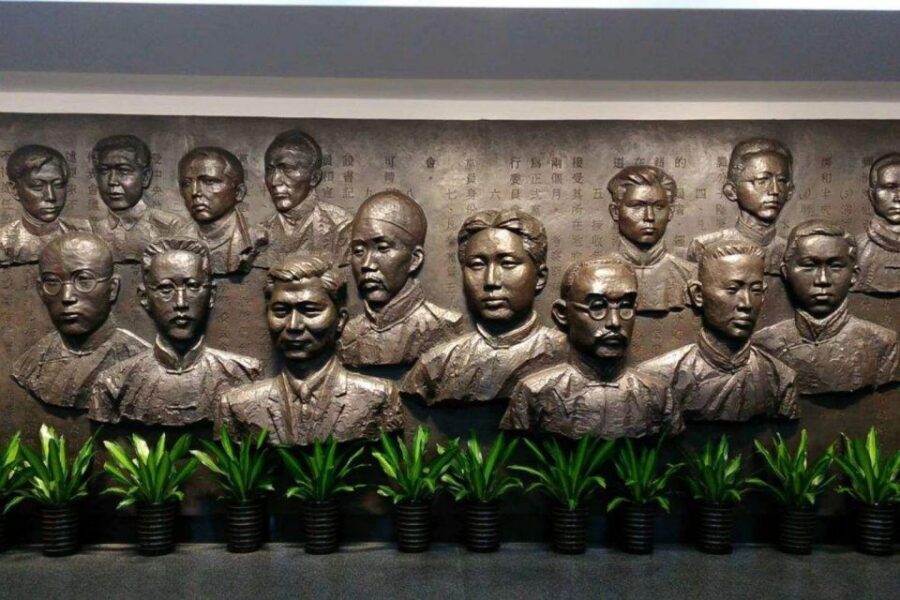
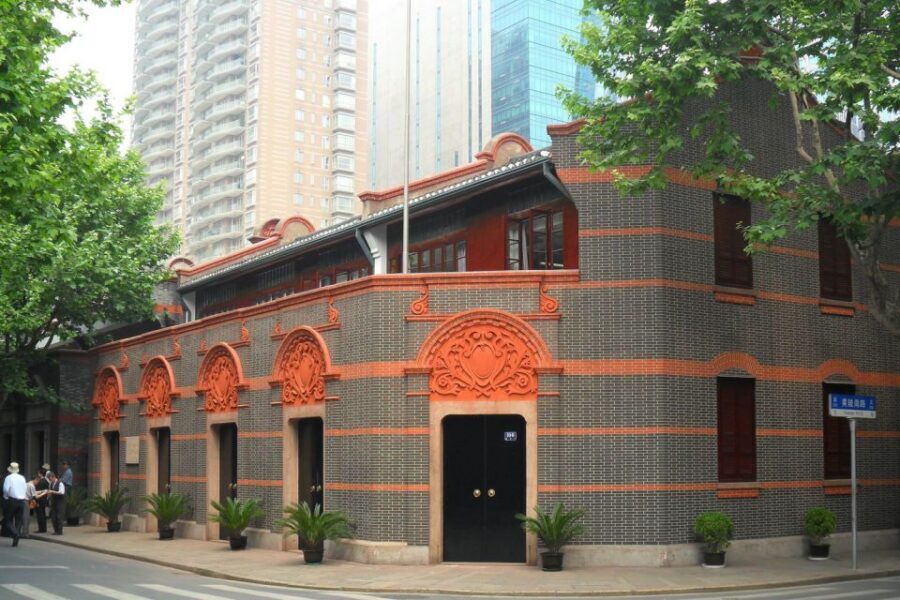
The last stop is Xintiandi, and it’s the centerpiece for anyone curious about how the CCP formed. Here, the tour connects the area to the formation of the CCP, and you’ll also visit the site tied to the first National Congress of the CCP.
This is where your earlier context pays off. By the time you reach Xintiandi, you’ve already seen:
- a creative neighborhood (Tianzifang)
- a foreign concession zone with legal systems in play (FFC and court stop)
- a district shaped by Western building restrictions (Sinan Mansions)
So when the tour lands on CCP origin ground, it doesn’t feel like a jump into abstract ideology. It feels like Shanghai’s streets and buildings are part of one continuous story.
If you’re thinking about photos: the most meaningful shots may come from watching how the guide frames the location—pointing out what to notice and what to ask about. The guide can also give you local ideas for eating or bars around the area at the end, which is a nice practical bonus when your tour time is done.
Other museum experiences in Shanghai


Price, Pace, and Value: Is $60 for 3 Hours Worth It?
At $60 per person for a 3-hour small-group walking tour, the value depends on one thing: whether you want context, not just sightseeing.
You’re getting:
- a professional English-speaking guide
- hotel pickup if you choose that option
- a route built around major buildings and specific political-historical themes
- a small group limited to 10 participants
That’s the difference between paying for “a walk” and paying for “a guided explanation that helps you understand what you’re seeing.” And based on guide feedback, the guides communicate very well—fluent English, clear explanations, and the ability to answer questions deeply. Guides like Tom have been described as fully fluent and able to talk in depth about anything you ask, while Roy has been praised for showing streets where residents run businesses and live.
Pace-wise, it’s a short duration, but it’s still a walking route through multiple stops. If you’re not used to city walking, consider bringing water and building in small pauses for photos and explanations.
No food is included, so plan your next meal afterward. This is one of those tours where the best strategy is to treat it like a history class you can walk through.
Who This Tour Suits Best
This is a strong fit if you:
- want history explained through specific buildings, not just timelines
- like walking neighborhoods and learning how power shows up in the built environment
- enjoy asking questions and getting straight answers from a fluent guide
- want an efficient, 3-hour way to connect Tianzifang, the French Concession, and CCP origin sites
It’s less ideal if you want a fully relaxed, mostly scenic experience with minimal talking. This tour is more “stories behind the walls” than “just enjoy the view.”
Should You Book This Tour?
Yes—if you want to understand Shanghai in a way that actually sticks. The route is compact, and the guide-led focus on the Former French Concession courts, Sinan Mansions planning, Zhou Enlai’s former residence context, Sun Yat-sen’s preserved elements, and CCP formation at Xintiandi gives you a clear narrative thread.
Book it especially if you value a guide who communicates smoothly. If you tend to learn best by talking things through, this tour’s style—question-friendly, detail-based—will feel like the right match.
If you’d rather spend your time on beaches, skyline viewpoints, or purely cultural shopping without political context, you might prefer a different kind of tour. But for a history-and-neighborhood blend, this one is a solid choice.
FAQ
How long is the tour?
The duration is 3 hours.
What’s included in the price?
You get a professional English-speaking guide, and hotel pickup is included only if you select the pickup option.
Is food or drinks included?
No. Food and drinks are not included.
Where does the tour meet?
Meet in front of the entrance number 3 of Tianzifang (田子坊3号门) station. Your guide will be holding a GetYourGuide logo. Address in local language: 泰康路248弄田子坊3号门.
Where does the tour end?
The tour concludes at Xintiandi.
How big is the group?
It’s a small group limited to 10 participants.
What language will the guide speak?
The live tour guide is available in Chinese and English.
What should I bring?
Bring a passport or ID card, comfortable shoes, and a face mask or protective covering.
Is there free cancellation?
Yes. You can cancel up to 24 hours in advance for a full refund.