REVIEW · SHANGHAI
Shanghai: Natural Museum tickets with guide(optional)
Book on GetYourGuide →Operated by Chinatravelhelper · Bookable on GetYourGuide
A museum where nature feels real. This Shanghai Natural History Museum ticket takes you through 10 themed exhibition areas plus science-forward theater shows, all in one day. I like that you get over 11,000 specimens and models to browse across seven continents, without needing to stick to a set script.
Second, I like the flexibility: you can explore at your own pace, then bring in an optional English live guide if you want help connecting the dots. The museum is also set up for hands-on learning, including activities like Nature Exploration Camp and Drawing Nature.
One thing to consider: you’ll need to handle admin details ahead of time, including sending your visit date and passport information by email, and the museum doesn’t allow food or drinks. Plan around that and you’ll have an easier day.
In This Review
- Key points worth knowing before you go
- Price and value for a 1-day science stop
- Location in Jing’an Sculpture Park: what it means for your day
- Inside the museum: how the 10 exhibition areas work as a story
- Theater shows plus the live breeding area: the museum’s energy boost
- Education programs: how to make the most of the Exploration Center
- The optional English guide: when it’s worth paying attention
- Plan your day: timing, what to bring, and museum rules
- Who this ticket suits best (and who might skip it)
- Booking reality check: is $13 worth it for you?
- FAQ
- FAQ
- What’s included in the ticket price?
- How long is the experience?
- Is there an English guide?
- Where is the museum located?
- What should I bring with me?
- What food rules should I know?
- What info do I need to send after booking?
- Should you book this Shanghai Natural History Museum ticket?
Key points worth knowing before you go
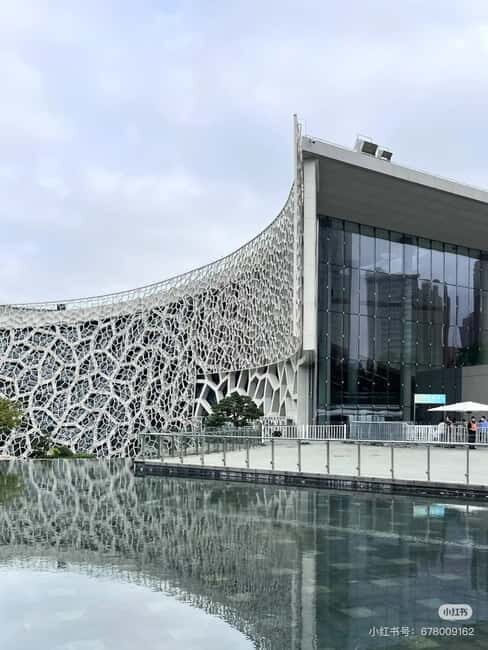
- 10 themed exhibition areas that follow a nature-and-humanity storyline
- 5 immersive theaters for big visuals and fast learning
- 300-square-meter live breeding area for real-world science in action
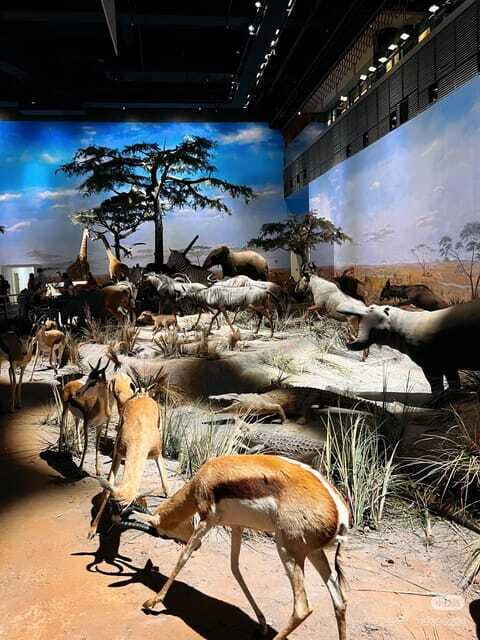
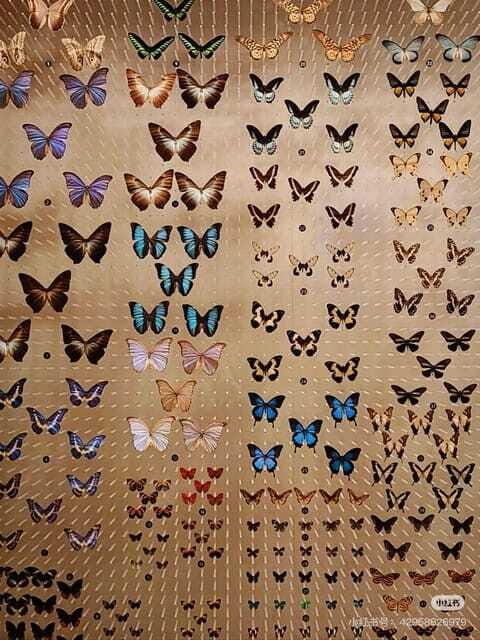
- 11,000+ specimens and models across the seven continents
- Small group size (up to 5) if you choose the English guide
- Educational add-ons like Nature Exploration Camp and Drawing Nature
Price and value for a 1-day science stop
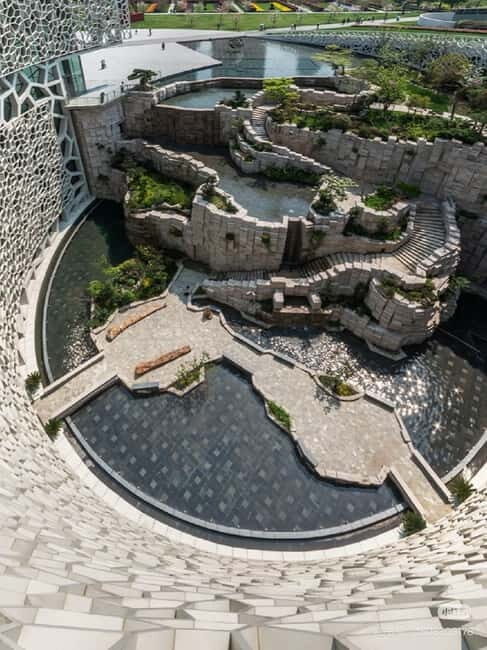
At $13 per person for a 1-day ticket, you’re paying for entry plus an information service fee. The value comes from what you’re actually allowed to access: 10 exhibition areas, 5 theater shows, a live breeding area, and a dedicated exploration space (the museum includes a 1,200-square-meter Exploration Center). That’s a lot of content for one admission price.
Also, the museum is not just “look and move on.” The theme is Nature · Humanity · Harmony, which means the exhibits are framed to help you connect animals, ecosystems, human impact, and technology rather than treating everything like separate facts. If you like museums that teach a point of view, this one fits.
If you’re on a Shanghai schedule that’s tight, the 1-day format matters. You don’t have to commit to a half-day here plus a half-day somewhere else. You can do one clean block: arrive, follow a route you enjoy, watch the shows, and finish with whatever educational activities are running.
A few more Shanghai tours and experiences worth a look

Location in Jing’an Sculpture Park: what it means for your day
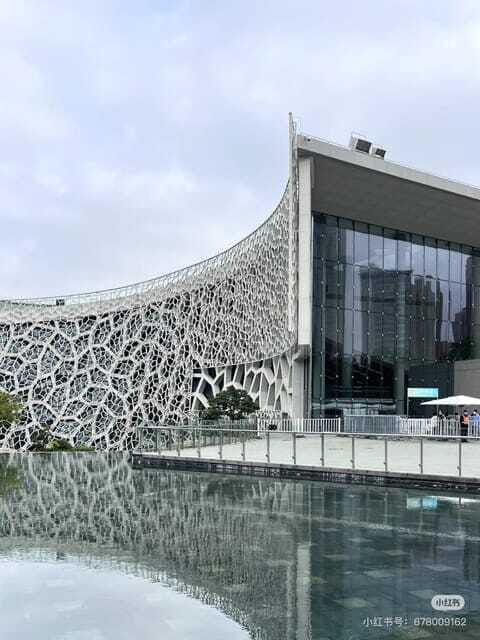
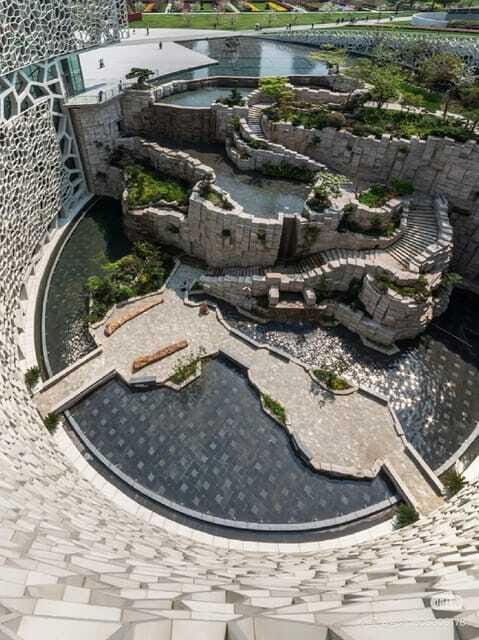
The Shanghai Natural History Museum sits at 510 West Beijing Road, Jing’an District, inside Jing’an Sculpture Park. That matters because you’re not just dropping into a single building. You’re in a park-like setting, so it’s easier to pair your museum time with a low-stress walk outside afterward.
Inside, the museum is large enough to feel like a real destination: the building area is 45,257 square meters, and the exhibition-and-education service area is 32,200 square meters. Translation: you won’t feel like you’re rushing through a small display. You’ll have enough room for a slower pace, especially if you plan to watch the theater shows and still spend time with exhibits.
One practical note: bring your passport or ID card. The experience includes real-name handling, so having the right document ready helps avoid last-minute friction.
Inside the museum: how the 10 exhibition areas work as a story
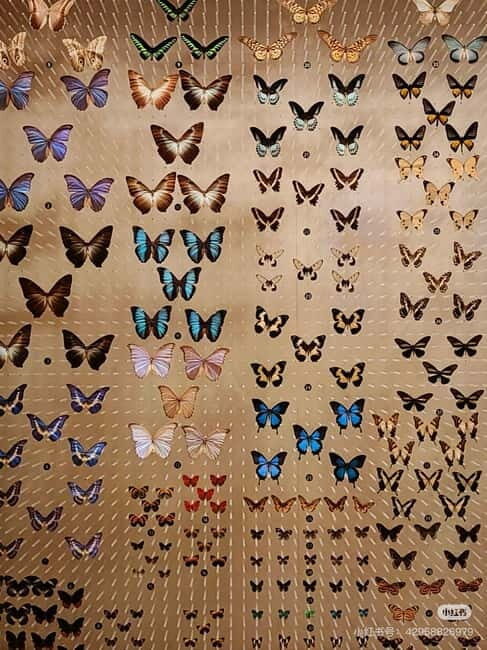
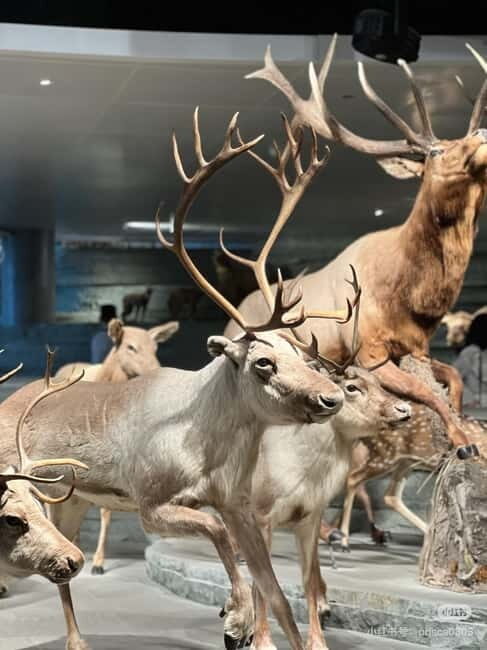
The museum is organized into 10 themed exhibition areas, and the titles are built like chapters. Even if you don’t follow them in order, you’ll still feel the overall rhythm: origins, life across time, evolution, Earth systems, and the relationship between humans and nature.
Here’s how I’d think about each area before you enter, based on its theme name and what it’s meant to teach:
- Mystery of Origins: A science-start chapter. Expect big ideas about how life and natural systems begin and why that matters.
- The Long River of Life: A time-and-continuity focus. This is where you can connect evolution to the bigger “life story” rather than isolated specimens.
- Path of Evolution: Evolution framed as a process. If you like cause-and-effect learning, this section should click.
- Earth Treasures: A planet-minded chapter. Think Earth as a system with resources, structure, and long-term change.
- Diverse Life: A “variety of life” tour through different forms and how they fit their environments.
- Ecological Wonders: Ecosystems and interactions. This is where harmony themes usually feel most concrete.
- Survival Wisdom: Adaptation and resilience. You’ll likely see how traits help organisms cope with changing conditions.
- Human and Nature Bond: The relationship section. It’s designed to highlight how human choices affect nature—and what that means.
- Shanghai Stories: A local-thread chapter tied to the city. Even when you’re not learning about Shanghai specifically, this kind of section helps make science feel relevant.
- The Path to the Future: A forward-looking wrap-up. This is where the museum’s tech-and-science progress angle is most visible.
What I like about this setup for you: the museum doesn’t force you into one rigid “tour path.” You can spend extra time where your curiosity pulls you, then come back for the chapter you skipped. That’s perfect if you’re traveling with different interests in your group—or if you just need a museum that doesn’t feel like homework.
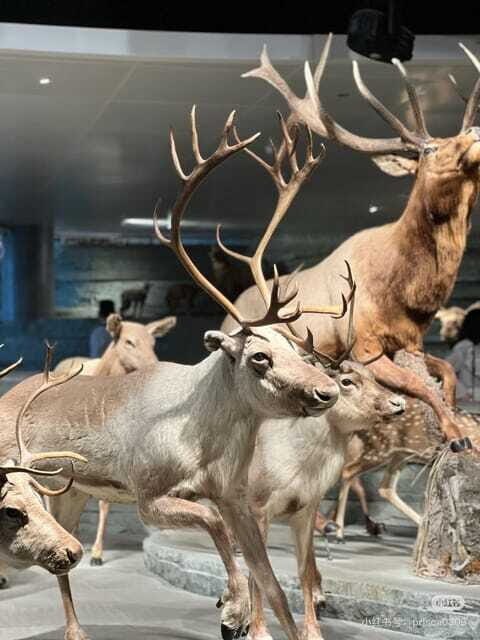
Also, across all these areas, you’ll see more than 11,000 specimens and models from seven continents. That scale helps keep things from feeling repetitive. Even when a theme repeats (life, adaptation, ecology), the materials vary in type and origin.
Theater shows plus the live breeding area: the museum’s energy boost
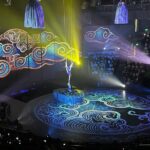
This is where the museum becomes less “quiet reading” and more “science happening in real time.”
First, there are 5 immersive theaters. I’d treat these as your scheduled breaks. Plan to catch at least two shows so you keep momentum and don’t burn out on galleries. The theaters also help if you’re not in a mood to read labels for hours. You get the key ideas with visuals and a guided flow.
Second, there’s a 300-square-meter live breeding area. This is one of the most valuable parts of the experience because it shifts your attention from models and specimens to living processes. Live breeding also fits the museum’s theme of harmony between nature and humanity, since it’s about life cycles and how ecosystems operate, not just how animals look in cases.
A small caution: you should expect that live areas run on their own timing and rules. The museum is strict—no smoking, and no food or drinks are allowed. That means you’ll want to plan water and snacks outside the museum rules, then return with a clear head.
Education programs: how to make the most of the Exploration Center
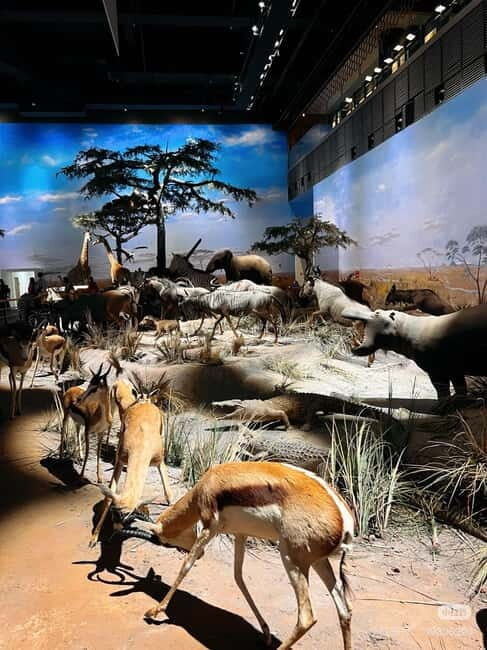
Besides the exhibition rooms, the museum includes a 1,200-square-meter Exploration Center, plus education-focused activities such as Nature Exploration Camp and Drawing Nature.
Even if you’re not traveling with kids, these programs can be a smart move for adults too. Hands-on activities tend to turn “I learned a fact” into “I understand how that works.” And because the museum’s core theme is science plus human connection, doing one active task can make the whole day feel more personal.
If you like structured learning, try to slot an education activity after you’ve already seen a few exhibition areas. You’ll walk into the activity with context instead of starting from zero. If you prefer freedom, you can reverse that: pick up an activity early as a warm-up, then use the galleries to answer your own questions.
Either way, the Exploration Center gives you another way to experience the museum beyond the standard walk-through.
Other guided tours in Shanghai



The optional English guide: when it’s worth paying attention
The activity is set up as a small group limited to 5 participants, with an English live tour guide available (the overall offering is described as guide optional). Here’s how that helps you in a museum this size.
A guide is most useful when you:
- want help mapping time across 10 areas and 5 theaters
- want the museum’s theme story explained in plain language
- prefer fewer pauses translating labels on your own
If you’re confident reading signs and don’t mind wandering, you can keep it self-directed. The ticket is built for independent exploration, and the museum’s layout supports wandering well.
If you do choose the guide, I’d use it like a shortcut, not a replacement. Let the guide point out the most meaningful exhibit connections, then you spend your remaining time in the sections that match your interests.
Plan your day: timing, what to bring, and museum rules
This is a 1-day visit, and you’ll choose a date when booking. The ticket is described as valid for one day, with you checking availability for starting times.
Here’s a practical way to plan your time without guessing too much:
- Start with a theme chapter you’re most curious about (origins, evolution, ecology, or future).
- Catch one theater show mid-morning or early afternoon to reset your attention.
- Leave time for the live breeding area, since it’s a special-format experience.
- Finish with the education activity or the Exploration Center so your day ends hands-on instead of purely observational.
What to bring:
- Passport or ID card (names matter and must match how you register)
What not to do:
- No smoking
- No food or drinks
What to prepare before you go:
- After purchasing, you’ll need to send your expected visit date, full name matching your passport exactly (including capitalization), and your passport number to the provider by email.
One more useful note for self-schedulers: if you have a real-name registered mobile phone number from mainland China, the data says you can also purchase tickets through the WeChat mini program. That’s helpful if you want more ticket-control later.
Who this ticket suits best (and who might skip it)
This experience is a strong fit if you:
- want a full-day museum that covers nature, ecology, and the human-nature relationship
- like big collections, and you’re excited by the idea of 11,000+ specimens and models
- want a day with both galleries and show-style learning (theater programs plus live breeding)
- value a small group setting if you choose the English guide
You might consider a different option if:
- you’re hoping for a quick 60–90 minute stop, because the museum’s scale and number of themed areas rewards time
- you don’t want to handle any pre-visit admin (passport-name matching and email details)
Booking reality check: is $13 worth it for you?
Based on the access you get—admission, exhibition areas, theater shows, live breeding, and an exploration space—$13 is good value if you’ll actually use most of the museum. The price is especially fair compared to “pay-per-attraction” museum setups where theaters and special areas cost extra.
Also, the experience has a 4.8 rating from 8 bookings. Two example comments were straightforward: one booking marked it as great, another said it was good. Not detailed, but consistent with a visitor-friendly setup.
If you’re deciding today, ask yourself one question: do you want a Shanghai day where learning and curiosity stay front and center? If yes, book it. If you’re more in “one photo stop and done” mode, you’ll feel more satisfied with a shorter attraction.
FAQ
FAQ
What’s included in the ticket price?
The package includes the admission ticket to the Shanghai Natural History Museum and an information service fee.
How long is the experience?
It’s valid for 1 day, and you’ll check availability to see starting times.
Is there an English guide?
An English live tour guide is available as part of the offering, described as optional, and the group size is limited to 5 participants.
Where is the museum located?
It’s at 510 West Beijing Road, Jing’an District, Shanghai, within Jing’an Sculpture Park.
What should I bring with me?
Bring your passport or ID card.
What food rules should I know?
Food and drinks are not allowed in the museum.
What info do I need to send after booking?
You’ll need to email the provider your visit date, your full name exactly matching your passport (including capitalization), and your passport number.
Should you book this Shanghai Natural History Museum ticket?
Yes, if you want a one-day museum that mixes galleries, theater shows, and a live breeding area, all tied to a clear theme about nature and humanity. The small group and optional English guide are useful if you want help navigating the museum’s scale.
If you’d rather do short stops with minimal planning, this may feel like more museum than you need. But if your ideal Shanghai day includes science learning without rushing, this ticket is a solid choice.