REVIEW · SHANGHAI
Shanghai: Private Tour of the Shanghai Museum
Book on GetYourGuide →Operated by Shanghai Guided Tours · Bookable on GetYourGuide
Shanghai Museum can feel like a maze. This private 3-hour tour helps you see the Bronze, Ceramics, and Jade galleries in a clean, story-first way. I love the way the guide connects objects to daily life and power in ancient China, and I also love that you get museum entry plus a live local guide for one set price. One thing to plan for: cameras aren’t allowed, and there’s no hotel pickup, so you’ll need to get yourself to the East Wing entrance.
The pace is also built for real learning, not just looking. You’ll start with an overview, then move gallery-by-gallery with explanations you can use right away while you’re standing in front of the artifacts. A possible drawback is that special exhibitions are not included, so if a ticketed show is your main goal, you may need to add it separately.
If you want context and momentum—fast orientation, clear focus, and smart questions answered—this tour is a practical way to handle Shanghai Museum.
In This Review
- Key highlights to look for
- Shanghai Museum East Wing: the fastest way to get oriented
- Bronze Gallery: Shang and Zhou ritual power, explained in plain language
- Ceramics Gallery: how Ming and Qing porcelain became a visual language
- Jade Gallery: symbolism you can actually spot in person
- Other galleries: guided choices that match what you care about
- How the guides keep you moving (and keep it understandable)
- Timing, camera rules, and what to bring for a smooth visit
- Price and value: what you’re really paying for
- Who this tour suits best (and who should skip it)
- Should you book the Shanghai Museum private tour?
- FAQ
- How long is the Shanghai Museum private tour?
- Where do we meet the guide?
- What is included in the price?
- Are cameras allowed?
- What language options are available?
- Do I need to bring an ID?
- Is wheelchair access available?
Key highlights to look for
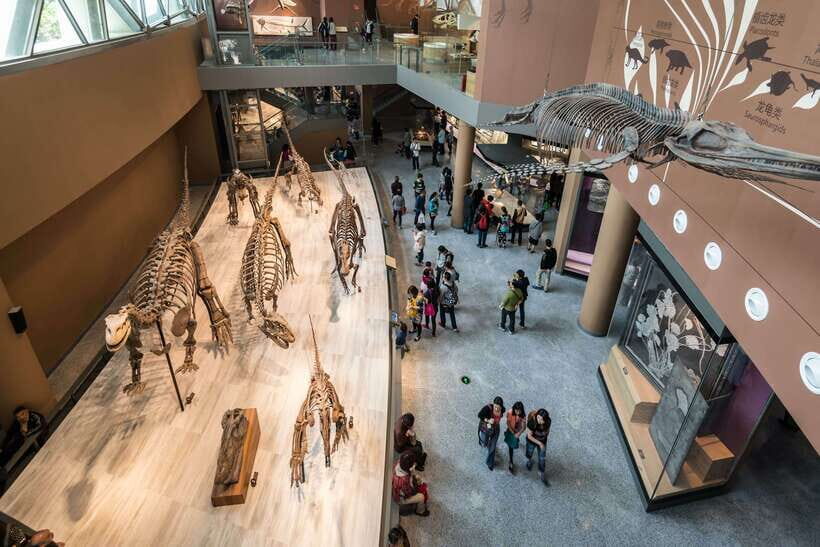
- East Wing entrance meeting with a sign bearing your name
- Bronze Gallery coverage of Shang and Zhou ritual vessels and weapons
- Ming and Qing Ceramics focus, including blue-and-white porcelain
- Jade Gallery explanations of symbolism and carving techniques
- Live guide in English or Chinese to match your comfort level
- Wrap-up Q&A so you can ask what you still don’t get
Shanghai Museum East Wing: the fastest way to get oriented
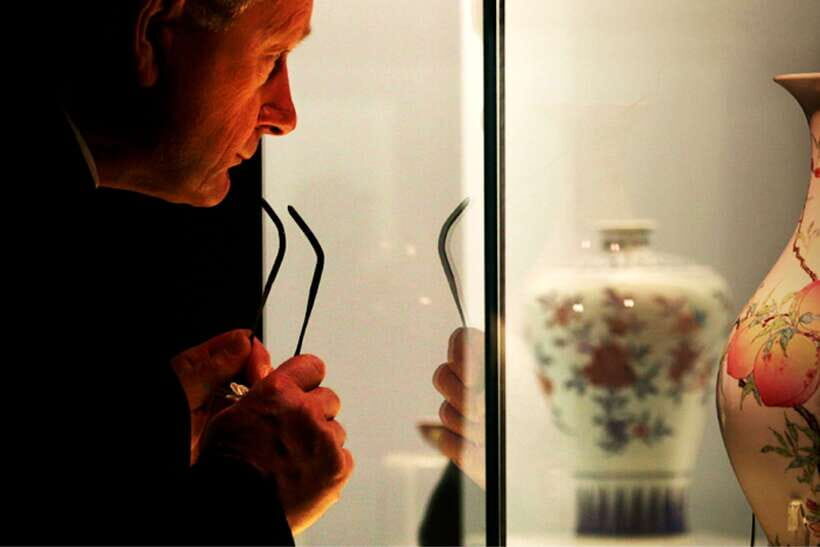
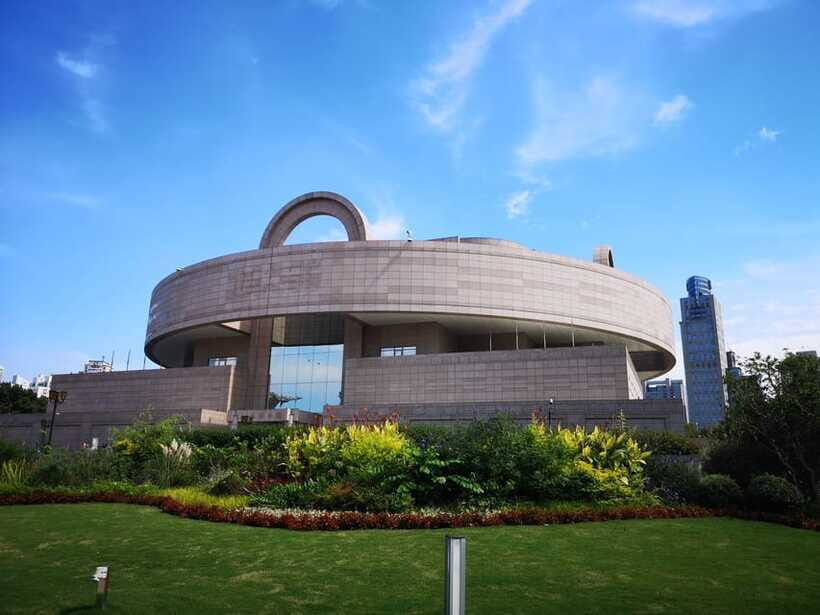
Shanghai Museum is one of those places where “just walking around” can turn into wandering. This private format starts at the East Wing entrance, so you get bearings fast and avoid the awkward first 30 minutes of figuring out which hall to enter. Your guide meets you at the door with a name sign, which is a small detail, but it makes a real difference if you’re arriving in busy museum time.
The tour runs for 3 hours, which is long enough to slow down in the key galleries but short enough that you don’t end up museum-fatigued. You’ll begin with a quick introduction to the museum and the collections you’ll see, so the exhibits have a structure in your head before you even move.
One more practical point: you’ll need passport or an ID card for entry. Also, there’s a firm rule that cameras are not allowed, so plan to enjoy with your eyes and rely on what the guide explains instead of trying to build a photo album.
Other private city tours we've reviewed in Shanghai


Bronze Gallery: Shang and Zhou ritual power, explained in plain language
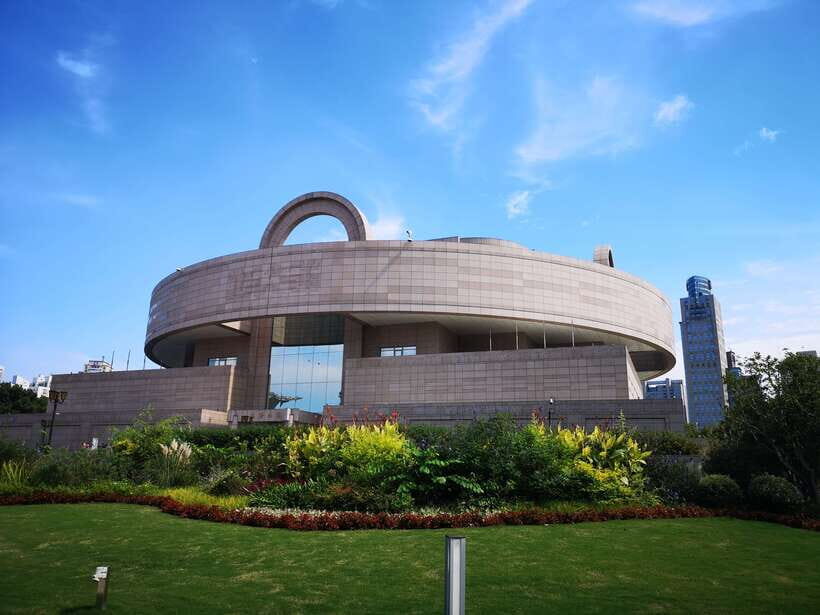
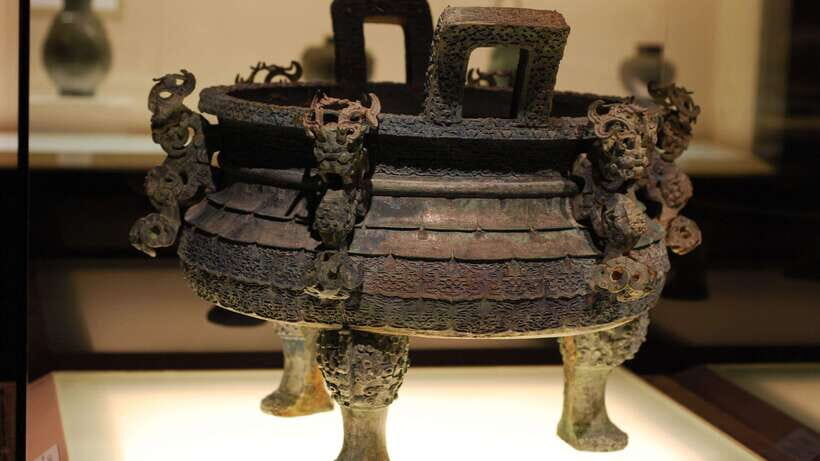
The Bronze Gallery is where the tour earns its keep. Bronze in ancient China wasn’t just metalwork—it was tied to ceremonies, authority, and status. Your guide will walk you through key pieces from the Shang (1600–1046 BC) and Zhou (1046–256 BC) periods, with an emphasis on why these objects mattered to people back then.
Look for how the guide frames bronze as a social system. Ritual vessels and weapons aren’t presented as isolated art; they’re described as tools used in social order—who had access, what ceremonies required, and how craftsmanship reflected power. That’s a big shift from the way many museums treat artifacts: instead of “Here’s what it looks like,” you get “Here’s why it existed.”
You’ll also hear about the advanced bronze casting techniques that made these shapes possible. Even if your eyes are the only thing doing the work, you’ll learn how craftsmen built objects that had to endure use and display. It’s a gallery where a good guide turns metal into meaning.
Ceramics Gallery: how Ming and Qing porcelain became a visual language
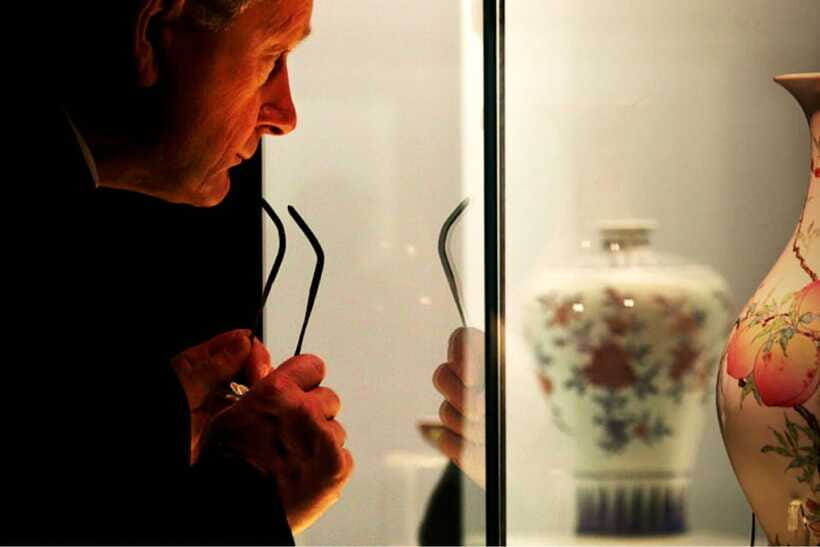
After bronze comes ceramics, and the tone changes in a good way. Here you’ll move into the Ceramics Gallery, with special attention to porcelain from the Ming and Qing dynasties. The tour doesn’t just point out beauty; it explains how ceramic art evolved and why certain styles took hold.
A highlight is the discussion around blue-and-white porcelain. You’ll get the story behind those intricate designs and why they became so famous. What you should aim for during this part is to notice how pattern, technique, and decoration work together, instead of treating the surface like “pretty wallpaper.”
This is also where the tour format helps you. Without a guide, porcelain viewing can become a blur of repeating colors and motifs. With a guide, you learn what to compare: which features reflect a time period, what influences show up in design, and how the craftsmanship signals different traditions.
If you like art history but don’t want academic lectures, this ceramics section is a strong middle ground. You’ll leave with names and context you can remember, not just images you forget.
Jade Gallery: symbolism you can actually spot in person
Next is the Jade Gallery, where thousands of years of cultural meaning sit inside carved shapes. Jade in Chinese tradition isn’t treated as a trend—it’s described as a substance with values attached, often linked to purity and moral integrity. Your guide will explain that role and how jade was used in things like burial items and ornaments.
This part works well because jade is “readable” if you know what to look for. The guide will highlight different carving techniques, and you’ll start noticing differences in surface finish and shape that you might miss on your own. Jade often feels small at first glance, but up close it shows precision.
The symbolism lesson is practical. When you understand why jade was respected—why it represented certain virtues—you stop asking only “is it beautiful?” and start asking “what did it mean for the people who made it and used it?”
Other galleries: guided choices that match what you care about
Not every minute goes to the big three galleries, but that’s a feature, not a flaw. The guide will introduce you to other galleries available on the day, depending on what’s open during your visit. This matters because Shanghai Museum’s schedule and special rooms can shift, and a private guide can steer you toward what’s most relevant while you’re already there.
The best way to use this flexibility is simple: decide what kind of museum day you want. If you’re art-first, spend extra attention on craft and material. If you’re history-first, ask the guide to connect objects to social life and political order. The guide’s goal is to help you connect what you see across rooms instead of treating each gallery like a separate planet.
You also get a wrap-up and Q&A at the end. That’s useful because your best questions usually show up after you’ve walked and absorbed. It’s the moment to ask what you didn’t understand, what’s worth seeing next in the museum, and what special exhibitions are available on your visit.
Other private tours in Shanghai



How the guides keep you moving (and keep it understandable)
Guides are the engine of this tour. The strongest feedback centers on guides who explain clearly, answer questions patiently, and keep the pace comfortable.
Names that show up in past experiences include Vicky and Linda Chen. The recurring theme is that these guides give more than descriptions. They share background stories, add context that makes the objects feel connected, and adjust based on what you want to spend time on.
A useful detail: one guide communicated the exact meeting spot in advance using WhatsApp, which reduces stress when you’re arriving at a large museum. That kind of coordination is exactly what you want from a private tour—small, helpful steps that remove friction.
You can also choose between English and Chinese for the live guide. If your Chinese is limited, English support is a major value add, especially in a museum where labels alone won’t give you the why behind the objects.
Timing, camera rules, and what to bring for a smooth visit
This tour is 3 hours, so build your day around it instead of trying to cram it between other plans. You’ll be moving through multiple galleries, and the guide’s explanations work best when you’re not sprinting.
Plan around two clear rules:
- No cameras inside (so you’ll rely on what you see and what the guide tells you)
- Bring passport or ID card for entry
If you’re hoping to photograph, you’ll need to adjust your expectations. But the trade-off is that you’ll likely slow down more, because you’re not constantly framing shots. For many people, that’s a better way to experience artifacts anyway.
If you’re sensitive to crowd energy, a private format can still feel busy because the museum is public. Still, having a guide helps you manage your time in the galleries that matter most to you.
Price and value: what you’re really paying for
At $60 per person, you’re paying for two things: museum entry and a live guide for the set 3-hour route. Drinks are not included, and special exhibition entry is also not included, so keep that in mind if you plan to add a ticketed show.
Is it worth it? For most people, the value comes down to how you like to learn. If you enjoy reading labels but also want historical context tied to objects, a guide can save you time and help you avoid “random museum math.” If you only want to browse quietly, you might feel the guide costs too much for what you want.
Here’s the practical way to think about it: paying for a private guide is like buying clarity. Instead of spending your energy figuring out what’s important, you spend your energy on understanding what you’re seeing.
Who this tour suits best (and who should skip it)
This experience is a great match if:
- You want clear explanations rather than just walking through rooms
- You care about how materials reflect culture, rituals, and society
- You want a guided plan that hits the museum’s core sections in 3 hours
- You prefer English or Chinese narration by a live guide
You might not love it if:
- You specifically want to take photos inside (cameras are not allowed)
- Your priority is a special exhibition that requires separate entry
- You don’t want a structured route and prefer total freedom
One more practical fit check: since there’s no hotel pickup, you should feel comfortable reaching the museum entrance on your own. The meeting point is clear—the East Wing entrance—so this is only a problem if you dislike independent logistics.
Should you book the Shanghai Museum private tour?
I’d book it if you want a museum day that feels organized and meaningful. The tour’s strength is that it tackles the big storytelling galleries—bronze, ceramics, and jade—in a way that turns artifacts into history you can hold onto.
I’d skip or rethink it if your main goal is photography or special exhibitions only. In that case, you may get more from visiting on your own and then paying for whatever separate show matters most to you.
FAQ
How long is the Shanghai Museum private tour?
The tour lasts 3 hours.
Where do we meet the guide?
You meet at the Entrance of Shanghai Museum East Wing. The guide will hold a sign with your name.
What is included in the price?
Included are the guide and entry to the Shanghai Museum.
Are cameras allowed?
No. Cameras are not allowed during the tour.
What language options are available?
The live tour guide is available in English and Chinese.
Do I need to bring an ID?
Yes. Bring passport or an ID card.
Is wheelchair access available?
Yes. The tour is wheelchair accessible.