REVIEW · SHANGHAI
Shanghai Propaganda and History Walking Tour
Book on Viator →Operated by Amazing Shanghai Trip · Bookable on Viator
Politics on foot can be surprisingly human. This 3-hour Shanghai walk connects original propaganda posters with the real lives of people caught in China’s early communist era, all with a guide who explains what you’re seeing. You’ll cover two major stops plus a neighborhood stroll in the former French Concession area, and the pacing is friendly.
What I like most is the way the tour turns posters into stories you can actually follow, and then balances that with a visit to Soong Ching-ling’s former residence and a simple local wonton meal. One note: the subject matter is political and can feel intense if you prefer light sightseeing only, and you do walk about 1.2 km on top of the museum time—so plan on comfortable shoes.
In This Review
- Key highlights worth your attention
- How this tour tells Shanghai’s political story
- Step 1: Shanghai Propaganda Poster Art Centre
- What makes this museum work on a walking tour
- The founder detail that adds context
- Step 2: Soong Ching-ling’s memorial residence
- A practical benefit: it breaks up the “lecture feel”
- The included wonton stop and why it’s smart
- Wukang Road: the French Concession streetside walk
- A heads-up on walking comfort
- Price and what you’re really paying for ($73.60)
- Timing, meeting points, and how the route ends
- Who should take this tour (and who might not)
- Should you book this Shanghai Propaganda and History walking tour?
- FAQ
- FAQ
- How long is the Shanghai Propaganda and History Walking Tour?
- Where does the tour start?
- Where does the tour end?
- What attractions are included?
- Is the tour ticket mobile?
- Are entrance fees included?
- Is food included?
- How much walking is involved?
- How big is the group?
- Is this tour suitable for children?
Key highlights worth your attention
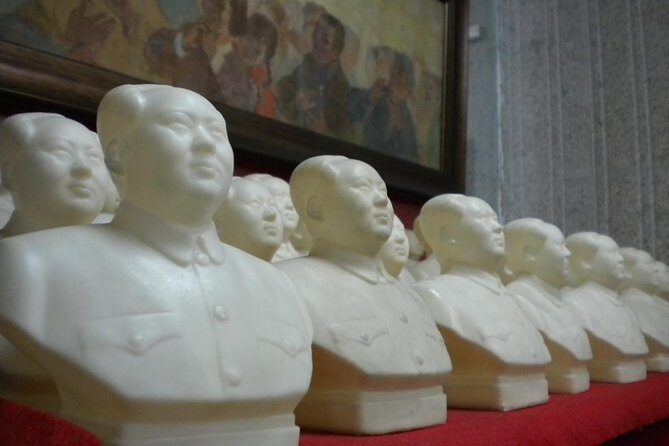
- 6,000+ original posters (1940s–1990s) help you see how messaging changed over decades
- A guided explanation of propaganda meaning makes the museum more than just photos on walls
- Soong Ching-ling’s life story in her former residence connects national events to personal achievement
- Wonton soup is included, so you’re not hunting food mid-walk
- A preserved French Concession street walk (about 1 mile / 1.2 km) gives you real Shanghai texture
How this tour tells Shanghai’s political story
This tour is built around a simple idea: to understand modern China, you have to see how people were taught to think, and how daily life looked on the ground. In Shanghai, that means swapping a typical museum visit for a guided walking route that moves through two very different spaces: a propaganda poster collection and a prominent historical residence.
The best part is that you’re not just reading dates. A good guide helps you connect what you see—slogans, visual styles, shifting themes—to the broader political mood of the time. One review singled out a guide named Alana for clear explanations of the posters and the stories running through the route, and that’s exactly the difference between looking at propaganda and understanding it.
Other walking tours we've reviewed in Shanghai

Step 1: Shanghai Propaganda Poster Art Centre
Your first stop is the Shanghai Propaganda Poster Art Centre, located in the former French Concession area and reached from the Jiangsu Road Metro Station meeting point. This museum is centered on a huge collection—over 6,000 original propaganda posters—covering the 1940s through the 1990s.
A collection like that can feel overwhelming if you just wander. The value of this tour is the guided framing: you’ll hear stories behind the images, including the political movements tied to the New China era and the messaging associated with Mao’s time. Even if you already know the basic outline of Chinese political history, seeing the visual language change across decades is often the eye-opener.
What makes this museum work on a walking tour
Because this is paired with other stops, it doesn’t become a one-note museum. The museum time (about 1 hour) is followed by a more personal historical visit, which helps you rebalance the perspective. Posters can show official narratives, while a residence can show human ambition, education, and the personal stakes of national change.
The founder detail that adds context
The poster center is described as a private museum founded by Mr. Yang Pei Ming, who started collecting as a hobby back in 1995. That matters because it explains why the experience feels more like a curated collection than a plain government exhibition. You’re not only seeing the content; you’re also seeing a long-term collector’s commitment to preserving it.
Step 2: Soong Ching-ling’s memorial residence
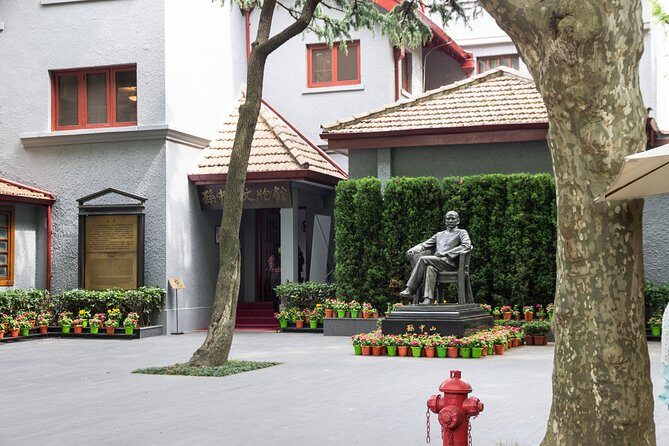
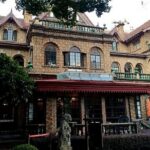
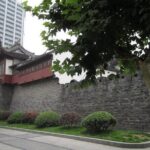
Next up is the Soong Ching-ling Memorial Residence, a former home nearby. You’re visiting the house of a major figure: Soong Ching-ling was the wife of Dr. Sun Yat-sen. Inside, you’ll see displays tied to her life achievements and the broader history of the Republic and the early communist period.
This stop is where the tone shifts. Posters can feel loud and one-directional; a residence is quieter, more personal, and more grounded. The tour’s framing helps you understand how national pressures translated into everyday struggles—especially the hardship side of life—while still pointing to the way people longed for a better future.
Other historical tours in Shanghai
A practical benefit: it breaks up the “lecture feel”
Even if you love history, two hours of museum talk can start to blur. This residence visit helps because it’s a real place, with exhibitions about a real person, not just a wall of images. It’s also a good time to slow down, rest your feet, and refocus your attention before the walking segment.
The included wonton stop and why it’s smart
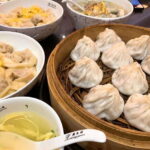
After the memorial residence, your guide takes you to a local shop to enjoy Chinese wonton soup. This is included, and that matters more than it sounds.
In Shanghai, food choices are easy to overthink when you’re moving between sights. A scheduled stop reduces decision fatigue and keeps the tour from turning into a self-guided scramble. It also gives you a small slice of local everyday life—something that matches the tour’s theme of lived experience, not just political messaging.
Keep in mind: the tour includes the wonton soup, but it’s not described as a full dinner. If your day is tight, it’s still wise to plan to eat again afterward.
Wukang Road: the French Concession streetside walk
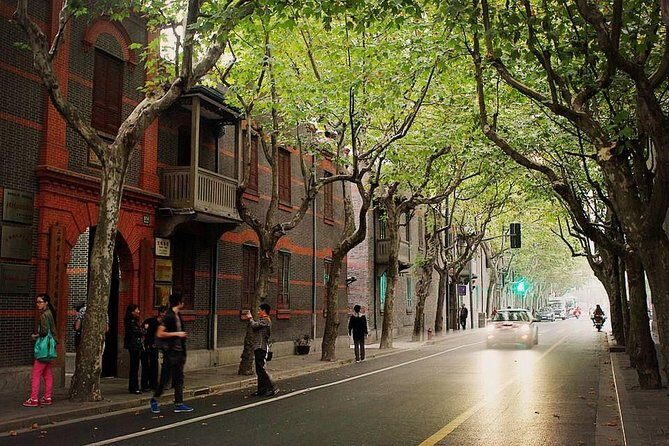
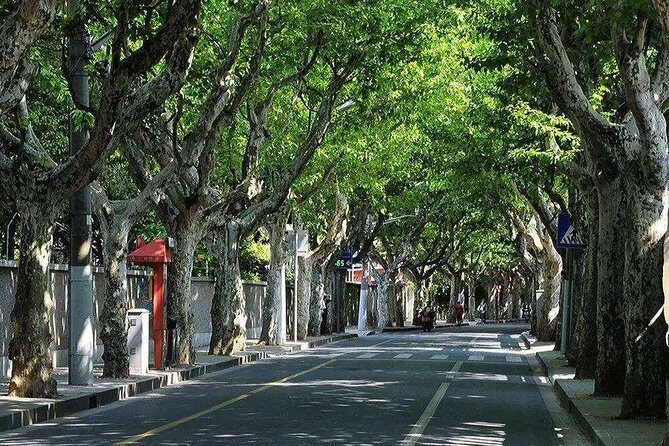
Then comes the street part—about a mile (1.2 kilometers) along Wukang Road. This is within the classical French Concession area, described as one of the best-preserved European-style streets in Shanghai, with historic buildings on both sides.
This segment works well for two reasons:
- It gives your eyes a break. After propaganda visuals and indoor exhibits, the open street walk resets your brain.
- It changes the question you’re asking. Instead of only thinking about what people were told, you start noticing how foreign-influenced urban planning shaped neighborhoods where people lived.
Even if you don’t care about architecture in general, this kind of walk helps you “locate” history in the city. You’re learning Shanghai not from a map, but from what the streets look like when you’re actually standing on them.
A heads-up on walking comfort
The walking segment is fairly short, but it stacks onto museum time. Wear comfortable shoes and expect to be on your feet for the full route. This is the type of tour where foot comfort quietly decides how much you enjoy the storytelling.
Price and what you’re really paying for ($73.60)
The price is $73.60 per person, and the tour lasts about 3 hours. On paper, that might look “mid-range” for Shanghai. In practice, a lot is rolled in.
Here’s what you’re getting value-wise:
- Entrance fees included for the two main attractions
- English tour guide, meaning you’re not left translating the context on your own
- Chinese wonton soup included
- Free snacks included
- Small group size, with a maximum of 15 travelers
You’re paying for interpretation. Self-guided museum wandering can be cheaper, but you’d be missing the guided connections between visual propaganda and the stories behind it. When your subject matter is propaganda—where symbolism and messaging matter—guidance is the difference between viewing and understanding.
Also, the route is built around a convenient starting point near transit: Jiangsu Road Metro Station. That makes it easier to fit into a day without expensive add-on transport.
Timing, meeting points, and how the route ends
The tour starts at 1:00 pm from the Jiangsu Road Metro Station area (Changning District). It ends at the Songqingling Former Residence (North Gate) at 1843 Huai Hai Zhong Lu, Xu Hui Qu.
That end location is helpful because it’s another known landmark. You’re not dropped in the middle of nowhere; you’re guided to a recognizable spot you can build the rest of your afternoon around.
The description also notes mobile tickets, plus instant confirmation, which is useful if your plans shift. If you like being able to show your ticket quickly, this format is a plus.
Who should take this tour (and who might not)
This tour is ideal if you:
- enjoy Chinese political history and want more context than a quick overview
- like museums with a guide who can explain what to pay attention to
- want a Shanghai experience that goes beyond skylines and shopping
- prefer a smaller group setting (max 15 travelers)
It’s probably less ideal if you:
- only want relaxed, light sightseeing
- dislike being confronted with political imagery and messaging
- don’t want any walking beyond a short commute
A good way to think about it: this is a tour about how ideas spread and how people lived with those ideas. If that sounds like your kind of history, you’ll likely enjoy it a lot.
Should you book this Shanghai Propaganda and History walking tour?
I’d book it if you want a structured, guided experience that connects two major historical lenses: visual political messaging and the personal story of Soong Ching-ling. The included entrance fees and wonton soup also make it feel practical, not just educational.
I’d skip it only if you’re specifically avoiding political content or you’re expecting a purely casual city stroll. If you’re okay with the topic being heavy and want a meaningful route through Shanghai’s past, this is a strong choice for a half-day window.
FAQ
FAQ
How long is the Shanghai Propaganda and History Walking Tour?
The tour is approximately 3 hours.
Where does the tour start?
The meeting point is at Jiangsu Road Metro Station in Shanghai, Changning District.
Where does the tour end?
It ends at the Songqingling Former Residence (North Gate), 1843 Huai Hai Zhong Lu, Xu Hui Qu, Shanghai.
What attractions are included?
You’ll visit the Shanghai Propaganda Poster Art Centre and the Soong Ching-ling Memorial Residence, plus a walking segment along Wukang Road in the former French Concession area.
Is the tour ticket mobile?
Yes, the tour uses a mobile ticket.
Are entrance fees included?
Yes, all entrance fees are included.
Is food included?
Yes. You get Chinese wonton soup, and free snacks are included as well.
How much walking is involved?
There is a walking segment of about 1 mile (1.2 kilometers) along Wukang Road.
How big is the group?
The maximum group size is 15 travelers.
Is this tour suitable for children?
Children must be accompanied by an adult.