REVIEW · SHANGHAI
Private Wet Market Visit with Cooking Class in Shanghai
Book on Viator →Operated by China Vacation · Bookable on Viator
Cooking starts at the market. This private half-day turns Shanghai’s food scene into a hands-on experience: you shop like locals at a wet market, then cook a full 3-course meal with a guide who explains what you’re buying and why it matters. One thing to consider: wet markets can feel intense for the senses, so come with an open mind and expect strong smells and close-up sights.
What I really like is the private, hotel-to-hotel flow. You meet your English-speaking guide directly at your hotel, which cuts down on guesswork and helps you focus on the food. Then you’ll cook, not just watch—three traditional dishes that land on your table right after.
I also like that the tour is designed to work for real diets and real questions. If you’re vegetarian or have allergies, you can flag it at booking, and the market stop can include small sampler try-bites when you run into unfamiliar ingredients. In past tours, guides such as Kenny have been specifically praised for their instruction and hospitality.
In This Review
- Key things you’ll notice on this tour
- How the half-day is paced (and why it works)
- Starting at your hotel with a private guide
- Shopping at a Shanghai wet market: what you’re really learning
- From market choices to cooking steps
- Cooking in the chef’s home kitchen: what makes it feel real
- Lunch at the end: turning lessons into a meal you remember
- Price and value: is $238 per person worth it?
- Tips to make this tour easier (and better)
- Who this tour is best for (and who should think twice)
- Should you book this wet market cooking class?
- FAQ
- What time does the tour start?
- How long is the experience?
- Is this a private tour?
- Do you get hotel pickup and drop-off?
- What’s included in the cooking class?
- How many dishes will we cook?
- Is an English-speaking guide provided?
- Can the tour accommodate allergies or dietary requirements?
- When do I need to book?
- What’s the cancellation policy?
Key things you’ll notice on this tour
- Hotel pickup and drop-off means you can start clean and end without logistics stress
- Wet market shopping shows how ingredients are chosen day to day, not just how they look in photos
- Sampler tasting of odd-but-famous items can include things like hundred-year egg and stinky tofu when you want to try
- A true 3-course structure: main dish + seasonal vegetable + dim sum
- Private pacing and instruction so you can ask questions as you cook
- Diet and allergy planning in advance helps the class stay comfortable and safe
How the half-day is paced (and why it works)
This is built as a tight, 4-hour-style morning or late morning experience. You start at 9:00 am, and the rhythm is simple: market first, then the chef’s home kitchen, then you sit down to eat what you made.
That order matters. If you cook without seeing where ingredients come from, you miss half the point. Here, you shop, ask about produce and seafood, and get context for the flavors you’ll build later. By the time you’re cooking, the ingredients don’t feel mysterious—they feel chosen.
The private format also changes the experience. You’re not competing for attention or waiting for a group to catch up. Your guide can slow down when something looks unfamiliar, and speed up when you’re confident—especially helpful when you’re new to Chinese grocery staples.
Other shopping tours in Shanghai


Starting at your hotel with a private guide
The tour is private, and it begins with hotel pickup and ends with hotel drop-off back to the meeting point. That matters in Shanghai, where travel time can quietly eat a half-day if you’re navigating on your own.
You’ll travel with an English-speaking guide who’s there for two jobs: translating the market chaos into usable information, and guiding you through the cooking steps. The tour also explicitly supports questions at the market stage—if there’s something you don’t recognize, you won’t just be handed a worksheet. You can get help picking out a sampler to taste and learn.
One more practical note: you’ll want to be ready to answer diet questions early. The experience asks you to inform them about allergic concerns and vegetarian needs at booking. Doing that up front is the difference between a class that fits you and one that forces last-minute substitutions.
Shopping at a Shanghai wet market: what you’re really learning
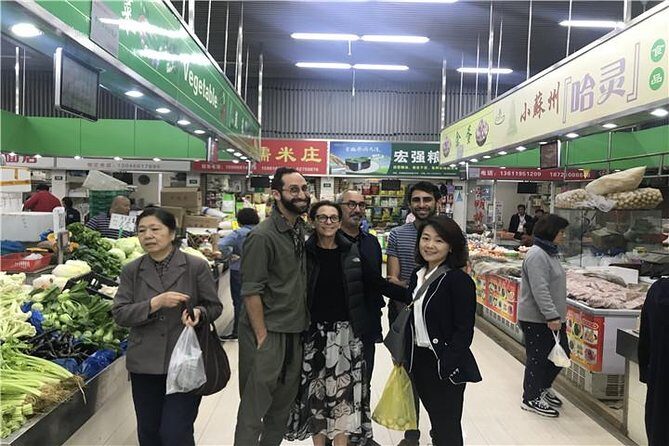
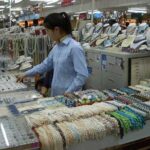
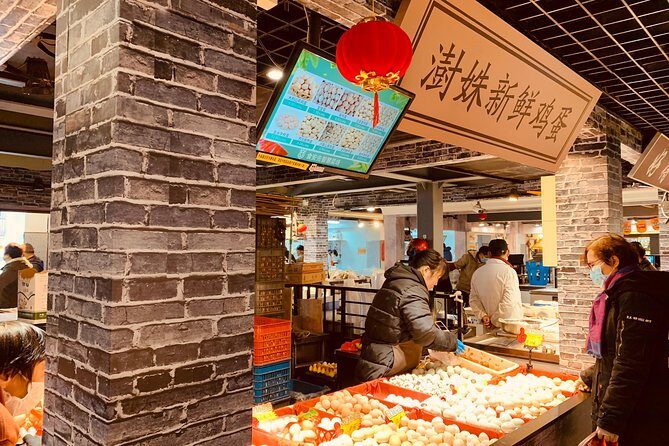
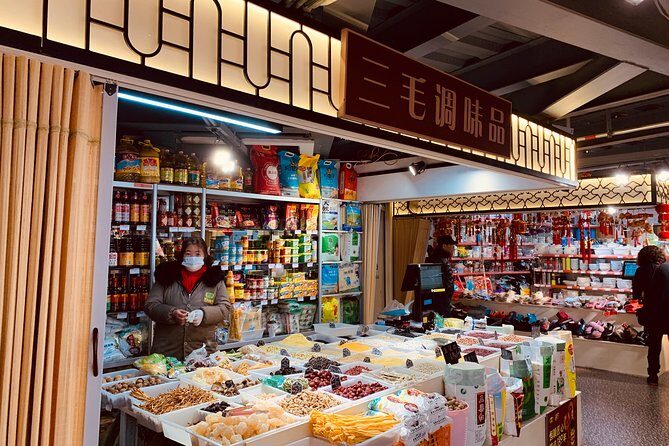
Your first major stop is a Shanghai wet market. This isn’t about taking quick snapshots and moving on. The goal is to help you understand daily food life: how people select items, what looks fresh, and how ingredients link to cooking.
Here’s what to expect when you walk in:
- You’ll see produce, seafood, and other staples being sold in the way that reflects what people cook at home.
- You’ll have guidance around ingredients that might look unusual or unfamiliar.
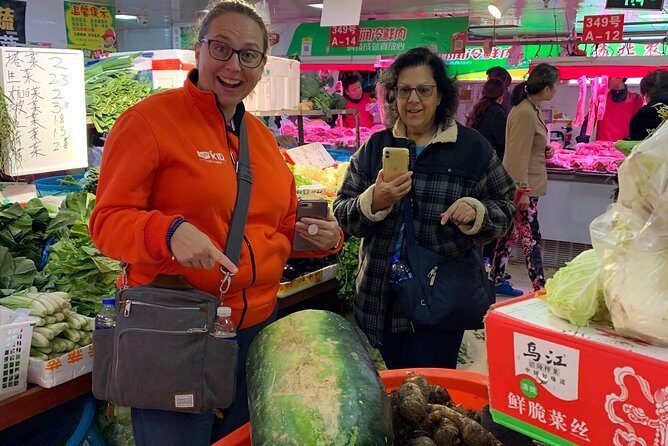
- If you’re curious, your guide can help you buy small samplers to try—things like hundred-year egg, stinky tofu, or fruits you may not recognize.
The sampler idea is a smart part of this tour. Instead of forcing you into a full portion of something you might hate, you can test curiosity in small steps. It’s also a fast way to understand why Chinese cuisine includes flavors that can sound extreme if you only read about them.
A possible drawback: wet markets are close-up and sensory-heavy. Even if you’re comfortable with food culture, the sights and smells can hit hard. If you’re easily put off by seafood or strong odors, go in with expectations and tell your guide early so they can pace you.
From market choices to cooking steps
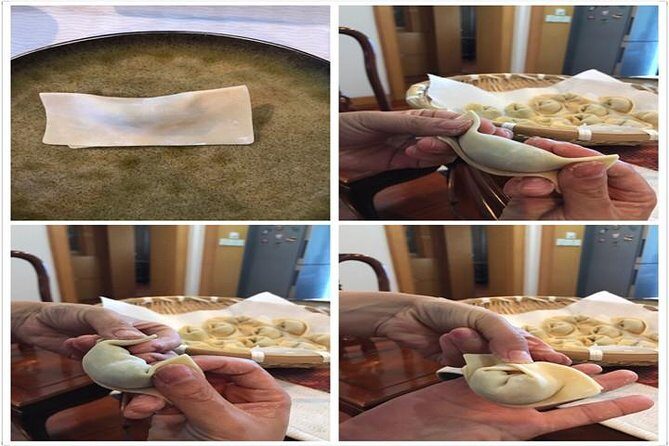
After shopping, you head to the chef’s home. This is where the experience shifts from observing to doing.
The class centers on a traditional 3-course meal with a clear breakdown:
- 1 main course
- 1 seasonal vegetable
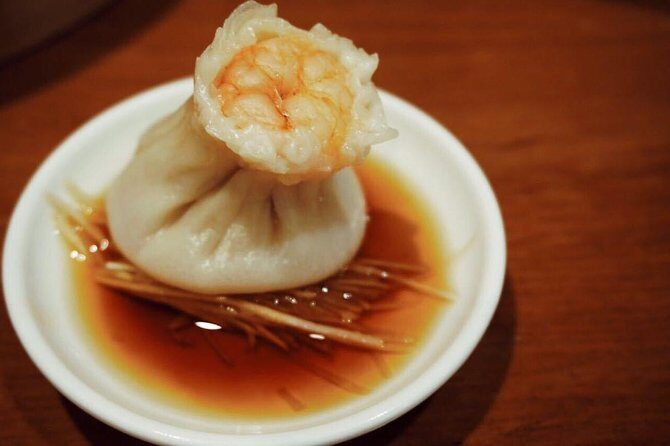
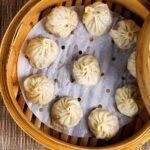
- 1 dim sum
That structure is valuable. Many cooking tours pick one dish and call it a day. Here, you get variety and balance—the kind of meal layout you’d actually see as lunch at home. It also teaches you cooking logic: how sauces, seasonings, and textures work together across different dish types.
What your guide is likely to do (based on how the experience is described) is connect what you bought to how you cook it. For example, ingredients that felt like they were only for the market stop suddenly become “the same thing” in your kitchen tasks. That’s where understanding sticks.
And because it’s private, you can ask questions while you cook. You’re not stuck waiting for a group to finish chopping before you can ask why something is cut a certain way or what a ingredient is supposed to taste like.
Cooking in the chef’s home kitchen: what makes it feel real
Cooking at a chef’s home is different from cooking in a studio classroom. The vibe tends to feel more like you’re joining a household routine, not attending a performance.
In this tour, you’ll learn to cook the three dishes and then eat them. That “cook first, eat immediately” part is more than a nice finish. It helps you taste what your effort created while the technique is still fresh in your mind.
Look for practical takeaways you can use later:
- How the main dish builds flavor (usually through a combination of aromatics, seasoning, and cooking method)
- How the seasonal vegetable keeps the meal from feeling heavy
- How dim sum fits into the meal rhythm, including texture and portion planning
Also, because ingredients can vary by season and what’s available, you’ll likely learn to adapt using what the market provides that day. Even without copying every step later, you’ll come away with a working sense of how Shanghai home cooking thinks.
If you have allergies, say something clearly at booking. The tour asks you to specify allergy concerns in advance, and that’s exactly what you want for any home-kitchen cooking class. If they know your constraints early, they can adjust ingredients before class begins.
Other private tours in Shanghai




Lunch at the end: turning lessons into a meal you remember
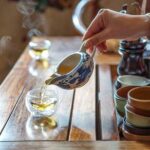
The tour includes lunch, plus bottled water. But don’t treat this as a generic add-on. The meal is part of the teaching loop: you shop, you cook, then you eat.
Sitting down right after your work does two useful things:
- You can taste the final dish right away and connect it to the steps your guide taught.
- You get a relaxed moment to ask follow-up questions—what you liked, what you didn’t, and what ingredient choices mattered most.
This is also one of the best ways to measure value. When you leave, you’re not carrying a bag of ingredients you might never use. You’re walking away with a meal experience and the confidence to order similar dishes with better context when you explore on your own.
Price and value: is $238 per person worth it?
At $238.00 per person for about 4 hours, this isn’t a budget cooking class. It’s priced like a private, high-touch experience with transfers and a full meal.
Here’s what you’re paying for:
- Private guide attention (English speaking)
- Hotel pickup and drop-off
- Market shopping help and cooking instruction
- Cooking materials
- Lunch
- Bottled water
If you’re comparing this to a group tour, the value shift is clear: you’re buying time with a guide and a real kitchen experience, not just access to a market. You’ll also have the chance to ask more questions and adjust the experience around your comfort level—especially helpful when you’re dealing with unfamiliar ingredients.
If you travel solo or as a pair and want a guided food-and-cooking day that doesn’t require planning, the price can feel more reasonable. If you just want to sample a couple bites and watch cooking, a cheaper group option might suit better. But if you want the full “shopping to cooking to eating” arc with a private pace, this is the format that matches that goal.
Tips to make this tour easier (and better)
A few small moves will help you get more out of the day:
- Bring a comfortable layer. Kitchens can be warm, and walking through a market can make you feel the temperature shift.
- Tell your guide about allergies or vegetarian preferences at booking. Don’t wait for day-of.
- If you’re unsure about strong flavors, agree on a sampler approach early so you control how far you go.
- Wear shoes you can stand in. You’ll be moving through the market and then working at a cooking station.
And one caution from a service standpoint: private tours run on coordination. If you’re the type who needs last-minute changes, make sure you can access your tour operator details quickly and keep your phone handy—especially since delays or communication breakdowns can ruin a single-shot day.
Who this tour is best for (and who should think twice)
This tour fits best if you:
- Want a hands-on cooking class and not just a food stroll
- Like markets as learning spaces, not just shopping stops
- Appreciate a meal structure (main + vegetable + dim sum) that feels like real lunch
- Travel as a small group or prefer private pacing
It may not be ideal if you:
- Have a strong dislike of intense food smells or close-up market conditions
- Want zero prep work around allergies or dietary rules (this tour does require planning at booking)
- Prefer more time for sightseeing in the city rather than focused food learning
Should you book this wet market cooking class?
I think you should book it if you want a focused Shanghai morning that connects ingredients to dishes. The private format, hotel pickup, and the fact that you cook three courses and eat them is the sweet spot for value. It’s also a great choice for food travelers who learn best by doing—market first, then kitchen.
I’d pause if sensory intensity from a wet market would stress you out, or if you need a tour to be perfectly flexible with changes on short notice. In that case, choose a different style of class or build in extra time.
If you do book, send your dietary and allergy details early, show up ready to ask questions, and treat the samplers as small experiments. That’s where the tour becomes more than a lesson—it becomes a Shanghai food story you carry home.
FAQ
What time does the tour start?
The start time is 9:00 am.
How long is the experience?
It’s approximately 4 hours.
Is this a private tour?
Yes. It’s private, and only your group participates.
Do you get hotel pickup and drop-off?
Yes. Hotel pickup and drop-off are included.
What’s included in the cooking class?
Cooking material is included, along with lunch and bottled water.
How many dishes will we cook?
You’ll cook a 3-course meal: 1 main course, 1 seasonal vegetable, and 1 dim sum.
Is an English-speaking guide provided?
Yes. The guide is described as English speaking.
Can the tour accommodate allergies or dietary requirements?
You should inform the provider in advance if you’re allergic to specific foods. If you are vegetarian, you should notify them at booking.
When do I need to book?
Booking at least 3 days in advance is recommended. Bookings within 3 days are subject to availability.
What’s the cancellation policy?
Free cancellation is available up to 24 hours in advance for a full refund.