REVIEW · SHANGHAI
Shanghai: 3-Hour Old Shanghai City Tour
Book on GetYourGuide →Operated by Shanghai Guided Tours · Bookable on GetYourGuide
Old Shanghai doesn’t fade. It changes outfits. This 3-hour walk strings together Yuyuan serenity, everyday local street scenes, and the polished nightlife of Xintiandi in the old Shikumen area.
I like how the route doesn’t just point at sights. It shows you the changing face of Shanghai, from local bazaars and tiny family-owned shops to the cosmopolitan buzz of bars, pubs, and chic restaurants. I also like the human touch: English-speaking guides such as Tom, Mary, Roy, and Julie are repeatedly praised for clear background, smart stories, and practical tips.
One heads-up: it’s a walking tour and it’s not suitable for people with mobility impairments. Wear comfortable shoes, and expect uneven street moments and time on your feet.
In This Review
- Quick hits before you go
- Where the tour starts: Yu Garden Hotel to old-town energy
- Yuyuan Garden: private-garden calm in the middle of Shanghai
- The old-town bazaar: shops, chatter, and card-game corners
- How the guide changes the walk: stories, context, and small language wins
- Xintiandi and the former Shikumen: where old bricks meet modern nights
- Tea tasting: the included break that makes the tour feel real
- Price and value: is $75 fair for 3 hours?
- Logistics that actually matter (and what to plan for)
- Who should book this tour, and who should skip it
- Should you book the Shanghai Old City Tour?
- FAQ
- How long is the Shanghai 3-Hour Old Shanghai City Tour?
- Where is the meeting point?
- Is hotel pickup and drop-off included?
- Are entrance tickets to Yu Garden included?
- What’s included in the tour price?
- What language will the guide speak?
- Is the tour suitable for mobility impairments?
- What should I bring?
- Can I cancel for a full refund?
Quick hits before you go
- Yuyuan Garden: classic private garden views before the city noise ramps up
- Tea tasting included: a small but memorable cultural pause
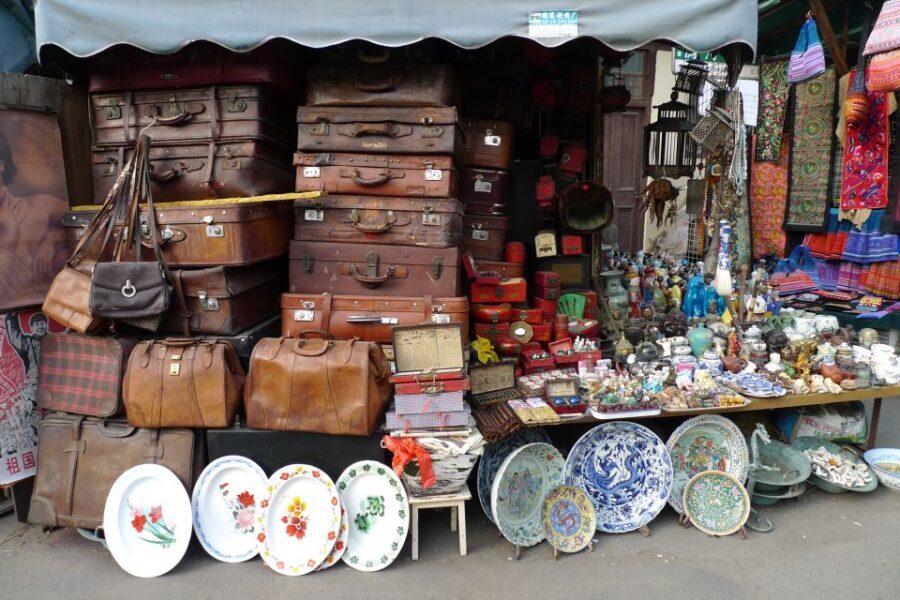
- Old town bazaar streets: local daily life, including elderly card players on corners
- Xintiandi: former Shikumen now refined into an international-style entertainment district
- Street-level context: guides link what you see to how Shanghai has transformed over time
Where the tour starts: Yu Garden Hotel to old-town energy
You meet at Renaissance Shanghai Yu Garden Hotel, 159 South HeNan Road. That location is convenient because it puts you right at the edge of the old-town zone, so you don’t waste your first minutes figuring out where to begin.
From there, the tour’s pace makes sense for a short visit. You’ll start in calm garden space, then gradually shift into busier streets, and finally end in Xintiandi’s nightlife district. It’s a smart way to “read” the city: quiet first, then lived-in streets, then modern polish.
Bring comfortable shoes. Even if the tour is only a few hours, the streets around the old districts can mean lots of stepping around and turning corners.
Other Yu Garden and Old City tours we've reviewed in Shanghai


Yuyuan Garden: private-garden calm in the middle of Shanghai
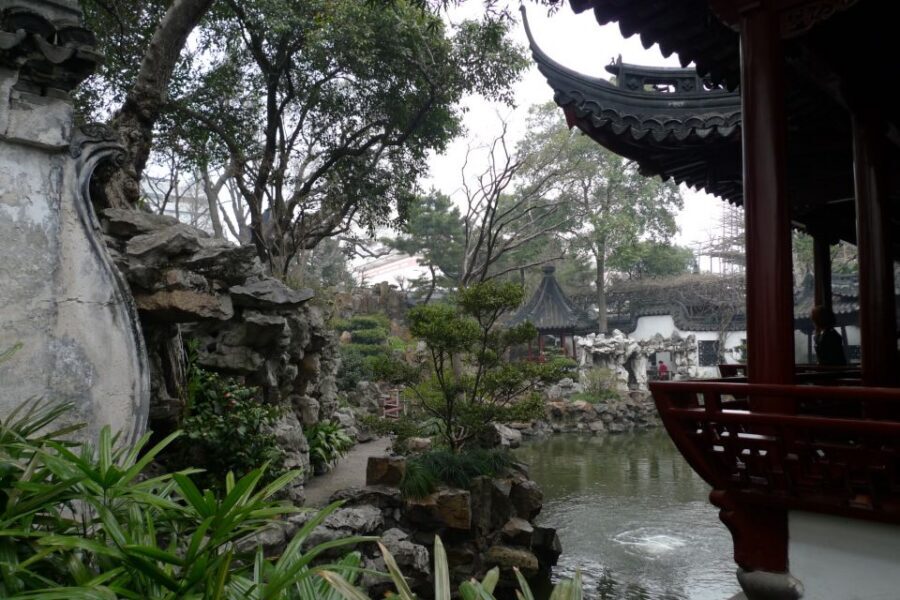
The tour begins with a visit to Yuyuan Garden, one of China’s finest private gardens. The big draw here isn’t just pretty scenery. It’s the feeling of stepping into a carefully designed space—paths, views, and landscape elements meant to slow you down while you’re still in the city.
This is also a good “orientation stop.” When you’re in the garden first, Shanghai’s later contrasts make more sense. After Yuyuan, the old town bazaar feels more human, and Xintiandi feels less like a random nightlife choice and more like the next chapter of the same area.
One practical thing: Yu Garden entrance tickets are not included in the tour price. If you want to avoid surprises, plan to pay the gate ticket separately.
The old-town bazaar: shops, chatter, and card-game corners
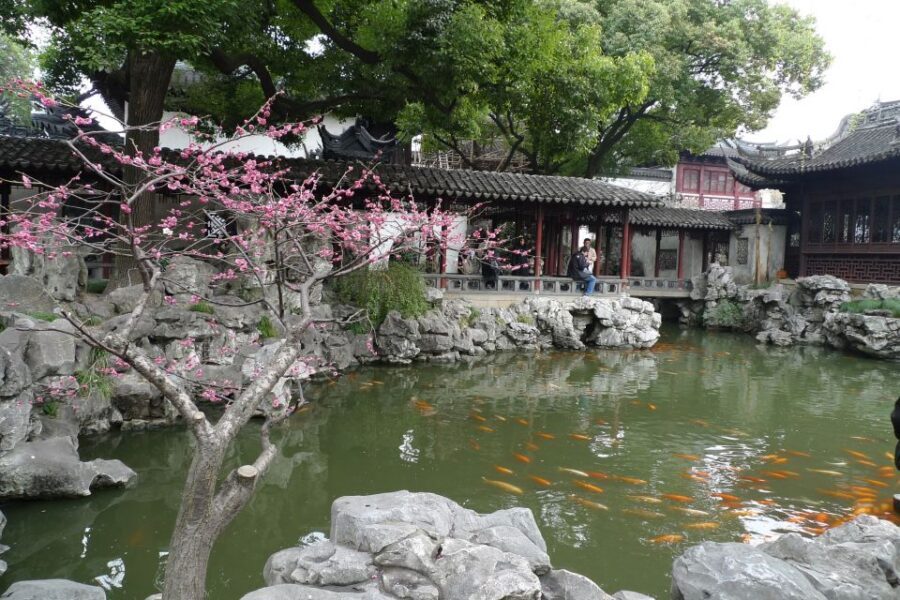
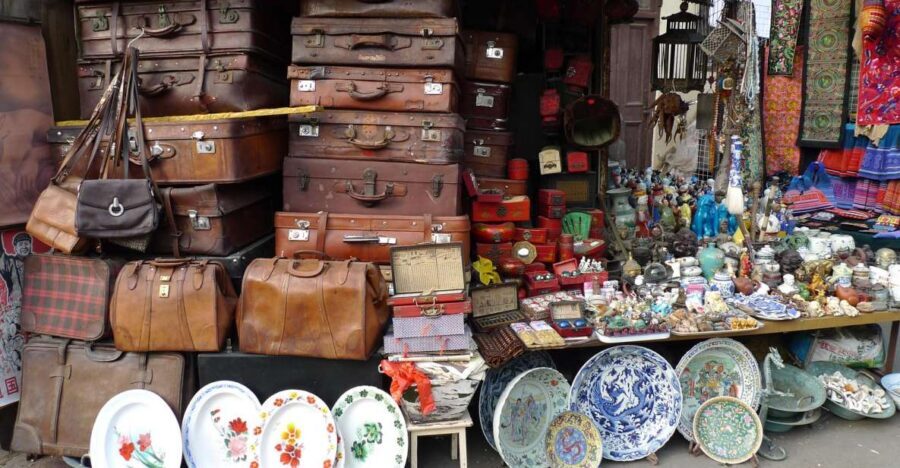
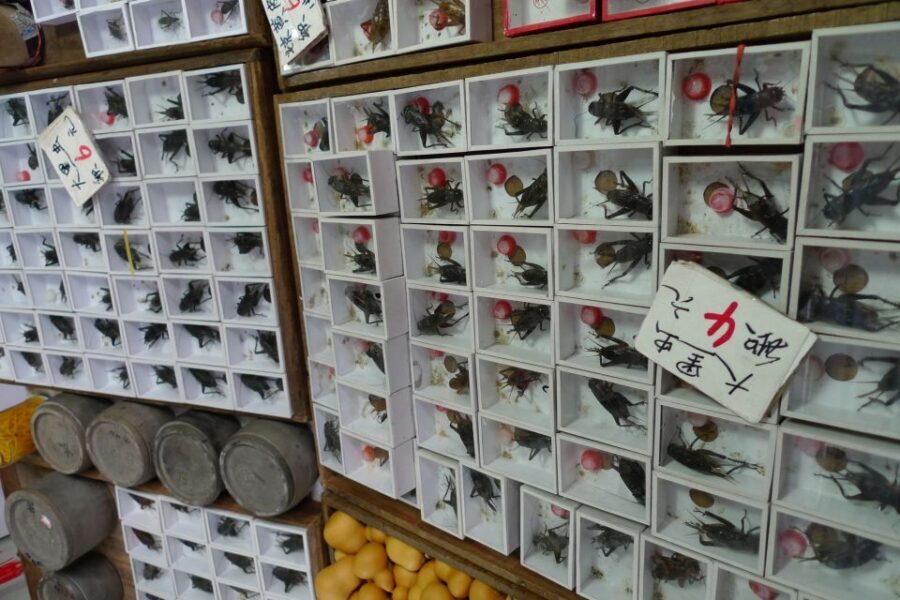
After the garden, the route drops into the old town bazaar and lively street areas. This is where you stop seeing Shanghai as a list of landmarks and start seeing it as daily life—tiny family-run shops, neighborhood rhythms, and people who’ve been there long enough to treat the street like a living room.
A standout moment is watching elderly residents play cards on street corners. It’s the kind of detail that’s easy to miss if you’re just speed-walking for photos. With a guide, you’re more likely to notice what’s happening around you and why it matters.
You’ll also get a sense of how commerce works at street level here. The stores are smaller, more personal, and more “local” than what you’ll find in the high-end areas later in the day. For you, that contrast is the point: you get the city’s texture before it becomes themed.
How the guide changes the walk: stories, context, and small language wins
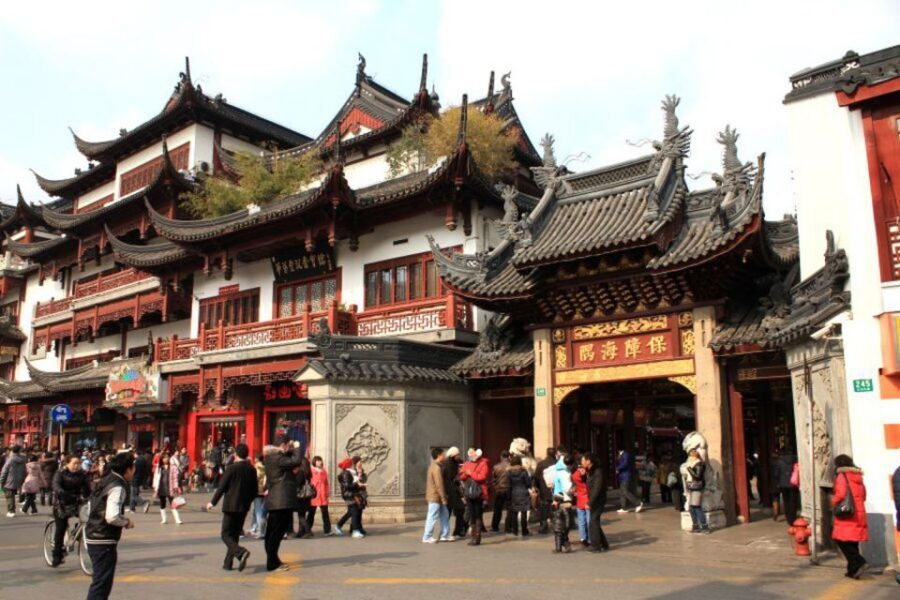
The tour includes an English-speaking local guide, and this is where the experience usually goes from good to memorable. In the feedback you’ll see recurring themes: guides take their time, answer questions, and connect scenes to culture and Shanghai’s transformation.
You may notice a few guide styles, depending on who you get:
- Some guides, like Tom, are praised for answering lots of questions and adding restaurant tips.
- Others, like Mary, focus on story and background behind what you’re seeing in the ancient quarter.
- Some guides even work in simple Chinese language help, which can make the streets feel friendlier fast.
That matters because Shanghai can be visually confusing. Old lanes, colonial-era traces, modern construction, and polished retail all share the frame. A good guide helps you sort what you’re looking at—and helps you ask better questions as you go.
Also, this is one of the rare tours where the “why” is part of the walking. You don’t just collect photos; you collect meaning.
Xintiandi and the former Shikumen: where old bricks meet modern nights
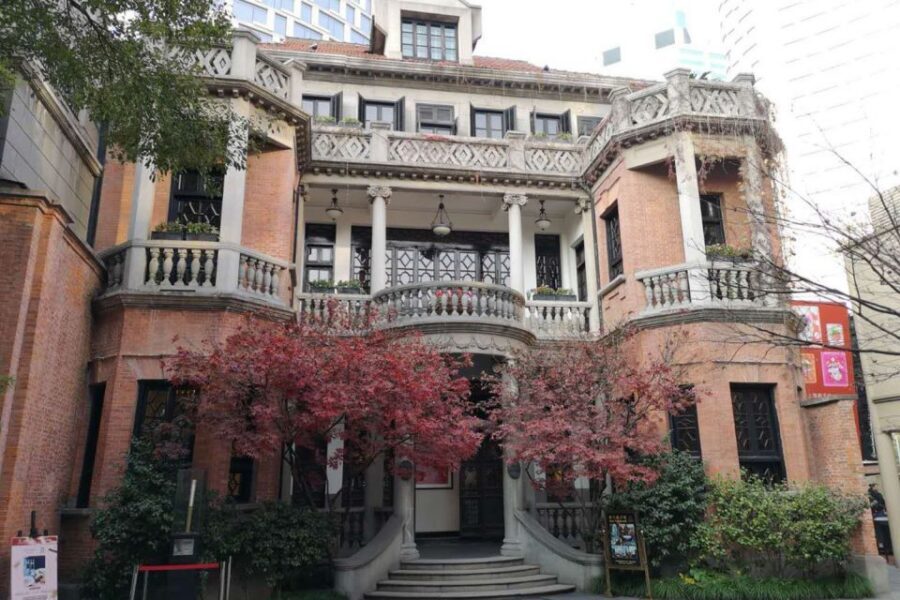
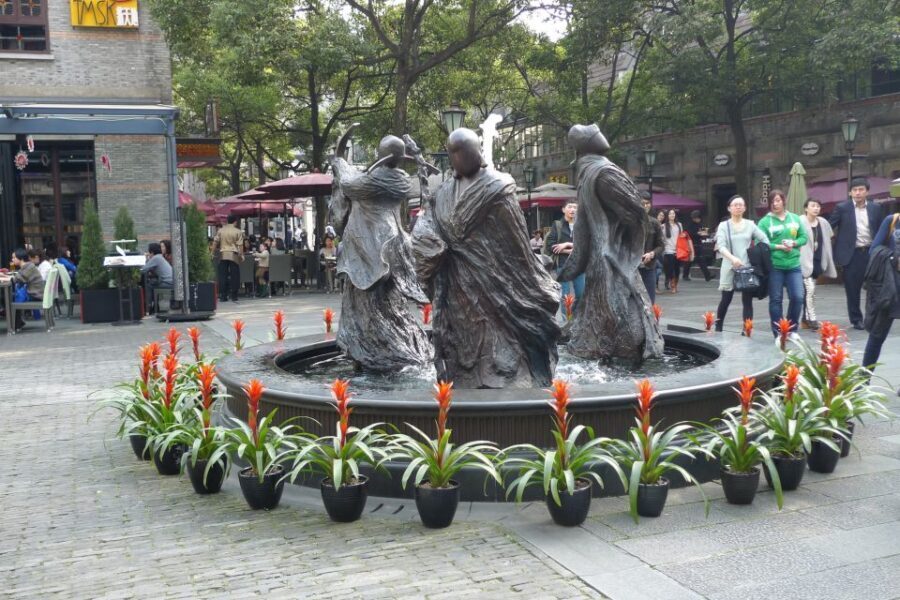
Once you reach Xintiandi, the atmosphere changes. Old Shanghai gives way to its new cosmopolitan face. Xintiandi is in the former French Concession, and it’s known as the trendy entertainment district built around the old Shikumen area.
The key idea is transformation. Shikumen refers to those distinctive stone-gated lane homes, and here the neighborhood’s antique charm has been gentrified into something international and styled for visitors and residents alike. You’ll see boutique stores, busy pubs and bars, and chic restaurants packed into the area.
For you, this stop is a quick reality check: Shanghai doesn’t just preserve history in a museum box. It repurposes it. That can be controversial in some cities, but here it’s also part of the practical truth of how the city functions today.
Also, ending in Xintiandi is smart timing. You’re done with the heavy walking, and you’re placed right in a district where you can easily continue your evening—dumplings, cocktails, or just people-watching if that’s your plan.
Other city tours we've reviewed in Shanghai




Tea tasting: the included break that makes the tour feel real
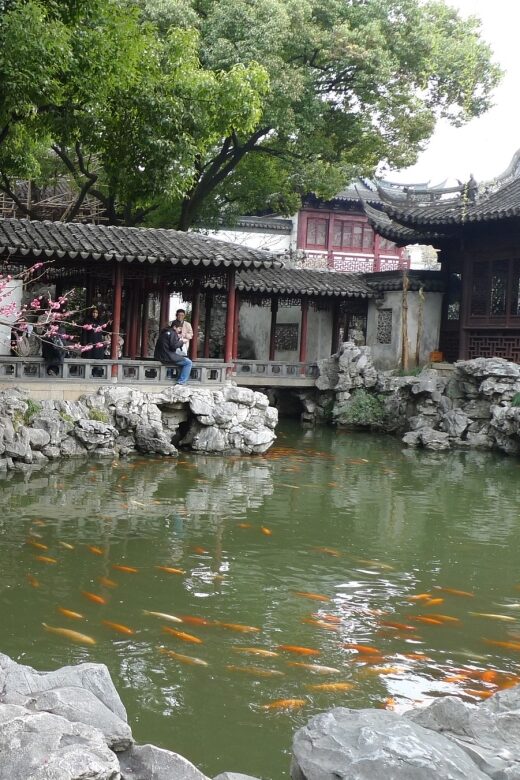
You get a complimentary tea tasting as part of the experience. It’s not a giant cultural show. It’s a small reset that helps you slow down after stepping through busy streets and garden paths.
This matters because the tour spans very different settings: quiet garden design, everyday bazaar life, then a nightlife district. The tea tasting gives you a moment to absorb what you’ve seen without rushing toward the next stop.
If you’re a “notes and questions” type of traveler, this is also a good window to ask about what you’re noticing. Guides tend to turn that conversation into useful context fast.
Price and value: is $75 fair for 3 hours?
The tour is priced at $75 per person for a 3-hour experience (often described around 3 to 3.5 hours). On its face, it’s not the cheapest option in Shanghai. But it’s also not trying to be “just a walk.”
Here’s what you’re paying for:
- An English-speaking local guide who handles the story and the route
- A complimentary tea tasting
- Stops that cover both sides of Shanghai’s identity: traditional private-garden space and modern entertainment streets
Now the catch. The Yu Garden entrance tickets are not included, and food and drinks aren’t included either. So your total day cost will depend on what you add.
Still, if you’re short on time and want a guided bridge between old and new—without assembling a complicated self-guided route—this price can feel like a fair trade. It’s essentially buying time, context, and a smoother route through the most meaningful parts of the area.
Logistics that actually matter (and what to plan for)
Hotel pickup and drop-off are not included, though it can be arranged for an additional cost. For most people, meeting at the Renaissance Shanghai Yu Garden Hotel is manageable, and it keeps the schedule simpler.
Keep expectations realistic about time. This is a fast, curated walk across multiple zones. You won’t have hours to linger in every shop, and you shouldn’t plan on doing extra attractions on top unless you’re okay with a rushed day.
Also note the simple limitation: it’s not suitable for people with mobility impairments. If that applies to you, it’s better to look for a more accessible alternative rather than forcing it.
Who should book this tour, and who should skip it
This tour is a strong fit if you:
- Want a short introduction to Shanghai that mixes traditional sights and modern streets
- Prefer walking with a guide who explains context, not just pointing and “next stop”
- Like everyday details—street scenes, small shops, and how people live—not only big icons
You might want to skip it if:
- You need a fully accessible route
- You’re hoping for a long, museum-style deep dive time commitment
- You dislike walking or you want a day filled with unstructured free time
Should you book the Shanghai Old City Tour?
If it’s your first time in Shanghai and you only have a half-day to get your bearings, I’d book it. The pairing of Yuyuan Garden and Xintiandi works because it shows Shanghai’s “then and now” in one smooth arc.
Just go in with a clear plan for budgeting: add the Yu Garden entrance ticket and plan to cover your own food. If you do that, you’ll end up with exactly what you want from a short guided outing—good walking flow, helpful storytelling, and a day that feels like Shanghai rather than a checklist.
FAQ
How long is the Shanghai 3-Hour Old Shanghai City Tour?
The tour duration is listed as 3 hours (it’s described as around 3.5 hours in the experience details). Check starting times for availability.
Where is the meeting point?
You meet at Renaissance Shanghai Yu Garden Hotel, 159 South HeNan Road.
Is hotel pickup and drop-off included?
No. Hotel pickup and drop-off are not included, but they can be arranged for an additional cost.
Are entrance tickets to Yu Garden included?
No. Yu Garden entrance tickets are not included.
What’s included in the tour price?
The tour includes an English-speaking local guide and complimentary tea tasting.
What language will the guide speak?
The tour includes live guiding in English and Chinese.
Is the tour suitable for mobility impairments?
No. It is not suitable for people with mobility impairments.
What should I bring?
Wear comfortable shoes, since you’ll be walking.
Can I cancel for a full refund?
Yes. You can cancel up to 24 hours in advance for a full refund.