REVIEW · SHANGHAI
Shanghai: Yu Garden Admission Ticket
Book on GetYourGuide →Operated by PANDA144 experience · Bookable on GetYourGuide
Yu Garden is a calm pause in Shanghai. You get self-guided time to explore a Jiangnan-style garden that dates back centuries, with intricate rockeries and tranquil ponds framed by Ming and Qing pavilions. I like how the site doesn’t feel like a theme park; it feels like a real, preserved family retreat turned public heritage.
One catch: it can get crowded, especially around the popular photo zones and tour routes, so you’ll want to build in a little patience.
This admission ticket is also a smart value if you care about architecture and atmosphere more than a lecture. You’ll have time to wander the paths, check out cultural relics and exhibitions, and look closely at well-preserved calligraphy and furniture—at your own pace. The biggest downside is simply that no professional guide is included, so you’ll rely on signage and your own curiosity.
In This Review
- Key things to know before you go
- Yu Garden: a 400-year-old garden inside a modern city
- What your $16 gets you (and what it doesn’t)
- Morning vs afternoon: timing your visit for a calmer walk
- Entry reality check: QR tickets and passport accuracy
- Inside Yu Garden: rockeries, ponds, pavilions, and relics
- Walking the garden without getting lost (and without feeling rushed)
- What to look for: Ming-Qing details that feel meaningful
- Preserved furniture and calligraphy
- Architecture that frames nature
- The relic mindset
- Crowds, photo zones, and how to still enjoy it
- Where this ticket fits in your Shanghai day
- Who should book this Yu Garden admission ticket
- Should you book? My take
- FAQ
- How long do I have with this Yu Garden ticket?
- What are the operating hours for Yu Garden?
- Is meals included with the admission ticket?
- Do I get a professional guide with this ticket?
- Do I need a passport for entry?
- How do I get the QR code for entry?
- Can children under 1.2m enter for free?
- Are pets allowed in Yu Garden?
- Is there storage available inside the park?
- What items are not allowed?
Key things to know before you go

- Skip-the-line entry with a digital QR ticket
- 4 hours to explore at a relaxed pace (morning or afternoon slot)
- Ming Dynasty origins and a Jiangnan garden layout shaped by rock, water, and pavilions
- Cultural relics and exhibitions included with admission
- Bring your passport and the exact name/number requested to avoid booking issues
- No storage services, so travel light and keep valuables on you
Yu Garden: a 400-year-old garden inside a modern city

Yu Garden is often described as one of Shanghai’s most famous classical gardens, and once you’re inside, you’ll understand why. This is a Jiangnan-style garden—one built around a deliberate rhythm of winding paths, framed views, and scenic “borrowed views” where pavilions and ponds feel like part of a planned composition.
The story behind the place adds weight to what you see. The garden was originally a private retreat built in the Ming Dynasty, created by Pan Yunduan, a high-ranking official, for his father. It’s also designated as a National Key Cultural Relic Protection Unit (since 1982), which helps explain why the gardens and the preserved pieces feel treated as heritage rather than decoration.
What I like most is that you’re not just looking at rocks and water. You’re stepping into a landscaped philosophy—where architecture and nature work as one system. Every turn tends to reveal something new: a different angle on a pond, a stone feature that looks almost sculpted, or a pavilion view that makes you slow down.
Other Yu Garden and Old City tours we've reviewed in Shanghai



What your $16 gets you (and what it doesn’t)

For about $16 per person, this is admission—not a guided tour. That matters, because you’re buying convenience and access, not an expert walking you through every object.
Here’s what is included:
- Quick entry to Yu Garden
- Access to historical exhibitions and cultural relics
- Time for the garden scenery itself
Here’s what is not included:
- Professional guide services
- Meals
- Souvenir purchases (obvious, but worth noting so you don’t plan on buying lunch inside)
Value-wise, this works best if you:
- already know you want to wander a garden at your own speed, and
- want to avoid spending your limited time at the entrance.
If you’re the type who loves learning every detail from a person, you might feel like something is missing. But you can still have a satisfying visit by using the on-site information and taking your time to observe the preserved furnishings and calligraphy.
Morning vs afternoon: timing your visit for a calmer walk

Your ticket choice isn’t just a checkbox—it shapes your experience.
Yu Garden has two operating windows:
- 9:00am–12:30pm (morning ticket)
- 12:30pm–4:00pm (afternoon ticket)
The practical takeaway: you’ll usually get more breathing room earlier in the day. One review pointed out how the surrounding main streets can be busy and that the “main section” of the streets is free, while Yu Garden is a separated ticketed section. That’s useful for planning: you can expect crowds to concentrate around the most photographed areas, and the garden route may still feel calmer than the busiest street edges.
If your schedule is flexible, I’d lean toward the morning slot for a more relaxed rhythm. If you prefer daytime sightseeing and don’t mind crowds, the afternoon ticket still works—you’ll just want to slow down around the popular photo stops and plan your route so you don’t backtrack.
Entry reality check: QR tickets and passport accuracy
This is one of those tours where the smooth part depends on doing two things right.
First, bring your passport. The entry rules are strict enough that you should expect staff to check identity details if anything looks off.
Second, your booking needs your full name (exactly as on your passport) plus your passport number. If the details aren’t received on time, the booking can be canceled and fees may apply. That’s not the kind of headache you want on a travel day.
Now the QR piece: the info you’ll receive matters. If one QR doesn’t work, the instruction is clear—check your email or WhatsApp for the right QR. I like that the service pattern described in the information and feedback is digital and practical, and multiple visitors highlighted getting QR codes by WhatsApp and receiving clear instructions.
My advice: before you leave your hotel, open the message thread where your QR ticket was sent and save it offline. Don’t wait until you’re standing in line.
Inside Yu Garden: rockeries, ponds, pavilions, and relics

Yu Garden is built around classic garden components you’ll spot quickly: dramatic stonework, calm water, and pavilion structures placed like punctuation marks.
As you move through the site, pay attention to:
- Rockeries: those stacked stone formations often look purely decorative, but they’re also about shape, texture, and how light falls across stone surfaces.
- Tranquil ponds: water is used to soften the scene, create reflections, and slow your pace as you walk around it.
- Pavilions: these aren’t just “pretty roofs.” They frame views and create little pauses where you can stop and see how the garden is composed.
The garden also includes access to historical exhibitions and cultural relics. That’s important because the experience isn’t only outdoors. You get a chance to connect the scenery to the preserved objects—especially things like Ming and Qing dynasty furniture and calligraphy, which you can look at without needing to chase down a museum ticket elsewhere.
One more heritage marker to keep in mind: the site’s protected status helps explain why details can feel carefully maintained. You’re not just visiting a scenic patch—you’re touring a cultural site that was protected and recognized at the national level.
A few more Shanghai tours and experiences worth a look





Walking the garden without getting lost (and without feeling rushed)

Yu Garden’s layout can be complex. You’ll likely see why once you’re there: the path system is designed to create gradual reveals. The downside of that design is obvious—if you rush, you’ll keep ending up in places you’ve already seen.
So bring a simple strategy:
- Use mobile navigation or a map so you know where you are.
- Accept that you won’t see everything in one pass.
- Give yourself permission to stop when a view feels intentional.
Because your ticket time is four hours, you can actually do this without stress. I’d plan for some wandering time plus a slower “second look” at the most interesting areas. The best garden experiences happen when you let the place control the pace rather than trying to check off every corner on a timer.
Also note the house rules: it’s a historical site, so silence and respect matter. You don’t need to whisper, but you should avoid turning it into a loud photo-shoot zone. That’s good etiquette, and it also makes the garden feel better.
What to look for: Ming-Qing details that feel meaningful

Since there’s no professional guide included, your enjoyment will come from noticing what’s right in front of you. Here are a few things worth your attention because they’re specifically part of what the ticket gives you access to.
Preserved furniture and calligraphy
If you care about visual culture, don’t speed past the indoor or exhibition sections. The ticket includes viewing well-preserved Ming and Qing dynasty furniture and calligraphy, which can help you understand the garden as a living environment, not only a scenic backyard.
Architecture that frames nature
Look at how pavilions are placed relative to ponds and rock formations. You’re basically seeing how traditional building design collaborates with the natural elements. When you notice that, the garden stops being “pretty” and becomes “clever.”
The relic mindset
Because Yu Garden is a protected cultural relic site, many spaces feel set up for conservation. That means you’ll often see presentation done in a way that encourages quiet looking rather than constant movement. Lean into that.
Crowds, photo zones, and how to still enjoy it

Let’s talk about the part that can dampen the mood: crowding. Multiple comments point to it. Yu Garden is popular, and it sits right in a city where people love a classical garden snapshot.
Here’s how to handle it without turning your day into an argument with the crowd:
- Time your biggest photo stops for when you’re on your way through, not when you’re tired.
- If a spot feels packed, step back and look from another angle. Gardens are built for alternative views.
- Remember that the garden area is separated from the surrounding street zone, so you can often find a calmer pocket by staying on the garden route.
Also, if you’re planning a longer Shanghai day, think of Yu Garden as the “pause” in your route. Even if the entry area feels busy, the interior garden experience usually regains the calm once you walk deeper into the site.
Where this ticket fits in your Shanghai day
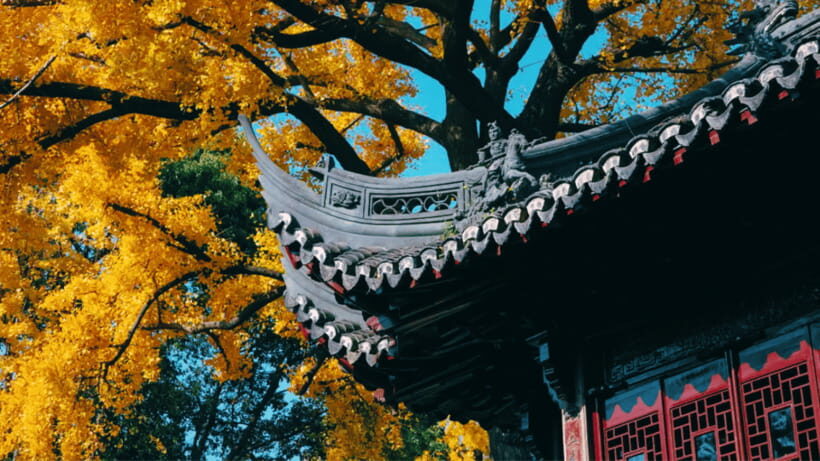
Yu Garden sits in a prime location for combining sightseeing. You’re in the heart of Shanghai’s classic area, so it’s easy to mix the garden with street wandering nearby.
One practical pattern from real visits: people often pair the garden visit with time around the local street areas afterward—especially when they finish the garden portion and want something more casual to keep the momentum going. If you like food streets, shopping streets, or just walking through a lively old-meets-new district, this ticket gives you a meaningful cultural block before you shift gears.
Who should book this Yu Garden admission ticket
This is a good match if:
- You want 4 hours in a famous classical garden with preserved heritage elements.
- You like photography, but not so much that you need a guide to hit specific landmarks.
- You prefer self-paced exploring with the option to slow down where you personally care most.
- You value convenience: skip-the-line entry and digital QR access is a real help in a big city.
It’s less ideal if:
- You want deep explanations from a professional guide for every stop.
- You’re visiting with limited patience for crowds and route complexity.
Families can also consider it. Children under 1.2m enter for free, which can make this more affordable for mixed-age groups.
Should you book? My take
Yes, you should book this if your priority is access and time to wander a protected classical garden. For the price, the combination of quick entry, a 4-hour time window, and included access to cultural relics and exhibitions makes it feel fair—especially if you show up ready to explore on your own.
Skip it (or think twice) if you feel you won’t enjoy the visit without a guide. In that case, you might prefer a guided option elsewhere so someone can translate what you’re seeing into context and stories.
FAQ
How long do I have with this Yu Garden ticket?
The ticket is valid for about 4 hours. You’ll choose either a morning or afternoon slot.
What are the operating hours for Yu Garden?
There are two entry windows: 9:00am–12:30pm for the morning ticket, and 12:30pm–4:00pm for the afternoon ticket.
Is meals included with the admission ticket?
No. Meals are not included.
Do I get a professional guide with this ticket?
No. Professional guide services are not included.
Do I need a passport for entry?
Yes. You’re asked to bring your passport.
How do I get the QR code for entry?
You’ll receive a digital QR ticket and the instruction is to check your email or WhatsApp for the correct QR.
Can children under 1.2m enter for free?
Yes. Children under 1.2m can enter for free.
Are pets allowed in Yu Garden?
Pets are not allowed, though assistance dogs are allowed.
Is there storage available inside the park?
No. There are no storage services, so you should secure your belongings yourself.
What items are not allowed?
Don’t bring weapons or sharp objects, pets (assistance dogs allowed), alcohol and drugs, or explosive substances.