REVIEW · SHANGHAI
Make Soup Dumpling: Vegan or Pork in Shanghai Shikumen
Book on GetYourGuide →Operated by Yin Studio · Bookable on GetYourGuide
Dumplings turn Shanghai street-food into a hands-on skill. What I like most is the choice between vegan or pork xiaolongbao and the very specific coaching on Chef Yin’s “18-fold” pleating. The one thing to consider: if you go vegan, the flavor and soup feel can be lighter than the pork version.
You also learn the full chain, not just the shaping. You’ll make dough from scratch, roll wrappers, prepare one filling, then steam your dumplings and eat them with black vinegar, ginger, and tea. For the best experience, plan to arrive not-too-hungry—working carefully takes time, and you’ll be making real food from start to finish.
In This Review
- Key Things to Know Before You Go
- Why Shikumen Lanes Make This Class Feel Different
- Vegan or Pork: Two Choices, Two Methods
- Vegan filling: cooked in-class
- Pork filling: raw mixing, then steamed safely later
- Dough and Wrappers: Where Success Starts
- Filling Prep: Follow the Course, Not Just the Ingredients
- Shaping the “18-Fold”: The Skill You’ll Actually Use Again
- Steaming and Eating: Bamboo Baskets and the Right Finish
- Tea, Materials, and the Small Extras That Add Up
- Price and Value: Is $120 Worth It?
- Language, Group Comfort, and What to Expect Day-of
- Who This Class Suits Best
- Should You Book This Vegan or Pork Xiaolongbao Workshop?
- FAQ
- How long is the class?
- Can I choose vegan or pork xiaolongbao?
- How much extra does it cost to make both fillings?
- What’s included in the price?
- Does the vegan filling require cooking during the class?
- Is the pork filling cooked in the class before steaming?
- What does the class include for eating?
- What languages are available for instruction?
- Is transportation included?
Key Things to Know Before You Go
- Pick your filling (vegan or pork) and learn the steps that match your choice
- Chef Yin’s hands-on “18-fold” coaching helps you build dumplings that actually hold soup
- Shikumen lane house kitchen gives the class a real Shanghai setting, not a restaurant demo vibe
- Wrapper thickness matters—center vs edges changes how well the soup stays put
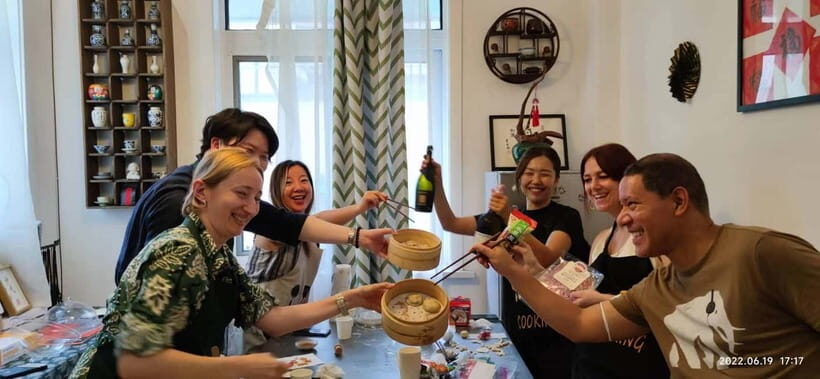
- Steam + eat together in bamboo baskets with black vinegar, ginger, and tea
- Dual filling add-on (+$20/person) lets you make both, with a longer 30-minute session
Why Shikumen Lanes Make This Class Feel Different
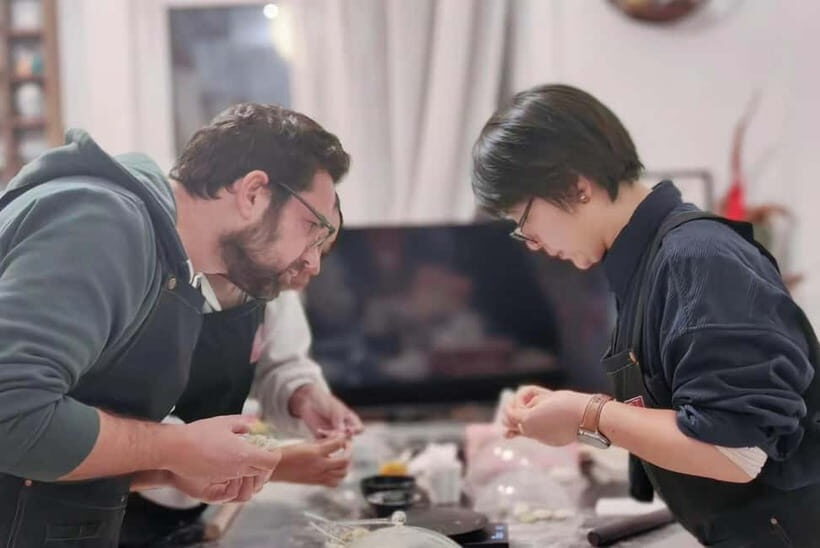
Shanghai’s food can be taught in big, flashy kitchens. This class goes the other direction: you cook inside a historic Shikumen lane house kitchen, in a space tied to everyday life in the city. That setting matters because you’re not just copying a recipe—you’re learning how people actually handle ingredients and timing in a small working kitchen.
I also like the pace. The teaching is step-by-step: dough, wrapper, filling, then shaping, then steaming and eating. You get the logic behind each step, which is what helps at home later when your dumplings try to collapse or leak.
One more practical point: the venue can be hard to spot at first. The good news is you’ll receive a very specific description (including a video), and you may be met directly at the street, which takes the stress out of arrival.
A few more Shanghai tours and experiences worth a look

Vegan or Pork: Two Choices, Two Methods
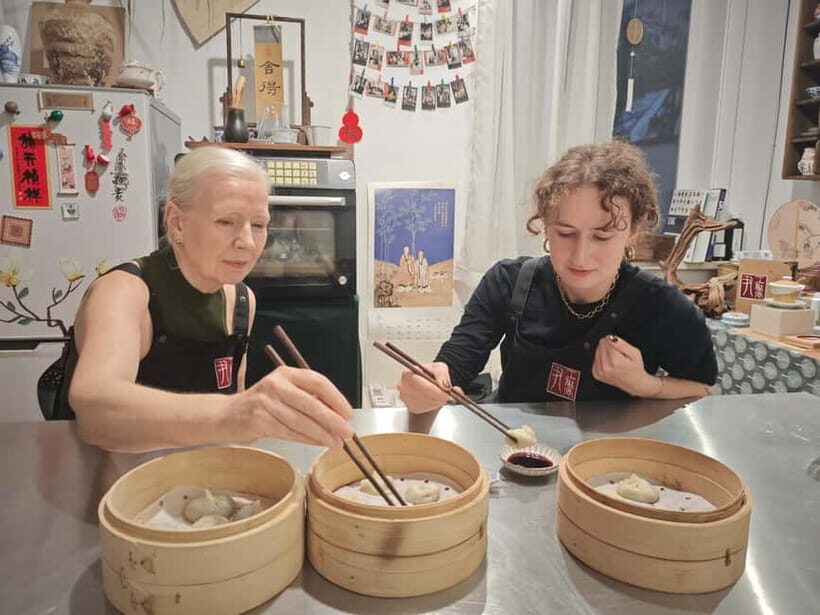
The class is built around one main decision: you choose vegan OR pork xiaolongbao as your filling. The base price includes one filling, so you’ll focus on doing it well rather than rushing through everything.
Vegan filling: cooked in-class
If you pick vegan, you’ll cook an aromatic filling from scratch while you’re in the class. The ingredients are sautéed into an umami-driven flavor profile using broth as part of the process. Because it’s cooked fresh during the lesson, you’ll learn texture and seasoning by watching and adjusting in real time.
Pork filling: raw mixing, then steamed safely later
If you pick pork, you’ll mix raw minced pork with ginger, scallions, and aspic (gelatinized broth) for an authentic soup effect. The important detail is that it’s mixed raw, but the dumplings are steamed later in the class so the soup-gel turns back into liquid inside the dumpling.
Here’s the honest consideration: pork xiaolongbao has a stronger “soup explosion” payoff. If you’re sensitive to mild flavor or you want a very pronounced soup moment, the vegan version might feel more subtle in comparison.
Dough and Wrappers: Where Success Starts
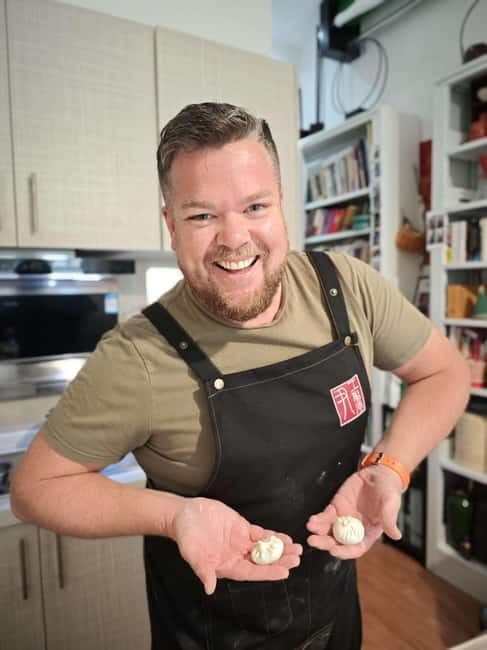
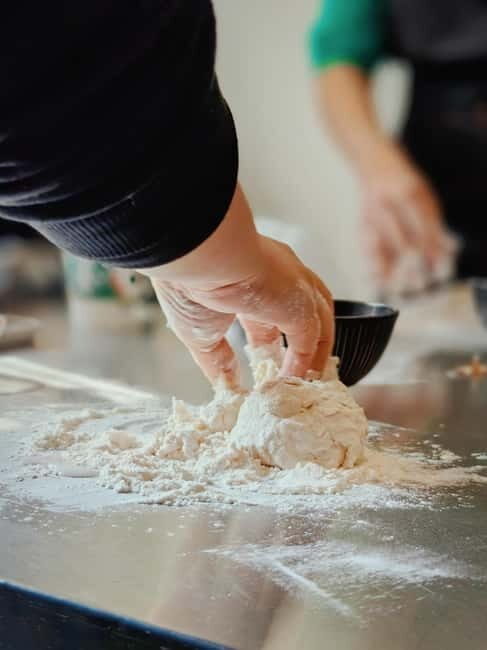
The class begins with the fundamentals: you’ll make dough from scratch using a precise water-to-flour ratio. Chef Yin shows the right balance for elastic texture, and you’ll knead and rest your dough under guidance. This matters because xiaolongbao wrappers need stretch without turning sticky or tearing.
Next comes wrapper crafting. You’ll roll translucent, palm-sized wrappers using traditional technique, and you’ll learn why thickness at the center versus the edges changes soup retention. If the center is too thin, you risk leaks or collapse. If the edges are too thick, the pleats won’t seal as cleanly.
This is the part I think most people underestimate. Xiaolongbao isn’t just folding; it’s engineering. The wrapper thickness and dough elasticity set you up for a dumpling that can survive steaming while still holding the soup inside.




Filling Prep: Follow the Course, Not Just the Ingredients
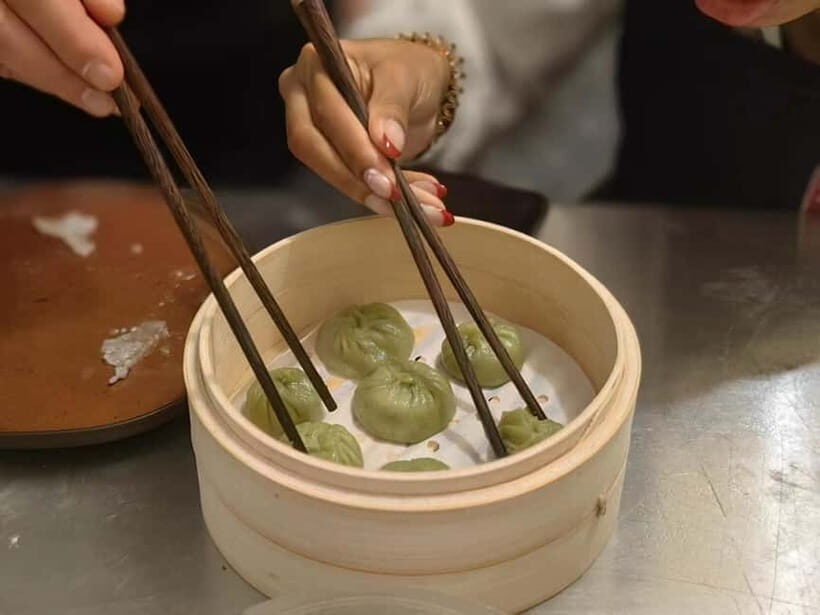
You only make one filling in the base session, which keeps things focused. For vegan, you’re working with sautéed ingredients and broth for a savory core. For pork, you’re mixing the aspic into the raw mixture so it becomes the gel-to-soup effect during steaming.
Either way, Chef Yin’s coaching is the value here. You aren’t handed a printed sheet and sent off to freestyle. You’ll be shown how to handle the filling so it stays workable for shaping, and you’ll get corrections as you go.
Shaping the “18-Fold”: The Skill You’ll Actually Use Again
The star of this class is shaping, specifically the iconic “18-fold” pleating technique. You’ll learn how to twist, seal, and create the signature crown shape while Chef Yin guides your hands. Real-time corrections are key, because small changes in how you pinch and seal can make the difference between dumplings that hold soup and dumplings that spring leaks.
Expect to slow down. Pleating like this doesn’t happen on autopilot, especially if your wrappers are your first attempt at this style. The good part is that you’re being coached, so you learn what to fix rather than guessing.
Here’s the practical takeaway for your kitchen later: the folds aren’t about looks. They’re about creating a tight seal while still letting the dumpling steam evenly. When you understand that goal, you stop chasing “perfect” and start chasing reliable.
Steaming and Eating: Bamboo Baskets and the Right Finish
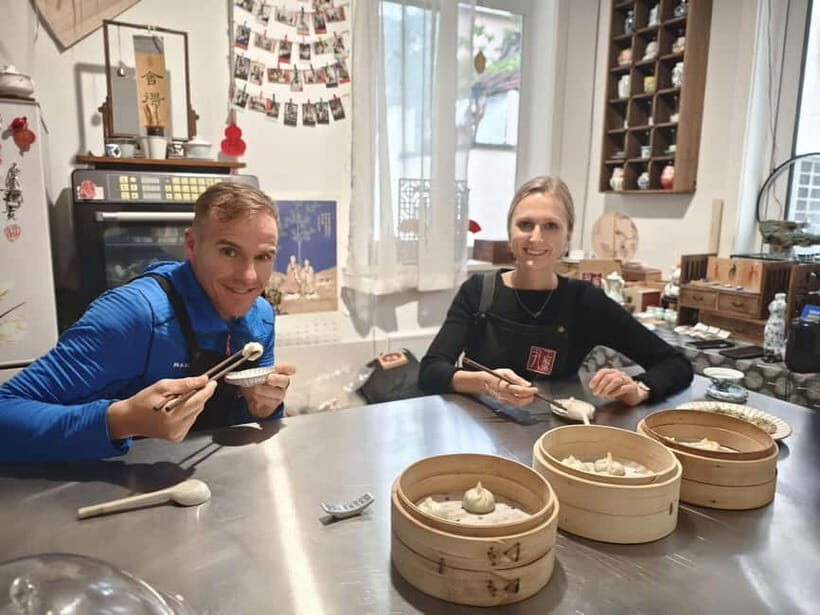
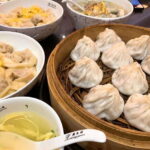
After shaping, you steam your soup dumplings in bamboo baskets. That’s not just a dramatic touch—it’s the classic method that supports gentle steaming and helps the dumpling texture stay tender.
Then you eat what you made, with black vinegar and ginger paired alongside tea. This is where you learn the flavor balance of the dish: vinegar cuts through richness, ginger adds sharp warmth, and tea keeps everything from feeling heavy.
I also like that you get a take-home recipe. The workshop isn’t just a one-hour trick. It gives you a reference point so you can repeat the method when your hands get the chance to practice.
Tea, Materials, and the Small Extras That Add Up
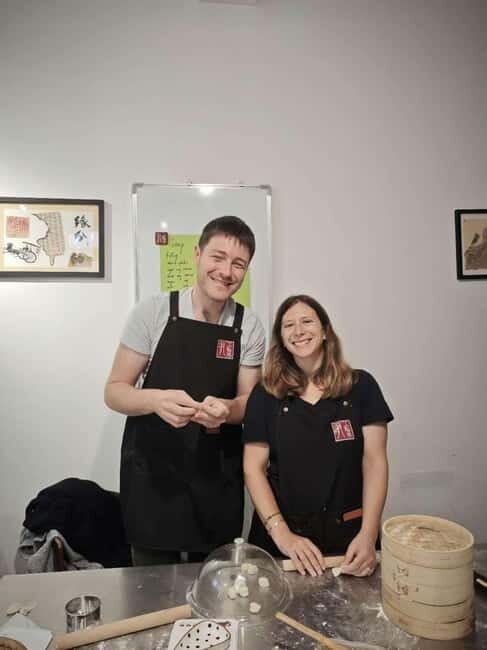
The class includes all materials and tools you need for making one filling. You also get good quality tea during the session, plus a studio gift. Those inclusions matter for value because you’re not trying to source ingredients or special equipment on your trip.
The instructor also brings context beyond technique. Chef Yin shares tea taste and food history of China in Shanghai’s Shikumen lanes, so you’re not only learning a cooking sequence—you’re learning why certain habits developed in this part of the city.
Price and Value: Is $120 Worth It?
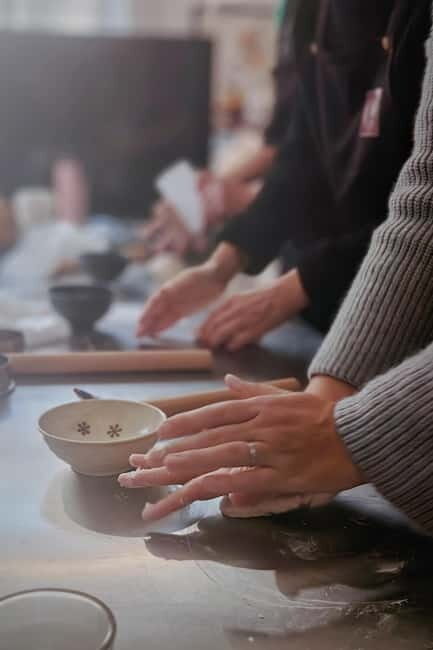
At $120 per person for a 2.5-hour class, you’re paying for something more specific than a typical cooking demo. You’re paying for hands-on coaching, real step-by-step practice, and a method that’s hard to learn from videos alone—especially the “18-fold” pleating and wrapper thickness logic.
You get one filling included. If you want both vegan and pork, there’s a Dual Filling Add-On for +$20/person. That upgrade extends the session by 30 minutes so you can craft vegan and pork dumplings side-by-side, which is a smart option if you’re traveling as a pair with mixed preferences or you want maximum practice.
One caution on value: the class experience depends on your focus and willingness to work carefully. If you rush, dumplings can leak. If you take your time, the tuition becomes a real skill-building session you can repeat.
Language, Group Comfort, and What to Expect Day-of
The instructor speaks English, Japanese, and Chinese. Even if your cooking vocabulary is limited, you’ll be able to follow along because so much of the teaching is visual and hands-on.
You should also assume you’re in a working, not-luxury setting. One review noted the location is very central and reached by public transport, but the workshop room can be hard to find. That’s exactly why the advance video description helps, and why meeting at the street can be a big relief.
A small tip that can change your mood: eat something beforehand. The lesson takes time because you’re doing every step, not just plating. If you arrive hungry, the first hour can feel longer than it needs to.
Who This Class Suits Best
This is a great fit if you want a practical food memory, not just a meal. If you like cooking, you’ll enjoy the “why” behind each step: water ratio for dough, wrapper thickness for soup retention, and pleating for sealing.
It also suits travelers who want a more local rhythm of food life. The Shikumen lane house setting and tea-food context make the class feel tied to Shanghai rather than generic “dumpling making.”
If your main goal is a quick taste of xiaolongbao, this may not be the best use of time. You’ll leave with skills, not just snacks, and you’ll spend part of the session shaping and steaming.
Should You Book This Vegan or Pork Xiaolongbao Workshop?
Book it if you want to learn a real technique you can repeat: dough, wrapper craft, filling prep, and the “18-fold” pleating that keeps soup where it belongs. The combination of hands-on coaching, bamboo steaming, and eating your own dumplings with black vinegar and ginger makes it feel complete.
Consider skipping or choosing carefully if you strongly prefer the vegan version of the dish to match the pork soup impact. Vegan can be delicious, but it may not deliver the same intense soup moment people expect from pork-filled xiaolongbao.
If you’re flexible, do the dual filling add-on (+$20/person) when it’s available. Thirty extra minutes sounds short, but it’s enough time to experience both approaches and taste the difference side-by-side.
FAQ
How long is the class?
The duration is 2.5 hours. If you choose the dual filling add-on to make both vegan and pork dumplings, the session extends by an additional 30 minutes.
Can I choose vegan or pork xiaolongbao?
Yes. You can choose either vegan OR pork xiaolongbao. The base price includes one filling.
How much extra does it cost to make both fillings?
There is a Dual Filling Add-On for +$20 per person to make both fillings. This is added during booking, and it extends the class by 30 minutes.
What’s included in the price?
The included items are the materials and tools needed (for one filling), good quality tea, and a studio gift.
Does the vegan filling require cooking during the class?
Yes. The vegan option includes cooking an aromatic filling from scratch in the class.
Is the pork filling cooked in the class before steaming?
The pork filling is mixed raw with ginger, scallions, and aspic (gelatinized broth), and then your dumplings are steamed later during the session.
What does the class include for eating?
After steaming, you eat the soup dumplings with black vinegar and ginger, plus tea.
What languages are available for instruction?
Chef Yin teaches in English, Japanese, and Chinese.
Is transportation included?
Personal transportation is not included, so you’ll need to arrange how you get to the venue.