REVIEW · SHANGHAI
Shanghai Mahjong Experience in Local Tea Bar
Book on Viator →Operated by Hippo Tour Shanghai · Bookable on Viator
Mahjong in Shanghai is better with tea. This experience teaches you the game in a small local tea bar setting in the Former French Concession, with an instructor and English translation so beginners feel steady from the first tile. You’re not just watching a demo—you’re learning rules, playing right away, and picking up why Mahjong matters in everyday Chinese social life.
I especially like the hands-on format using electronic Mahjong tables, because it cuts the usual beginner stress and lets you focus on decisions. The other big win for me is the way Jenny (and her friends) support new players with clear instruction sheets/handouts and patient guidance, so you can actually use what you’re learning during the session.
One consideration: it’s priced at $95 per person and the class runs about 3 hours, so if you want deep, long-form strategy or a bigger meal-and-hangout experience, you may feel the time is tight and drinks aren’t included.
In This Review
- Key moments that make this worth your time
- Why this Shanghai mahjong class happens in a tea house
- Meeting on Shan Xi Nan Lu and how the session starts
- The lesson part: rules, strategy, and patient coaching
- Electronic Mahjong tables: why automatic play helps you learn
- Tea bar culture: what you’re really soaking up besides the rules
- Time in the Former French Concession: your next walk
- Price and value: is $95 per person fair?
- Who should book this Mahjong tea-bar experience
- Should you book? My straight answer
- FAQ
- How long is the Shanghai Mahjong experience?
- How much does it cost?
- Do I need to know Mahjong before I go?
- Is there English translation during the class?
- Do we play on electronic or automatic Mahjong tables?
- Where does the experience meet?
- Does the tour end at the same place?
- Is this a private experience?
- Are drinks included?
- What is the cancellation policy?
Key moments that make this worth your time
- Former French Concession tea bar setting: learn in a real neighborhood space, not a staged studio
- English translation support: rules and meaning are explained clearly even if you’re starting from zero
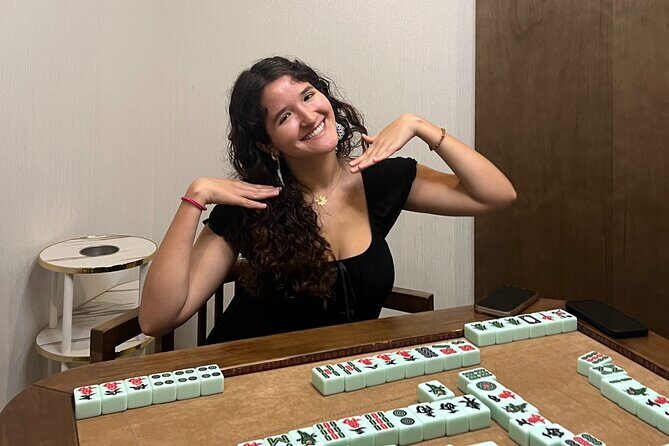
- Electronic Mahjong tables: you play on automatic tables built for casual and practical play
- Instruction sheets/handouts: you get something tangible to follow while you’re learning
- Mahjong’s social role: you learn why this game fits Chinese leisure and group time
Why this Shanghai mahjong class happens in a tea house
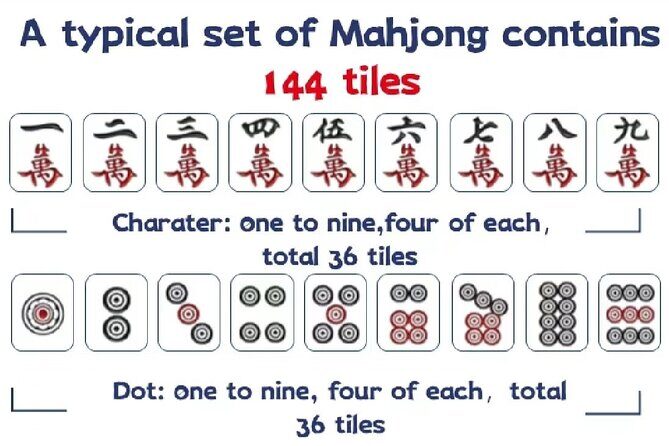
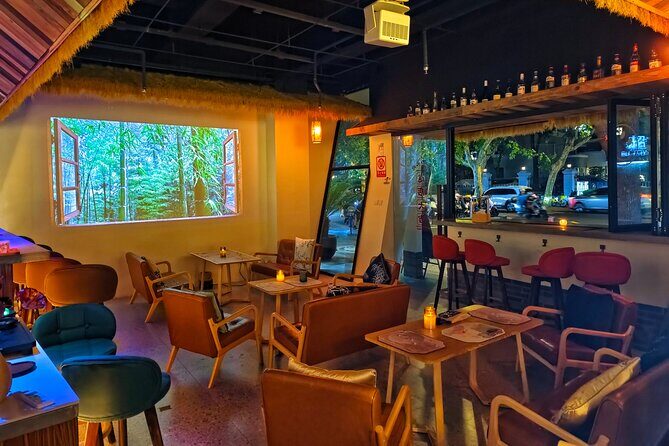
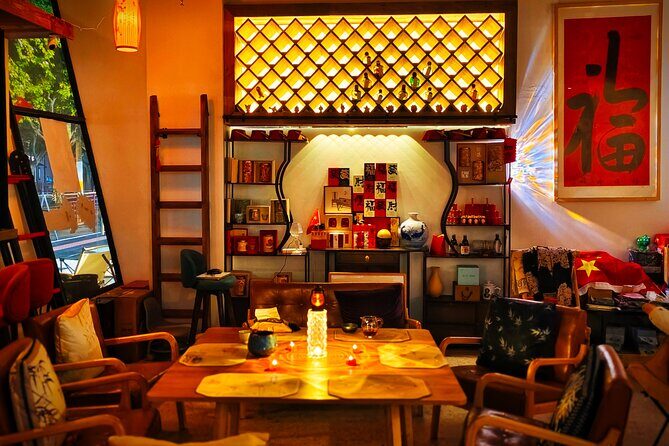
Shanghai has plenty of things to see, but Mahjong is the kind of activity that helps you slow down and understand how people actually relax. What makes this class feel different is the location: it takes place in a local Chinese tea bar tucked in a neighborhood area of the Former French Concession. That matters, because tea-house seating and the everyday rhythm of a local shop change the vibe from lesson-only to conversation and casual camaraderie.
The class is set up so you don’t need prior experience. You’ll get comprehensive Mahjong instruction, with a professional translator making sure you’re not lost on the terms, the flow of the game, or the cultural context. For a lot of first-timers, that’s the difference between learning Mahjong and just getting through a classroom presentation.
And yes, you also get to play. The experience is designed as a balance of learning and doing, which is exactly what you want when you’re trying to turn a set of rules into something your hands can manage.
Other drinking tours in Shanghai



Meeting on Shan Xi Nan Lu and how the session starts
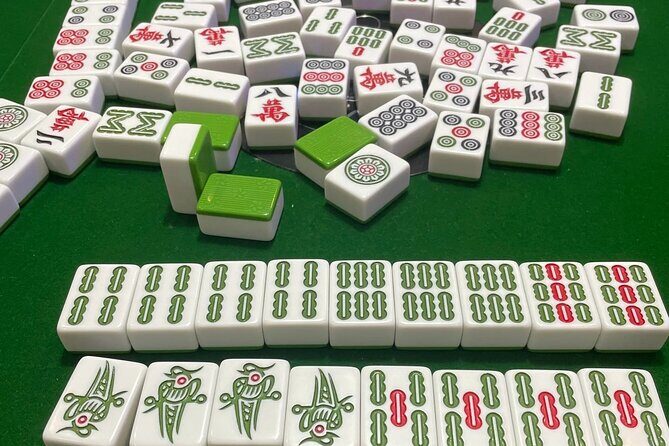
Your tour begins at 327 Shan Xi Nan Lu in Huangpu District, and it ends back at the same meeting point. It’s close to public transportation, which I appreciate because you’re not forced into a complicated “arrive an hour early and get lost” plan.
Since it’s a private tour/activity—your group only—the start feels more focused. Instead of blending into a large crowd, you get instruction suited to the people in your party, whether you’re a total beginner or you’ve played informally before. That’s also helpful if you’re more comfortable asking questions in real time, rather than guessing from the sidelines.
You’ll receive confirmation at booking and the experience uses a mobile ticket. All of that keeps the logistical friction low—meaning you can spend your energy on the game, not the check-in.
The lesson part: rules, strategy, and patient coaching
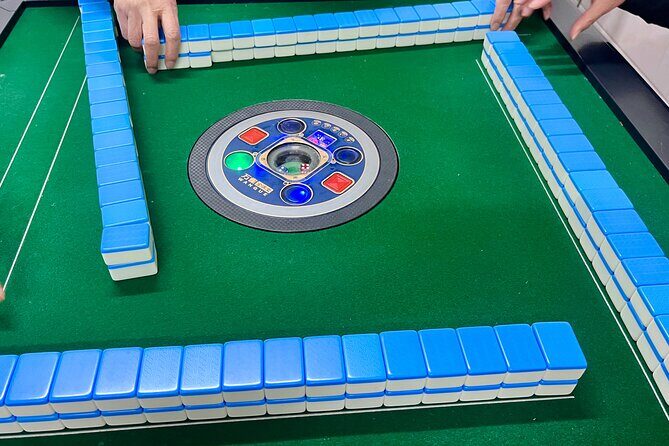
This is where the experience earns its keep. The goal isn’t to impress you with Mahjong terminology—it’s to make you capable of participating in a real round with guidance.
You’ll learn:
- the basics of how the game works
- rules you need to follow while you play
- strategies and techniques at a level that works for beginners
- the cultural meaning of Mahjong in Chinese life
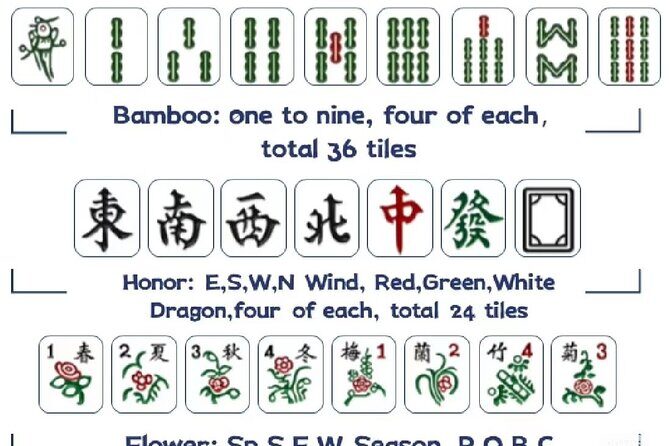
The English translation component is central here. Mahjong can feel like a language of its own at first, with turns, calls, scoring ideas, and terminology that are hard to pick up from visuals alone. With the translator present, you’re not stuck translating in your head while everyone else is moving on.
From the reviews, I also think you’ll enjoy the teaching style. Names like Jenny (and the way her friends helped) show up for a reason: the instruction tends to be patient, and you’re given clear instruction sheets/handouts you can reference while you’re playing. That’s practical. When you’re handling tiles and learning concepts at the same time, having a written guide prevents that sinking feeling of forgetting what you were just told.
Electronic Mahjong tables: why automatic play helps you learn
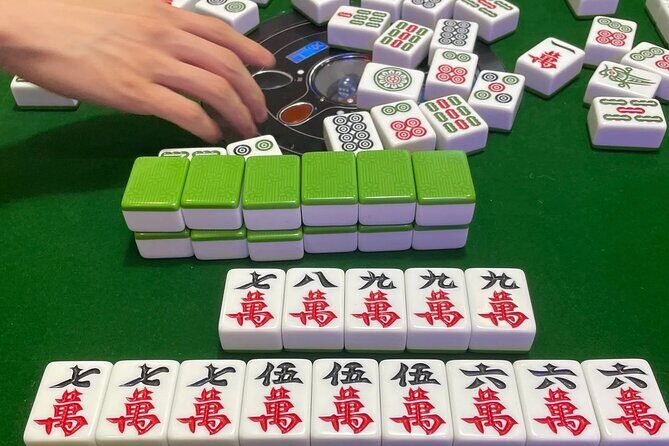
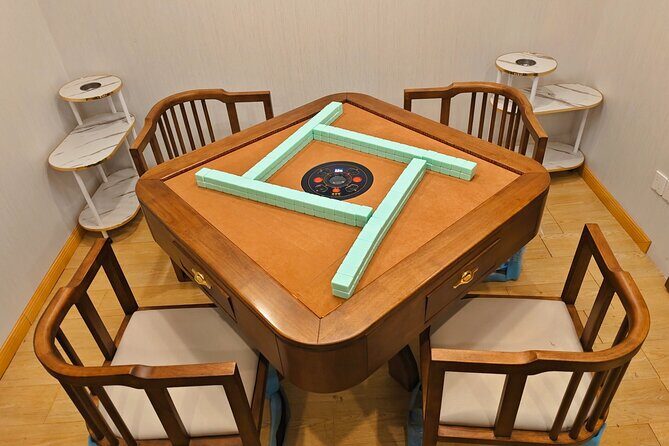
One of the smartest parts of this experience is that it uses an electronic Mahjong table. Automatic tables aren’t just a convenience—they’re a teaching tool.
Here’s what that usually changes for you as a beginner:
- You spend less time fumbling with setup and more time learning the decision points
- The table helps keep the round moving, so you get more chances to practice what you’re learning
- You get familiar with a format that’s actually common in casual and even competitive environments
The experience explicitly includes the use of electronic tables, and it frames them as something used in everyday practice. That’s valuable because your goal isn’t to learn a “museum version” of Mahjong that doesn’t match how people play day-to-day.
Also, once you start playing on the table, the session becomes more social. Mahjong is group time, and even if you’re new, you’re participating rather than waiting. That’s where a tea-house setting makes sense: it turns the experience into something between a lesson and a relaxed hangout.
Tea bar culture: what you’re really soaking up besides the rules
Mahjong is a game, but it’s also a social ritual. That’s what this class aims to show you. You’re not only learning how to win a round—you’re also learning what Mahjong means to Chinese leisure life and why it remains one of the most widely played pastimes.
The instructor covers Mahjong’s background from origins to modern use, and you’ll also talk about why the game stays popular. In a short 3-hour window, it won’t turn into an academic lecture. Instead, you’ll walk away with a clearer sense of where the game fits into real group life: chatting, passing time, and enjoying shared rules with friends and family.
This is the kind of context that makes travel feel less like checking boxes. Instead of only seeing the Former French Concession’s streets and landmarks, you’re interacting with a tradition that people use to relax.
And based on the vibe described in the reviews—cozy tea house, friendly locals, a drizzly afternoon—this is also the kind of activity that turns weather from a problem into part of the atmosphere. Tea-house seating naturally slows your pace.






Time in the Former French Concession: your next walk
The class itself happens in the tea bar, but the location in Shanghai’s Former French Concession gives you an easy next step. After the 3 hours, you can walk around the neighborhood, including the Tianzifang area, which is described as nearby.
I like that plan because it creates a clean flow for your day:
- 3 hours of focused hands-on learning
- then a light wandering session where you can spot the mix of old lanes and modern life
Since the experience ends back at the meeting point, you’re not left hunting for a place to meet your guide afterward. You can just go.
Price and value: is $95 per person fair?
At $95 per person for about 3 hours, you’re paying for more than a “watch a video and do a quiz” lesson. You’re getting:
- a professional instructor experience
- a translator for English support
- use of electronic Mahjong tables
- hands-on practice during the session
- instruction that’s meant for all levels (including complete beginners)
So the value hinges on one question: will you actually use the time to play, ask questions, and learn something you can keep doing later? If you want a teacher-guided start and you’d rather not wrestle with Mahjong rules alone, this price tends to make sense.
Where you might feel it’s less worth it is if you already know Mahjong well and want faster, more advanced training. The session is designed for learning and getting comfortable, not for turning you into a tournament player in a single afternoon.
One more practical value note: drinks like tea/coffee and alcohol aren’t included. That means you’ll likely spend extra if you want to settle in with beverages during the class. If you’re sensitive to add-on costs, plan for that.
Who should book this Mahjong tea-bar experience
This tour is a great fit if:
- you’re a beginner and want a structured start with English help
- you want a cultural activity that doesn’t require museums or long walking
- you’d enjoy a relaxed, local neighborhood setting rather than a “show”
- you like social games and want to feel part of the group, not just observe
It’s also a good option when you’re in Shanghai for a conference or short visit and you need something different for an afternoon. The tea-house format makes it feel like a break from the city grind.
If you’re the type who wants ultra-detailed, advanced strategy training only, you might find the 3-hour timebox limiting. But if your goal is to learn, play, and understand why Mahjong is such a social habit, you’ll likely leave happy.
Should you book? My straight answer
If you want a hands-on Shanghai experience that feels local—tea-house setting, English translation, and actual table time—then yes, you should book it. The combination of patient instruction, electronic Mahjong tables, and the chance to practice while learning is exactly what makes Mahjong click for newcomers.
My only “hold on” would be the price plus the time length. If you’re expecting a long, multi-course cultural evening or a deep advanced coaching plan, this isn’t that. But for learning Mahjong properly enough to play a round with confidence, it’s a smart use of an afternoon.
FAQ
How long is the Shanghai Mahjong experience?
It lasts about 3 hours.
How much does it cost?
The price is $95.00 per person.
Do I need to know Mahjong before I go?
No. It’s designed for all levels, including complete beginners.
Is there English translation during the class?
Yes. A professional English guide/translator is included.
Do we play on electronic or automatic Mahjong tables?
Yes. Electronic Mahjong table use is included, and you’ll play using those tables.
Where does the experience meet?
The meeting point is 327 Shan Xi Nan Lu, Huangpu District, Shanghai 200031, China.
Does the tour end at the same place?
Yes, the activity ends back at the meeting point.
Is this a private experience?
Yes. Only your group will participate.
Are drinks included?
No. Alcoholic beverages and other drinks are not included (and coffee/tea are not included either).
What is the cancellation policy?
Free cancellation is available up to 24 hours in advance for a full refund.
If you cancel less than 24 hours before the start time, the amount you paid won’t be refunded.