REVIEW · SHANGHAI
Shanghai French Concession Walking Tour-Tip Based
Book on Viator →Operated by Bill's Fantastic Tour · Bookable on Viator
Old Shanghai hides in plain sight. This tip-based walking tour through Shanghai’s French Concession is a tidy way to see why people call the area the Paris of the East, even as you learn how it changed after the French presence ended in 1943. I really liked the tree-lined streets and preserved historic buildings, and I loved how Bill (a lifelong Shanghainese) connects the scenes to personal stories and real-world details. One thing to consider: because it’s tip-based, you’ll want to budget extra for the guide at the end, not just the small booking amount.
The route is built around iconic stops that are all quick and walkable, then it drops you into Xintiandi for food and shopping right after. You’ll get a mobile ticket, and the tour runs about 2 hours 30 minutes with built-in pauses so it doesn’t feel like nonstop marching.
In This Review
- Key highlights you will actually notice
- Why the French Concession still feels like Shanghai’s Paris
- Price and tips: how to budget without surprises
- How the tour runs in real life: pacing, group size, and weather
- Meeting at Okura Garden Hotel and the French Club-era starting point
- Jinjiang Hotel: where diplomacy history gets a street address
- Wenhua Cultural Square: stepping into the former French racecourse
- Huaihaifang lanehouse compound: local architecture with everyday meaning
- Sinan Mansions: 51 art-deco residential blocks remade into trendy venues
- Xintiandi finish: why this ending makes your afternoon easier
- Why Bill’s approach is the difference-maker
- Who this walking tour suits best
- Should you book Bill’s Fantastic Tour?
- FAQ
- Is this tour fixed-price or tip-based?
- How long is the French Concession walking tour?
- What is included in the price?
- What stops are included on the route?
- Are admission tickets required for the stops?
- Where does the tour start and where does it end?
- Does it require good weather?
- What about cancellation?
- Is there a mobile ticket?
- FAQ
- How many people are in a group?
Key highlights you will actually notice
- Tip-based format you control: you reserve your spot up front, then decide what you give Bill at the end.
- Bill’s local storytelling style: native Shanghai perspective, plus humor and patience that make history easier to remember.
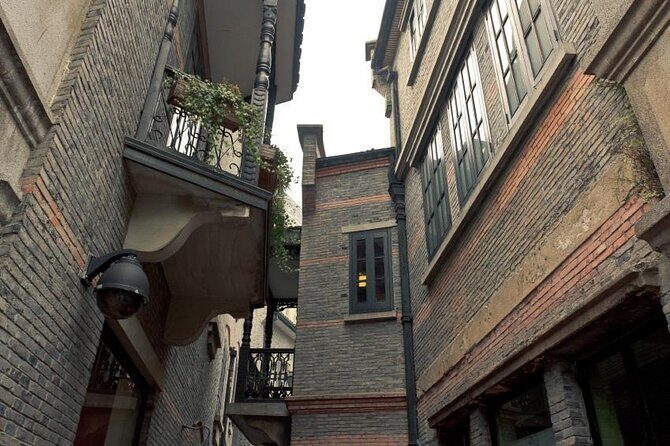
- Historic buildings with strong street-level character: hotels, lanehouses, and preserved architectural details like wrought-iron looks.
- A smart mix of “big landmark” and everyday Shanghai: French club-era sites side by side with local compounds.
- Built for quick photo moments: you pass visual anchors that make it easy to stop, look, and shoot.
- Ends in Xintiandi: you finish where it’s easy to keep exploring on your own.
Why the French Concession still feels like Shanghai’s Paris
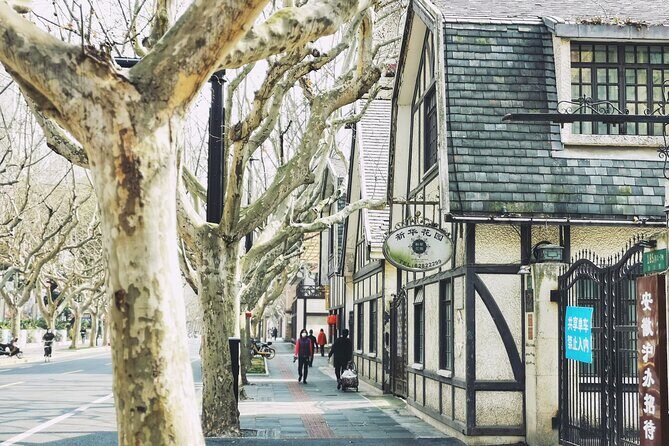
Shanghai’s French Concession was run by the French government from 1849 to 1943, and that long, official chapter left a visible footprint. You’ll see it in the street layout, the older architecture, and the feeling that some blocks were built with a European sense of order.
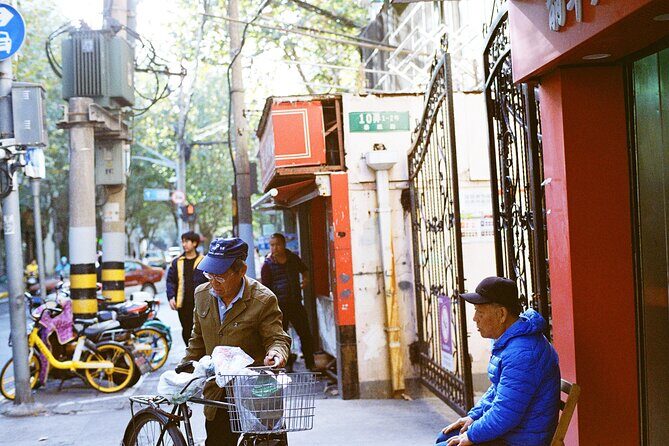
What makes this area special on foot is the contrast. You get the old-style “grand” edges—hotels and formal compounds—then you walk right into the lanehouse world, where daily life and local neighborhood patterns take over.
Other French Concession walks we've reviewed in Shanghai



Price and tips: how to budget without surprises
The booking price is $3.59 per person, but that is basically a reservation fee to hold your spot. The real payment happens at the end of the tour through a gratuity to the guide, and the recommended range is 150–300 yuan (about $20–40 USD/EUR) per person, depending on how you feel about the experience.
If you come from cities where tours are priced straight through, this setup can feel odd at first. My advice: decide your tip range before the walk begins so you don’t end up scrambling at the finish.
In terms of value, the low reservation cost plus an experienced, English-speaking guide can be a great deal—especially if you enjoy history explained in plain language and you want that extra “why this matters” layer. If you strongly prefer fixed-price tours with no final gratuity moment, this one might be less comfortable.
How the tour runs in real life: pacing, group size, and weather
This is a 2.5-hour walking tour built around six stops, each with a short visit window. The pace is quick enough to cover a meaningful slice of the French Concession, but reviews highlight that Bill includes breaks to sit, which helps a lot when Shanghai humidity hits.
The group limit is up to 100 travelers, so it’s not just you and a guide—but it’s still small enough that you should be able to hear him and keep up. Since it’s a walking experience, this is also a weather-dependent plan, and the tour requires good weather.
One more practical win: the tour is near public transportation, and it ends at a subway-friendly area in Xintiandi, so you’re not stuck figuring out a long trip home.
Meeting at Okura Garden Hotel and the French Club-era starting point
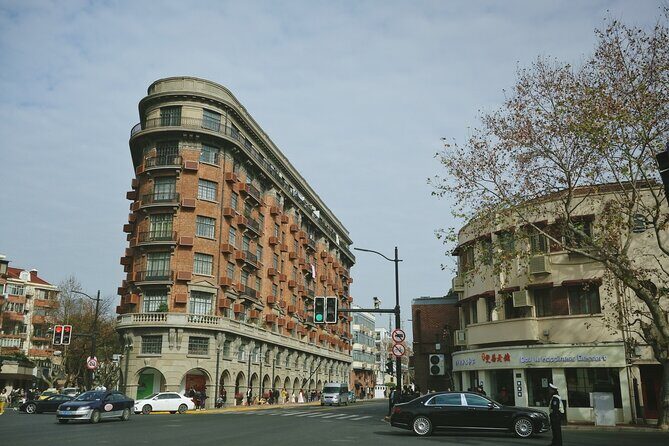
The tour starts at Okura Garden Hotel Shanghai on Mao Ming Nan Lu (Huangpu District). From the beginning, you’re in the right kind of setting for this walk: a mix of Shanghai’s upscale hotel present with a past tied to the French administration.
Stop 1 is the site connection to the former French Club. You’ll spend about 20 minutes here, and the practical value is that it gives you a starting anchor for how social life and institutions worked in the concession era. It’s the kind of opening stop that helps you stop seeing the buildings as random scenery and start seeing them as purposeful spaces.
Possible drawback: because it’s a quick start, you’ll want to arrive on time. If you’re late, you can miss the setup that makes the later stops click.
Jinjiang Hotel: where diplomacy history gets a street address
Next you head to the Jinjiang Hotel for a visit tied to a major moment in modern diplomatic history. This is where a Sino-US joint declaration on normalizing relations was announced, and the stop is roughly 20 minutes.
Even if you only remember the headline-level story, the tour’s approach helps you place it into the bigger picture of Shanghai’s 20th-century role. You’re not just reading about politics—you’re standing in the kind of location where important announcements happened because Shanghai was a crossroads city.
This stop can feel slightly more “official-history” than “neighborhood-life,” so if you want a heavy dose of street-level architecture, treat this as your context-building chapter before the walk shifts toward lanes and residential compounds.
Other walking tours we've reviewed in Shanghai



Wenhua Cultural Square: stepping into the former French racecourse
Stop 3 is 文化广场 (Wenhua Cultural Square), connected to the former French racecourse. You’ll get around 20 minutes here, and it’s one of the more interesting stops because it helps you understand that the concession era wasn’t only about government offices and grand buildings.
Racecourses point to leisure culture—how communities spent time, how status played out in public spaces, and how the French presence shaped social life in Shanghai. It’s a good reminder that historical influence shows up not just in walls, but in routines and recreation.
If you’re the kind of traveler who likes story connections, this stop is where the tour starts to feel like more than a photo walk. You’ll likely connect the dots between buildings and the lifestyles that used them.
Huaihaifang lanehouse compound: local architecture with everyday meaning
Then the tour moves to Huaihaifang, described as a local lanehouse compound. Expect about 20 minutes. This is where the tour’s balance really matters: you’re not only looking at concession-era “prestige” structures.
Lanehouses are important because they show you how Shanghai households lived at street scale. The best part of this stop is the shift from institutional history toward neighborhood patterns—who lived where, how compounds are organized, and how older residential forms still shape the feel of the city.
Possible drawback: if you’re hoping for interiors or guided access to private spaces, don’t assume you’ll see everything inside. The tour keeps it focused and time-efficient, so you’ll get the main story and the exterior/compound context rather than a long deep look.
Sinan Mansions: 51 art-deco residential blocks remade into trendy venues
Stop 5 is Sinan Mansions, one of the most visually satisfying areas on the route. The tour frames it as a remodeled site originally made from 51 art-deco style residential blocks, now transformed into a compound of trendy venues with cool vibes and spaces for browsing.
This stop is where you get architecture you can actually see clearly: the style cues, the building rhythm, and the way the space is used today. You’ll likely enjoy this more if you like photo-friendly facades and if you enjoy shopping and coffee culture after a tour.
The “remade” part also matters historically. It gives you a chance to think about preservation versus reinvention—what gets kept, what gets replaced, and how older structures stay useful in a modern city.
Xintiandi finish: why this ending makes your afternoon easier
The tour ends at Xintiandi on Madang Road, near the South Huangpi Road subway station. This is a neighborhood built from what the tour describes as a dilapidated old lanehouse area, later remodeled into today’s mix of cafes, souvenir stores, and galleries.
Ending here is smart because the tour isn’t trying to keep you walking forever. You finish where it’s easy to turn your tour knowledge into your own plan—sit down, grab a drink, browse, or continue exploring nearby streets at your pace.
If you’re traveling with a tight schedule, this finish is also convenient. You can hop on public transportation quickly, and you’re not stuck at a far-off hotel complex where the afternoon runs out.
Why Bill’s approach is the difference-maker
Several reviews consistently highlight that Bill is engaging, patient, and funny, and that he mixes facts with personal anecdotes as a Shanghai native. That matters because “French Concession history” can turn into dates on a page fast.
Bill’s style seems to keep the stories grounded in place. You’re walking past real addresses, so his explanations make visual sense: what you’re seeing, why it was there, and how Shanghai’s identity shifted over time.
Reviews also mention that Bill helps with photos, which is a practical bonus. Even if you’re not a serious photographer, it helps when someone points out the best angles while you’re already in the right spot.
Who this walking tour suits best
You’ll probably enjoy this tour if:
- You like history that connects to street scenes, not just museum walls.
- You want a guided walk that ends in a fun area like Xintiandi.
- You’re comfortable with a tip-based format and want a guide who’s doing the work in the moment.
You might skip it if you:
- Hate the idea of tipping at the end and prefer fully fixed pricing.
- Want long stays at each site rather than quick, efficient visits.
Should you book Bill’s Fantastic Tour?
If you want an efficient, high-impact way to understand Shanghai’s French Concession and you like walking stories you can feel in the architecture, I think this is a strong choice. The combination of an English-speaking guide named Bill, multiple historic-era anchors, and a practical finish in Xintiandi makes it easy to turn into a half-day plan.
Just go in with one mindset: you’re paying a small amount to reserve your spot, then you’re choosing how generous to be based on your satisfaction. If you’re fine with that—and you bring comfortable shoes and a weather-friendly day—this tour can be one of the most worthwhile ways to get your bearings fast.
FAQ
Is this tour fixed-price or tip-based?
This experience is tip-based. The amount you pay when booking reserves your spot. At the end of the tour, you give the guide a gratuity based on your satisfaction, with a recommended range of 150–300 yuan per person.
How long is the French Concession walking tour?
It runs for about 2 hours 30 minutes (approx.).
What is included in the price?
The tour includes a professional English speaking guide.
What stops are included on the route?
The tour visits six main stops: Okura Garden Hotel Shanghai (former French Club site), Jinjiang Hotel (Sino-US joint declaration announcement connection), 文化广场 (former French racecourse), Huaihaifang lanehouse compound, Sinan Mansions, and Xintiandi.
Are admission tickets required for the stops?
The itinerary indicates admission ticket free for each listed stop.
Where does the tour start and where does it end?
It starts at Okura Garden Hotel Shanghai (58 Mao Ming Nan Lu) and ends in Xintiandi at 123 Madang Road, near the South Huangpi Road Subway station.
Does it require good weather?
Yes. The experience requires good weather. If it’s canceled due to poor weather, you are offered a different date or a full refund.
What about cancellation?
You can cancel for a full refund up to 24 hours in advance of the experience start time.
Is there a mobile ticket?
Yes, the tour uses a mobile ticket.
FAQ
How many people are in a group?
The tour has a maximum of 100 travelers.
If you want, tell me your travel month and where you’re staying in Shanghai, and I’ll suggest the easiest way to time your subway stops around the start at Okura Garden Hotel and the finish at Xintiandi.