REVIEW · SHANGHAI
Charming Shanghai French Concession Mini-group Walking Tour
Book on Viator →Operated by Eastbound and Beyond · Bookable on Viator
Shanghai’s French Concession has a split personality. It swings from Paris-like gardens to local backstreets, all on a 3-hour walk with a small group (max 10). You’ll cover big names like Tianzifang, plus calmer side lanes where everyday life still shows through, and you get a complimentary coffee or beverage to keep the energy up.
What I like most is the way the route mixes architecture, street scenes, and lived-in corners of Shanghai, instead of just checking boxes. I also like that the tour is built for conversation, and the guides mentioned in past experiences—people like Rachel, Max, Sophia, Emma, and Sophie—bring in specific historical context and answer questions in plain English. One thing to consider: it’s a proper walking tour (about 3–4 km total), and it depends on good weather.
If you want a quick way to understand why this neighborhood still looks and feels European, this is a solid bet. If you’re coming with mobility limits or you hate walking around in heat or rain, you may want to plan a lighter day.
In This Review
- Key Highlights Worth Your Time
- Where the French Concession Feel Starts: Fuxing Park’s Paris-Sized Moment
- The Small-Group Flow and How Your Guide Makes It Click
- Sinan Mansions: Villas, Gardens, and What Elites Built
- 复兴坊: Local Alley Life That Keeps Moving
- InterContinental Shanghai Ruijin and the Morris Garden Story
- Shaoxing Lu: The Tree Tunnel and Shanghai’s Literary Street Side
- Tianzifang at the End: Art Shops Inside Old Lanes
- The Café Stop: Coffee or Beverage to Keep You Comfortable
- Price and Value: Why $39 Can Make Sense Here
- Who This Tour Suits Best (and Who Might Skip It)
- A Few Practical Watch-Outs Before You Go
- Should You Book This French Concession Mini-Group Walk?
- FAQ
- How long is the walking tour?
- How many people are in the group?
- Where do I meet the guide, and where does the tour end?
- What’s included in the price besides the guide?
- Is the tour ticket mobile?
- Is pickup or drop-off provided?
- What happens if the weather is bad?
Key Highlights Worth Your Time
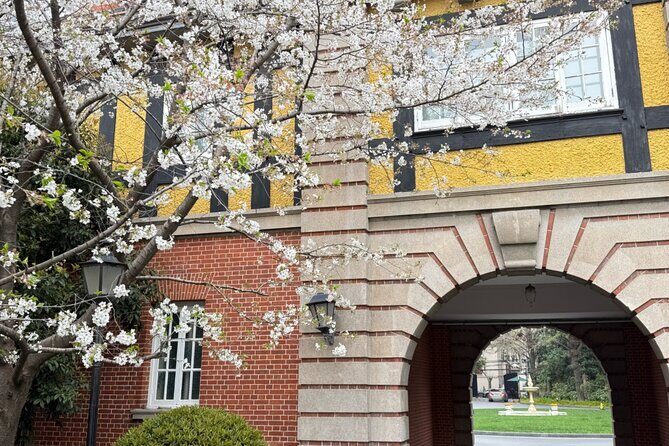
- Tree-lined streets with a mix of formal parks and narrow local alleys
- Fewer than 10 people, so you can ask questions and not get lost in the group
- Tianzifang at the end, where art studios and boutique shops sit right inside older lanes
- A coffee or beverage stop that breaks the walking rhythm without turning it into a long detour
- Colonial-era details plus modern China context, explained through buildings you can actually see
Where the French Concession Feel Starts: Fuxing Park’s Paris-Sized Moment
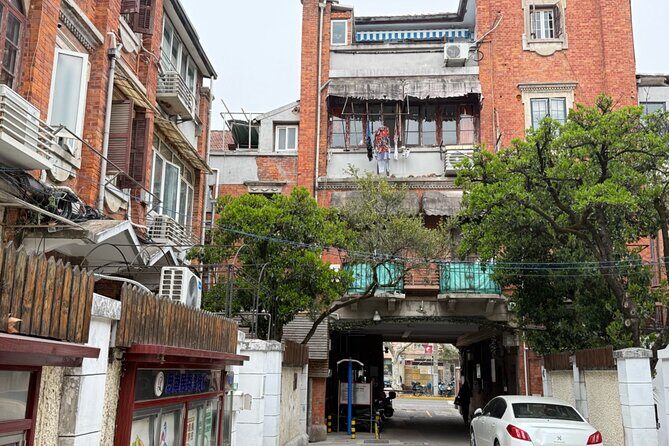
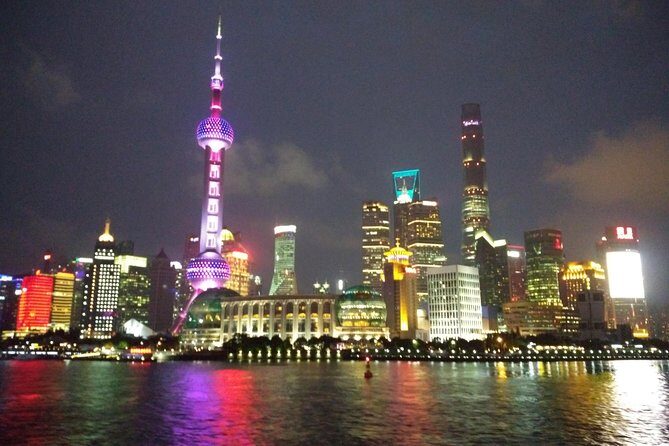
Most people come to Shanghai for skyscrapers. This tour reminds you the city also grew up on softer edges—trees, paths, and places designed for strolling.
You begin at Fuxing Park, a spot that can feel more Paris than Shanghai thanks to its formal layout, sunken gardens, and a grand fountain. In one place, you get the contrast the French Concession is famous for: European-style planning laid over a city that went through wars, political shifts, and constant change.
The park is also a good warm-up. The walking pace is friendly at the start, and you’ll be watching people long before you start reading plaques like it’s school.
Other French Concession walks we've reviewed in Shanghai



The Small-Group Flow and How Your Guide Makes It Click
This is not a bus tour with headset noise. It’s a guided walking tour with an English-speaking local guide and a maximum of 10 guests, which usually means fewer bottlenecks at each stop and more time to ask questions.
You start at 复兴公园西门 (Fuxing Park West Gate) at 9:00 am, and you’ll end in Tianzifang (near 210 Tai Kang Lu). The tour uses a mobile ticket, and the meeting area is listed as near public transportation, which matters because Shanghai is easy to navigate but not always easy to guess on the first try.
One practical tip: because you’re meeting at a named park gate, arrive a few minutes early. Shanghai is orderly, but you’ll waste less time if you confirm the exact start point before the group gathers.
And yes, the guides can vary by date. Past feedback specifically mentions guides such as Max, Rachel, Sophia, Emma, and Sophie, and their shared theme is clear: they connect buildings to the people who lived behind them. That’s the difference between seeing architecture and understanding why it exists.
Sinan Mansions: Villas, Gardens, and What Elites Built
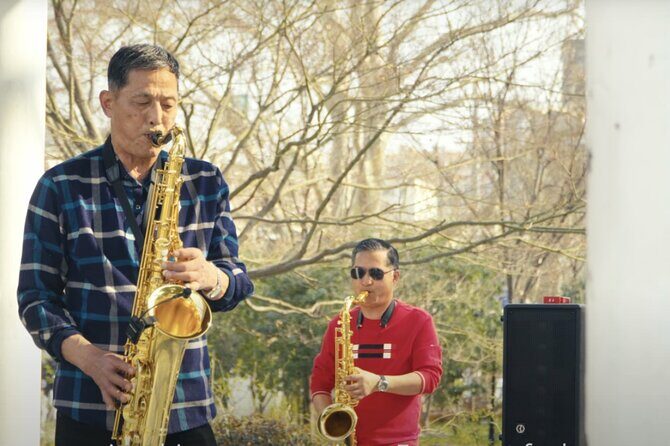
Next you move into Sinan Mansions, a western-style residential area that today is known for luxury hotels and fancy restaurants. The setting is the point: charming villas scattered through lush greenery, like a neighborhood designed to slow you down.
Here’s why this stop matters. You’re not just looking at old houses. You’re seeing how wealth and foreign influence once shaped the layout and feel of Shanghai’s neighborhoods—tree-lined, planned, and built for private life.
A drawback at this stop: because it’s upscale in the present day, you may not be able to explore inside every property. The value is in the outside view, the street rhythm, and the guide’s explanation of how the space used to function.
复兴坊: Local Alley Life That Keeps Moving
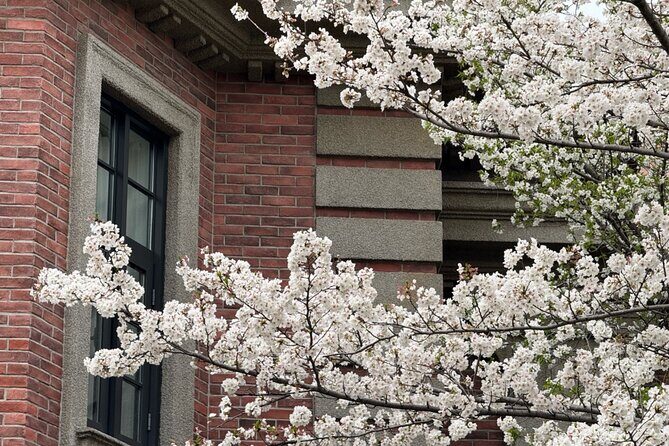
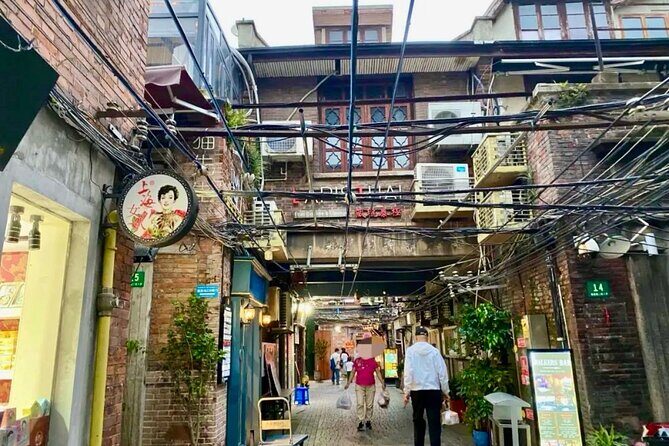
Then comes the real “wait, this is Shanghai” moment: 复兴坊 (Fuxing Fang). This is where the tour turns from elegant formality to everyday lived-in streets.
You’ll walk through a quiet alley where locals still reside. Past descriptions include scenes like elderly women hanging laundry in passageways and grandfathers cycling through narrow lanes to pick up grandchildren from school. That’s the kind of detail that makes history feel less like a textbook and more like a daily routine.
If you want to understand how a colonial-era neighborhood survived into the present, this stop does it. You’re seeing the layers: old structures, modern routines, and the way city life adapts.
Tip: take a slow walk here. The alley streets can feel tighter than the major roads you came from, and it’s easy to rush past what makes the place human.
InterContinental Shanghai Ruijin and the Morris Garden Story

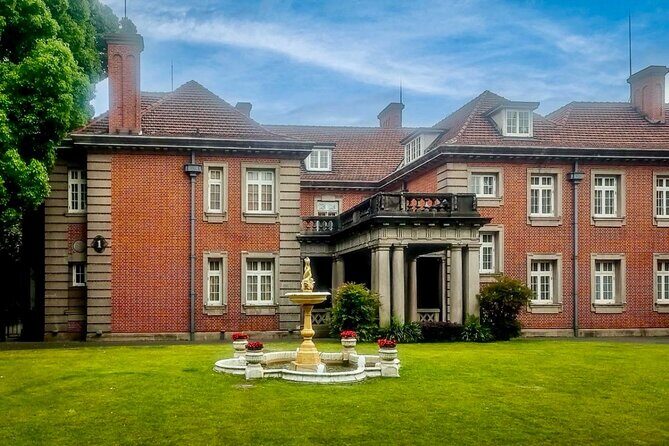
At InterContinental Shanghai Ruijin, you’ll hear how the area connects to a former estate known as the Morris Garden—named after an extremely wealthy family in the past. Even though this is now a high-profile hotel environment, the historical setup was private and green: the entire block was once part of that estate, with a lot of greenery shaping how the area felt.
This stop is useful because it shows you a pattern in Shanghai: historic private space often gets repurposed, but the original intention—privacy, greenery, and a controlled environment—still echoes through the layout.
One consideration: if you’re expecting access to deep interior grounds, plan to focus on the walk and the exterior block experience rather than full exploration.
Other walking tours we've reviewed in Shanghai




Shaoxing Lu: The Tree Tunnel and Shanghai’s Literary Street Side
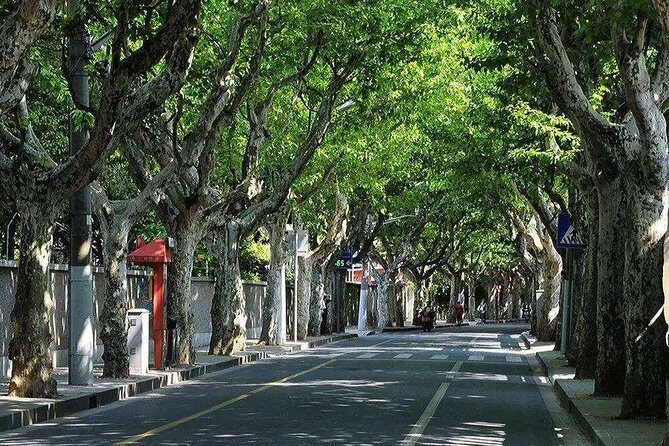
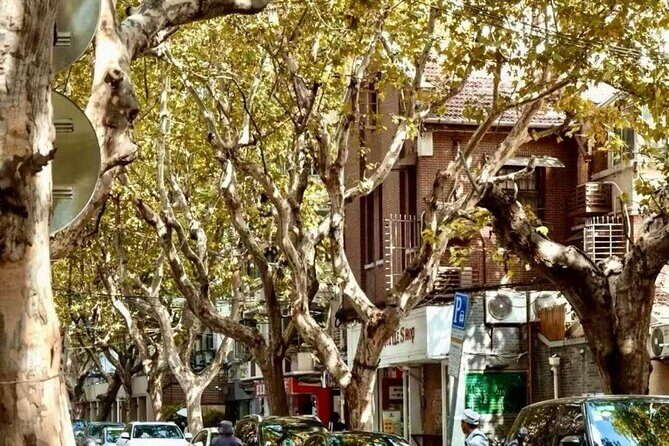
Next is Shaoxing Lu, described as a quaint narrow street with a tunnel of trees. It also has a reputation as one of Shanghai’s most “literary” streets—home to more than half of the city’s publishing houses at one point, plus local opera houses and bookstores.
This is one of those stops that feels small but gives you a lot. Publishing and performance matter because they connect power, ideas, and the everyday culture of a place. You’re not only learning about foreign influence here—you’re seeing how Shanghai developed as a hub of communication and culture.
Why it works on a walking tour: you can stand right where people once worked, look up at the tree canopy, and imagine the daily rhythm of readers, writers, and performers moving through the area.
Tianzifang at the End: Art Shops Inside Old Lanes
The tour ends at Tianzifang, a neighborhood that turned into an art district with boutique shops set inside older alleys. Think of it as a place where you can keep wandering after the guided portion, because it’s designed for browsing.
This ending is a smart choice. The tour spends the first half helping you understand the French Concession’s layout and social layers. Then Tianzifang lets you see what that kind of old-lane environment becomes once it’s repurposed—still residential in feel, with shops and art-craft studios woven into the streets.
Because Tianzifang is shop-and-stroll territory, you’ll get the best value if you save time for a casual walk after you finish. You’re not just leaving the tour—you’re being dropped into a place that rewards slow wandering.
The Café Stop: Coffee or Beverage to Keep You Comfortable
About midway through, you’ll take a break at a cozy café and get a complimentary coffee or beverage. This is more than a perk. On a 3-hour walk, it helps reset your attention, especially when you’re switching from parks and estates to tighter alley lanes.
You’ll also receive a local restaurant recommendation brochure. That’s one of those “small, useful” inclusions that helps you plan dinner without hunting too much on an unfamiliar side of town.
If you’re sensitive to timing, remember the coffee stop means the tour is paced for comfort, not speed. That’s generally a win.
Price and Value: Why $39 Can Make Sense Here
At $39 per person for about 3 hours and roughly 3–4 km of walking, this tour is priced for a full guide-led experience, not a quick glance at a few landmarks.
Here’s what you’re getting for the money:
- A local English-speaking guide (the real driver of value)
- A small-group format (max 10), which makes questions and discussion more realistic
- Multiple distinct stops with different “faces” of the French Concession, from formal gardens to daily-life alleys
- A complimentary coffee or beverage to keep the day comfortable
- A restaurant recommendation brochure so you don’t end your trip hungry and confused
One sign it’s popular: it’s typically booked about 32 days in advance on average. Not mandatory, but it’s a hint that dates can fill up.
Who This Tour Suits Best (and Who Might Skip It)
This tour fits best if you like your travel education to be visual and walkable. If you’re interested in architecture, neighborhood layout, and how different social classes shaped city blocks, you’ll get a lot from the route.
It also works well for:
- First-time visitors who want a guided orientation to Shanghai beyond the skyline
- People who like smaller groups and conversation
- Expats or returning visitors who want to compare old influence with today’s daily street life
If you prefer a purely landmark-focused day, this might feel more like “city atmosphere with history,” not a checklist of major monuments. And if your legs are not happy with 3–4 km of walking, you’ll probably feel it.
A Few Practical Watch-Outs Before You Go
Wear comfortable shoes. The tour notes about 3–4 km of walking, and the streets change from park paths to narrow lanes where footing matters.
Weather matters, too. The tour runs in all weather except extreme conditions, but it explicitly requires good weather. If conditions are poor, you’ll be offered a different date or a full refund.
Finally, plan your finish. Ending at Tianzifang means your transport or next stop should be ready. It’s a great end point for wandering, but it’s not the same as ending near a major subway hub you might have chosen earlier.
Should You Book This French Concession Mini-Group Walk?
Yes—if your goal is to understand Shanghai’s layers instead of just photographing buildings. The small group size, the varied stops, and the way the guide ties colonial-era planning to everyday life are the big reasons this works.
If you’re the type who likes your history in context—parks, estates, alley routines, and a tree-lined street named for books—this is a strong match. If you want a low-walking day or you’re traveling with tight mobility constraints, you might get more comfort from a shorter or more accessible option.
FAQ
How long is the walking tour?
It lasts about 3 hours.
How many people are in the group?
The tour is kept intimate, with no more than 10 guests.
Where do I meet the guide, and where does the tour end?
You start at 复兴公园西门 (Fuxing Park West Gate) and the tour ends at 210 Tai Kang Lu, with the finish in Tianzifang.
What’s included in the price besides the guide?
You get a coffee or beverage at the café and a local restaurant recommendation brochure.
Is the tour ticket mobile?
Yes, you use a mobile ticket.
Is pickup or drop-off provided?
No, pick-up and drop-off are not included.
What happens if the weather is bad?
The experience requires good weather. If it’s canceled due to poor weather, you’ll be offered a different date or a full refund.