REVIEW · SHANGHAI
Shanghai Mahjong Experience: Discover Art of Chinese Mahjong
Book on GetYourGuide →Operated by Hippo Tour Shanghai · Bookable on GetYourGuide
Four tiles can change your Shanghai day. This 3-hour Chinese Mahjong experience mixes hands-on practice with culture, taught by an instructor plus a professional Mahjong master, and explained in English by a translator. It’s a fun way to slow down and learn a game that’s deeply social in China.
What I like most is the setup for first-timers. You get clear rules and strategy guidance, then you’re not stuck watching from the sidelines. I also like the location and feel: the meeting point is No. 327 Shan Xi Nan Road (Chinese Tea & Bar), in the former French Concession area near Tianzifang, so the experience naturally fits a Shanghai evening out.
One consideration: drinks and food aren’t included, so if you want the full tea-house vibe with snacks, plan to pay extra on the spot.
In This Review
- Key Highlights to Know Before You Go
- Where You Learn: Shan Xi Nan Road Tea House Near Tianzifang
- 3 Hours With an English Translator and Mahjong Master
- The Mahjong Basics You Can Use in the Same Session
- Automatic Mahjong Machines: Why They Matter
- Why Mahjong Is More Than a Game in Chinese Society
- The Tea-House Experience: What Makes the Setting Worth It
- Price and Value: Is $112 Worth a 3-Hour Private Lesson?
- Who This Experience Suits Best
- Quick Practical Tips Before You Go
- Should You Book This Shanghai Mahjong Experience?
- FAQ
- Where is the meeting point for the Shanghai Mahjong experience?
- How long is the Mahjong experience?
- Do I need any prior Mahjong experience?
- Is the tour guide available in English?
- What does the price include?
- Will I get to play Mahjong during the session?
- Are drinks and food included?
- Is transportation included?
- Can I get a refund if I cancel?
Key Highlights to Know Before You Go
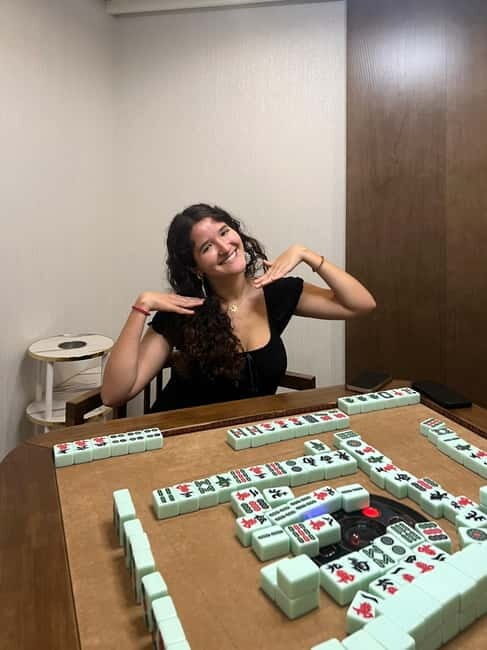
- Learn Mahjong from zero with guided instruction and practical play
- English translator included so the rules and strategy make sense fast
- Play with a Mahjong master and get feedback as you go
- Try automatic Mahjong machines, used in both casual and competitive settings
- Understand Mahjong’s role in family gatherings and everyday Chinese life
- Start from the tea house meeting point near Tianzifang for an easy night out
Where You Learn: Shan Xi Nan Road Tea House Near Tianzifang
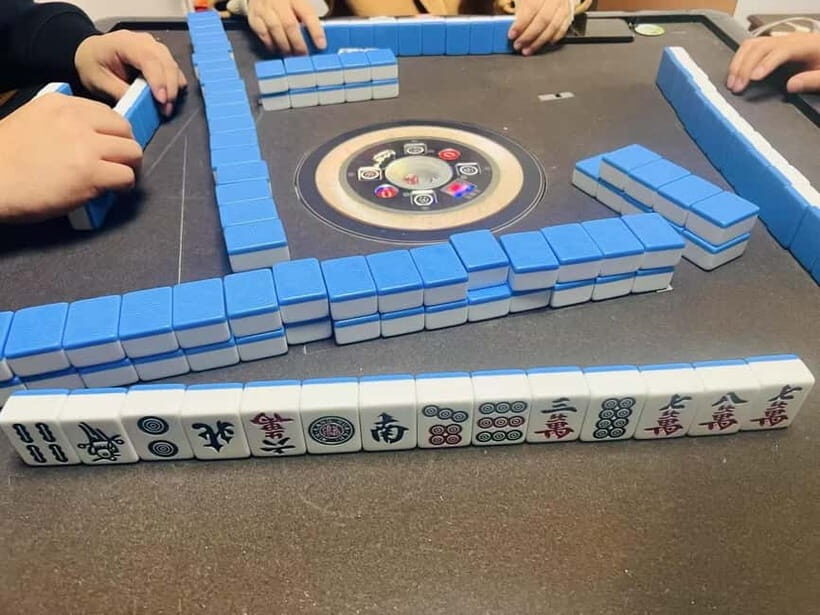
This experience is anchored at No. 327 Shan Xi Nan Road (Chinese Tea & Bar), close to Tianzifang in Shanghai’s former French Concession zone. That matters more than you might think. In a place like this, Mahjong doesn’t feel like a “show for tourists.” It feels like something people drop into for an evening—tea, conversation, and then the table goes quiet except for tile sounds.
The tea-house setting also helps you learn. When you’re dealing with a game that has lots of terms and patterns, a calm, comfortable room makes it easier to focus. One of the strongest signals from past participants is how much they enjoyed the atmosphere and the traditional tea setup, which pairs well with a game that’s meant to be social.
If you want to make it an easy plan, this location is convenient because it sits near a popular walkable area. You can build the rest of your day around the lesson, then treat Mahjong like your “signature cultural activity” instead of trying to cram in another museum.
If you're still narrowing it down, here are other tours in Shanghai we've reviewed.



3 Hours With an English Translator and Mahjong Master
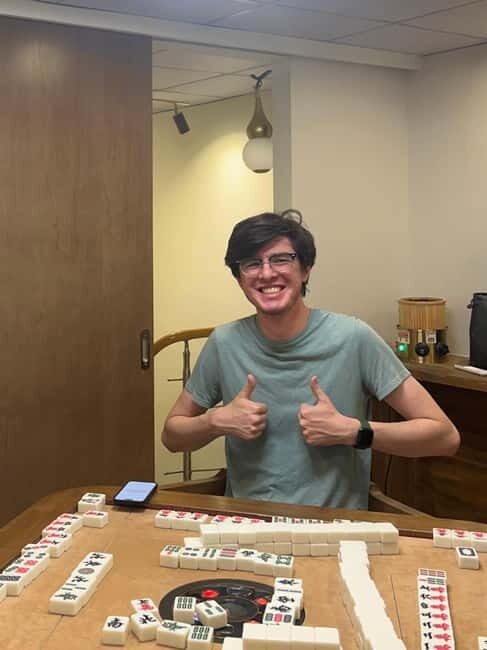
The heart of the experience is not just the game—it’s the teaching. You’ll have an experienced instructor guiding you through the rules and how to think about the strategy. On top of that, you get professional English translation so you’re not left guessing what a rule or concept means.
That translation layer is especially helpful because Mahjong has enough structure to be confusing if you only get a quick overview. With the English translator, you can ask questions and keep moving without slowing the group down.
You’ll also play with a professional Mahjong master. That’s the difference between learning a game and learning it the way people actually play it. The master is there to show how the game works at the table level: how decisions get made, what players pay attention to, and how the pace changes once you’re thinking beyond your first few moves.
And because this is a private group, the session can feel more personal than a classroom tour. You’re learning the rules, but you’re also getting the kind of pacing that helps you actually start using what you learn.
The Mahjong Basics You Can Use in the Same Session
You don’t need prior knowledge. The format is designed so you can walk in with an open mind and learn the basics without having already studied Mahjong at home.
In practice, that usually means three things are covered:
- How the hands are built, and what you’re trying to create
- How turns work, including what you do with tiles and how you recognize options
- What strategy means in plain language, so you understand not just what to do, but why
The best part is that you don’t just hear rules and then go away. You get hands-on practice during the session. That’s where Mahjong stops being intimidating. Once you start playing, the logic starts clicking—especially when a translator helps you connect the terms to the actions you’re taking.
Also, don’t expect Mahjong to feel simple immediately. Even players who start strong often take a little time before they can spot patterns quickly. One of the most useful takeaways from past participants is that after a while, it starts to become manageable, and the game turns into a new skill you can actually carry with you.
Automatic Mahjong Machines: Why They Matter
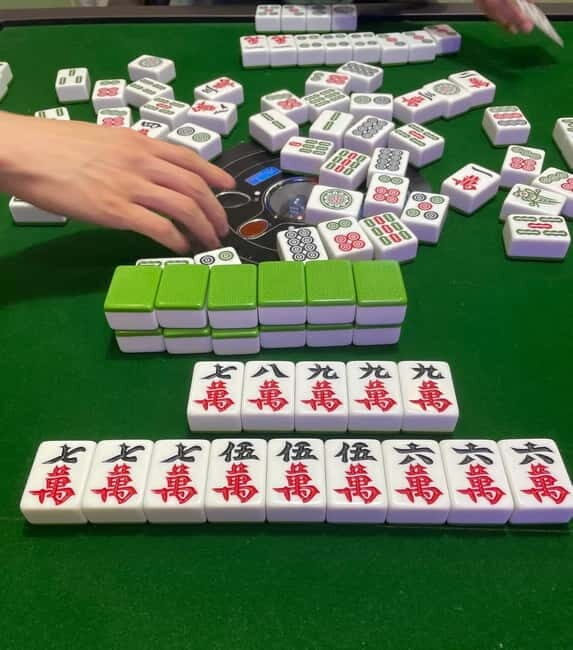
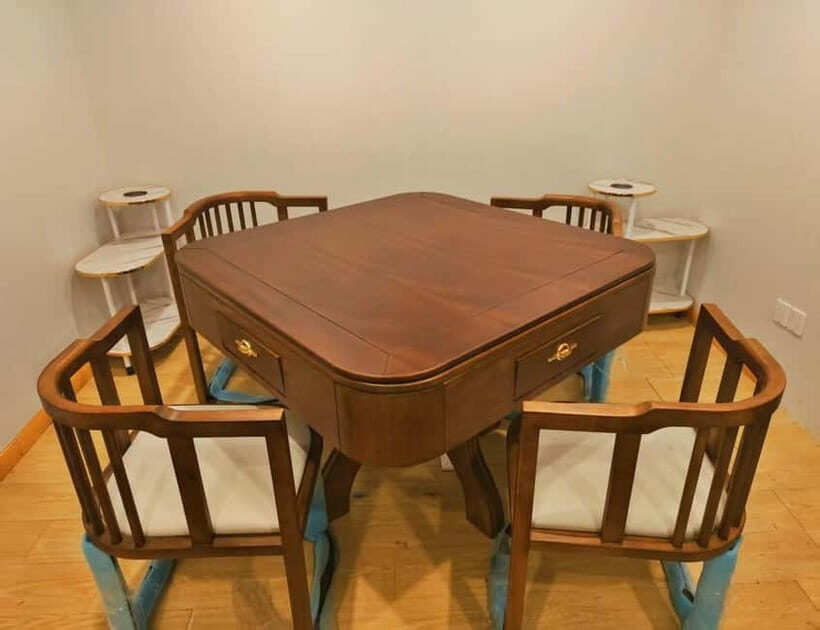
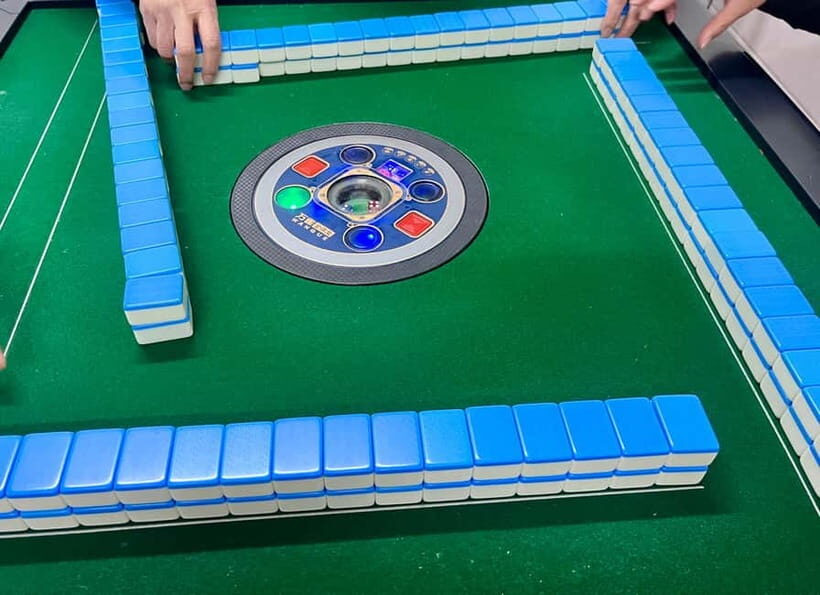
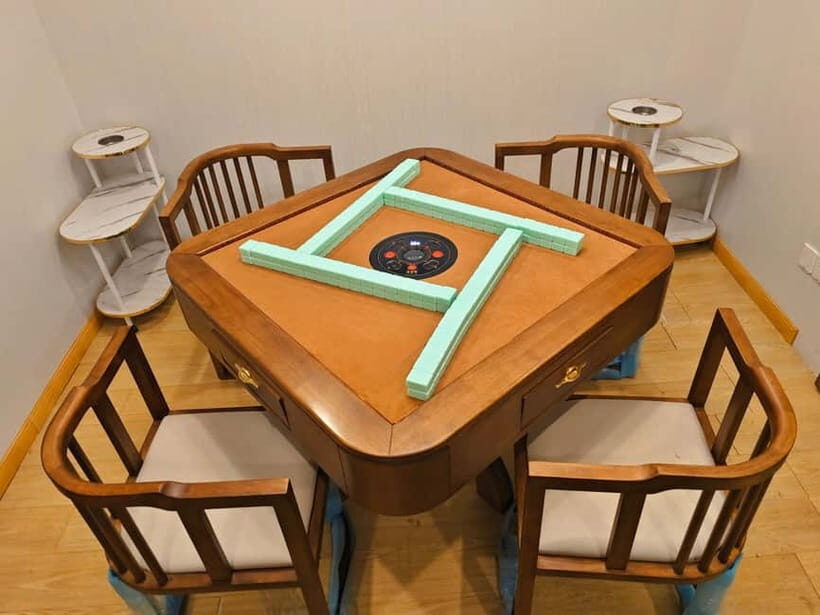
You’ll get to experience China’s automatic Mahjong machines, which are used in both casual and competitive play. This is worth paying attention to because it changes how the game feels.
Automatic machines handle some of the repetitive physical steps, so you spend less time worrying about setup and more time watching patterns, reading the table, and deciding what to play. That’s useful for learners. It can help you focus on the thinking parts of Mahjong rather than getting bogged down in the mechanics.
At the same time, automatic play isn’t identical to a traditional human table experience. You might find the rhythm is different, and the way decisions are prompted can feel a little more structured. Still, it’s a realistic look at how Mahjong is played in modern settings, not just an old-school tradition frozen in time.
Why Mahjong Is More Than a Game in Chinese Society
Mahjong isn’t only about winning. It’s a social engine. This lesson is built to show you that—why Mahjong keeps showing up in everyday life and why it fits naturally into gatherings.
You’ll learn why Mahjong is often considered an essential part of family gatherings. In other words, it’s not just entertainment; it’s a way for people to spend time together while doing something everyone understands. There’s conversation, teasing, shared rhythm at the table, and a relaxed kind of focus that doesn’t require you to be an expert in anything else.
You’ll also cover Mahjong’s history and its role in Chinese society—how it developed over time and why it became one of the most widely played leisure activities. The point isn’t to turn the session into a textbook. It’s to help you see the game in context so you understand why people take it seriously and why it can also be fun for beginners.
If you like cultural activities that teach you how locals actually spend time, this part is the payoff. You’re not just learning the rules; you’re learning the social meaning behind the tiles.



The Tea-House Experience: What Makes the Setting Worth It
The lesson takes place at a tea-house location, and that’s not just a convenient meeting spot. The tea-house vibe makes the session feel grounded in Chinese everyday culture. One participant highlighted the ambiance and the tea selection served in a traditional Chinese fashion, plus how welcoming locals made the learning and playing feel natural.
That matters because Mahjong is a game that benefits from calm focus. If the setting is too loud or too rushed, you lose the chance to learn comfortably. A tea-house atmosphere gives you that middle ground: you’re in a real place with real cultural rhythms, but you still get guided teaching and a comfortable pace.
Also, remember this: drinks and food aren’t included. So if you want to fully enjoy the tea-house part, decide in advance whether you’ll treat the tea as an optional add-on or a major part of your evening plan.
Price and Value: Is $112 Worth a 3-Hour Private Lesson?
At $112 per person for a 3-hour private experience, you’re paying for more than tiles and rules. You’re paying for:
- Instruction from an experienced Mahjong teacher
- A professional English translator/guide, so learning is fast and accurate
- Hands-on play that includes time with a Mahjong master
- Time spent learning not just how to play, but the context behind the game
- An opportunity to use automatic Mahjong machines
If you were to try learning Mahjong on your own in Shanghai, you’d either spend time Googling unclear rules, or you’d hire a teacher without translation support. This format bundles everything into one guided session where the goal is practical understanding by the end.
Whether it’s worth it for you comes down to one question: do you want Mahjong as an experience you can talk about and use immediately, or do you want a casual activity you might figure out later? If you want the first option, the pricing feels reasonable for a private, language-supported lesson with a master and a teaching focus.
Who This Experience Suits Best
This Mahjong session is a strong fit if:
- You’re new to Mahjong and want clear instruction without feeling lost
- You want something cultural that doesn’t require previous knowledge or advanced skills
- You like interactive learning where you practice right away
- You appreciate an English-supported explanation so you can follow strategy, not just motions
- You’re doing a Shanghai itinerary heavy on sights and want a calmer evening with a real local activity
It’s also a great choice if you’re the type of traveler who enjoys learning a game with social meaning. Mahjong works well as a “take-home skill” because once you understand the basics, you can keep practicing and comparing strategies with friends.
And if you’re traveling as a small group or want a more tailored pace, the private group format helps.
Quick Practical Tips Before You Go
- Bring a curious mindset. Mahjong is rule-heavy, and your best progress will come from asking questions when you’re unsure.
- Plan for tea-house spending if you want snacks or drinks, since those are not included.
- Set aside the full 3 hours so you can actually learn and play, not just rush through the basics.
- Wear comfortable clothing. You’ll be seated for a while at the table.
Should You Book This Shanghai Mahjong Experience?
Yes, if your goal is to learn Mahjong in a way that’s structured, explained in English, and grounded in real Chinese social culture. The private format, the English translation, and the chance to play with a Mahjong master make it feel like more than a casual lesson.
Skip it only if you’re looking for a low-cost, self-guided activity where you handle everything independently. This is built around coaching, context, and hands-on play—so you’ll get the most value when you’re ready to learn at the table.
If you want a Shanghai night that feels local and gives you a skill you can keep, this is the kind of experience that delivers.
FAQ
Where is the meeting point for the Shanghai Mahjong experience?
Your guide will wait for you at No. 327 Shan Xi Nan Road (Chinese Tea & Bar). There’s also a Metro Line 9/12 option: Jia Shan Road Exit No. 2 first.
How long is the Mahjong experience?
It lasts 3 hours.
Do I need any prior Mahjong experience?
No. The experience is designed for beginners, and it states that no prior knowledge is needed.
Is the tour guide available in English?
Yes. The live tour guide is English, and the experience includes professional English translation/assistance.
What does the price include?
It includes comprehensive Mahjong instruction and a professional English translator/guide.
Will I get to play Mahjong during the session?
Yes. You’ll play Mahjong with a professional Mahjong master, and you’ll also experience automatic Mahjong machines.
Are drinks and food included?
No. Drinks and food are not included.
Is transportation included?
Transportation is not included. Pickup and drop-off can be arranged upon request for an additional cost.
Can I get a refund if I cancel?
Yes. Free cancellation is available up to 24 hours in advance for a full refund. There’s also a reserve now & pay later option.