REVIEW · SHANGHAI
Shanghai: Chinese Tea Ceremony Experience
Book on GetYourGuide →Operated by Shanghai Glopen Travel Agency · Bookable on GetYourGuide
Tea becomes a map of China. This Shanghai Chinese tea ceremony keeps it practical with blind tasting and a small group format that makes you slow down and actually notice aroma and texture.
I also love the hands-on Song Dynasty whisking and brewing lesson, because it turns tea from something you order into something you can repeat at home. The one clear drawback: it isn’t suitable for wheelchair users and it’s not designed for people with food allergies.
In This Review
- Key things I’d circle before you book
- Shanghai tea ceremony basics: why this one feels worth your time
- Your 3-hour flow: from welcome to blind tasting
- Taste three major tea categories, not just random samples
- Song Dynasty whisking and brewing: why the technique matters
- Snacks, tea variety, and the photo dress-up moment
- Price and value: is $143 fair for 3 hours?
- Practical tips for your session (so you can taste better)
- What to bring
- What to do before you arrive
- Food allergies and restrictions
- Small behavior rules
- Where it’s held and how to find it
- Who should book (and who should skip)
- Should you book the Shanghai Chinese Tea Ceremony Experience?
- FAQ
- How long is the Shanghai Chinese Tea Ceremony Experience?
- How big is the group?
- What languages are the instructors?
- What’s included in the price?
- What’s not included?
- What’s the cost?
- What should I bring?
- Is this experience suitable for everyone?
Key things I’d circle before you book
- Blind tasting that trains your senses before you learn what you’re drinking
- Three tea categories taught through aroma, taste, and mouthfeel
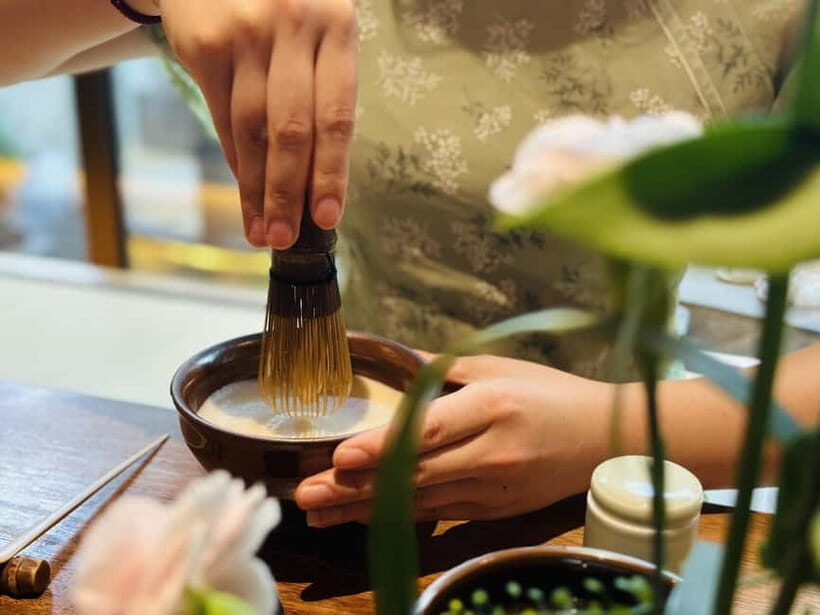
- Song Dynasty whisking and brewing in a small group setting
- English-and-Chinese instruction with a guide who explains the why, not just the how
- Tea plus snacks to keep the session comfortable and un-rushed
Shanghai tea ceremony basics: why this one feels worth your time
If you’ve only had tea as a drink, you’re missing half the experience. The big idea here is simple: you’re not just tasting. You’re learning how Chinese tea culture thinks. Aroma matters. Temperature matters. Texture matters. Even the order you taste things can change what you notice.
The format helps. You get a true guided session with an English, Chinese instructor and a small group limited to 8. That matters in a city with endless tours—smaller groups usually mean better questions, more attention on technique, and fewer awkward moments where you’re just watching.
And at this price point ($143 per person for 3 hours), you should expect more than a short talk. What you’re paying for is time with tea experts, multiple tastings, and the hands-on portion where you learn the whisking method rather than just hearing about it.
If you're still narrowing it down, here are other tours in Shanghai we've reviewed.


Your 3-hour flow: from welcome to blind tasting
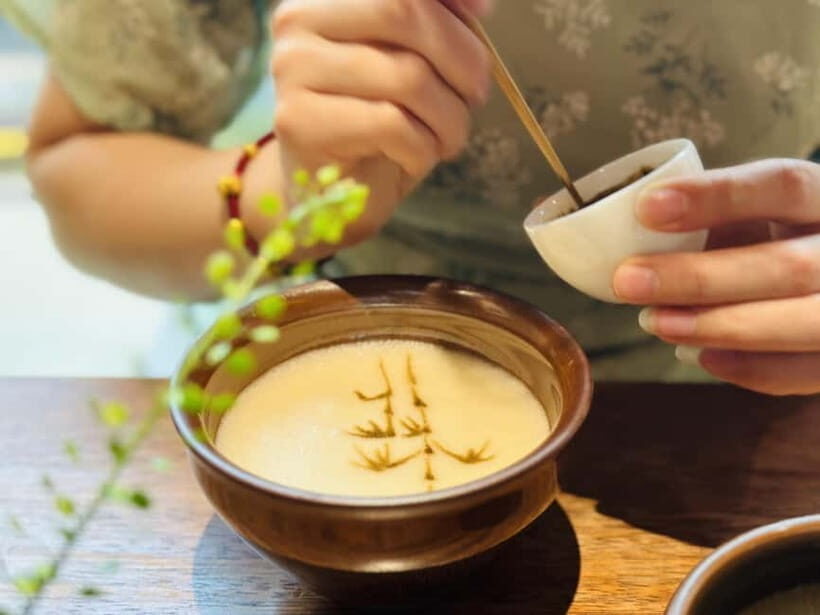
The experience is structured to build your senses in order, not all at once. It typically starts with a guided welcome and an introduction to how the session will work. Then you move into tastings designed to sharpen your attention.
The standout early moment is the blind tasting. You’ll sample different teas without first knowing what they are, so your brain can’t cheat by guessing from color, name, or expectations. Instead, you focus on what’s actually in the cup: the fragrance rising from the vessel, the first sip, the way bitterness or sweetness settles, and the finish that lingers.
That’s the real payoff. You learn to describe tea like a person who’s actually paying attention. For example, you’ll likely notice how some teas feel light and crisp while others feel rounder or more layered in the mouth. Once you taste blind, it’s easier to understand later explanations because you already have sensory “notes” to match them to.
After the tasting portion, you’ll shift from “notice and compare” to “learn and practice,” which keeps the 3-hour timeline from dragging.
Taste three major tea categories, not just random samples
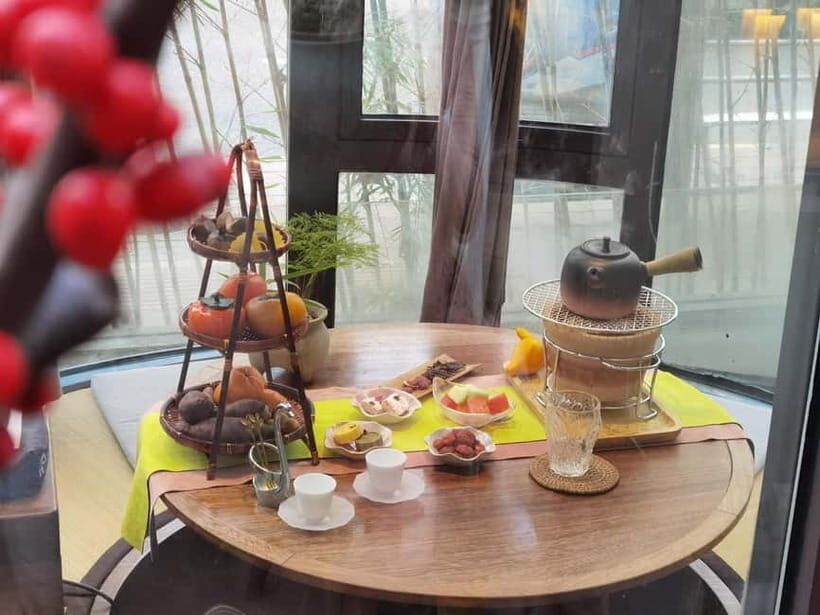
One of the main reasons I’d put this tour on your shortlist is that it covers China’s three tea categories through a tasting approach. Instead of bouncing between unrelated cups, the guide focuses you on what each category tends to bring to the table—flavor, aroma, and texture.
Here’s how this helps you as a traveler. It gives you a framework you can reuse later. Once you understand how the categories tend to behave in a cup, you’ll have an easier time ordering tea back in your hotel or spotting what you like when you see menus in Shanghai.
You’re not only sipping. You’re learning what to look for, such as:
- Aroma patterns (how the scent changes from first whiff to the aftertaste)
- Flavor structure (not just “good” or “strong,” but where sweetness or bitterness shows up)
- Texture and body (how tea feels on the tongue)
This is also where the session connects tea to culture. A good explanation turns a taste into a story—how people historically treated tea as more than a beverage, and why rituals grew around it. In the best moments, the guide helps you connect the sensory side with meaning and tradition, so you leave with understanding, not just a souvenir cup.
Song Dynasty whisking and brewing: why the technique matters
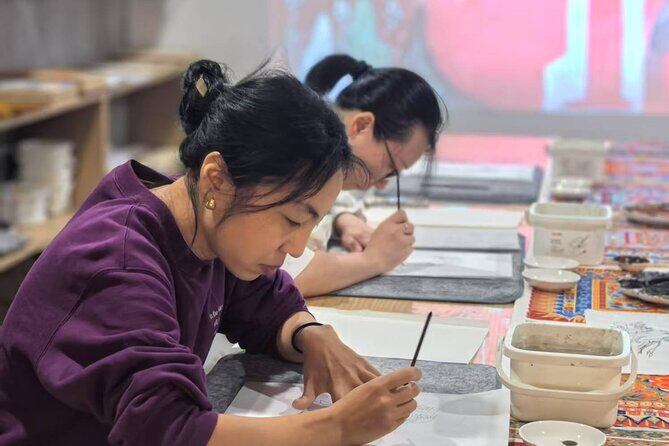
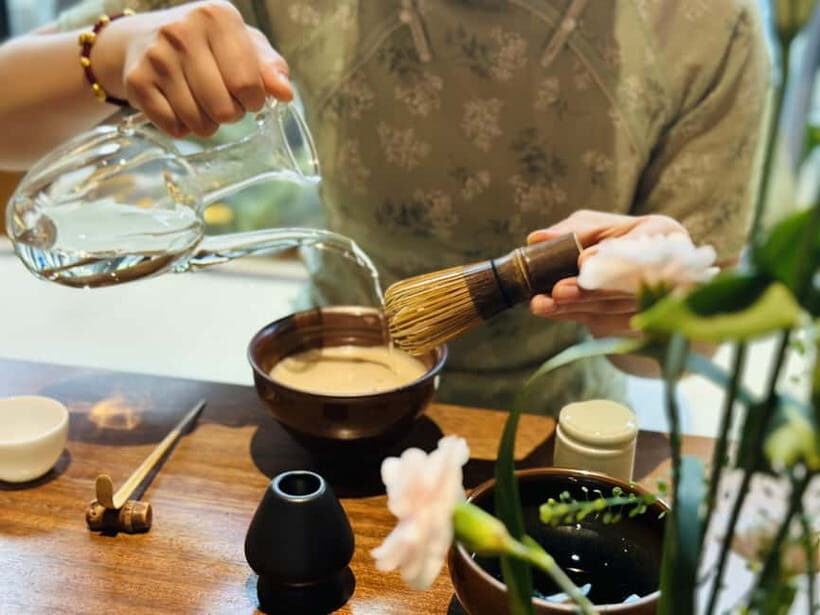
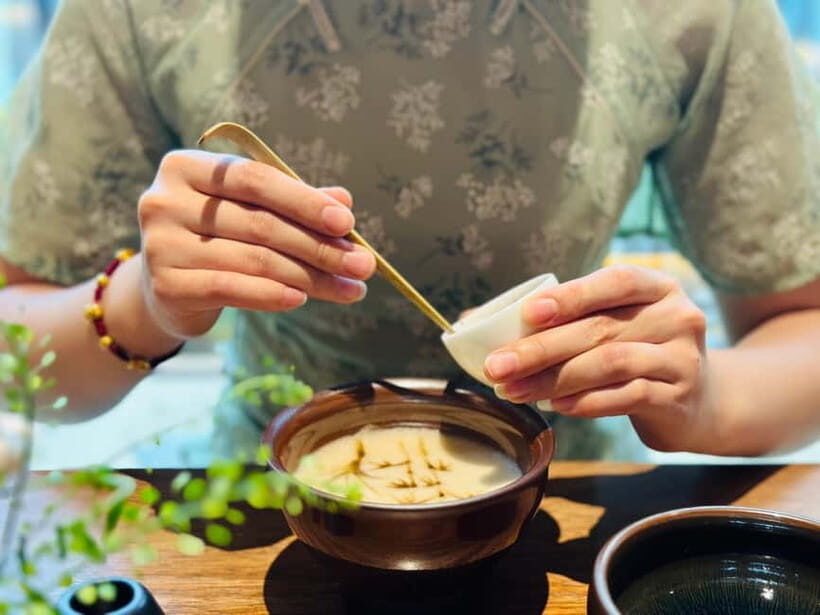
The hands-on part is what most people remember, and for good reason. You’ll learn the art of Song Dynasty tea whisking and brewing in a small group setting. This isn’t just theater. You get the chance to practice the method with guidance.
The value here is that whisking changes the cup. It affects how tea looks, how it mixes, and how it feels when you sip. Even if you’ve had “whisked” tea before, learning the technique step-by-step with a teacher helps you understand what you’re seeing and tasting—rather than treating it as a black box.
A few practical benefits you’ll feel during the lesson:
- You slow down and follow directions carefully, which improves your tasting accuracy
- You see how preparation affects flavor and texture
- You get confidence, because you’re not just watching someone else perform
And this style of class tends to be especially satisfying for people who like doing something with their hands while still getting context. The group is small enough that you’re not stuck waiting your turn for too long, and the instructor can correct your approach when needed.
Snacks, tea variety, and the photo dress-up moment
Included with your ticket are tea tastings plus snacks, which sounds basic until you’re in a room learning for three hours. It helps you stay comfortable, especially if you’re planning to explore Shanghai afterward.
The tea variety is also part of the experience quality. You’re not limited to one or two familiar styles. You get an assortment of Chinese teas, which makes the session feel like a real tasting journey rather than a short intro.
One extra detail worth noting: there may be an optional dress-up for photos. That’s not the main point of learning tea, but it can make the experience more fun for souvenir pictures, especially if you enjoy dressing for cultural themes.


Price and value: is $143 fair for 3 hours?
At $143 per person for a 3-hour session, the value comes from what’s bundled together:
- A tea expert guide (English and Chinese)
- An assortment of Chinese teas
- Snacks
- Blind tasting of multiple teas
- Instruction across three tea categories
- Hands-on Song Dynasty whisking and brewing
- A small group limited to 8 participants
A lot of tea experiences in big cities are either overly scripted (mostly lecture) or overly casual (mostly sampling, little explanation). This one’s priced to sit in the middle: you’re learning technique and tasting in a guided sequence.
If you’re a tea beginner, the structure helps you avoid information overload. If you’re already a tea person, the blind tasting and technique coaching give you something new to compare, not just another “try this” moment.
Also, consider your time. For 3 hours, you get a concentrated education without needing to research tea terminology for weeks first. In a vacation schedule, that’s real value.
Practical tips for your session (so you can taste better)
Tea tasting rewards preparation. Here are a few things that will make your experience easier and your senses sharper.
What to bring
- Comfortable shoes (you’ll want stable footing throughout the session)
- Camera (you may want photos, especially if dress-up is available)
- Snacks (you’re also provided snacks, but having your own can help if you’re sensitive to long sessions)
- Comfortable clothes
What to do before you arrive
- Avoid strong perfumes. This matters because scent can interfere with how tea aroma comes through.
Food allergies and restrictions
You should treat this as important: the experience is not suitable for people with food allergies. The provider also advises you to inform them of allergies or dietary restrictions before the activity. If you fall into any allergy category, double-check before booking and don’t assume they can customize everything.
Small behavior rules
Smoking is not allowed. Also, alcoholic drinks in the vehicle aren’t allowed. (Since transportation isn’t included, don’t worry about it unless you’re traveling with the group in any provided transit.)
Where it’s held and how to find it
The exact meeting point is shared after booking and it will be near the marked location. That’s normal for experiences like this in busy areas of Shanghai.
Because transportation to and from the activity isn’t included, plan to reach the meeting area on your own. Give yourself a little buffer time so you’re not rushing when the blind tasting starts—early minutes matter because your senses need to be fresh.
Who should book (and who should skip)
This tea ceremony fits best if you like:
- Guided learning that’s sensory, not just lecture
- Small-group activities where you can ask questions
- Trying multiple flavors and learning what you’re tasting
- Hands-on technique lessons, even if you’re a beginner
It’s also a good match for travelers who want a calmer, more local-feeling activity in Shanghai. Tea culture is quiet compared to loud city sightseeing, but it’s not passive. You’ll be actively tasting and practicing.
Skip it if:
- You use a wheelchair (not suitable)
- You have food allergies (not suitable)
- You’re looking for a high-energy, nightlife-style experience rather than a slow, focused class
Should you book the Shanghai Chinese Tea Ceremony Experience?
If you want a tea lesson that’s more than a basic tasting, I think you should book. The strongest reasons are the blind tasting structure and the hands-on Song Dynasty whisking and brewing—those two elements separate this from casual tea tours. Add the small group limit of 8 and instruction in English and Chinese, and it’s set up for real learning.
Book it if you’re curious, patient, and you enjoy details like aroma and texture. Don’t book it if you have food allergies or mobility needs that the format can’t support.
If you’re deciding between this and another Shanghai “tea” stop, ask yourself one question: do you want to learn a method you can repeat later, or just drink tea? This one is built for the first option.
FAQ
How long is the Shanghai Chinese Tea Ceremony Experience?
It lasts 3 hours.
How big is the group?
The group is small, limited to 8 participants.
What languages are the instructors?
The instructor speaks English and Chinese.
What’s included in the price?
You get a tea expert guide, an assortment of Chinese teas, and snacks.
What’s not included?
Transportation to and from the activity and personal expenses are not included.
What’s the cost?
The price is $143 per person.
What should I bring?
Bring comfortable shoes, a camera, snacks, and comfortable clothes. It’s also a good idea to avoid strong perfumes so you can better sense the tea aromas.
Is this experience suitable for everyone?
It isn’t suitable for wheelchair users, and it’s not suitable for people with food allergies. Smoking and alcoholic drinks in the vehicle are also not allowed.