Shanghai clicks fast with the right plan. This private day blends Zhujiajiao canal life with downtown landmarks, explained in plain terms by your guide. I like that it’s built for understanding Shanghai, not just collecting photos.
Two things I’d happily repeat: the wooden boat ride in Zhujiajiao’s canal network, and the time your guide spends on Sinan Road’s early- to mid-1900s Shanghai context. You also get a straightforward dim sum lunch that keeps you fueled for the afternoon walk.
One consideration: the day is packed, and your timing can run a bit long compared with the headline hours. Plan comfortable shoes, and don’t schedule anything tight right after hotel drop-off.
In This Review
- Key things to know before you go
- Why a private day makes Shanghai click
- 8:30 pickup and the drive toward Zhujiajiao
- Walking Zhujiajiao: alleyways, Fangsheng Bridge, and a boat ride
- The private garden antiques and why it feels different
- Dim sum lunch: a practical reset before Old Town Shanghai
- Yu Garden and Yuyuan Bazaar: Qing architecture plus backstreet context
- Former French Concession on Sinan Road, then the Bund if you want it
- Price, what’s included, and why $133 can be good value
- Should you book this combo tour?
- FAQ
- How long is the tour?
- What time does the tour start?
- What’s included in the price?
- Do I ride a boat during the Zhujiajiao part?
- What sights does the tour cover in Shanghai?
- Is lunch provided?
Key things to know before you go
- Private guide attention for architecture, everyday street life, and what you’re seeing
- Zhujiajiao’s mix of history and motion, including the Fangsheng Bridge and a boat ride
- Yu Garden and Yuyuan Bazaar with Qing-style buildings and old-town backstreet context
- Former French Concession on Sinan Road with explanations of 1900s-era change
- Bund options if you want landmark views like the Jardine Matheson Building and Fairmont Peace Hotel
- Included lunch and small extras (dim sum meal, soft drink or beer, boat fee, 4G WiFi)
Why a private day makes Shanghai click
Shanghai can feel like it’s showing you a thousand versions of itself at once. This tour helps you connect those pieces. You start with the water-town “pre-story,” then move into old Shanghai streets and the 1900s layers that shaped what you see downtown.
What I like most is the pacing of explanation. You’re not stuck staring at plaques. Your guide links the sights to how people lived, how Shanghai changed, and why certain neighborhoods look the way they do today. That turns familiar attractions into real context.
The private format matters here. You can ask questions on the spot, and your route can feel less rushed than a big group shuffle. You’ll also get the practical rhythm of a full day: morning transport, an organized midday meal, then a walking-focused afternoon.
Other Zhujiajiao Water Town tours we've reviewed in Shanghai
8:30 pickup and the drive toward Zhujiajiao
Your day starts with a hotel pickup at 8:30am, then you head out toward Zhujiajiao. Along the way, your guide talks through Shanghai’s history, with a stop-and-look approach to the wider Yangtze River Delta metro region. It’s a good start because you’re learning the “where” before you’re thrown into the “what.”
The drive is also your decompression time. After pickup, you’re not immediately walking in crowds. You can settle in, listen, and get oriented for what kind of town Zhujiajiao is compared with central Shanghai.
One practical tip: dress for the weather, because this experience runs in all weather conditions. Comfortable shoes are non-negotiable here. You’ll be walking on uneven paths and through old-street surfaces, especially once you’re in the water town.
Walking Zhujiajiao: alleyways, Fangsheng Bridge, and a boat ride
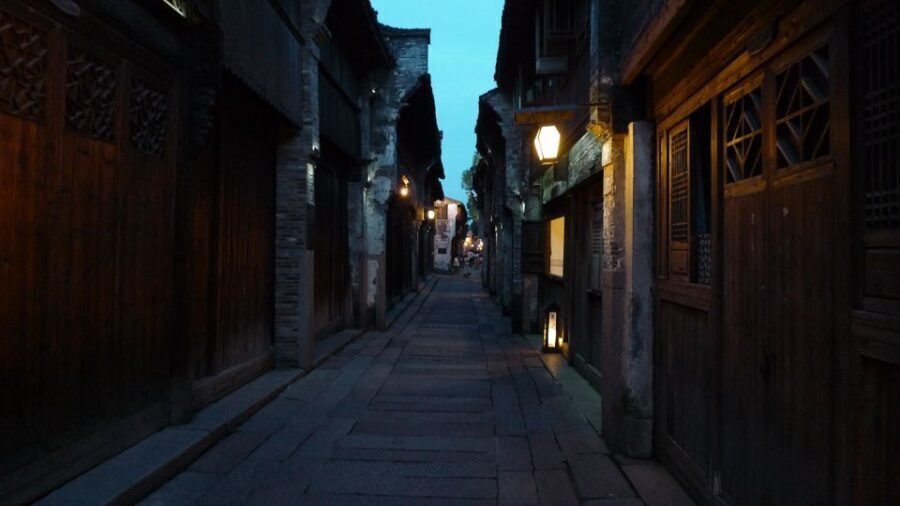
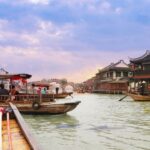
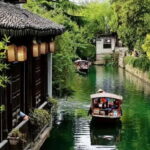
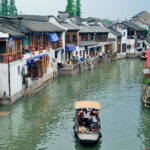
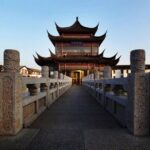
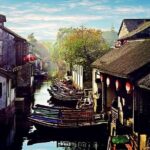
Zhujiajiao is one of Shanghai’s eight famous water towns on the outskirts, with 1,000-plus years of history. When you arrive, the tour makes you slow down and move like a local—stroll the alleyways, cross the Fangsheng Bridge, and follow the water’s pull through the town.
This is the heart of the day. Zhujiajiao isn’t just pretty canals; it’s a place built around them. Seeing the stone bridge and the narrow pedestrian lanes helps you understand how trade, daily chores, and social life would have flowed through these waterways.
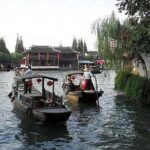
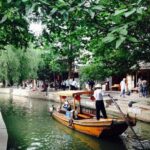
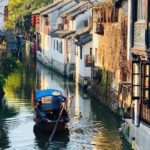
Then you get the part that feels most like “you’re actually there”: a wooden boat ride along the small canals. That short change of perspective can turn photos into a memory. You see the town’s scale and angles the way people did when the water was the main road.
If you’re the kind of person who gets motion-sick, you’ll still want to keep it in mind, but the ride is included and brief enough for most people to handle. Bring your camera, but keep one hand free so you can enjoy the view without fighting straps and elbows.
The private garden antiques and why it feels different
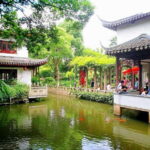
After the main waterfront stroll, you visit a private garden owned by a local. This is where the tour goes beyond the usual “walk-and-take-photos” plan.
Inside the garden, you can browse a collection of antiques spanning from about 2,000 years ago to the late 19th century. That timeline matters because it gives you a sense of continuity: Zhujiajiao wasn’t suddenly invented yesterday. It has long been a place where culture and craftsmanship show up in the objects families keep.
The garden setting also gives you a break from the most crowded parts of the town. Even if the area is busy, a garden visit changes the tempo. You can slow down, look closely, and let the guide’s explanations land.
One careful note: since it’s a private garden visit, you’ll want to respect that it may feel more formal than outdoor streets. If you keep your pace calm and quiet, you’ll enjoy it more.
Dim sum lunch: a practical reset before Old Town Shanghai
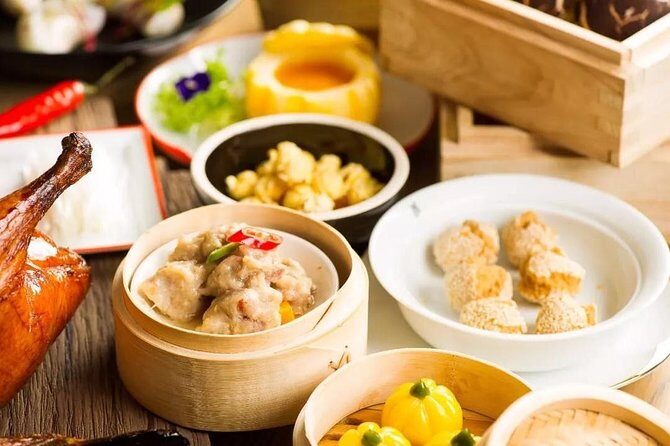
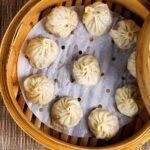
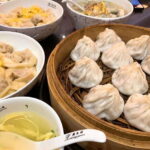
Lunch is included at a dim sum restaurant in the area. You’ll also have a soft drink or a bottle of beer during the meal, which is a nice touch for a long day.
I like this meal plan because it solves the hardest part of touring: deciding what to eat without wasting time. Dim sum works especially well mid-tour because you can sample multiple dishes without committing to a heavy single-course lunch.
The dim sum stop also acts as a reset. By the time you’re leaving lunch, you’re ready for a walking-focused afternoon in Old Town. This matters because the second half isn’t just “sit and look.” You’re moving through neighborhoods and streets where your guide’s context makes the difference.
If you have dietary needs, you’ll want to advise them at booking. The tour asks for specific dietary requirements in advance, so don’t wait until you’re at the restaurant to mention anything important.
Other Shanghai highlights day tours we've reviewed in Shanghai


Yu Garden and Yuyuan Bazaar: Qing architecture plus backstreet context
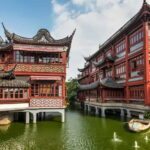
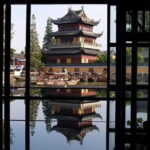
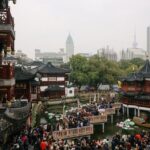
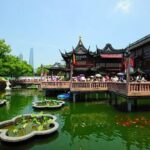
After lunch, you head to Old Town Shanghai, where you’ll visit Yuyuan Bazaar, also known as Yu Garden. The buildings here are described as about 200 years old and known for Qing architecture. That’s a clear, helpful anchor for what you’re seeing: the style isn’t random decoration. It’s a window into a specific era.
What makes this stop more than a standard market visit is the way you’re guided. Your guide follows you on a walk along back streets, sharing insight into lifestyle and the environment of local residents and migrants in this area. That’s the difference between seeing buildings and understanding how people use them.
For practical pacing, plan on moving through both the garden/bazaar area and nearby lanes without expecting the same “open space” feeling as a modern district. If you like photographing corners, doorways, and street details, you’ll have plenty of chances.
Also, keep expectations balanced. Yu Garden and Yuyuan Bazaar are popular, so it’s normal to feel the energy around the sights. If you’re sensitive to crowds, use your guide’s timing and pauses to take breathers and step aside for clear views.
Former French Concession on Sinan Road, then the Bund if you want it
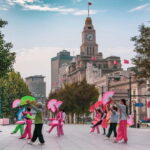
Next comes the Former French Concession area, with a walk along Sinan Road. This is where your guide adds the “more recent history” layer, especially early to mid-1900s change in China. It’s a strong pairing: the Old Town context explains older structures of life, and the Concession area explains another chapter of Shanghai’s identity.
I find this section useful because it connects architecture and streets to history you might otherwise treat as textbook facts. When your guide ties those changes to what you’re seeing on the ground, you start noticing details faster—like how different eras leave different kinds of street patterns and building styles behind.
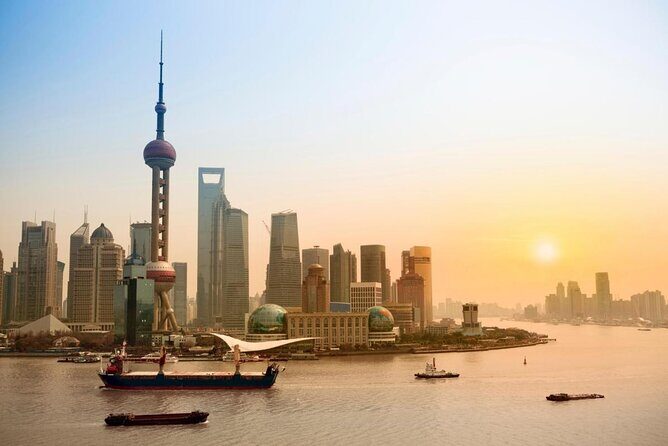
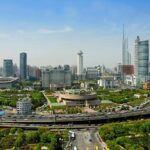
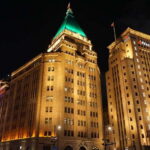
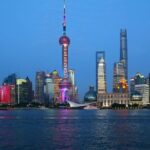
You can also visit the Bund district if you wish. That optional add-on focuses on areas along Zhongshan Road, with landmark views such as the Jardine Matheson Building and the Fairmont Peace Hotel. If you want the classic Shanghai skyline feel, this is your moment.
One thing to consider: because this is optional, you should match your choice to your energy level. If you’re still strong after Sinan Road, the Bund is worth it. If you’re tired, staying focused on the neighborhoods you already walked can feel more satisfying than piling on extra steps.
Price, what’s included, and why $133 can be good value
At $133, this tour is trying to solve three expensive hassles: transportation, guide time, and getting your plan organized across multiple areas. You’re not paying only for one attraction. You’re getting a full-day route that covers Zhujiajiao, Yu Garden/Yuyuan Bazaar, Former French Concession (Sinan Road), and possibly the Bund, plus lunch.
Here’s what helps the value feel real:
- Comfortable van with driver from hotel to Zhujiajiao and back
- Professional guide service with on-the-ground explanations
- Lunch included at a dim sum restaurant
- Boat fee included for the canal ride
- Soft drink or bottle of beer with the meal
- Free 4G WiFi during the tour, plus a mobile ticket
The WiFi detail is small, but it’s practical on a long day when you’re checking maps, sharing updates, or trying to coordinate later plans. The mobile ticket also reduces friction once you arrive.
Your main “cost” isn’t money—it’s attention and walking. This is a day where you’ll want to stay present. When you do, you get more out of Shanghai than you would from a checklist of landmarks.
One additional note from real-world timing: the trip can run longer than expected. That doesn’t automatically mean it’s a problem, but it does mean you should keep your evening flexible.
Should you book this combo tour?
I think you should book if you want Shanghai in full context: old water-town life, Qing-era old-town streets, and the 1900s layers of central Shanghai, all with a guide who keeps things understandable.
It’s also a good choice if you’re traveling with only a small group or you just prefer private pacing. This isn’t a “see everything with zero effort” plan. It’s a “see key places with a guide so you understand them” plan. That’s the sweet spot.
I would skip (or at least reconsider) if you’re extremely budget-tight for a full private day or if you hate walking. The tour is built around strolling and a few meaningful rides, so comfortable shoes matter more than a perfect schedule.
If you book, do one simple thing: go in with curiosity, not a strict photo list. Your guide’s job is to help you read Shanghai, and that works best when you’re open to the story.
FAQ
How long is the tour?
It lasts about 8 hours.
What time does the tour start?
The start time is 8:30am with hotel pickup.
What’s included in the price?
The tour includes a professional guide, comfortable van with driver, lunch, soft drink or a bottle of beer during the meal, boat fee, and free 4G WiFi during the tour.
Do I ride a boat during the Zhujiajiao part?
Yes. You’ll take a wooden boat ride along the canals in Zhujiajiao.
What sights does the tour cover in Shanghai?
You’ll visit Yuyuan Bazaar (Yu Garden), the Former French Concession area with Sinan Road, and you can also visit the Bund district (including spots along Zhongshan Road) if you wish.
Is lunch provided?
Yes. Lunch is included and served at a dim sum restaurant.