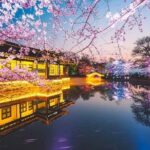
REVIEW · SHANGHAI
Off-beaten Route: Shanghai Old Town Discovery&Street Food Tasting
Book on Viator →Operated by Shanghai Advisor Tour · Bookable on Viator
Shanghai Old Town has a way of pulling you in.
This 3-hour walk-and-eat route pairs Old Shanghai landmarks with a real street food tasting run, so you’re not just looking at photos—you’re sampling the flavors that shaped daily life. I especially like that the tour keeps you moving through historic pockets like the Old City Wall area and Yuyuan Garden, then slows down with a traditional tea ceremony.
One thing to keep in mind: it’s a walking tour with moderate fitness needed, and there’s no hotel pickup. Also, you’ll be relying on good weather since it can be rescheduled or refunded if conditions are poor.
The upside is the pacing and the small group size, capped at 12 travelers. With a guide like Lynn (one of the names mentioned in past experiences), you get enough time to ask questions and actually understand what you’re seeing—rather than being rushed along.
In This Review
- Key highlights worth your attention
- Getting oriented at the Old City Wall area
- Dajing Ge Pavilion: the best kind of “warm-up” stop
- Yuyuan Garden (Yuyuan): where you slow down on purpose
- Confucius Temple and the corners behind the main sights
- Street food tasting: what you’ll eat and how to pace it
- Tea ceremony in a local tea house: the quiet reset you’ll appreciate
- Price and logistics: is $98 a good deal?
- Who this tour suits best (and who might want a different plan)
- Should you book this Off-beaten Route Old Town walk and food tour?
- FAQ
- How long is the Shanghai Old Town discovery and street food tasting tour?
- How many people are in the group?
- What’s included in the $98 price?
- What food will I sample during the tour?
- Is Confucius Temple admission included?
- Where does the tour start and end?
- What’s the cancellation policy and what if the weather is bad?
Key highlights worth your attention
- Old City Wall start: kick things off near the historic wall site before heading into older neighborhoods
- Yuyuan Garden time: a 400-year-old garden visit that feels like a breather from the streets
- Confucius Temple stop: includes temple entry and a chance to spot how belief meets city life
- Street food range: egg pancakes, sticky rice rolls, wonton soup, fried dumplings, Shanghai noodles, and more
- Tea ceremony at a local tea house: included and built into the route
- Ends in Old Town: your tour finishes at the last dim-sum shop area, so you can keep grazing nearby
Getting oriented at the Old City Wall area
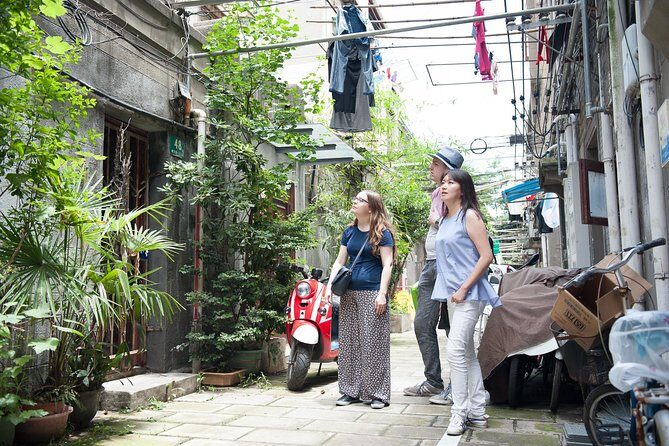
If Shanghai feels too big at first, this kind of route helps you get your bearings fast. The tour starts near the ancient city wall site, leading you into Old Town streets where the scale of the city shifts from modern to human-sized.
A strong choice here is the way the opening stop is framed. You’ll begin at Dajing Ge Pavilion (with an admission ticket included), then use that area as your reference point for what comes next. That matters because Shanghai’s historic districts can feel maze-like if you’re on your own. With a guide, you’re more likely to notice the details—street layout, older gate-like structures, and the way markets cluster around landmarks.
Practical tip: wear shoes you can trust for uneven sidewalks. Old Town walking isn’t usually extreme, but it’s constant, and you’ll want your feet to agree with the plan.
Other local food tours we've reviewed in Shanghai


Dajing Ge Pavilion: the best kind of “warm-up” stop
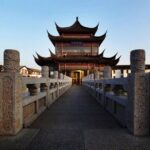
Dajing Ge Pavilion is a useful first anchor. It isn’t just a random start; it sets the tone for the rest of the route, starting from the ancient city wall area and then moving you into the older fabric of town.
The pavilion stop includes an admission ticket, so you’re not spending your time hunting for tickets or trying to figure out what’s open. You also get a clearer picture of why this neighborhood matters historically, before the tour shifts into markets and food.
Potential drawback: if you’re expecting a long sit-down museum-like experience, this is more of a quick, guided orientation moment. The tour is designed to keep your momentum and bring you to tastings while things are still fresh.
Yuyuan Garden (Yuyuan): where you slow down on purpose
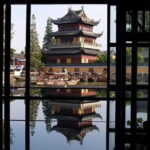
Then you move toward the Yu Garden district, centered on a garden described as around 400 years old. This stop is free for admission, which is a nice bonus for value, but the bigger win is the contrast.
Old Town streets can be crowded and loud. A garden stop gives you a mental reset: rockeries, ponds, and traditional architecture create that quieter rhythm you need after walking. Even if you’ve seen gardens in other Chinese cities, Yuyuan has its own feel because it’s tied directly to the historic core around it.
What I like for planning: you’re not just dropping into a photo spot. You’re given time to stroll, look closely, and transition from the city-wall story into the daily life story—commerce outside, calm inside.
Tip for timing: if you’re sensitive to crowds, expect that you may want to pause at the calmer edges of the garden rather than keeping to the main paths. A guide can help you choose where to stand and what angles are most worth your attention.
Confucius Temple and the corners behind the main sights
A major part of the appeal is that the route isn’t only about scenery. You’ll visit an ancient Confucius temple with a history noted as about 700 years old, and the tour includes entrance tickets of the temple.
Why that’s valuable: Confucius sites in China aren’t just about architecture. They connect to the city’s older social order—education, values, and how public life used to organize itself. On a guided walk, you can follow the meaning without needing to be an expert first.
The tour also works in other older-city texture along the way, including a bird market area and references to a last remaining shantytown. I’m glad this is included because it gives the “before” context that most short sightseeing trips miss. You get a fuller picture of what Shanghai’s Old Town represented, beyond the postcard layer.
One consideration: these parts of the route can feel more local and less polished than the garden. If you prefer strictly curated, museum-style experiences, you may need a minute to adjust. But if you like seeing how cities actually live, this is where the tour earns its off-beaten feel.
Street food tasting: what you’ll eat and how to pace it
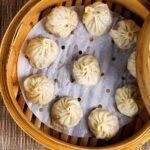
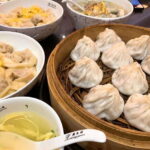
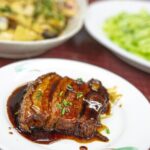
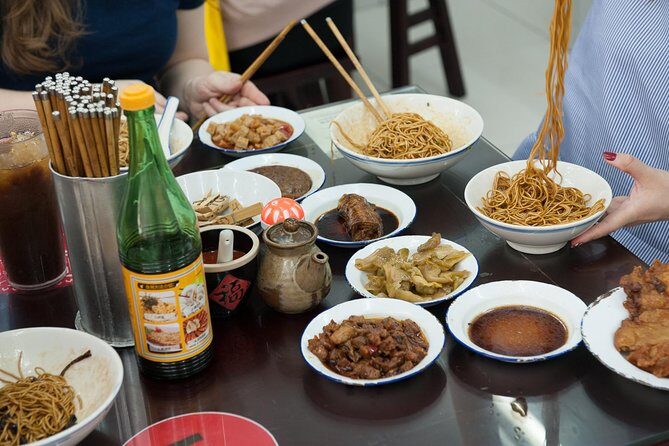
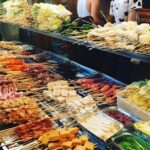
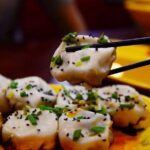
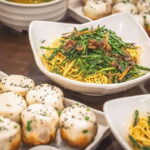
Food is the heart of this tour. The tasting list includes items like egg pancakes, sticky rice rolls, wonton soup, fried dumplings, and Shanghai noodles, plus additional local snacks along the route. Because it’s built into the walk, you’re sampling in context—meaning you’re eating what people eat, in the places where it’s sold.
I like that the tour clearly frames the tasting as a sample, not a full meal replacement. You should expect a sequence of small-to-medium tastings across multiple stops. That’s ideal because it lets you compare flavors and textures rather than committing to just one dish.
How to make it work for you:
- Pace your sips and bites. Even if portions aren’t huge, repeated tasting adds up.
- If you have dietary restrictions, don’t wait. The tour asks you to advise specific dietary requirements at booking, which is the right time to set expectations.
- Drinks aren’t mentioned as included, so plan for extra spending if you want tea, soft drinks, or water between stops.
Possible drawback: street food tours can be messy by nature—condiments, heat, and queues. If you’re sensitive to that, bring a small napkin packet and keep a flexible attitude. You’re choosing atmosphere as much as flavor.
Other food & drink experiences in Shanghai


Tea ceremony in a local tea house: the quiet reset you’ll appreciate
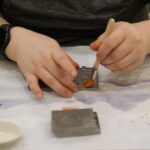
At the end of the sightseeing, you’ll be taken to a local tea house for a traditional tea ceremony (included, about 30 minutes). This is a smart finish because it cools down the sensory intensity of street food and old-market walking.
Tea ceremony value isn’t just the drink. It’s the pause. After navigating crowded lanes and tasting multiple snacks, you get a slower moment where the guide can explain what you’re seeing and how tea culture connects to daily life.
Practical note: this stop is part of the tour time budget, so don’t plan a separate attraction immediately after. The ceremony is designed as a landing.
Price and logistics: is $98 a good deal?
At $98 per person for about 3 hours, the value comes from the bundle: professional guiding, included snacks, temple entrance tickets, plus the tea ceremony. You’re also getting a small group size (maximum 12 travelers), which usually means less waiting and more time for questions.
What you’re not getting is important for budgeting. The tour notes that other expenses—like drinks and extra snacks beyond what’s included—aren’t part of the price. And there’s no hotel pickup or drop-off, so you’ll need to reach the meeting point yourself.
Here’s how I’d judge the deal for you:
- If you want a structured way to see Old Town without sorting out entry tickets and routes, this price can feel fair.
- If you mainly want food and would happily wander solo, you might spend less on your own. But you’d lose the guided context and the organized tasting sequence.
Also, the tour is using a mobile ticket, which is convenient. It’s a small thing, but it reduces friction on the day.
Who this tour suits best (and who might want a different plan)
This fits best if you like hands-on travel—walking with purpose, learning as you go, and eating in the neighborhoods where the stories are strongest.
It’s especially good for:
- First-time visitors who want a guided shortcut through Old Town’s historic layers
- People who enjoy street food and want more variety than one snack stop
- Travelers who appreciate a short, manageable time commitment (3 hours)
It may be less ideal if:
- You dislike walking or prefer long, seated activities
- You want drinks included with tastings
- You want a strictly “luxury” or highly polished itinerary (this is local in feel)
The tour does ask for moderate physical fitness, so plan accordingly.
Should you book this Off-beaten Route Old Town walk and food tour?
I’d book it if your goal is a compact, guided mix of historic Shanghai and practical street food sampling, finished with a tea ceremony. The combination of temple entry, included tastings, and a small group size makes it feel like more than a simple food stop.
I’d skip (or choose something else) if you’re mainly looking for big-ticket attractions, or if you’re likely to struggle with continuous walking.
If you do book, bring good shoes, save room for small tastings, and message your guide at booking with any dietary needs. If you like eating where locals eat—and you want the context to go with it—this is the kind of Old Town experience that sticks.
FAQ
How long is the Shanghai Old Town discovery and street food tasting tour?
The tour lasts about 3 hours.
How many people are in the group?
The tour has a maximum of 12 travelers.
What’s included in the $98 price?
The price includes a professional guide, a tea ceremony experience, entrance tickets of the temple, and snacks.
What food will I sample during the tour?
You can expect tastings such as egg pancakes, sticky rice rolls, wonton soup, fried dumplings, Shanghai noodles, and other local snacks.
Is Confucius Temple admission included?
Yes. Entrance tickets of the temple are included as part of the tour.
Where does the tour start and end?
It starts in Huangpu, China (200021) and ends in the Renmin Road / Renmin Lu area near Waitan, Huang Pu Qu. The tour finishes in the last dim-sum shop in Shanghai Old Town.
What’s the cancellation policy and what if the weather is bad?
Free cancellation is available up to 24 hours in advance for a full refund. The tour also requires good weather, so if it’s canceled due to poor weather, you’ll be offered a different date or a full refund.