History here runs under your feet. This Suzhou Creek to The Bund walk connects Shanghai’s wartime stories and industrial edges to the treaty-port face of the city, at a pace that actually lets you look. You’re not doing a checklist of landmarks. You’re learning how the city changed, section by section, wall by wall.
I love two things most: the guide Charlotte keeps the details grounded in what you can see in front of you, and the timing stays comfortable for a real conversation. I also like that this is a small group, max 6 people, so the “quiet observation” style doesn’t turn into a forced line shuffle. The tour is built for history lovers and curious minds, not just photo hunters.
One drawback to plan for: the biggest stop involves a museum, and admission isn’t included, so you’ll want to budget a little extra if you go inside. If you’re hoping for only outdoor views, you might still enjoy the bridges and riverbank pieces, but the emotional center of the walk is the museum memorial.
In This Review
- Key highlights you’ll feel during the walk
- Why Suzhou Creek to the Bund feels different from a standard Shanghai walk
- Meeting on Xin Zha Lu, ending at Swatch Art Peace Hotel, and why 3:00 pm works
- Sihang Warehouse Memorial Museum: the 1937 stand you can still read in the walls
- Yanqingli and the power of renovation you can walk into
- Treaty-port architecture clue-hunting: reading Shanghai’s gateway story in buildings
- Zhapu Road Bridge (1907): early steel, old connectivity
- Waibaidu Bridge (1908): Shanghai’s first all-steel bridge at the creek’s mouth
- The Bund (Wai Tan): more than the promenade, more than the skyline
- Coffee and the small extras that make the tour feel looked after
- Price and value: is $120 worth it for 3 to 4 hours?
- Who this tour suits best (and who might want a different style)
- FAQ
- How long is the Shanghai Hidden Histories walking tour?
- How many people are in the group?
- Is museum admission included?
- What’s included in the price besides the guide?
- Where does the tour start and end?
- What is the cancellation window?
- Should you book this Shanghai Hidden Histories walk?
Key highlights you’ll feel during the walk
- Bullet-scarred wartime memory at Sihang Warehouse Memorial Museum, tied to the 1937 defense by 400 Chinese soldiers
- Yanqingli—a preserved area with renovated interiors now used for cafés, galleries, and studios
- Two steel bridges from the early 1900s (Zhapu Road Bridge, built 1907; Waibaidu Bridge, built 1908)
- Treaty-port era architecture clues, focused on how Shanghai functioned as an international communications hub
- The Bund, explained like a document—not just a river promenade, but a storefront of colonial-era trade power
- Small-group pace that stays relaxed for a 3 to 4 hour walk
Why Suzhou Creek to the Bund feels different from a standard Shanghai walk
A lot of Shanghai tours tell you what to photograph. This one spends more time on what to notice. You walk along Suzhou Creek’s edges, then transition toward The Bund’s west-bank grandeur, and the “why” is the point.
The route also has a smart emotional rhythm. You start with a solemn riverside memorial, then move into preserved spaces and early industrial infrastructure, and you end at the Bund where architecture reads like an old business card for a global city. The effect is subtle but real: you end the walk understanding how Shanghai’s identity was built.
Other Bund and Pudong tours we've reviewed in Shanghai
Meeting on Xin Zha Lu, ending at Swatch Art Peace Hotel, and why 3:00 pm works
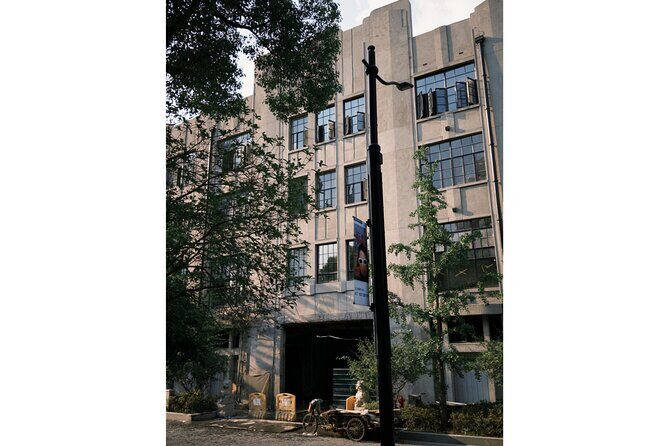
The tour starts at 245 Xin Zha Lu, Huang Pu Qu. It finishes near Swatch Art Peace Hotel Waitan on the Bund side, close to East Nanjing Road. That finish location matters because you can roll right into the area if you want more time by the river.
Starting at 3:00 pm also fits the “slow look” style. You’re not rushing through major sights in the middle of the busiest hours. You’re more likely to get a calmer experience for studying details, especially around bridges and river views.
The group stays small (up to 6 travelers), and you’ll be using a mobile ticket plus a digital citywalk map. That combination is practical: the map helps you orient quickly when you stop for explanations, and the ticket keeps check-in simple.
Sihang Warehouse Memorial Museum: the 1937 stand you can still read in the walls
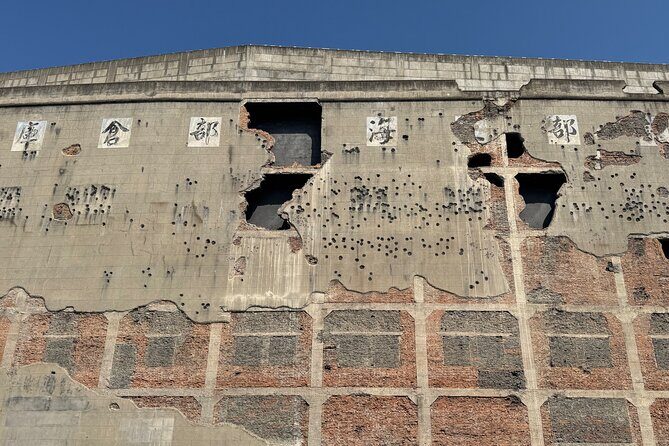
The first major stop is the Sihang Warehouse Memorial Museum, a riverside landmark with a heavy presence. You’ll stand before bullet-scarred walls tied to a famous 1937 defense, when 400 Chinese soldiers held their ground.
This is the kind of stop that changes your posture. Even if you’re not a “museum person,” you’ll likely feel why the tour begins here. It sets a frame for the whole walk: Shanghai isn’t only a story of commerce and architecture. It’s also a story of conflict, survival, and endurance.
One practical thing to know: museum admission isn’t included. That means you should decide ahead of time whether you want the full interior experience, or if you’d rather focus on the exterior memorial atmosphere. Either way, the stop has weight.
Yanqingli and the power of renovation you can walk into
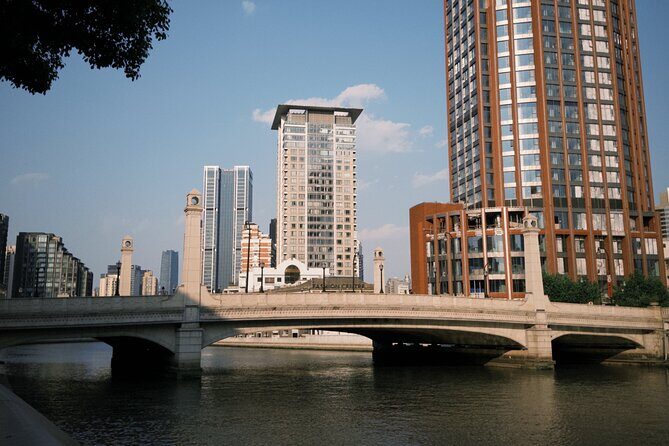
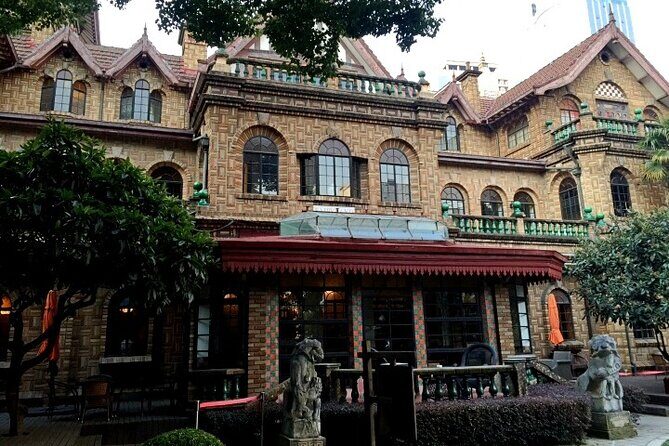
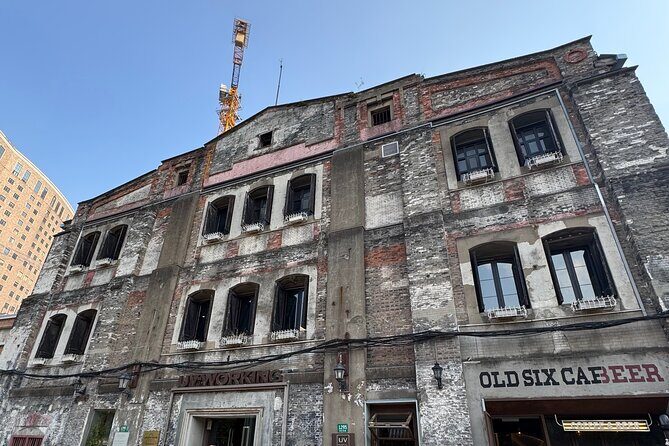
Next you’ll move toward Yanqingli, an area that preserves the past while letting the spaces work today. The renovated interiors are now used for cafés, galleries, and studios, so you’re not just staring at history behind glass.
What I like about this shift is that it shows preservation as a living practice. The point isn’t nostalgia. It’s adaptive reuse—keeping the character of older structures while creating room for everyday culture.
It’s also a short stop, so you don’t lose the thread of the walk. In a tour like this, short doesn’t mean shallow. It’s more like a pause to remind you that Shanghai’s transformation isn’t only in big monuments. It’s in the quieter spaces where people actually spend time.
Treaty-port architecture clue-hunting: reading Shanghai’s gateway story in buildings
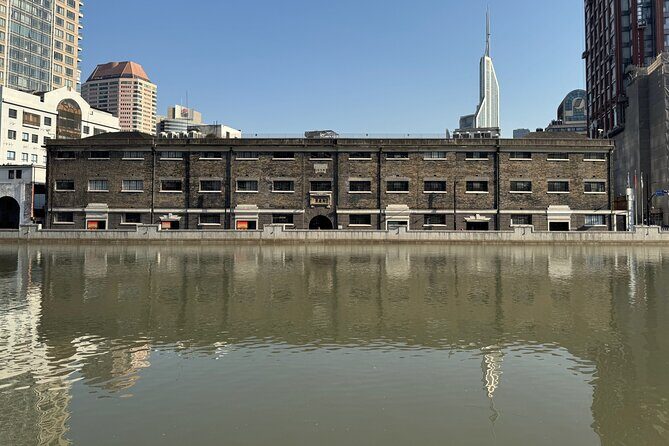
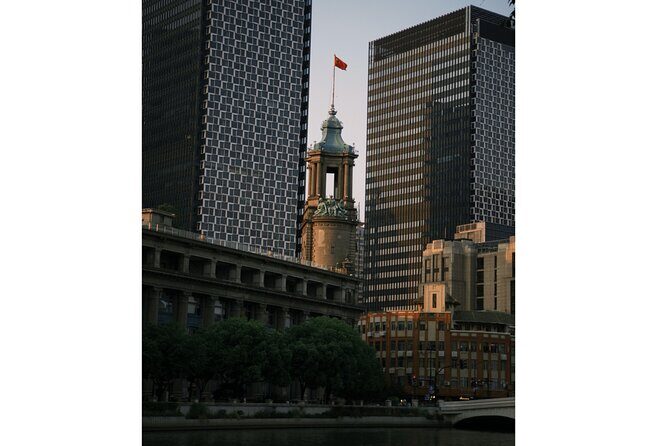
Between the renovated lanes and the river bridges, you’ll pass another key area connected to Shanghai’s treaty-port era. You’ll look at a building that acted as a hub of international communication, a symbol of Shanghai as a gateway open to ideas, commerce, and people.
This part is valuable because it trains your eyes. Instead of treating architecture as decoration, you’ll start treating it as evidence. You can walk away more able to interpret what you see on the Bund—why those facades look the way they do, and what they were designed to signal.
One benefit of this “clue” approach: even if you’ve been to Shanghai before, you can still feel like you’re learning. The city becomes less about memorizing names and more about understanding patterns.
Other Suzhou day trips we've reviewed in Shanghai




Zhapu Road Bridge (1907): early steel, old connectivity
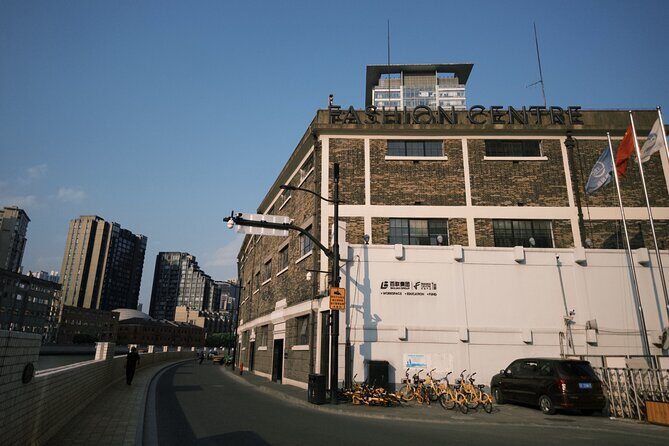
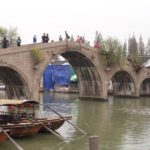
The walk brings you to Zhapulu Bridge (Zhapu Road Bridge), noted as one of the oldest surviving steel bridges over Suzhou Creek, built in 1907. It played an important role connecting commercial hubs of Hongkou and Huangpu.
I like this stop because bridges are usually “in the way” on walking tours. Here, the bridge becomes a viewpoint and a historical object. You can look at the steel structure and imagine what it meant for moving goods and people across the water channel.
Also, it’s a reminder that Shanghai’s port power didn’t appear overnight. It was engineered, piece by piece. This bridge is one of the physical links that helped the city function as a working commercial system.
Waibaidu Bridge (1908): Shanghai’s first all-steel bridge at the creek’s mouth
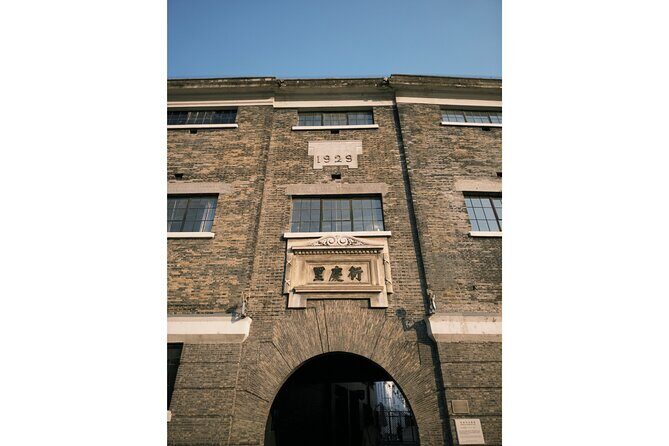
Then you reach Waibaidu Bridge, built in 1908 and described as Shanghai’s first all-steel bridge, also the oldest surviving one in the city. It spans the mouth of Suzhou Creek where it meets the Huangpu River.
This bridge stop is especially satisfying because the location does the teaching. Standing here, you’re at the edge where a creek becomes part of a wider river system—and where the city’s geography turns into logistics.
If you enjoy structure and design, this is your moment. Steel bridges have a kind of honesty in how they show their load paths. You don’t need a technical degree to see why it mattered that early engineers built this for durability.
And since the pace stays calm, you can actually take your time photographing without feeling like you’re holding up the whole group.
The Bund (Wai Tan): more than the promenade, more than the skyline
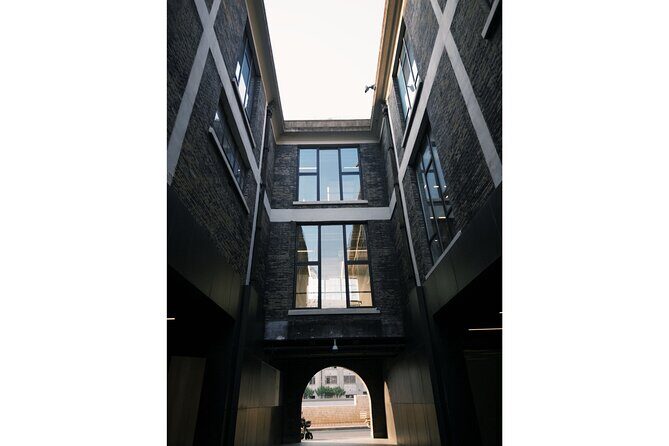
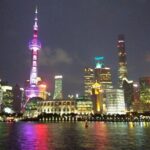
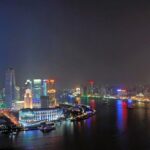
Finally, you arrive at The Bund (Wai Tan), stretching along the west bank of the Huangpu River. This is where the tour shifts from infrastructure and memory to a face of modern history.
The Bund’s grand colonial buildings once housed banks and trading houses. In other words, these weren’t just pretty addresses. They were the front office of the city’s global commerce during the colonial-era trading period.
Here’s the trick: you’ll get a better understanding of what those facades represent if you’ve just come from the bridges and the creek. The walk makes you connect the dots between river access, international movement, and the institutions that profited from all that motion.
The tour gives you time to look without forcing you into the loudest crowd behaviors. You’ll still be outdoors and around people, but the guide’s “slow pace for discovery” style helps keep it from feeling like sprinting from view to view.
Coffee and the small extras that make the tour feel looked after
The tour includes one complimentary coffee at a selected café or one bottled water per person upon request. It also includes a digital citywalk map and a group photo or self-portrait you can request, with a digital copy.
Those perks aren’t headline-grabbing, but they matter. The drink option keeps you comfortable during a 3 to 4 hour afternoon walk. The map helps you reorient when you pause for explanations, and the photo option is handy if you don’t want to rely on strangers for pictures.
The only real “own-cost” element is the museum admission, since it’s not included. There are also no meals included, but there may be optional café stops where you can buy something on your own.
Price and value: is $120 worth it for 3 to 4 hours?
At $120 per person for a 3 to 4 hour guided experience, the value comes from the combination: licensed local English-speaking guide, small group size (max 6), and the fact that the walk is built around interpretation, not just location hopping.
If you go to the museum interior, you’ll have a little extra cost, but you’ll also be matching your money to the tour’s emotional anchor. If you skip interior time, you can still learn a lot from the riverside memorial atmosphere and the bridge and Bund architecture.
The tour also has mobile ticket convenience and includes practical mapping plus a photo option. That reduces friction. In a city where it’s easy to lose time figuring out logistics, a guided, mapped route is part of what you’re paying for.
If your goal is a fast-hit photo route, this won’t be the best fit. If your goal is understanding why Shanghai looks the way it does, and how its river edges connect to its global trading image, the price starts to make sense.
Who this tour suits best (and who might want a different style)
This walk is ideal if you like history that explains itself through places you can see. It’s also a great match if you enjoy calm observation and real conversation, because the pacing is designed for that.
You’ll probably enjoy it most if you’re:
- an architecture and city-shape person who likes learning what buildings were for
- interested in wartime memory as well as port-city development
- someone who prefers small-group experiences over big crowds
One group style note: the tour expects moderate physical fitness and involves walking between sites. It’s not described as extreme, but it’s still a walking experience, so comfortable shoes are a good idea.
If you only want bright, casual sightseeing with minimal context, you might find the memorial start heavier than expected. But if you’re willing to sit with the story for a bit, the rest of the walk lands differently.
FAQ
How long is the Shanghai Hidden Histories walking tour?
It lasts about 3 to 4 hours.
How many people are in the group?
The group maximum is 6 travelers.
Is museum admission included?
No. Sihang Warehouse Memorial Museum admission is not included.
What’s included in the price besides the guide?
You get coffee and/or tea (one complimentary coffee at a selected café or one bottled water per person upon request), a digital citywalk map, and a group photo or self-portrait if you request it.
Where does the tour start and end?
It starts at 245 Xin Zha Lu, Huang Pu Qu and ends at the Swatch Art Peace Hotel Waitan area on the Bund near East Nanjing Road.
What is the cancellation window?
You can cancel for free up to 24 hours before the experience start time for a full refund.
Should you book this Shanghai Hidden Histories walk?
Book it if you want Shanghai to make sense—especially the connection between Suzhou Creek’s wartime and industrial legacy and the Bund’s treaty-port era architecture. The small group size, the licensed English-speaking guide (with Charlotte leading), and the calm pacing make it a good use of an afternoon when you’d rather learn than just look.
Skip it if you’re chasing only casual sightseeing with no museum stop. The walk includes a memorial that sets a serious tone, and it also involves outdoor bridge time and architecture reading, not just scenic views.
If you’re the type who enjoys understanding why a city looks the way it does, this is the kind of tour that leaves you with more than photos. You’ll leave with a clearer map in your head of how Shanghai became Shanghai.