REVIEW · SHANGHAI
4-Hour Shanghai Best Garden and Temple Tour with Tea Tasting
Book on GetYourGuide →Operated by Sunny Amazing Tours · Bookable on GetYourGuide
Jade Buddhas and tea in four hours. I especially love how the Jade Buddha Temple feels calm and human-scale, not like a rushed photo stop, thanks to your guide’s on-the-ground context. I also like that the tour ends with a tea tasting that explains what you’re drinking, so you’re not just sipping whatever shows up.
The main thing to plan around is the tight schedule: you’ll cover three major sights plus a bazaar walk in only four hours, and lunch isn’t included, so bring a light snack mindset.
In This Review
- Key things I’d circle on your map
- The 4-Hour Game Plan: How It Feels Without the Rush
- Getting Started in Downtown Shanghai: Pickup and a Private Group Mood
- Jade Buddha Temple: Hall of Four Heavenly Kings and Burma Jade Statues
- Old Town Bazaar and the Nine Lucky Bridge Tea House Pass
- Yu Garden’s Dragon Wall, Rockeries, and Pond-and-Pavilion Views
- Tea Tasting: More Than Just Sipping Something Warm
- Price and Value Check: Is $99 Worth It?
- Who Should Book This Tour (and Who Might Skip It)
- Should You Book This Shanghai Best Garden and Temple Tour?
- FAQ
- How long is the tour?
- How much does it cost?
- What’s included in the tour price?
- What language is the tour guide?
- Is lunch included?
- Is there free cancellation?
Key things I’d circle on your map
- Fast, focused routing: temple, bazaar area, Yu Garden, then tea in a single morning/afternoon block
- Jade Buddha Temple highlights: including the Hall of Four Heavenly Kings and Burma-style Jade Buddha statues
- Old Town flavor at street level: Qing Dynasty architecture, craft and trinket stalls, and a pass by a 400-year-old tea house
- Yu Garden details you can actually notice: the dragon wall, rockeries, and classic ponds-and-pavilions layout
- Tea tasting with choices: you’ll taste multiple teas and learn how locals drink them
- Real guide time: private group setup keeps you moving with fewer bottlenecks
The 4-Hour Game Plan: How It Feels Without the Rush
This tour is designed for travelers who want the big Shanghai “sight” sights, but still want breathing room between them. In four hours, you’ll move from a serene temple stop to the Old Town bazaar area, then finish in Yu Garden before settling into tea.
The pacing is the whole point. Temple time is built in so you can actually look at halls and statues, not just walk through the doorway and disappear. Garden time is also scheduled well: you get enough walking to appreciate the design of rockeries and ponds, without turning it into an all-day ordeal.
One practical note: this is a walking day, even though it’s short. You’ll likely spend plenty of time on your feet in the temple complex, bazaars, and especially the garden paths—so comfy shoes matter more than you’d think.
Other food & drink experiences in Shanghai



Getting Started in Downtown Shanghai: Pickup and a Private Group Mood
You start with pickup in the downtown Shanghai area. Your guide meets you and then you’re off, with the plan to return you to your hotel or another downtown drop-off point by request.
What makes this feel smoother is the private group setup. You won’t be fighting for “camera turns” with a crowd that’s moving at a different speed. It also means your guide can shape the stops around what you’re noticing—like pausing for Jade Buddha details or slowing down when the Old Town bazaar gets especially tempting.
Transportation depends on the option you book: you may ride in an air-conditioned vehicle with a private driver, or you may use local uber/metro if you chose that option. Either way, the tour structure stays the same: guided walking at the key sites, vehicle time to connect the locations.
Jade Buddha Temple: Hall of Four Heavenly Kings and Burma Jade Statues
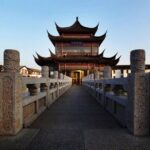
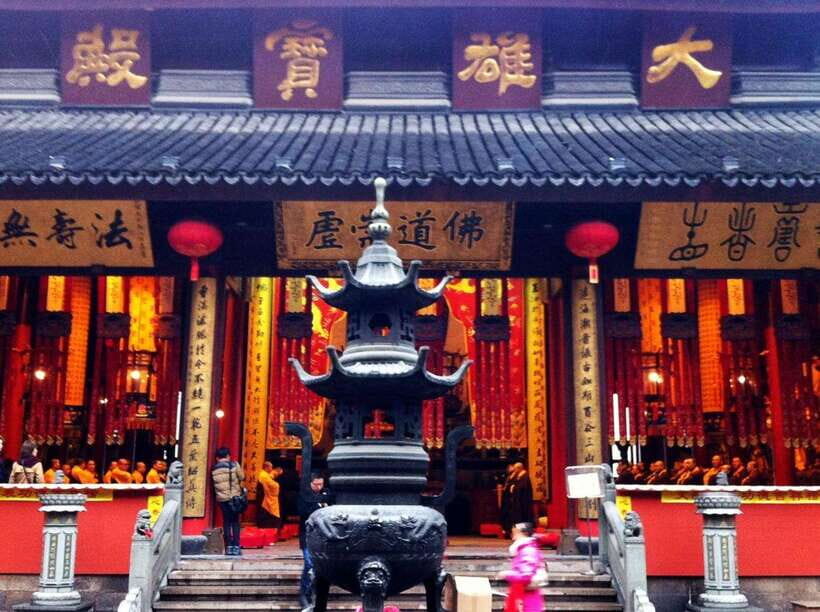
The tour begins at Jade Buddha Temple, and that choice sets the tone. This temple isn’t just for quick sightseeing. Your guide leads you through several parts of the complex so you understand what you’re looking at and why it matters to people there.
One highlight is the Hall of Four Heavenly Kings. Even if you’re not “into religion,” these kinds of halls are where you can see symbolism made physical—so it helps to have a guide calling out what to pay attention to while you’re there.
Then comes the grand hall atmosphere—described as authentic and tranquil in the way the experience is framed. This is where the famous Jade Buddha statues take center stage. The tour focuses on the exquisite Jade Buddha images, including the reference to Jade Buddha statues from Burma, and your guide explains the religious culture and wisdom behind the scenes.
I like starting here because the temple sets your senses. You go from the city’s noise to a calmer rhythm, and you’ll be in a better mood for the next stop. It’s also a nice mental reset before the Old Town bazaar gets busy.
Old Town Bazaar and the Nine Lucky Bridge Tea House Pass
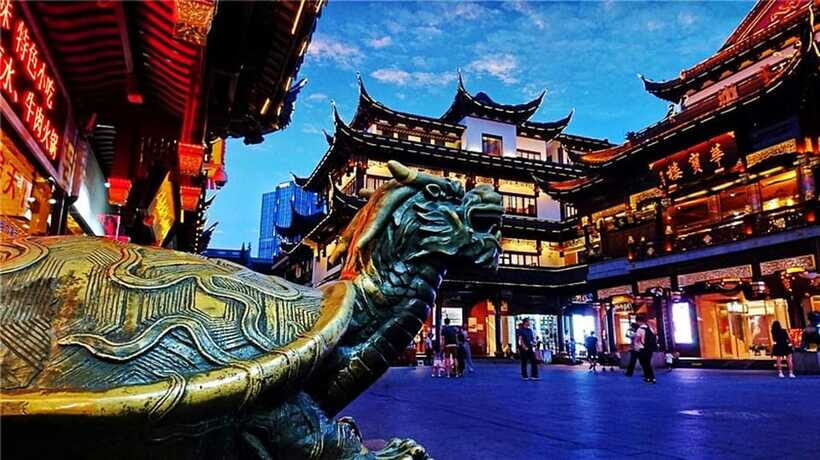
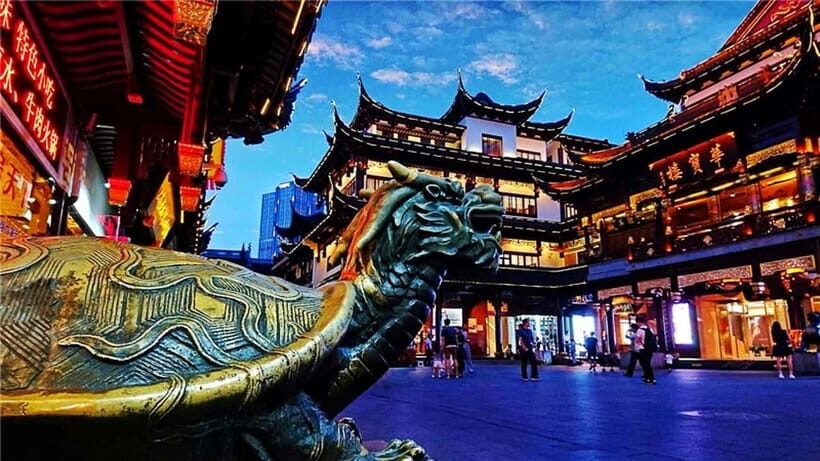
Next you head into the Old Town area, where the vibe shifts to street-level browsing. You’ll explore the bazaar markets at an easy pace while moving through an area known for Qing Dynasty architecture and the “shop-and-stroll” feeling that makes markets fun instead of stressful.
This is where you can browse local vendors selling arts, trinkets, and crafts. You’re not forced into buying anything, but it’s the kind of setting where you can actually follow your curiosity: small workshops, handmade-looking souvenirs, and all the everyday objects that travelers rarely see when they only shop modern malls.
Two details I’d call out for your imagination:
- You’ll pass by a 400-year-old tea house in the area.
- You’ll walk near the nine lucky bridge, a named feature that gives the stroll a story.
Just don’t treat it like a museum. In the bazaar section, your best experience comes from moving slowly and looking up as well as down—architecture first, then what’s on the stalls.
If you’re prone to getting swept into shopping, set a loose goal before you start (one gift, one snack, one photo corner). Otherwise, the bazaar can steal time from what comes next—Yu Garden deserves your full attention.
Yu Garden’s Dragon Wall, Rockeries, and Pond-and-Pavilion Views
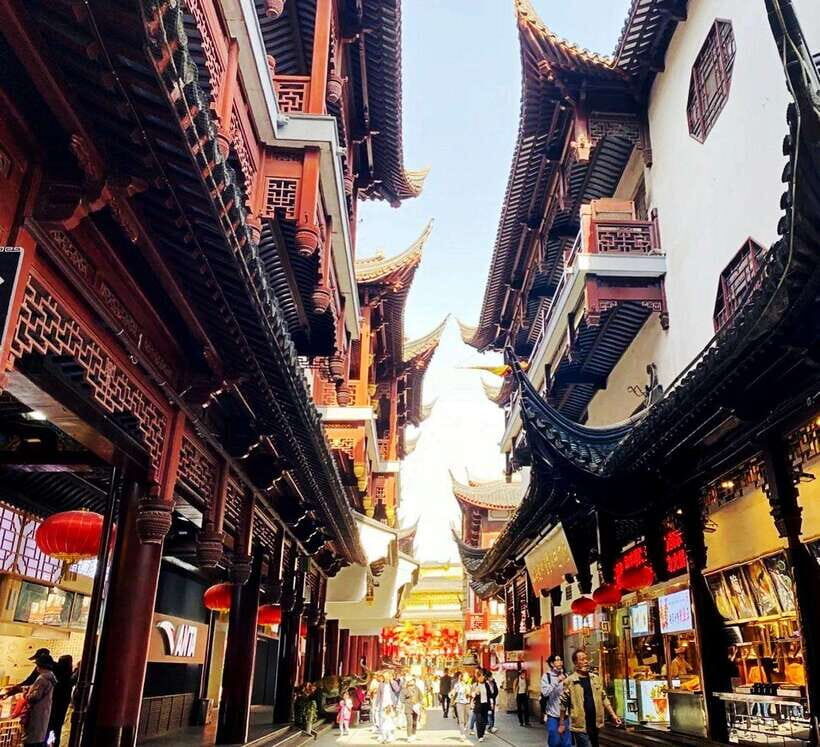
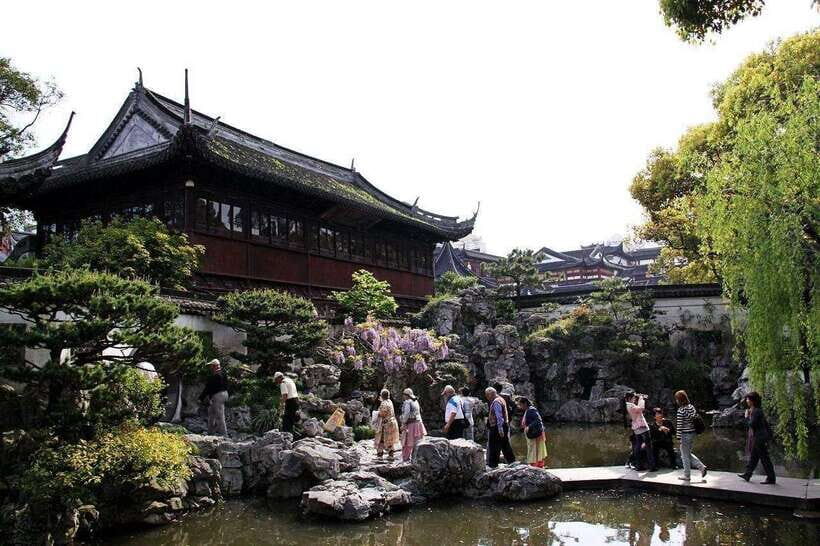
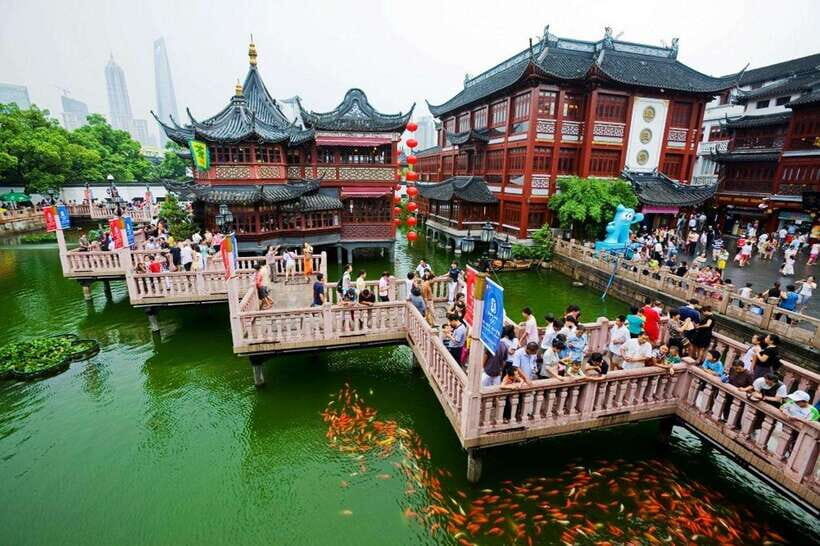
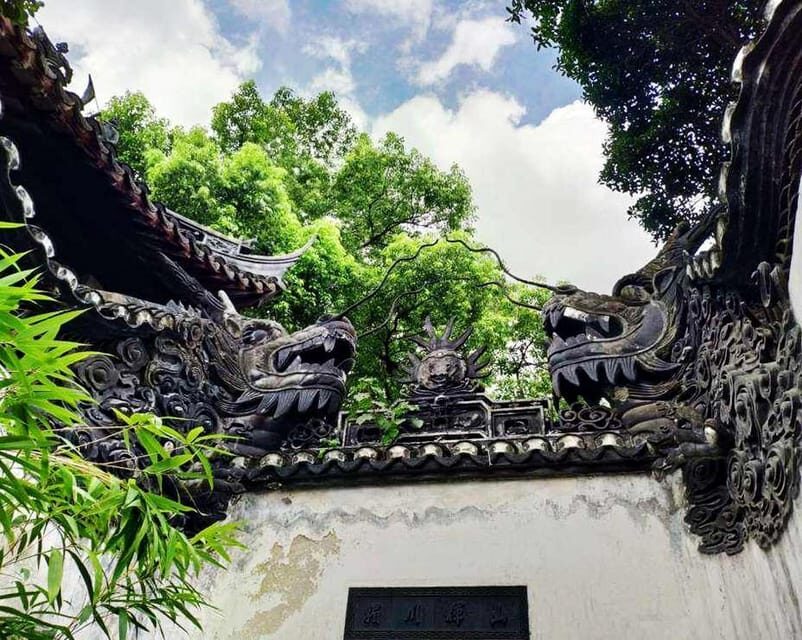
After the bazaar, you visit Yu Garden, described as about 500 years old. This stop is the payoff for people who like design. Yu Garden isn’t just “green space.” It’s structured, planned, and full of small sightlines that reward a slower walk.
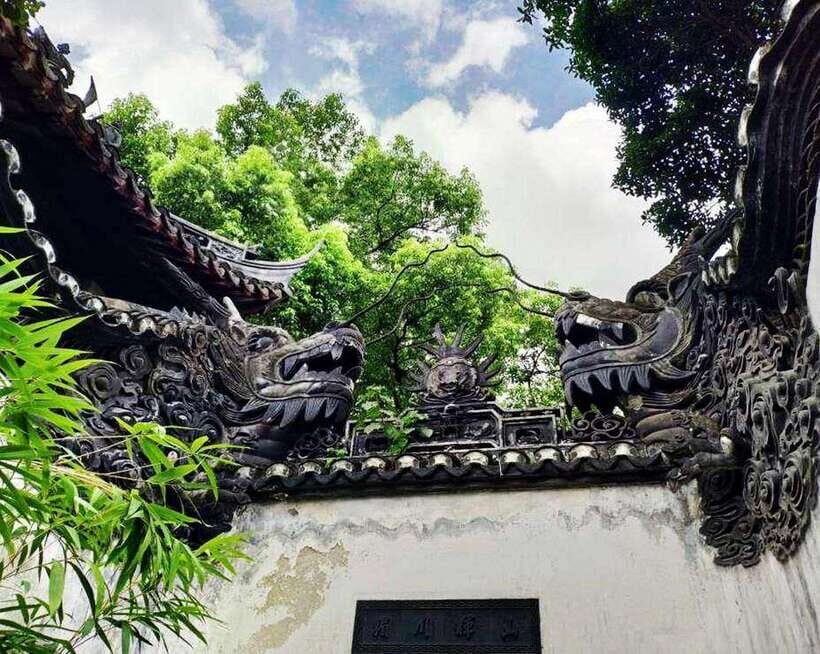
Your guide helps you notice the major set pieces, including the dragon wall and unique rockeries. Those elements matter because they’re part of how the garden tells a story—stone and texture are doing cultural work here, not just decoration.
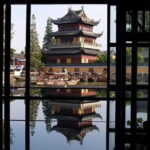
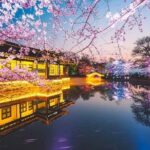
You’ll also see tranquil chambers, framed courtyards, and classic pavilions dotted with ponds and lush greenery. The tour format keeps you from getting lost in your own wanderings, which is easy to do in a garden this size and with paths that loop.
One practical tip: plan for a steady walking pace. Yu Garden paths can be slippery if it’s damp, and they often invite you to stop for photos. If you wear grippy shoes, you’ll enjoy it more and feel safer moving around.
By the time you reach the tea tasting portion, you’ll probably appreciate sitting down for a few minutes. This is where the tour transitions from sightseeing to something more relaxing and personal.



Tea Tasting: More Than Just Sipping Something Warm
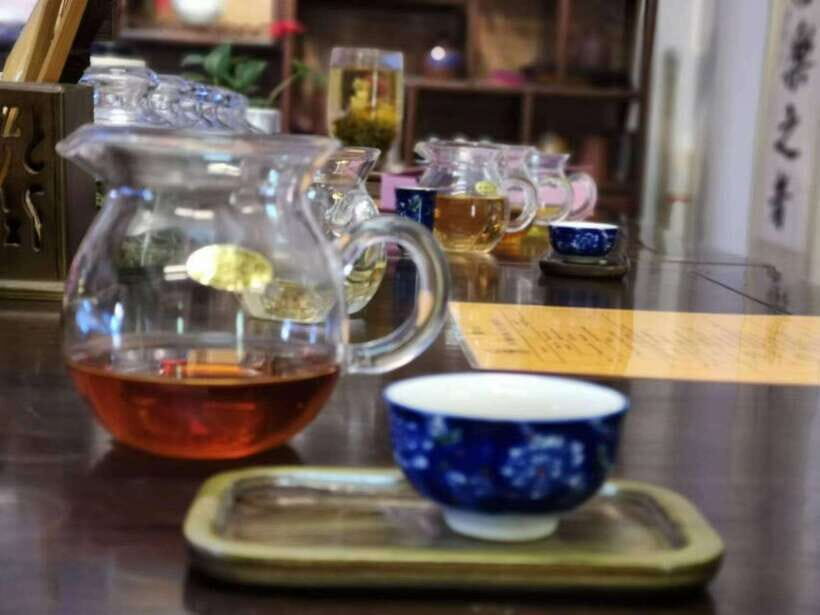
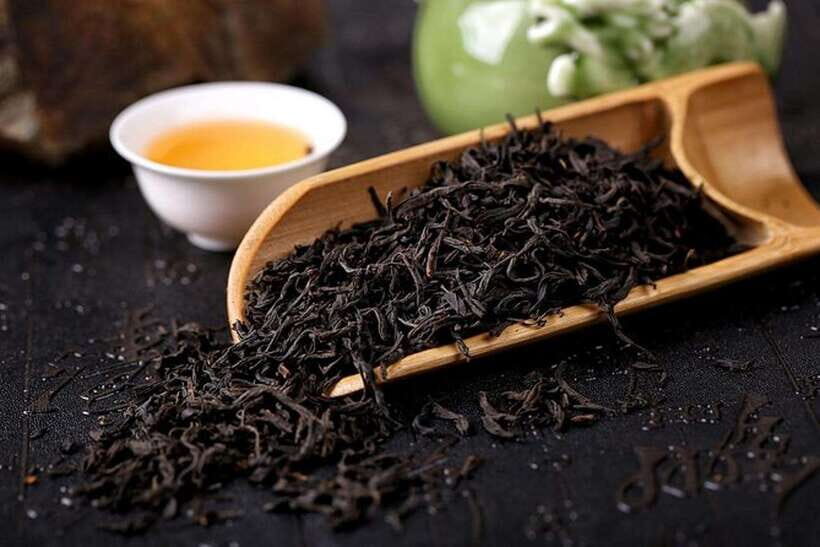
Tea tasting is the final experience, and it’s more meaningful than it sounds on paper. This tour includes a tea ceremony plus a guided explanation of tea drinking culture, so you’re learning while you taste.
You’ll have a choice in the teas you sample, based on your preference. In one instance, a group tried five different teas with explanation, which gives you a sense of how the tasting is structured: multiple varieties, with your guide pointing out what to pay attention to.
This is where you learn the “how” behind the drink: how locals think about flavor and how tea is treated as a real ritual, not just a beverage. If you’ve ever wondered why tea culture feels serious in China, this is the simplest place to get your head around it in a short time.
It also helps that the timing is good. Ending with tea means your day finishes softly instead of running back out to the next distraction.
And yes, you’ll likely leave feeling like you can order tea with more confidence than before.
Price and Value Check: Is $99 Worth It?
At $99 per person for a 4-hour tour, the value depends on what you care about: guided context, ticket fees, and not having to coordinate transport.
Here’s why it can be a good deal:
- You get entrance fees included for both Yu Garden and Jade Buddha Temple.
- You get a guided tea ceremony, not just a casual stop for a drink.
- You get downtown pickup and drop-off, saving you from figuring out how to connect sites efficiently.
- You’re in a private group setup, which usually means more guide attention per person than big group tours.
The cost also feels easier to justify because you’re packing three major destinations into four hours. You’re not paying for “one attraction and a long drive,” at least based on the tour structure.
The one thing that can change the math is food. Lunch or dinner isn’t included, so you’ll want to plan to eat either before you go or after you finish. If you hate hunting for food right after a tour, grab something light beforehand.
Who Should Book This Tour (and Who Might Skip It)
I’d point this tour toward you if:
- You want a guided introduction to Shanghai’s garden-and-temple side of the city.
- You like cultural details, not just big-name landmarks.
- You enjoy tea as a topic, or you’re curious and want an explanation without a full class.
You might skip it if:
- You want a full day at one site instead of a tight sampler.
- You’re very sensitive to walking and standing, since this tour includes temple, bazaar walking, and garden paths.
- You strongly need lunch included in the price.
For most people, the tradeoff is reasonable. You’re not trying to “do everything.” You’re doing the core experiences with a guide steering your time.
Should You Book This Shanghai Best Garden and Temple Tour?
If you want a smooth four-hour overview that still feels thoughtful, I’d book it. The combination of a calm temple start, a human-scale Old Town bazaar walk, and the structured beauty of Yu Garden gives you variety without chaos.
For me, the clincher is the tea portion. Many short tours end with a gift shop stop. This one ends with a guided tea tasting and cultural context, so the final hour actually adds meaning instead of just filling time.
If you’re comfortable with a walking schedule and you’re fine handling food separately, this is a solid value choice for seeing more of Shanghai beyond the quick photo routes.
FAQ
How long is the tour?
The tour duration is 4 hours.
How much does it cost?
The price is $99 per person.
What’s included in the tour price?
It includes a local guide, entrance fees to Yu Garden and Jade Buddha Temple, tea ceremony, and downtown pickup and drop-off. Transport details depend on the option booked (private driver with an air-conditioned vehicle, or local uber/metro).
What language is the tour guide?
The live tour guide is available in English.
Is lunch included?
No, lunch or dinner is not included.
Is there free cancellation?
Yes. You can cancel up to 24 hours in advance for a full refund.